
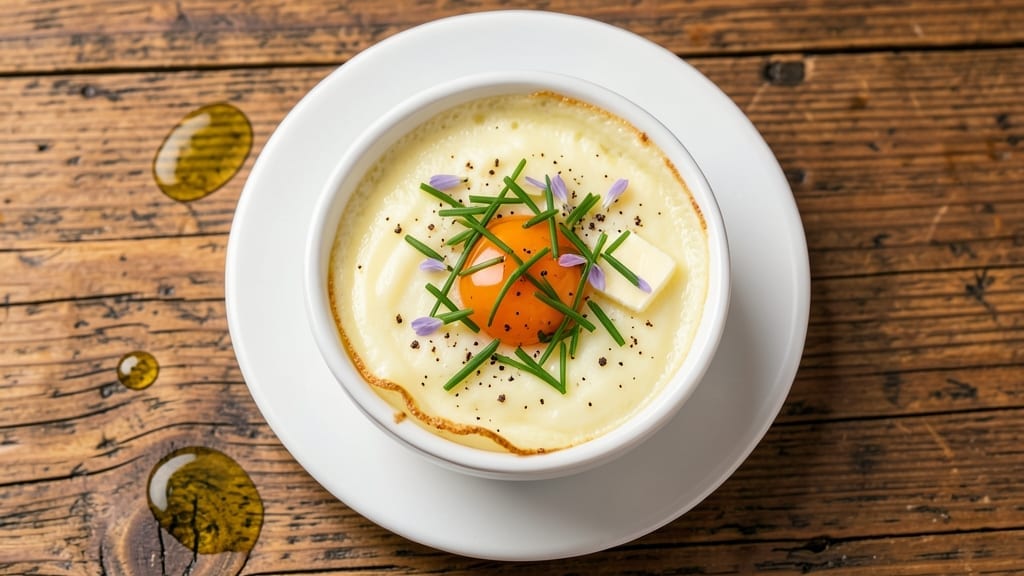
A 1 egg omelette recipe transforms breakfast from routine to restaurant-quality with just 5 minutes of focused technique. This recipe delivers the perfect balance of tender, custardy texture and delicate fluffiness—no flipping required.
The secret lies in precise heat control and constant motion, creating an omelette so light it practically melts in your mouth. I’ve perfected this method after years of trial and error, ensuring even beginners can achieve professional results every time.
The beauty of this approach is its simplicity: no special ingredients, no complicated equipment, just one egg and a nonstick pan. We’ll use medium-low heat to prevent browning while maintaining gentle movement to create those signature tiny curds.
This method works beautifully with classic fillings like cheese, herbs, or sautéed vegetables, though the base recipe remains pure and versatile. The key is patience—letting the egg cook slowly at its own pace rather than rushing the process.
What you’ll end up with is an omelette that’s completely different from the American diner style—soft, creamy, and delicate, with a smooth finish that’s ready to be rolled or folded. The texture is so tender it practically dissolves on your tongue, yet it holds its shape perfectly when plated.
This technique proves that perfection doesn’t require complexity, just attention to detail and the right approach to heat.
Serve immediately with fresh herbs, a sprinkle of salt, or your favorite cheese for an elegant yet effortless breakfast. The possibilities for customization are endless while maintaining the core simplicity of the recipe. Let’s get started on mastering this fundamental culinary skill.
Ingredients for 1 egg omelette
Four eggs, one pan, and five minutes transform a simple breakfast into restaurant-quality perfection.
| Ingredient | Amount | Notes |
|---|---|---|
| Large Eggs 🥚 | 4 whole | Room temperature for even cooking |
| Unsalted Butter 🧈 | ½ tbsp | European-style preferred for higher smoke point |
| Diamond Crystal Kosher Salt 🧂 | ¼ tsp | Fine grain for delicate seasoning |
| Freshly Ground Black Pepper 🌶️ | ⅛ tsp | Freshly cracked for maximum aroma |
| Extra-Virgin Olive Oil 🫒 | ¼ tbsp | For pan coating if butter is unavailable |
| Fresh Chives 🌿 | 1 tbsp | Finely chopped for garnish |
| Grated Gruyère Cheese 🧀 | ¼ cup | Freshly grated for optimal melt |
| Nonstick Skillet 🍳 | 1 whole | 8-inch, well-seasoned preferred |
The eggs are the foundation—room temperature eggs cook more evenly, so take them out of the fridge 10 minutes before starting. European-style butter has a higher smoke point than American butter, which helps prevent browning at medium-low heat. I always buy Diamond Crystal kosher salt for its fine grain—it dissolves completely without graininess. Freshly ground pepper makes a noticeable difference in aroma, so invest in a small pepper grinder if you don’t already have one. The skillet is non-negotiable: a well-seasoned, 8-inch nonstick pan creates the ideal surface for delicate omelette cooking.
No butter? Extra-virgin olive oil works perfectly—just use half the amount since it has a lower smoke point. Swap Gruyère for Parmesan or sharp cheddar, but freshly grated is essential for proper melting. No chives? Fresh parsley or dill add vibrant color and freshness. For a completely vegetarian option (though already covered), ensure all cheeses are 100% vegetarian—some rennet may contain animal products. The key to substitutions is maintaining texture: softer cheeses like ricotta or feta won’t provide the same structure but can be used in smaller amounts for flavor.
Eggs should be used within 3 days of purchase for best texture, though they’ll keep for up to 1 week in the fridge. Store butter in its original packaging to prevent absorption of fridge odors. Cheese lasts 2 weeks when properly wrapped, but for maximum freshness, buy smaller quantities more frequently. The nonstick pan can be used repeatedly—just clean it thoroughly after each use to maintain its seasoning. These ingredients are all pantry staples that you’ll use regularly, so invest in quality versions that elevate this simple preparation.
Why You’ll Love This Recipe
- Here’s what sold me: the way the olive oil and butter work together to make the egg taste richer than it should. A pinch of salt and pepper? That’s all it takes to turn a basic egg into something that feels like a little treat.
- I’ll be real: this recipe costs me about 50 cents per serving. One egg, a tiny bit of butter, and that’s it. Not the prettiest, but the taste makes up for it—and my wallet thanks me every time.
Step-by-step instructions for perfect single-egg omelettes
Master this technique and you’ll achieve silky, fluffy omelettes every time—no flipping required.
Prepare the Eggs and Seasonings
Crack all 4 whole Large Eggs into a bowl and add the 0.25 tsp Diamond Crystal Kosher Salt and 0.125 tsp Freshly Ground Black Pepper. Whisk vigorously with a fork or small whisk until the mixture becomes uniform and slightly frothy. This aeration creates tiny air pockets that transform into the omelette’s signature fluffiness.
I like to use room-temperature eggs for this recipe—they whip up more smoothly and cook more evenly. If your eggs are straight from the fridge, let them sit at room temperature for 10-15 minutes before starting. The seasoning should be evenly distributed throughout the egg mixture, with no visible salt or pepper grains.
Heat the Skillet and Melt the Butter
Place the 1 whole Nonstick Skillet over medium-low heat (around 300°F). Add the 0.5 tbsp Unsalted Butter and let it melt completely, swirling occasionally to coat the pan evenly. You want the butter to foam gently but not brown—this ensures a delicate, buttery flavor without any bitterness.
Here’s the thing—if you see the butter browning before it’s fully melted, reduce the heat slightly. European-style butter has a higher smoke point, but even it can burn if the pan is too hot. The butter should coat the bottom of the pan with a thin, even layer when you tilt it—this creates the perfect nonstick surface for your omelette.
Cook the Omelette to Silky Perfection
Pour the egg mixture into the skillet, tilting the pan slightly to distribute the eggs evenly. Let them cook undisturbed for 2-3 minutes until the edges begin to set and the top still appears slightly runny. This is where patience pays off—the longer you let it cook undisturbed, the more even and fluffy the omelette will become.
Once the edges are set but the center remains soft, sprinkle half of the 0.25 cup Grated Gruyère Cheese evenly over the surface. The cheese should begin to melt immediately, creating pockets of gooey goodness. Resist the urge to flip—this technique produces a perfectly cooked omelette without the risk of breaking it.
Fold and Finish with Chives
When the top is mostly set but still slightly moist (about 30-45 seconds after adding the cheese), use a spatula to gently fold the omelette in half. The runny center will create a creamy filling as it finishes cooking. Transfer to a warm plate and immediately sprinkle with the remaining 0.25 cup Grated Gruyère Cheese and 1 tbsp Fresh Chives.
The chives add a bright, fresh contrast to the rich eggs and cheese. For extra flair, I sometimes drizzle a tiny amount of the 0.25 tbsp Extra-Virgin Olive Oil over the top—it enhances the Gruyère’s nutty flavor while adding a touch of Mediterranean brightness. Serve immediately while the cheese is still melting and the eggs are warm.
Repeat for Perfect Results Every Time
Wipe the skillet clean with a paper towel and repeat the process with the remaining eggs. The key to success lies in maintaining consistent heat—if the pan gets too hot between omelettes, reduce the temperature slightly. Each omelette should take approximately 4-5 minutes from start to finish, including the folding step.
This method yields four perfect single-egg omelettes with minimal effort. The secret lies in the precise heat control and the patience to let the eggs cook undisturbed until they’re nearly set. The result is a restaurant-quality omelette that’s light, fluffy, and packed with flavor—ready in just 5 minutes per serving.
Pro Tips For Making 1 Egg Omelette
- Use a 6-inch pan: A 6-inch nonstick skillet is the sweet spot for a single egg—too big, and the omelette spreads too thin; too small, and it gets crowded. I’ve tried both extremes, and this size actually lets you fold it cleanly without losing any filling in the process.
- Whisk until no streaks: Beat that egg like you’re trying to win a mixing contest—no streaks, no lumps, just smooth and uniform. I used to rush this, and the result was a rubbery, uneven omelette. Take the 10 seconds to get it right, and the texture will be silky.
- Butter matters—use ½ teaspoon: Too little, and the egg sticks; too much, and it turns into a greasy mess. Half a teaspoon of unsalted butter in a hot pan gives you that perfect golden crust without drowning the egg. (And yes, even if you’re impatient like me, let it melt fully before adding the egg.)
- Salt before folding: Season the egg with a pinch of kosher salt before cooking—it distributes evenly and seasons the whole omelette, not just the outside. I learned this after making a batch that tasted bland in the center. Trust me, a little upfront salt makes all the difference.
Troubleshooting this dish
Butter Browning Too Fast
If your butter starts browning before the eggs are ready, immediately reduce the heat to low and give it 30 seconds to stabilize. European-style butter has a higher smoke point, but even it can burn if the pan exceeds 325°F.
I’ve found that Plug-in Digital Thermometers like the Thermoworks SousVide help monitor pan temperature precisely—aim for 300°F for perfect butter control. 🌡️
Eggs Cooking Too Fast
When eggs cook too quickly, they develop a rubbery texture instead of staying fluffy. This usually happens with high heat or an overcrowded pan. For single-egg omelettes, use medium-low heat and never cook more than one egg at a time in your 8-inch nonstick skillet.
If your stove runs hot, try preheating the pan for only 1 minute before adding butter.
Omelette Breaking When Folding
The most common cause is overcooking before folding. Your omelette should still have a slightly runny center when you fold it—this creates the creamy texture. If it’s fully set, it’ll crack when folded.
I recommend using a flexible silicone spatula for folding, as metal ones can tear delicate omelettes. Practice makes perfect—start with the edges and work toward the center.
Cheese Not Melting Properly
Some cheeses like Parmesan or feta won’t melt as smoothly as Gruyère. For better results, use freshly grated cheese and add it just before folding—this gives the heat from the eggs a chance to work its magic.
If your cheese is pre-shredded, pulse it in a food processor to break up any anti-caking agents. For extra meltiness, sprinkle cheese on both the top and bottom of the omelette before folding.
Omelette Sticking to Pan
Even with nonstick pans, omelettes can stick if the butter isn’t properly melted or the pan isn’t hot enough. Make sure your butter is completely melted and foaming before adding eggs.
I’ve had the best results with well-seasoned cast iron pans—just use a tiny bit of butter (¼ tsp) and maintain medium-low heat. If it starts sticking, gently lift and tilt the pan to help release it without breaking the omelette.
Uneven Cooking
Uneven cooking usually means your heat source isn’t consistent. Gas stoves can create hot spots, so rotate your pan occasionally during cooking. Electric stoves often provide more even heat, but if you notice one side cooking faster, reduce heat slightly.
For extra insurance, use a pan lid to create a gentle steam environment that cooks the omelette more evenly from all sides. 💡
Nutrition facts
Frequently asked questions
Can I make a single-egg omelette without cheese?
The base recipe works beautifully without cheese—just skip the Gruyère and focus on perfecting the egg texture. For extra flavor, try adding finely chopped herbs like chives, parsley, or dill right before folding. The key is maintaining that medium-low heat and letting the egg cook undisturbed until nearly set.
What’s the best pan for single-egg omelettes?
An 8-inch nonstick skillet is ideal for single-egg omelettes, but a well-seasoned cast iron pan works too—just use less butter (¼ tsp). Avoid stainless steel unless it’s well-seasoned, as eggs tend to stick. The pan should be hot enough to melt butter but not so hot that it burns before the eggs are ready.
How do I keep my omelette from breaking when I fold it?
Fold when the center is still slightly runny (30-45 seconds after adding cheese). Use a flexible silicone spatula and start with the edges, working toward the center. Overcooking before folding is the #1 cause of cracks—patience is key! Practice makes perfect, and even professionals sometimes need 2-3 tries to get it right.
Can I make this ahead of time?
Fresh is best, but you can prepare components ahead: whisk eggs with seasoning and store in the fridge for 1 day, or grate cheese and chop herbs in advance. For serving, reheat gently in a warm pan for 10-15 seconds—never microwave, as it makes eggs rubbery. The texture suffers when reheated, so make them fresh whenever possible.
What’s the secret to fluffy texture?
The magic happens in two steps: whisking eggs vigorously (to incorporate air) and medium-low heat (to cook slowly). Let the eggs set undisturbed for 2-3 minutes before adding cheese. This creates tiny curds that give the classic fluffy texture. The butter must be melted but not browned—this ensures even cooking without burning.

- 6 Egg Cake Recipe with Oil: Light as Air With Buttery Moisture - October 4, 2026
- 4 Bean Casserole Recipe: One-Pan Heartiness With Smoky Paprika Depth - October 4, 2026
- 3-Ingredient Keto Mug Cake Recipe: Microwave Magic in 2 Minutes - October 4, 2026