
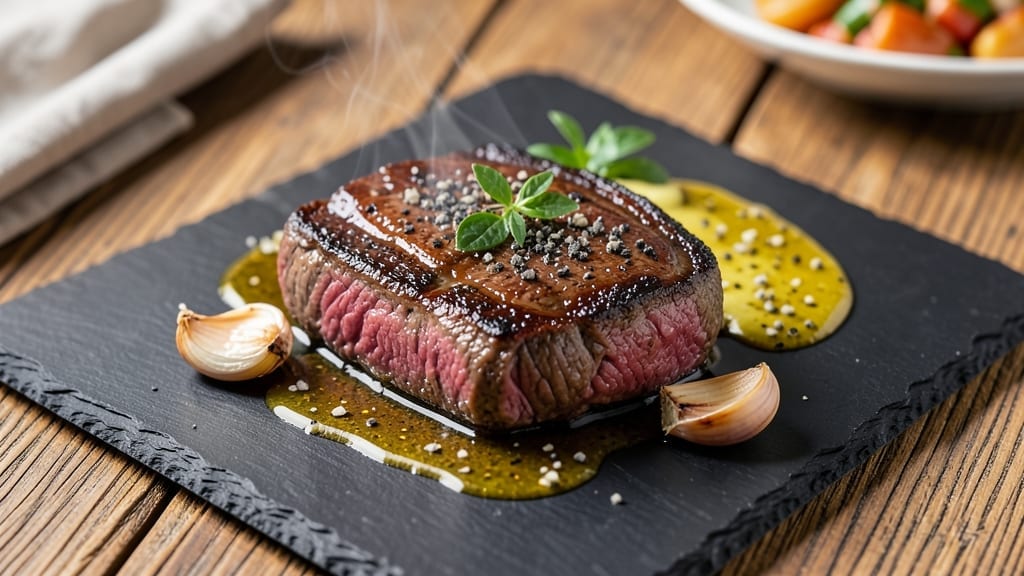
Mastering a 1-inch steak with a perfect crust and juicy pink center is all about precision timing and technique. This recipe delivers restaurant-quality results at home, whether you’re cooking a ribeye, sirloin, or New York strip.
The key lies in high-heat searing followed by controlled finishing to hit that ideal 125–135°F internal temperature—every time.
Start with a properly seasoned steak and let it rest before cooking to ensure even heat distribution. A cast-iron skillet or heavy pan is essential for achieving that coveted caramelized crust while keeping the interior tender.
Reverse searing is the foolproof method for thicker cuts, ensuring the outside crisps up without overcooking the center.
What you’ll achieve is a steak with a crispy, golden-brown exterior and a melt-in-your-mouth interior that’s still vibrant pink. The resting period is just as critical—it redistributes juices for maximum flavor in every bite.
Serve with a classic red wine reduction or a sprinkle of flaky sea salt for that final touch of sophistication.
This method works for any 1-inch steak, making it versatile for weeknight dinners or special occasions. Pair with roasted garlic mashed potatoes or a fresh arugula salad to complete the meal. Let’s get started on perfecting your steak game!
Ingredients for 1 inch steak
Precision-cut steaks and high-quality seasonings deliver restaurant-quality results at home.
| Ingredient | Amount | Notes |
|---|---|---|
| Ribeye Steak (or Sirloin/New York Strip) 🥩 | 1 ½ lb | 1-inch thick cuts, trimmed of excess fat |
| Kosher Salt 🧂 | 1 ½ tbsp | Diamond Crystal preferred, freshly ground |
| Freshly Ground Black Pepper 🌶️ | 1 ½ tsp | Coarse grind for texture |
| Extra-Virgin Olive Oil 🫒 | 2 tbsp | High smoke point, fruity variety |
| Unsalted Butter 🧈 | 2 tbsp | European-style preferred, cold |
| Garlic Cloves 🧄 | 4 cloves | Smashed, skin-on for flavor |
| Fresh Rosemary 🌿 | ½ tsp | Finely chopped, fresh preferred |
| Fresh Thyme Leaves 🌿 | ½ tsp | Stems removed, fresh preferred |
| Flaky Sea Salt 🧂 | 1 tsp | For finishing, Maldon preferred |
| Red Wine 🍷 | ½ cup | Bold variety, dry and full-bodied |
| Heavy Cream 🥛 | ¼ cup | Full-fat for richness |
| Dried Parsley 🌿 | 1 tsp | For garnish, finely chopped |
The steak cut is non-negotiable—ribeye, sirloin, or New York strip, all 1-inch thick. Whole Foods or high-end butchers carry ideal cuts, often pre-trimmed for convenience. Look for marbling in the meat, which ensures juiciness. If buying frozen, thaw overnight in the fridge—never at room temperature. Seasoning matters too: Diamond Crystal kosher salt dissolves better than table salt, and freshly ground black pepper adds texture. For the wine reduction, Cabernet Sauvignon or Merlot work best—avoid sweet varieties.
No ribeye? Sirloin or New York strip are excellent substitutes, though ribeye has more marbling. Running short on fresh herbs? Dried rosemary and thyme work at half the amount, but fresh is ideal. The butter should be cold and European-style—it crisps beautifully during searing. For the wine reduction, beef broth with a splash of balsamic works in a pinch, though wine adds depth. If you prefer a different finish, brown butter with a touch of honey (for non-vegan) creates a caramelized crust without wine. Always taste the seasoning before cooking—adjust salt and pepper as needed.
Steaks should rest 5-10 minutes after cooking—this redistributes juices for maximum tenderness. Store leftovers in an airtight container for 3-4 days in the fridge, though steaks are best enjoyed fresh. The wine reduction keeps for 1 week refrigerated, or 3 months frozen in ice cube trays. For reheating, warm gently in a skillet over low heat—microwaving toughens the meat. Always let steaks return to room temperature before cooking for even searing.
Why You’ll Love This Recipe
- Pan-Seared Perfection: I swear by this method—just oil, salt, and butter. The steak hits the pan, sizzles for 2 minutes per side, and finishes with a pat of butter that melts into pure, savory richness. No fancy gadgets, no stress.
- Butter-Basted Magic: That moment when the butter pools on the steak? It’s like a flavor explosion. The salt and pepper stay sharp, the olive oil keeps it tender, and the butter adds this irresistible, caramelized richness that makes every bite feel like a reward.
- Weeknight or Date Night: Honestly, this steak works for both. Toss it on the grill for a summer BBQ or sear it indoors when you’re craving something special. The 1-inch thickness means it cooks fast—no waiting around—so you’re not stuck in the kitchen all night.
- Leftovers? Please.: The steak actually tastes better the next day. Slice it thin, add to salads, or serve it in sandwiches. Between us, I’ve reheated these leftovers in a cast-iron skillet with a splash of water, and it’s still juicy and delicious. Budget-friendly and foolproof.
Step-by-step instructions for pan-seared steak with juicy pink centers
Mastering this technique ensures a perfectly seared crust while preserving that melt-in-your-mouth tenderness.
Prepare the Steak for Maximum Flavor Development
Remove the ribeye steak from the refrigerator and let it sit at room temperature for 30-45 minutes before cooking. This crucial step ensures even cooking throughout the 1-inch thick cuts. While it rests, pat the steak dry completely with paper towels—moisture is the enemy of a good sear. You want the surface bone dry for maximum crust formation.
In a small bowl, combine the 1.5 tablespoons kosher salt and 1.5 teaspoons freshly ground black pepper. Generously season both sides of the steak with this mixture, pressing the salt crystals into the meat. This dry brine will penetrate the surface, enhancing flavor and helping retain juices during cooking. Let the seasoned steak rest uncovered on a wire rack for 15 minutes while you prepare your pan.
Create the Perfect Searing Environment
Place a heavy skillet—cast iron works best—over medium-high heat until it’s smoking hot. Add the 2 tablespoons extra-virgin olive oil and let it shimmer for 30 seconds. The oil should be hot enough to sizzle when you touch a drop of water to it. This high heat is essential for developing that coveted crust.
While the pan heats, finely chop the 4 garlic cloves (leave skins on), 0.5 teaspoon fresh rosemary, and 0.5 teaspoon fresh thyme leaves. Set these aside for the finishing sauce. The key here is patience—don’t rush the heating process. You’re building the foundation for that perfect sear that will lock in all those juices.
Sear the Steak to Golden Perfection
Carefully place the steak in the hot pan, away from you to avoid oil splatter. Let it sit undisturbed for 2-3 minutes until a deep golden-brown crust forms. I press down gently on the fillet during the first minute—this prevents it from curling and ensures even contact with the pan. You’ll know it’s ready to flip when the steak releases easily from the pan.
Flip the steak and add the 2 tablespoons cold unsalted butter to the pan. The butter will foam and bubble vigorously—this is normal and actually helps create a flavorful crust. Cook for another 2-3 minutes on the second side, then flip once more to baste the top with the rendered butter. For medium-rare doneness, the internal temperature should reach 130-135°F when measured with an instant-read thermometer.
Build the Herb Wine Sauce
Remove the steak from the pan and let it rest on a warm plate or cutting board. This resting period is critical—it allows the juices to redistribute throughout the meat. While it rests, reduce the heat to medium and add the chopped garlic, rosemary, and thyme to the pan. Sauté for 30 seconds until fragrant.
Pour in the 0.5 cup red wine and scrape up all the browned bits from the bottom of the pan with a wooden spoon. These flavorful fond bits are packed with concentrated beef flavor. Let the wine simmer for 2-3 minutes until reduced by half. Then stir in the 0.25 cup heavy cream and simmer for another 1-2 minutes until the sauce thickens slightly. Season with 1 teaspoon flaky sea salt and 1 teaspoon dried parsley.
Rest and Serve for Optimal Tenderness
Let the steak rest for 5-10 minutes before slicing—this is where the magic happens. The meat will continue to cook slightly during this time, reaching its perfect internal temperature. When ready, slice the steak against the grain into ¼-inch thick pieces for maximum tenderness.
Serve immediately with the herb wine sauce spooned over the top. The steak should have a beautiful crust on the outside and a perfect pink center that yields slightly when pressed. Each bite should deliver that perfect balance of seared exterior and juicy interior—this is what separates good steak from exceptional steak.
Pro Tips For Making 1 Inch Steak
- Use Two Zones: Cast iron gets too hot too fast—start with high heat for the crust, then move the steak to the cooler side of the pan for the finish. I learned this the hard way after charring the outside and leaving the middle cold.
- Salt Before Searing: Generously coat the steak with salt before it hits the pan—it seasons deeper and prevents a bland crust. Skip this, and you’re just sprinkling salt on top like you’re seasoning fries.
- Butter at 120°F: Add the butter and aromatics when the steak’s halfway done—around 120°F internal. If you toss it in too early, the butter burns before the steak’s ready to baste.
- Rest Under Foil: Tent the rested steak with foil for the last 2-3 minutes of resting—keeps it warm while you plate. I used to skip this, and the steak would cool unevenly, ruining the texture.
Perfect pairings for this 1 inch steak
Classic Red Wine Sauce
The herb wine sauce in this recipe is the perfect complement to your perfectly seared steak. The 0.5 cup bold red wine (like Cabernet Sauvignon or Merlot) reduces into a rich, velvety sauce that enhances the beef’s natural flavors.
I always scrape up those browned bits from the pan—this fond is packed with concentrated beef flavor that transforms a simple sauce into something extraordinary. 🍷
Creamy Garlic Mashed Potatoes
For a luxurious pairing, serve your steak with creamy garlic mashed potatoes. Use Yukon Gold potatoes boiled until tender, then mashed with butter, warm milk, roasted garlic, and a touch of cream cheese for extra richness.
The velvety texture contrasts beautifully with the steak’s crust, while the garlic adds a subtle depth that ties everything together. I like to finish them with a sprinkle of fresh chives for brightness.
Fresh Arugula Salad
A peppery arugula salad with lemon vinaigrette cuts through the richness of the steak beautifully. Toss 4 cups baby arugula with 2 tbsp extra-virgin olive oil, 1 tbsp fresh lemon juice, 1 tsp Dijon mustard, and a pinch of flaky sea salt.
Add thinly sliced radishes and toasted pine nuts for crunch. The acidity from the lemon helps cleanse your palate between bites of rich steak. 🥗
Grilled Asparagus
For a lighter yet equally impressive side, try grilled asparagus with a drizzle of balsamic glaze. Toss 1 bunch asparagus (trimmed) with 1 tbsp olive oil, ½ tsp salt, and ¼ tsp black pepper, then grill over medium-high heat for 4-5 minutes until tender-crisp.
Finish with a splash of reduced balsamic vinegar and a sprinkle of Parmesan cheese. The smoky char pairs perfectly with the steak’s crust.
Crusty Bread with Compound Butter
No steak dinner is complete without crusty bread to soak up those delicious sauces. I love using a baguette or sourdough, lightly toasted and served with herb compound butter.
Mix 4 tbsp softened butter with 1 minced garlic clove, 1 tbsp chopped parsley, and a pinch of salt. Spread generously on warm bread slices—it’s the perfect way to enjoy every last bit of flavor from your meal. 🥖
Beverage Pairings
To elevate your steak dinner, pair it with a bold red wine like Cabernet Sauvignon or Malbec, which complement the rich beef flavors. For non-alcoholic options, try a sparkling water with lemon or a craft soda like Meyer Lemon to refresh your palate.
If you prefer beer, a dark lager or amber ale with caramel notes adds a malty contrast that works surprisingly well. 🍺
Nutrition facts
Frequently asked questions
Why does my 1-inch steak turn out tough instead of tender?
Overcooking is the #1 culprit! For 1-inch thick steaks, aim for 125-135°F internal temp (medium-rare). Use a meat thermometer to avoid guesswork. Also, never skip the 5-10 minute rest—this lets juices redistribute. For extra tenderness, try reverse searing: bake at 275°F until 110°F internal, then sear in a hot pan.
Can I cook a 1-inch steak without a thermometer?
Yes, but it takes practice! For medium-rare, sear 2-3 minutes per side in a screaming-hot pan with 2 tbsp butter added halfway. The butter should foam but not burn. Press gently with tongs—if it springs back, it’s ready. For 1-inch steaks, the center should still feel cool to touch when done.
What’s the best cut for a 1-inch steak?
The top choices are ribeye (most marbling), New York strip (leaner but beefy), and sirloin (budget-friendly). For 1-inch thickness, ribeye delivers the juiciest results thanks to its fat content. If you prefer less fat, go for strip steak. Always ask your butcher to cut it precisely—1-inch thick is critical for even cooking.
How do I fix an overcooked 1-inch steak?
Unfortunately, you can’t reverse toughness, but you can salvage flavor. Slice thinly against the grain and serve with a rich sauce (like the wine reduction in this recipe) or creamy mashed potatoes to help break it down. For future steaks, always use medium-high heat and cook only until 130°F internal—it’ll continue cooking while resting.
Can I cook a 1-inch steak on the grill instead of pan-searing?
Preheat your grill to 450-500°F and oil the grates well. Sear 2-3 minutes per side for medium-rare, then move to indirect heat to finish. For 1-inch steaks, the reverse sear method works best: grill over indirect heat until 110°F internal, then sear on high heat. Use a grill thermometer to maintain precise temps.

- 3lb Prime Rib Roast Recipe: Juicy Pink Center Guaranteed in 3 Hours - October 31, 2026
- 5 Spice Cake Recipe: Warmly Spiced Layers With Crunchy Top - October 31, 2026
- 1950’s Macaroni and Cheese Recipe: Nostalgic Creamy Cheese Sauce with Buttery Noodles - October 31, 2026