
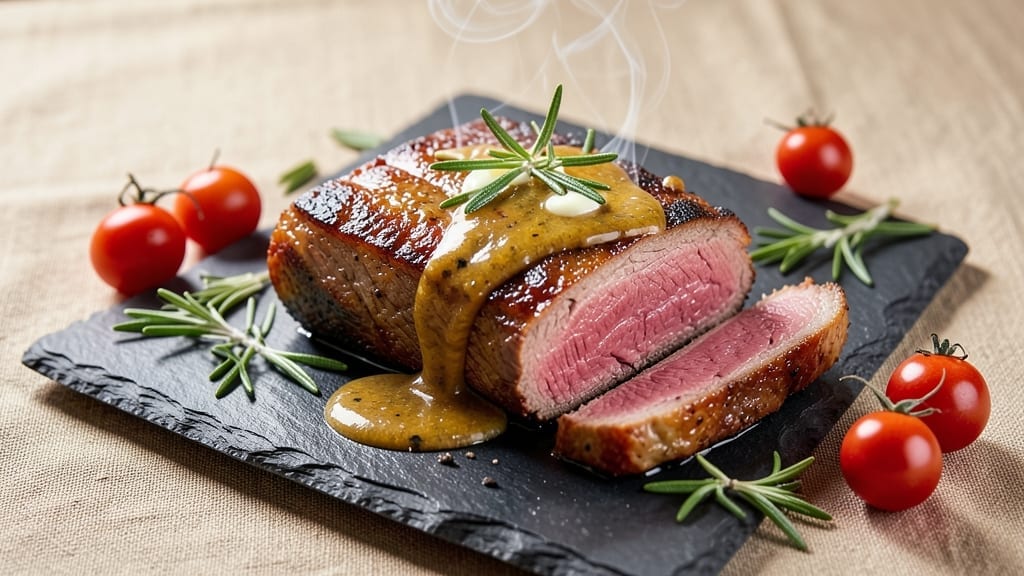
A perfectly cooked 1 lb beef tenderloin transforms a weeknight dinner into a restaurant-worthy experience—juicy, tender, and impossible to resist. This recipe delivers medium-rare mastery in just 45 minutes, using simple techniques that guarantee foolproof results every time.
The secret lies in precise temperature control and proper resting, ensuring that each bite stays succulent and flavorful.
The beauty of this method is its simplicity: no fancy equipment required, just a reliable thermometer and a hot pan or grill. Seasoning with just salt and pepper allows the natural richness of the beef to shine, while a quick sear locks in those juices.
What you’ll achieve is a perfectly pink center with a caramelized crust, making it the star of any meal.
Pair this tenderloin with roasted potatoes or a fresh salad for a complete, elegant dinner that feels special without the fuss. The key is patience—letting the meat rest after cooking ensures every slice stays juicy and delicious. This is the kind of recipe that elevates everyday cooking to something extraordinary.
Whether you’re grilling, pan-searing, or roasting, this method works perfectly for a 1 lb portion, making it ideal for two people or leftovers. The instructions are straightforward, and the results are always impressive. Let’s get started on creating your most tender beef tenderloin yet.
Ingredients for 1 lb beef tenderloin
Simple yet precise ingredients for restaurant-quality beef tenderloin perfection.
| Ingredient | Amount | Notes |
|---|---|---|
| Beef Tenderloin 🥩 | 1 lb | Center-cut, trimmed of silver skin |
| Kosher Salt 🧂 | 1 ½ tsp | Diamond Crystal preferred, freshly ground |
| Freshly Ground Black Pepper 🌶️ | ½ tsp | Cracked peppercorns for optimal flavor |
| Extra-Virgin Olive Oil 🫒 | 1 tbsp | High smoke point, fruity variety |
| Unsalted Butter 🧈 | 1 tbsp | Cold, cubed for basting |
| Fresh Rosemary 🌿 | 2 sprigs | Thin stems removed, leaves intact |
| Garlic Cloves 🧄 | 2 cloves | Smashed, skin-on for aroma |
| Meat Thermometer 📏 | 1 whole | Instant-read, calibrated |
| Heavy-Duty Aluminum Foil 📄 | 1 sheet | For resting, 18-inch size |
The beef tenderloin is the star—center-cut ensures maximum tenderness, while trimming the silver skin guarantees a clean finish. Local butchers often carry premium cuts, but major grocery stores like Whole Foods or Kroger stock high-quality tenderloins. Look for vibrant color and good marbling, as these indicate freshness and flavor. The 1 lb portion is ideal for two servings, leaving room for leftovers. If you can’t find a 1 lb cut, a slightly larger piece can be trimmed to size—just ensure the diameter is consistent for even cooking.
Salt and pepper are non-negotiable for this recipe—Diamond Crystal kosher salt dissolves perfectly, while freshly cracked peppercorns add depth. No extra-virgin olive oil? Avocado oil works equally well for high-heat searing. The rosemary and garlic add aromatic complexity without overpowering the beef’s natural richness. For a herb-free version, omit them entirely—this recipe thrives on simplicity. If you’re grilling, preheat the grill to 450°F for that perfect sear, while pan-searing requires a heavy cast-iron skillet to maintain even heat.
Resting the beef is critical—10-15 minutes on a warm plate ensures juices redistribute for maximum tenderness. The thermometer should read 130°F for medium-rare (135°F for medium). Store leftovers in an airtight container for up to 3 days, or freeze for 3 months. For reheating, use low heat or a microwave on defrost setting to preserve moisture. This method delivers foolproof results every time—no fancy techniques required, just precision and patience.
Why You’ll Love This Recipe
- I swear by this: just a quick dry rub of salt and pepper, then a sear in olive oil. No marinating, no fussing—just 15 minutes of hands-off roasting while I set the table.
- No-Fuss Prep: I swear by this: just a quick dry rub of salt and pepper, then a sear in olive oil. No marinating, no fussing—just 15 minutes of hands-off roasting while I set the table.
- Butter-Basted Magic: That moment when the butter baste hits the pan? Pure satisfaction. The tenderloin stays juicy inside, crisp on the outside—like a steakhouse finish without the pretension.
- Weeknight or Dinner Party: Same recipe, two vibes. Serve it sliced with roasted potatoes for a lazy Tuesday, or platter-style with crusty bread for guests. (Yes, even on a Tuesday night.)
Step-by-step instructions for perfectly cooked beef tenderloin
Master this technique and you’ll achieve a tender, juicy center-cut roast every time.
Prepare the Beef Tenderloin
Remove the beef tenderloin from the refrigerator and pat it completely dry with paper towels. This drying step is critical—it ensures maximum crispness on the exterior while maintaining juiciness inside. I like to work with the meat at room temperature, so let it sit uncovered on a wire rack for 30 minutes while you prepare everything else.
While the meat is coming to temperature, create a simple seasoning blend using the 1.5 teaspoons kosher salt and 0.5 teaspoon freshly ground black pepper. I prefer Diamond Crystal kosher salt for its coarse texture, which adheres better to the meat’s surface. Rub this mixture generously over all sides of the tenderloin, pressing firmly to create a flavorful crust. The salt will penetrate slightly during this time, enhancing both flavor and moisture retention.
Sear the Tenderloin for Color and Flavor
Heat a heavy oven-safe skillet over medium-high heat until it’s very hot. Add the 1 tablespoon extra-virgin olive oil and let it shimmer for 30 seconds. Place the seasoned tenderloin in the skillet, turning it to sear on all sides. You want to develop a deep golden-brown crust, which adds both visual appeal and concentrated flavor. This should take about 3-4 minutes per side.
Here’s the thing—don’t move the meat around constantly. Let it sit undisturbed for 1-2 minutes on each side so it develops that beautiful crust. I press down gently on the fillet during the first minute to prevent it from curling and ensure even contact with the pan. Once you see the edges start to crisp, it’s time to flip. The searing process should leave you with about 2 tablespoons of rendered fat in the pan—this will become part of your basting liquid.
Roast to Perfect Medium-Rare
Preheat your oven to 425°F while the tenderloin is searing. When the meat has developed a good crust on all sides, transfer the skillet to the preheated oven. Add the 1 tablespoon cold unsalted butter, the 2 sprigs fresh rosemary, and the 2 smashed garlic cloves to the skillet. The butter will baste the meat as it roasts, adding richness and aroma.
Roast the tenderloin for 15-20 minutes, depending on the thickness of your cut. This is where precision matters most. Use the meat thermometer to check the internal temperature—it should reach 120°F for medium-rare. The reason we aim for this temperature is that beef continues to cook slightly as it rests, bringing it to the ideal 130-135°F range when served. Don’t overcook; once it hits 120°F, remove it immediately from the oven.
Rest and Slice for Maximum Juiciness
Transfer the tenderloin to a cutting board and tent loosely with the heavy-duty aluminum foil. Let it rest for 10-15 minutes before slicing. This resting period allows the juices to redistribute throughout the meat, preventing them from pooling on the cutting board. I know it’s tempting to cut into it immediately, but resisting this urge makes all the difference in the final texture.
When ready to serve, slice the tenderloin into ½-inch thick medallions against the grain. The grain direction will be visible on the cut surface—slice perpendicular to these lines for the most tender bite. Serve immediately with the pan juices spooned over the top, along with the aromatic rosemary and garlic from the roasting pan. Each slice should be perfectly pink in the center with a beautifully seared exterior.
Pro Tips For Making 1 Lb Beef Tenderloin
- Use a Meat Thermometer: DESCRIPTION: Beef tenderloin is unforgiving if you guess—it’ll go from perfect to dry in seconds. Aim for 125–130°F for medium-rare (yes, it’ll rise to 130–135°F while resting). I learned this the hard way after slicing into a steak that was still pink inside but already tough.
- Pat It Bone-Dry: DESCRIPTION: No one likes a soggy crust, and tenderloin is especially prone to it. Grab paper towels and really dry the surface before searing—even if it feels obsessive. Wet spots turn to steam instead of a golden crust, and that’s the one thing you can’t fix later.
- Sear in Butter, Finish in Oil: DESCRIPTION: Start with 1 tablespoon butter + 1 tablespoon olive oil in your pan—fat renders better and adds flavor. Once the steak is browned, add another 1 tablespoon olive oil to keep the heat stable without burning. Butter burns fast; oil doesn’t.
- Rest Under Foil: DESCRIPTION: Skip the tented foil trick—just wrap the steak loosely in foil for 5–10 minutes while it rests. This keeps it warm without trapping moisture, so you don’t end up with a sad, damp slice. (Your future self will thank you.)
Perfect pairings for this recipe
Classic Side Dishes
For a complete meal, I always serve this beef tenderloin with creamy mashed potatoes—their buttery texture contrasts beautifully with the tender meat. Use Yukon Gold potatoes boiled until fork-tender, then mashed with ½ cup warm heavy cream, 2 tablespoons unsalted butter, and a pinch of salt.
For extra richness, fold in ¼ cup grated Parmesan cheese at the end. 🥔
A roasted garlic and herb rainbow carrot medley adds vibrant color and natural sweetness. Toss 1 lb rainbow carrots (halved lengthwise) with 1 tablespoon olive oil, 1 teaspoon honey, and ½ teaspoon dried thyme.
Roast at 400°F for 25 minutes until caramelized. The sweetness complements the beef’s savory notes perfectly.
Wine Pairings
I reach for a bold Cabernet Sauvignon when serving beef tenderloin—its dark fruit flavors and firm tannins stand up to the rich, tender meat. A Napa Valley Cabernet like Castello di Amorosa or Opus One offers perfect balance.
For something lighter, a Malbec from Argentina provides juicy plum notes that enhance the dish without overpowering it. 🍷
If you prefer white wine, a full-bodied Chardonnay with 14-16% alcohol works surprisingly well. Look for one with oaky notes like Kendall-Jackson Grand Vintage—the buttery undertones mirror the beef’s richness. Avoid delicate whites like Sauvignon Blanc, as their acidity clashes with the meat’s intensity.
Beer Pairings
A Belgian Dubbel like Westmalle Tripel or Chimay Blue brings malty sweetness and spice that pairs wonderfully with the beef’s caramelized crust. The beer’s complex flavors cut through the richness, cleansing your palate between bites. For a lighter option, a German Helles Lager provides crispness without overpowering the dish. 🍺
If you’re grilling, I recommend a smoked porter—its deep, toasty notes complement the charred exterior of the tenderloin. Brands like Founders Kentucky Breakfast Stout (though technically not a porter) or Deschutes The Abyss offer that perfect smoky depth.
Avoid hoppy IPAs, as their bitterness can compete with the beef’s natural flavors.
Garnish & Finishing Touches
Just before serving, I drizzle the beef medallions with reduced balsamic glaze—simmer ¼ cup balsamic vinegar with 1 tablespoon honey until syrupy. The tangy-sweet contrast elevates the dish instantly. For a herbaceous finish, sprinkle with fresh thyme leaves or chopped parsley right before plating. 🌿
For an extra touch of elegance, add crispy fried shallots to the pan juices before spooning them over the beef. Their golden crunch and mild onion flavor add texture and depth.
Store-bought fried shallots like Kikkoman work in a pinch, but homemade (fried in avocado oil until golden) taste even better.
Nutrition facts
Frequently asked questions
Can I cook a 1 lb beef tenderloin without an oven?
For a stovetop-only method, sear the beef in a heavy skillet over medium-high heat until browned (about 3-4 minutes per side). Then reduce heat to medium-low, cover with a lid, and cook until the internal temperature reaches 120°F (about 10-15 minutes). The lid creates steam, helping the meat cook evenly without drying out.
How do I know when my 1 lb beef tenderloin is done?
Use a meat thermometer for precision: 120°F for medium-rare (target before resting), 130°F for medium, or 140°F for well-done. The resting period (10-15 minutes) will raise the temperature 5-10°F. Never rely on time alone—thickness varies, and overcooking ruins the texture.
Why does my beef tenderloin turn out dry?
Overcooking is the #1 cause! Remove the meat immediately when it hits your target temperature, then let it rest. Another mistake is cutting into it too soon—juices need 10-15 minutes to redistribute. For extra moisture, baste with butter during roasting or marinate for 30-60 minutes before cooking.
What’s the best way to store leftovers?
Slice the cooled tenderloin and store in an airtight container for up to 3 days in the fridge. For longer storage, freeze for 3 months. Reheat gently in a skillet with a splash of beef broth or wrap tightly in foil and warm in a 300°F oven until heated through. Never microwave uncovered—it dries out the meat.
Can I substitute herbs in this recipe?
Yes! Swap rosemary for thyme, sage, or even fresh parsley. For a bold flavor, try 1 teaspoon smoked paprika or ½ teaspoon garlic powder in the seasoning. Just remember: less-is-more with herbs—the beef’s natural flavor should shine.

- 3lb Prime Rib Roast Recipe: Juicy Pink Center Guaranteed in 3 Hours - October 31, 2026
- 5 Spice Cake Recipe: Warmly Spiced Layers With Crunchy Top - October 31, 2026
- 1950’s Macaroni and Cheese Recipe: Nostalgic Creamy Cheese Sauce with Buttery Noodles - October 31, 2026