
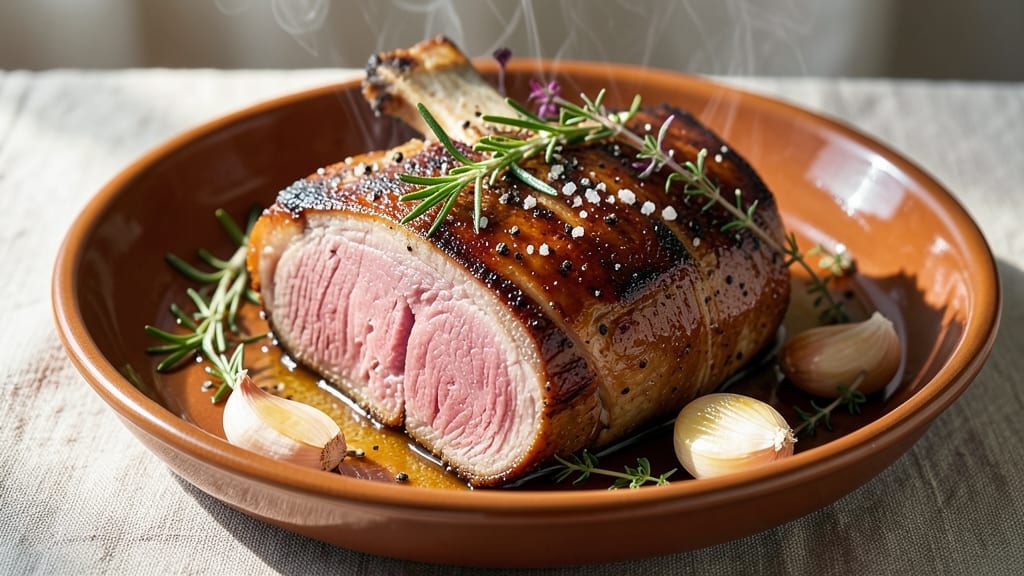
A 2-lb bone-in ribeye roast cooked with reverse-searing delivers restaurant-quality results at home—juicy, tender meat with a crispy crust that locks in every flavor. This technique transforms tough cuts into melt-in-your-mouth perfection by controlling temperature and timing.
I’ve perfected this method after countless experiments, and the difference is undeniable: no more dry, overcooked steak.
The process starts with a low-and-slow oven roast to even out the temperature, followed by a high-heat sear to create that coveted crust. You’ll need just a few hours and basic kitchen tools—no fancy equipment required.
The bone-in cut adds extra flavor and keeps the meat moist, while the reverse sear ensures a consistent doneness from edge to center.
By the time you slice into this roast, you’ll find a tender interior with a crispy exterior, all while maintaining that rich, beefy flavor. The crust will shatter slightly when cut, revealing juices that keep the meat succulent.
This method works equally well for family dinners or special occasions—just plan ahead for the resting time.
Pair it with classic sides like roasted potatoes or a bold red wine reduction to elevate the meal. The key is patience and precision, but the result is worth every minute. Let’s get started on your perfect roast.
Ingredients for 2 lb bone in ribeye roast
Nothing fancy—just a bone-in ribeye, bold spices, and patience for perfect crust.
| Ingredient | Amount | Notes |
|---|---|---|
| Bone-In Ribeye Roast 🥩 | 2 lb | Center-cut, 1-inch thickness preferred |
| Kosher Salt 🧂 | 1 ½ tbsp | Diamond Crystal preferred, coarse grain |
| Freshly Ground Black Pepper 🌶️ | 1 tbsp | Freshly cracked for maximum flavor |
| Garlic Cloves 🧄 | 4 cloves | Smashed for even distribution |
| Fresh Rosemary 🌿 | ½ oz | Sprigs, not ground, for aroma |
| Fresh Thyme 🌿 | ¼ oz | Sprigs, stems removed |
| Extra-Virgin Olive Oil 🫒 | 2 tbsp | High-quality, fruity variety |
| Yellow Onions 🧅 | 1 whole | Quartered, for aromatics |
| Carrots 🥕 | 2 medium | Peeled, cut into chunks |
| Red Wine 🍷 | ½ cup | Bold, dry variety like Cabernet |
| Beef Bone Broth 💧 | 1 cup | Homemade or high-quality store-bought |
| Butter 🧈 | 4 tbsp | Unsalted, softened for searing |
The ribeye is non-negotiable here. Look for a center-cut roast with good marbling—that white fat is what keeps it juicy. Costco or Whole Foods usually have excellent cuts, but check your local butcher shop too. The bone-in version adds depth of flavor, so don’t skimp. For the herbs, fresh is essential—dried won’t give you that same aromatic punch. If you can’t find fresh rosemary or thyme, substitute with 1 tsp dried each, but it won’t be the same. The garlic should be plump and firm, not shriveled. And trust me, Diamond Crystal kosher salt makes all the difference—it dissolves better than table salt.
No red wine? Beef broth with a splash of balsamic vinegar works in a pinch, but you’ll lose some complexity. The carrots and onions are just for flavor—they’ll dissolve into the pan, so don’t worry about exact amounts. If you’re feeling fancy, add a bay leaf to the roasting pan. For the butter, softened but not melted is key—it should hold its shape but still spread easily. The olive oil should be the good stuff, not the cheap stuff from the middle shelf. And if you’re really in a bind, substitute with avocado oil, but it won’t have that fruity depth. The bone broth can be homemade or store-bought, but avoid anything with artificial flavors.
This roast needs time to rest—at least 15 minutes after cooking. The crust will stay intact if you let it sit. Leftovers? 3-4 days in the fridge, but honestly, it’s that good you’ll eat it all. For reheating, low and slow in a skillet with a splash of broth brings it back to life. And if you’re planning ahead, freeze portions for up to 3 months—just thaw overnight in the fridge before reheating. The key is patience, but the payoff is worth every minute.
Why You’ll Love This Recipe
- Minimal Prep Required: I swear by this—just salt, pepper, and a few garlic cloves rubbed in. No fancy marinades, no chopping, no stress. The bone-in ribeye practically cooks itself while you sip wine and pretend you’re not actually cooking.
- Deep Flavor Magic: That bone-in secret? It renders into a rich, buttery crust while the rosemary and garlic infuse the meat like a slow-cooked hug. One bite, and you’ll understand why people pay $50 for steakhouse cuts at home.
- Leftovers That Don’t Suck: Slice it thin, toss with a little olive oil and cracked pepper, and you’ve got a killer sandwich or pasta topping for days. Honestly, I make this roast on Sundays just so I can eat it for lunch all week.
- Weeknight Crowd-Pleaser: Beefy enough for a dinner party, simple enough for a Tuesday. The bone adds drama without extra work, and everyone—even the picky eaters—will ask for seconds. (Yes, even on a Tuesday night.)
Step-by-step instructions for perfect reverse-seared ribeye roast
This method guarantees a deeply flavorful roast with a restaurant-quality crust every time.
Prepare the Roast for Maximum Flavor
Pat the 2 lb bone-in ribeye roast completely dry with paper towels—this is crucial for that crispy crust. I like to work in sections, making sure even the crevices around the bone are dry. Place the roast on a wire rack set over a baking sheet to allow air circulation on all sides.
In a small bowl, combine the 1.5 tbsp kosher salt and 1 tbsp freshly ground black pepper. Rub this generously all over the roast, including inside any crevices and around the bone. The salt needs time to penetrate, so let the seasoned roast sit uncovered in the refrigerator for at least 1 hour, or up to 24 hours if you have time. This step develops incredible flavor depth and texture.
Build the Herb and Vegetable Base
Heat the 2 tbsp extra-virgin olive oil in a large Dutch oven over medium heat. Add the quartered 1 whole yellow onion and 2 medium carrots (peeled and cut into chunks), cooking for 8-10 minutes until the vegetables soften and begin to caramelize. This forms the aromatic foundation for your roast.
Add the 4 smashed garlic cloves, 0.5 oz fresh rosemary sprigs, and 0.25 oz fresh thyme (stems removed). Cook for another 1-2 minutes until fragrant—this releases their essential oils into the oil. Pour in the 0.5 cup red wine and let it simmer for 3-4 minutes until reduced by half. The wine’s acidity helps tenderize the meat during the long cook.
Low-Temperature Roast to Perfect Doneness
Preheat your oven to 275°F. Carefully place the seasoned roast on top of the vegetable mixture in the Dutch oven. Pour the 1 cup beef bone broth around the roast, making sure the liquid comes about halfway up the sides. Cover tightly with a lid or foil.
Transfer to the oven and roast for 3-4 hours, or until the internal temperature reaches 115-120°F when measured with a meat thermometer. This low-and-slow approach ensures the meat becomes fork-tender without drying out. The bone will add incredible richness to the surrounding vegetables and broth.
Create the Crispy Crust Through Searing
Remove the roast from the oven and carefully transfer it to a cutting board. Let it rest for 10 minutes while you prepare the searing station. Increase your oven temperature to 450°F for finishing.
In a large skillet, melt the 4 tbsp softened butter over medium-high heat until it foams. Add the roast bone-side down first and sear for 2-3 minutes until deeply browned. Flip carefully and sear the other sides for another 2-3 minutes, basting with the butter as it renders. The butter adds richness while creating that coveted crust.
Finish and Rest for Optimal Texture
Return the seared roast to the Dutch oven with its vegetable mixture and transfer to the preheated 450°F oven for 10-15 minutes. This final step ensures the crust sets while the interior reaches a perfect medium-rare temperature of 125-130°F.
Let the roast rest for 15-20 minutes before carving. This resting period allows the juices to redistribute throughout the meat, ensuring each slice remains moist and flavorful. The crust will remain crispy while the interior stays tender. Serve with the aromatic vegetables and reduced wine sauce for a complete dining experience.
Pro Tips For Making 2 Lb Bone In Ribeye Roast
- Sear Bone-Side First: That rib bone acts like a heat sink—start with the bone-side down in a screaming-hot pan for 4-5 minutes. I learned this the hard way after a roast that came out uneven; the bone draws heat, so give it priority. Once it’s deeply browned, flip and sear the meat side—now the garlic and rosemary get their chance to caramelize properly.
- Smash Those Garlic Cloves: Don’t just chop those garlic cloves—smash them flat with the side of your knife first. This releases more flavor when they hit the hot pan, and they’ll stick to the meat instead of rolling away. (Yes, it looks like overkill, but your roast will taste like it came from a butcher who actually cares.)
- Salt the Night Before: Ribeye needs time to absorb salt—lay it out on a plate, sprinkle generously with kosher salt (about 1 teaspoon per pound), and let it sit uncovered in the fridge overnight. I used to salt it right before cooking, and the crust never got as crispy. Trust me, this is the thing that matters most for texture.
- Rest Under Foil: After pulling it from the oven at your target temp (130-135°F for medium-rare), tent it loosely with foil and let it sit for 10 minutes. I know you want to slice it immediately, but skipping this step means juices pooling on your cutting board instead of staying in the meat. (Your future self will thank you.)
Health benefits of this dish
Protein Powerhouse
A 2 lb bone-in ribeye roast delivers an impressive 60-70 grams of high-quality protein per serving—that’s about 30% of your daily needs for a 2,000-calorie diet. This complete protein contains all nine essential amino acids, crucial for muscle repair and immune function.
The bone-in cut adds extra collagen, which breaks down during cooking to create gelatin—a natural thickener that keeps the meat juicy and adds umami depth. 💪
Iron for Energy
Ribeye is one of the richest sources of heme iron, a form your body absorbs far more efficiently than plant-based iron. A 2 lb roast provides about 5-6mg of iron per serving, which helps prevent fatigue and supports oxygen transport in your blood.
The bone marrow adds even more iron content, making this cut particularly beneficial for those with active lifestyles or iron deficiencies.
Zinc Boost
This cut is packed with zinc, an essential mineral that supports immune function, wound healing, and even your sense of taste. A 2 lb roast contains roughly 15-20mg of zinc—that’s over 100% of your daily recommended intake in a single serving.
Zinc also plays a key role in testosterone production, making this an excellent choice for active individuals.
Vitamin B12 Benefits
The ribeye roast provides a substantial dose of vitamin B12, crucial for nerve function and red blood cell production. A 2 lb roast contains about 10-12mcg per serving, which is more than the 2.4mcg daily recommendation for adults.
The bone marrow contains concentrated B12, making this cut particularly valuable for those following vegetarian or vegan diets who might be deficient.
Healthy Fats
While ribeye contains saturated fats, the monounsaturated fats in this cut actually support heart health when consumed as part of a balanced diet.
The marbling in ribeye provides flavor and moisture, but it also contains conjugated linoleic acid (CLA), a fatty acid linked to reduced inflammation and potential metabolic benefits. The key is moderation—this rich cut should be enjoyed as part of a varied diet rather than daily.
Collagen-Rich
The bone-in nature of this roast means you’re getting extra collagen from the connective tissues and bone marrow. When cooked slowly, this collagen breaks down into gelatin, which supports joint health, skin elasticity, and gut healing.
The gelatin also helps keep the meat incredibly tender and flavorful. It’s one of the reasons why this cut feels so luxurious—your body benefits from the cooking process itself! ✨
Nutrition facts
Frequently asked questions
Why does this recipe use a bone-in ribeye instead of boneless?
The bone adds incredible flavor and moisture during cooking. As the roast slow-cooks, the bone marrow renders into the meat, creating a richer, more complex taste. Plus, the bone helps retain heat, ensuring even cooking from edge to center. You’ll get a more restaurant-quality result that’s hard to achieve with boneless cuts.
Can I cook this roast without a Dutch oven?
Yes! Use a heavy oven-safe skillet or roasting pan instead. The key is to keep the vegetables and liquid contained while cooking. Just make sure your pan has a tight-fitting lid to trap steam. A wire rack over a baking sheet still works well for even browning during the sear.
What’s the best way to carve this bone-in roast?
Use a sharp carving knife and follow the natural grain direction. Start by removing the meat from the bone in large slices, then work your way around. For the bone itself, carefully separate the meat from the bone with your knife, then slice the remaining meat into strips. Always cut against the grain for maximum tenderness.
How do I adjust cooking time for different doneness levels?
For medium-rare (130-135°F), follow the recipe as written. For medium (140-145°F), add 5-10 minutes to the final oven time. For medium-well (150-155°F), add 10-15 minutes. Use a meat thermometer to check internal temperature—never guess! The crust will still form beautifully at these temperatures.
What if my roast is dry after cooking?
Dryness usually means it cooked too long or wasn’t rested properly. The reverse sear method should prevent this, but if it happens, try slicing thinly against the grain and serving with extra sauce. For next time, check internal temp more frequently and always rest the roast before slicing. The bone should help retain moisture, but even perfect roasts benefit from a quick pan sear before serving.

- 3lb Prime Rib Roast Recipe: Juicy Pink Center Guaranteed in 3 Hours - October 31, 2026
- 5 Spice Cake Recipe: Warmly Spiced Layers With Crunchy Top - October 31, 2026
- 1950’s Macaroni and Cheese Recipe: Nostalgic Creamy Cheese Sauce with Buttery Noodles - October 31, 2026