
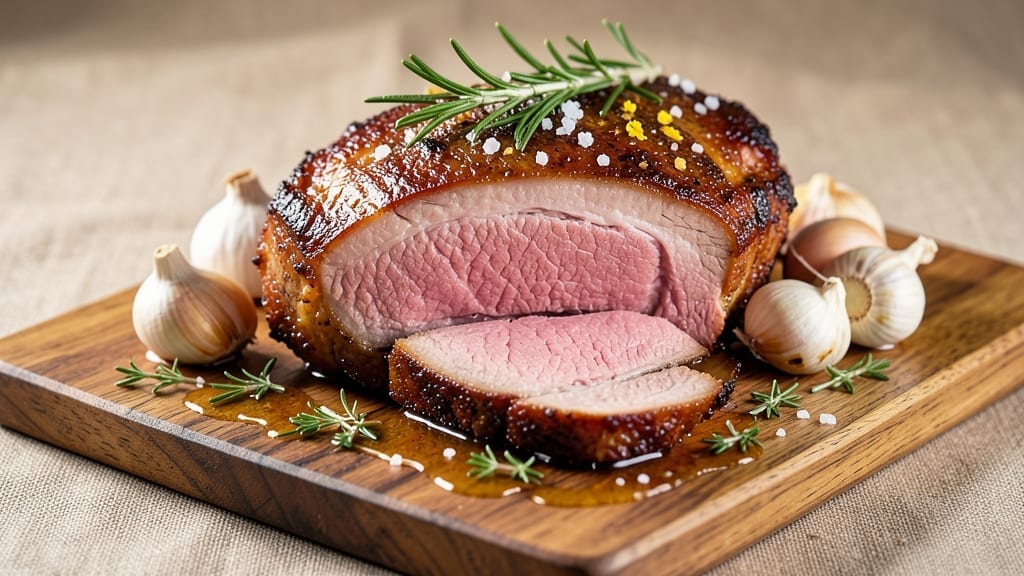
A 2 lb boneless prime rib roast cooked to ultimate tenderness with an au jus bath transforms a special occasion into a showstopping meal. The secret lies in precise temperature control and a flavorful pan sauce that elevates every bite.
This method ensures a perfectly cooked roast with a rich, caramelized crust and juicy interior—no guesswork required.
What sets this recipe apart is the au jus bath, where the roast rests in its own juices after cooking. This technique guarantees moisture retention and a sauce so flavorful it deserves its own bowl.
The process is straightforward but demands attention to detail—especially when it comes to timing and resting. For a foolproof result, we’ll focus on medium-rare doneness, though adjustments are easy for your preferred level.
By the time you serve this, you’ll have a restaurant-quality centerpiece with a glossy, golden crust and a fork-tender interior. The au jus bath creates a luxurious sauce that clings to the meat, while optional garnishes like fresh rosemary or flaky sea salt add a final touch of elegance.
This isn’t just dinner—it’s an experience.
Pair with classic sides like roasted garlic mashed potatoes or a crisp green salad to complete the meal. The leftovers reheat beautifully, making this recipe perfect for gatherings where seconds are inevitable. Let’s get started on a dish that will impress even the most discerning guests.
Ingredients for 2 lb boneless prime rib roast
This prime rib roast transforms any meal into a luxurious experience with restaurant-quality tenderness.
| Ingredient | Amount | Notes |
|---|---|---|
| Boneless Prime Rib Roast 🥩 | 2 lb | Center-cut, 1-inch thick |
| Kosher Salt 🧂 | 2 tbsp | Diamond Crystal preferred |
| Freshly Ground Black Pepper 🌶️ | 1 ½ tbsp | Coarse grind for texture |
| Fresh Rosemary Sprigs 🌿 | 4 whole | Thick stems, tied with twine |
| Fresh Thyme Sprigs 🌿 | 4 whole | With leaves attached |
| Garlic Cloves 🧄 | 6 cloves | Smash lightly for aroma |
| Extra-Virgin Olive Oil 🫒 | 2 tbsp | High-quality, fruity |
| Beef Au Jus Mix 🍲 | 1 package | Or 2 tbsp beef bouillon powder |
| Red Wine 🍷 | ½ cup | Bold Cabernet Sauvignon |
| Beef Broth 🥄 | 1 cup | Homemade or high-quality |
| Flaky Sea Salt 🧂 | 1 tbsp | For finishing garnish |
| Unsalted Butter 🧈 | ½ cup | Cold, cubed for basting |
The prime rib is where magic happens—center-cut ensures maximum tenderness, and that 1-inch thickness guarantees perfect medium-rare throughout. Costco or high-end butchers carry the best cuts, but don’t stress if you find a slightly thinner roast—just adjust cooking time. Look for bright red color and good marbling; avoid anything with grayish edges. The herbs? Fresh is non-negotiable—dried won’t give the same aromatic punch. Tie them into a bundle with kitchen twine for easy handling during roasting.
No beef au jus mix? 2 tbsp beef bouillon powder plus 1 cup hot water works in a pinch, but for depth, use homemade beef stock instead of store-bought. Red wine can be swapped for extra beef broth plus 1 tbsp balsamic vinegar, though the acidity will differ slightly. The butter should be cold and cubed—this prevents it from melting too quickly during basting. For extra richness, add 1 tbsp cognac or brandy to the au jus bath when deglazing. And if you’re feeling fancy, truffle oil in the finishing sauce takes this to next-level elegance.
Prime rib needs to rest 20-30 minutes after roasting—this is sacred. Tent loosely with foil and place on a warm platter. The au jus bath keeps for 3-4 days in the fridge, but the roast itself reheats poorly, so plan ahead. For leftovers, slice thinly and serve on toasted baguettes with extra au jus drizzled on top. The butter basting can be made ahead too—just reheat gently before basting. And save those herb bundles: freeze them in olive oil for future roasts.
Why You’ll Love This Recipe
- I’ll be real: most leftover prime rib is dry or tough. Not this. The boneless cut stays tender, and the rosemary-thyme crust keeps it flavorful for days. Slice it thin for sandwiches or dice it into pasta—it’s always a win.
- Foolproof Seasoning: I swear by this combo—just salt, pepper, rosemary, and thyme. No fancy rubs, no guesswork, and it still tastes like a restaurant cut. The herbs cling to the meat while it roasts, so every bite is aromatic without overpowering.
- One-Pan Magic: Honestly, this is my lazy-day secret. You sear the roast, add the herbs, and let the oven do the work. No basting, no flipping, no stress—just a perfectly cooked, juicy center cut that practically falls apart.
- Weeknight to Sunday Feast: Between us, this recipe works for both. Toss it in the oven after work for a quick dinner, or double it for a holiday spread. The same simple seasoning shines whether it’s feeding two or ten.
Step-by-step instructions for 2 lb boneless prime rib roast
This method delivers melt-in-your-mouth tenderness with a rich au jus bath that transforms simple ingredients into a showstopping centerpiece.
Prepare the Prime Rib for Perfect Seasoning
Pat the 2 lb boneless prime rib roast completely dry with paper towels—this is non-negotiable for crispy edges and even cooking. Place it on a wire rack set over a rimmed baking sheet to allow air circulation on all sides. Rub the surface generously with the 2 tbsp kosher salt and 1.5 tbsp freshly ground black pepper, pressing firmly so the seasoning adheres. Tuck the 4 whole fresh rosemary sprigs and 4 whole fresh thyme sprigs into the roast’s surface, then tie them securely with kitchen twine to keep them in place.
Next, create a simple garlic paste by smashing the 6 cloves garlic lightly with the flat side of your knife, then rubbing them directly onto the roast’s surface. Drizzle the 2 tbsp extra-virgin olive oil evenly over the entire surface, massaging it into the meat. This creates a flavorful barrier that locks in juices during cooking. Let the seasoned roast rest at room temperature for 30 minutes before roasting—this ensures even cooking from edge to center.
Roast to Medium-Rare Perfection
Preheat your oven to 450°F and place the roast on the middle rack. Roast for 15 minutes to sear the surface and establish a flavorful crust. After this initial sear, reduce the oven temperature to 325°F. This two-stage approach creates a perfect crust while allowing the interior to cook gently to medium-rare.
Roast for an additional 20-25 minutes, or until the internal temperature reaches 125°F when measured with an instant-read thermometer in the thickest part of the roast. The exterior should be deep golden brown with a rich, caramelized crust. Here’s the thing—don’t overcook! Prime rib continues cooking as it rests, and we want that perfect medium-rare texture throughout.
Create the Au Jus Bath
While the roast rests, prepare the au jus bath that will transform your roast into a luxurious experience. In a medium saucepan, combine the 1 package beef au jus mix, 0.5 cup red wine, and 1 cup beef broth. Bring to a gentle simmer over medium heat, stirring occasionally to dissolve the au jus mix completely. Let it reduce by half—about 8-10 minutes—until it reaches a syrupy consistency that will beautifully coat the roast.
Remove the pan from heat and stir in the 0.5 cup unsalted butter, allowing it to melt completely. The sauce should be glossy and rich, with a deep red color. Taste and adjust seasoning with additional salt if needed—this is where the magic happens, transforming simple ingredients into a restaurant-quality sauce.
Rest and Serve with Au Jus
Transfer the roast to a warm platter and tent loosely with aluminum foil. Let it rest for 15-20 minutes—this crucial step allows the juices to redistribute throughout the meat, ensuring every slice is moist and flavorful. During this time, preheat your serving plates in a 200°F oven to keep the roast warm.
After resting, carefully slice the roast against the grain into ½-inch thick slices. Ladle the warm au jus over the top and sprinkle with the 1 tbsp flaky sea salt. The result should be a beautifully presented dish with tender, juicy meat and a rich, flavorful sauce that ties everything together. Serve immediately with your choice of sides—roasted vegetables or creamy mashed potatoes work beautifully.
Pro Tips For Making 2 Lb Boneless Prime Rib Roast
- Sear Before Seasoning: Pat that prime rib bone-dry with paper towels, then hit it with a screaming-hot skillet for 2-3 minutes per side before you even think about salt or herbs. I learned this the hard way—skipping the sear means your crust stays sad and pale, and nobody wants that.
- Salt Like a Madman: Generously coat the roast with kosher salt at least 2 hours before cooking—yes, even if you’re impatient like me. The salt needs time to work its magic, drawing out moisture so the crust forms properly. Trust me, your future self will notice the difference.
- Skip the Overcrowding: If you’re searing in a pan, resist the urge to toss in all the rosemary and thyme at once. Start with half the herbs in the pan while the roast sears, then add the rest after it’s in the oven. This keeps the aromatics from burning and lets them infuse properly.
- Rest Under Foil: After pulling the roast from the oven, tent it loosely with foil and let it rest for a solid 10 minutes—not on a cutting board, but right where it cooked. This keeps the juices from pooling out when you slice, and I’ve seen too many people ruin a perfect roast by skipping this step.
Troubleshooting perfect results
Overcooked Exterior
If your prime rib’s crust is burnt before the interior reaches 125°F, you’ve likely missed the 450°F sear step or over-reduced the oven temp too early. Here’s how to fix it: Pat the roast bone-dry with paper towels before seasoning—this prevents moisture from steaming the crust.
For next time, use a meat thermometer and pull the roast when the internal temp hits 120°F, then let it carry over to 125°F while resting. A wire rack over a baking sheet ensures even browning without burning. 🔥
Dry, Tough Meat
Dry prime rib usually means it was cooked too long or didn’t rest properly. Never skip the 15-20 minute rest—this lets juices redistribute. If you’re in a hurry, slice against the grain into thinner pieces (¼ inch) to improve tenderness.
For future roasts, brine the meat for 1-2 hours in ¼ cup kosher salt per quart of water to enhance moisture retention. Also, avoid cutting into the roast until it’s fully rested—juices will escape and leave you with a dry slice. 💧
Pale, Bland Au Jus
A watery or pale au jus happens when you don’t reduce the sauce enough or use low-quality broth. Simmer until reduced by half—this concentrates flavors. For depth, deglaze the roasting pan with ½ cup red wine after removing the meat, scraping up browned bits for extra richness.
If your sauce tastes flat, add a splash of beef stock or a pinch of Worcestershire sauce (about ½ tsp) for umami. Always finish with a pat of cold butter—it emulsifies beautifully and adds luxurious mouthfeel. 🍷
Uneven Cooking
Uneven doneness (some parts rare, others medium) usually means the roast wasn’t at room temperature before cooking or the oven temp fluctuated. Let the roast sit uncovered for 30 minutes before roasting—this ensures even heat penetration.
For thick cuts, use a leave-in thermometer like the Thermoworks Smoke to monitor the center. If your oven runs hot, reduce the temp by 25°F and add 5-10 minutes to the cook time. For next time, rotate the roast halfway through cooking to promote even browning. ⚖️
Herbs Falling Off
If your rosemary and thyme sprigs keep falling off during roasting, they weren’t secured properly. Tie them tightly with kitchen twine in a bundle before inserting into the roast—this prevents them from shifting. For extra security, pierce the roast lightly with a skewer before threading the herb bundle through.
If you’re short on time, use whole sprigs instead of chopped herbs—they’ll infuse flavor without falling apart. Pro tip: Save the herb bundles** after roasting—freeze them in olive oil for future use! 🌿
Nutrition facts
Frequently asked questions
Can I cook this prime rib recipe in a slow cooker?
This recipe is designed for oven roasting to achieve that perfect crust and medium-rare center. However, you can adapt it for a slow cooker by searing the roast first on all sides in a skillet, then transferring it to the slow cooker with the au jus ingredients. Cook on low for 4-5 hours until the internal temperature reaches 125°F. The texture will be more tender than traditional roasting, but the crust won’t be as crispy.
How do I adjust the recipe for a different doneness level?
For medium doneness, aim for an internal temperature of 140°F (about 10-15 minutes longer than medium-rare). For well-done, cook to 160°F (add 20-25 minutes more). Always use a meat thermometer for accuracy. Remember: prime rib continues cooking as it rests, so pull it out slightly early for your preferred doneness.
What’s the best way to reheat leftover prime rib?
Slice the prime rib thinly against the grain and reheat in a skillet over medium-low heat with a splash of beef broth or au jus. Keep the temperature below 300°F to prevent drying. For oven reheating, wrap slices in foil and bake at 300°F for 10-15 minutes. Never microwave—it makes the meat rubbery. The au jus reheats beautifully on its own.
Can I substitute beef au jus mix with something else?
Yes! For a homemade version, mix 2 tbsp beef bouillon powder with 1 cup hot water to make a quick substitute. For deeper flavor, use 1 cup homemade beef stock plus 1 tbsp Worcestershire sauce. Deglaze the roasting pan with ½ cup red wine after removing the meat to create a richer base for your au jus.
How many people will this recipe serve?
This 2 lb boneless prime rib roast serves 4-6 people as a main course, depending on portion size. For a hearty meal, plan on ½ lb per person with sides. If serving as part of a buffet or family-style dinner, you can stretch it to 6-8 servings with smaller portions. The au jus can also be served separately for those wanting seconds.

- 6 Egg Cake Recipe with Oil: Light as Air With Buttery Moisture - October 4, 2026
- 4 Bean Casserole Recipe: One-Pan Heartiness With Smoky Paprika Depth - October 4, 2026
- 3-Ingredient Keto Mug Cake Recipe: Microwave Magic in 2 Minutes - October 4, 2026