
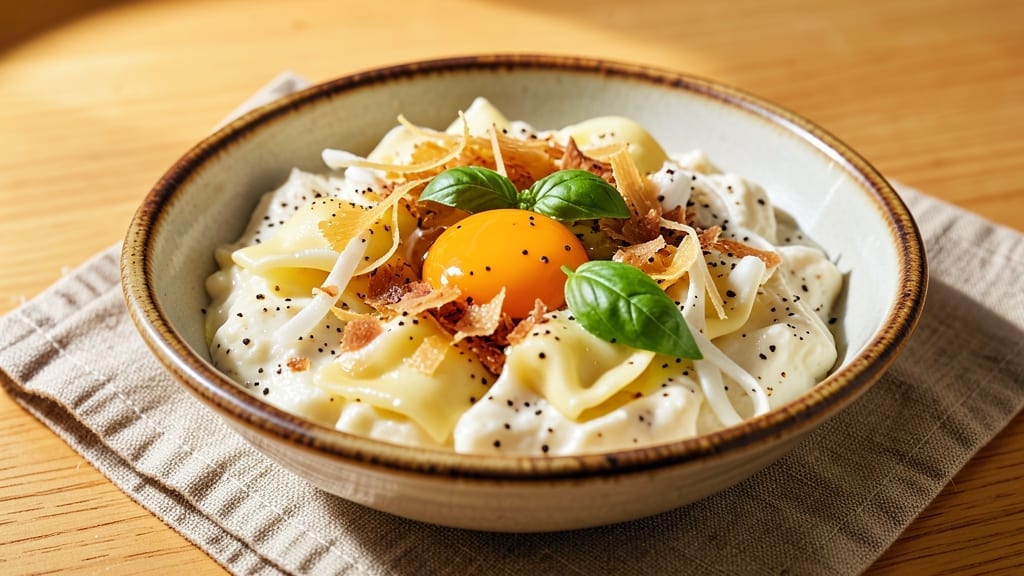
This 3 cheese ravioli filling recipe transforms humble pasta into a luxurious, melt-in-your-mouth masterpiece—where nutty Parmesan, creamy Fontina, and sharp cheddar create a harmonious blend that pairs perfectly with homemade or store-bought dough. 🌟 The secret lies in precise ingredient ratios and gentle cooking techniques that preserve texture while maximizing flavor infusion.
Unlike pre-made fillings, this version delivers a rich, velvety center that stays cohesive when boiled, ensuring every bite feels indulgent without being overly heavy.
The beauty of this recipe is its versatility—it works equally well with fresh egg pasta or dried sheets, and the cheese combination offers depth without overwhelming the delicate ravioli structure. Fontina’s mild sweetness balances the sharpness of cheddar, while Parmesan adds umami richness that elevates the entire dish.
For best results, I recommend using freshly grated cheeses (pre-shredded varieties contain anti-caking agents that alter texture), and always chill the filling before shaping to prevent leaks during cooking.
What sets this filling apart is its professional-level consistency—the blend of ricotta and mozzarella creates a light yet sturdy base that holds together during boiling, while the cheese trio delivers layers of flavor in every forkful.
The filling’s creamy texture contrasts beautifully with the tender pasta, making it ideal for both classic butter-sage sauces and lighter tomato-based accompaniments. Whether you’re crafting ravioli by hand or using a pasta machine, this recipe ensures restaurant-quality results at home.
For those new to ravioli-making, I’ve included key tips in the instructions section to address common challenges like uneven filling or dough sticking, but the real magic happens when you taste the finished product—golden ravioli floating in a simmering sauce, the cheese filling peeking through delicate pasta pockets, ready to be twirled onto your plate.
The process may take patience, but the reward is a dish that feels like a labor of love.
Ingredients for 3 cheese ravioli filling
Fresh cheeses and precise ratios create a velvety, restaurant-quality ravioli filling that stays cohesive when boiled.
| Ingredient | Amount | Notes |
|---|---|---|
| Whole Milk Ricotta Cheese 🧀 | 1 cup | Full-fat for creaminess |
| Fresh Mozzarella Cheese 🧀 | ½ cup | Drained, cut into chunks |
| Parmesan Cheese 🧀 | ¾ cup | Freshly grated from block |
| Fontina Cheese 🧀 | ½ cup | Shredded, mild sweetness |
| Sharp White Cheddar Cheese 🧀 | ½ cup | Freshly grated, sharp flavor |
| Large Eggs 🥚 | 1 whole | Room temperature, beaten |
| Extra-Virgin Olive Oil 🫒 | 1 tbsp | For richness and binding |
| Fresh Nutmeg 🌿 | ¼ tsp | Freshly grated, aromatic |
| Diamond Crystal Kosher Salt 🧂 | ½ tsp | Fine grain preferred |
| Freshly Ground Black Pepper 🌶️ | ¼ tsp | Freshly cracked for flavor |
| Unsalted Butter 🧈 | 1 tbsp | Cold, for texture balance |
| All-Purpose Flour 🌾 | 2 tbsp | For dough binding |
The cheeses are non-negotiable here. Parmigiano-Reggiano for that nutty depth, Fontina for its creamy melt, and sharp white cheddar to cut through the richness. I always grab my cheeses from Whole Foods or specialty Italian markets—they carry the good stuff. The ricotta should be full-fat (none of that low-fat nonsense), and the mozzarella needs to be fresh, not that pre-shredded bagged version. For the Parmesan and Fontina, grate it yourself—pre-shredded varieties have anti-caking agents that ruin the texture. If you’re in a pinch, Trader Joe’s has decent pre-shredded cheddar, but it won’t have the same sharpness as freshly grated.
No ricotta? Cottage cheese blended until smooth works in a bind, but it won’t be as luxurious. Swapping Fontina for Gruyère adds a nutty complexity, while Pecorino Romano can replace Parmesan for a saltier kick. If you’re avoiding dairy entirely, cashew cream (soaked cashews blended with lemon juice) mimics the richness, though the texture will differ. The egg is key for binding—room temperature ensures it blends smoothly. For the olive oil, look for a fruity, extra-virgin variety—the cheap stuff will make your filling taste flat. And that nutmeg? Freshly grated makes all the difference—pre-ground loses its punch fast.
This filling needs to chill for at least 30 minutes before shaping—trust me, it prevents leaks. Store any leftovers in an airtight container between layers of parchment paper for up to 3 days. If you’re prepping ahead, freeze the filling in 1-tbsp portions on a tray before transferring to a bag—thaws beautifully in the fridge overnight. The cheese blend keeps 1 week in the fridge if you’re not using it all at once, but the texture softens slightly after day 3, so use it fresh for the best results.
Why You’ll Love This Recipe
- No-Waste Cheese Combo: The ricotta, mozzarella, and fontina blend so smoothly—no grainy texture, just pure melt-in-your-mouth goodness. I swear, the sharp cheddar and parmesan add this perfect salty crunch that makes every bite feel like a hug.
- Weeknight Ready: Honestly, this filling takes less than 15 minutes to mix—no fancy techniques, just a bowl and a fork. The ricotta’s creamy base means no waiting for dough to rest, either. Perfect when you’re starving but the clock’s ticking.
- Leftovers That Shine: Between us, this filling keeps for days in the fridge and reheats like a dream. Toss it into pasta, stuff it in dumplings, or just eat it straight with toast—it’s that versatile. My freezer’s always stocked with portions because it’s my go-to for lazy days.
- Budget-Friendly Luxury: Fresh mozzarella and fontina might sound fancy, but they stretch further than you’d think. The ricotta and cheddar bulk it up, so you’re getting restaurant-quality flavor without the price tag. Plus, the parmesan’s the secret weapon—just a little goes a long way.
Step-by-step instructions for 3 cheese ravioli filling
Here’s how to blend these cheeses into a perfect, creamy filling that won’t leak when cooked.
👨🍳 Step 1: Prepare the Cheeses for Maximum Creaminess
Start by draining the 0.5 cup fresh mozzarella cheese thoroughly using paper towels—press gently to remove all excess moisture. This step is crucial because any liquid in the filling will make your ravioli soggy. Cut the mozzarella into small chunks and set aside.
Next, grate the 0.75 cup parmesan cheese and 0.5 cup sharp white cheddar cheese using a fine grater. For the fontina, shred it slightly coarser than the others—about 0.5 cup—to add a pleasant texture contrast. I like to use a microplane for the parmesan to get those fine, flavorful shavings.
🥘 Step 2: Mix the Cheese Base with Binding Agents
In a large mixing bowl, combine the 1 cup whole milk ricotta cheese with the prepared mozzarella, parmesan, fontina, and cheddar. Add the 1 tbsp extra-virgin olive oil and 1 tbsp unsalted butter (cold, cut into small pieces) to create a rich, velvety texture. Use a silicone spatula to fold everything together gently—you want to incorporate the ingredients without overworking the mixture.
Here’s the thing—ricotta can be delicate, so we’re adding the butter and olive oil to help stabilize the filling. The butter also adds that subtle richness that makes this blend exceptional. Mix until you achieve a smooth, homogenous consistency with no visible cheese chunks larger than a pea.
🍳 Step 3: Incorporate the Eggs and Seasonings
In a separate bowl, beat the 1 whole large egg until just combined (no need to overbeat—just enough to blend). Slowly add the egg to the cheese mixture while folding gently with your spatula. This gradual incorporation prevents the egg from cooking the ricotta prematurely, which would make the filling too dense.
Now add the 0.5 tsp diamond crystal kosher salt, 0.25 tsp freshly ground black pepper, and 0.25 tsp freshly grated nutmeg. The nutmeg adds a subtle warmth that pairs beautifully with the sharp cheddar and nutty parmesan. Mix until the seasonings are evenly distributed throughout the filling—taste it now to check the seasoning balance.
🥘 Step 4: Add Flour for Structure and Texture
Sprinkle the 2 tbsp all-purpose flour over the cheese mixture and fold it in using your spatula. The flour acts as a binder, preventing the filling from leaking when the ravioli cooks. You want the mixture to be just thick enough to hold its shape when piped—it should be smooth but still slightly tacky to the touch.
This is where many home cooks go wrong—they either under-mix (resulting in leaks) or over-mix (creating tough filling). Aim for a consistency similar to thick, creamy hummus. If it’s too loose, add another 1 tbsp flour; if too stiff, work in a tiny bit of egg or olive oil to loosen it.
⏰ Step 5: Rest the Filling for Perfect Results
Cover the bowl with plastic wrap and refrigerate the filling for at least 30 minutes (up to 2 hours works best). This resting period allows all the flavors to meld together and the flour to fully hydrate, creating a more cohesive filling that won’t crack when rolled out.
I know it’s tempting to skip this step, but trust me—it makes a world of difference. The filling will become more pliable and easier to work with, and your ravioli will have that professional, restaurant-quality texture. When ready to use, give the filling one final gentle fold before piping into your ravioli dough.
Pro Tips For Making 3 Cheese Ravioli Filling
- Drain Mozzarella Properly: Fresh mozzarella holds way too much water—skip the paper towels and use a clean kitchen towel instead. Wrap it, press gently for 10 minutes, and you’ll avoid soggy ravioli filling that turns to glue.
- Mix Cheeses at Room Temp: Cold ricotta and fontina clump like rocks. Let them sit out for 30 minutes first—just until they’re soft enough to fold together smoothly. I learned this the hard way after wrestling with a lumpy, uneven filling.
- Balance the Salt: Sharp white cheddar and Parmesan pack serious salt. Taste the mix before adding more—you’ll likely need less than you think, especially if your ricotta is unsalted. Trust your tongue, not the recipe.
- Add Eggs Last: Whisk the eggs separately and fold them in at the very end. This keeps the filling light and prevents a dense, rubbery texture—no one wants ravioli that feels like a chewy brick.
Common mistakes when making this recipe
Overworking the Filling
I’ve seen so many home cooks turn their ravioli filling into a dense, rubbery mess by overmixing after adding the flour. The cheese blend should remain smooth but slightly tacky—think thick hummus, not playdough.
Use a gentle folding motion with a silicone spatula to combine ingredients, and stop as soon as everything is evenly distributed. Overmixing introduces too much air, which can cause the filling to expand and leak during boiling. 🧀
Skipping the Resting Period
Rushing to shape your ravioli without letting the filling rest is a recipe for disaster. The 30-minute chill (or up to 2 hours) allows the flour to fully hydrate and the flavors to meld.
Without this step, your filling will be too soft and prone to oozing out when you cook the ravioli. I’ve made this mistake—trust me, the difference is night and day. Cover the bowl tightly and be patient!
Using Pre-Shredded Cheese
Pre-shredded cheese is the enemy of creamy ravioli fillings. Those anti-caking agents (like cellulose powder) absorb moisture and create a grainy, dry texture. Always grate your own cheese—especially the Parmesan and Fontina.
For the cheddar, if you must use pre-shredded, pick a brand without additives (like Trader Joe’s or Whole Foods options). The texture difference is dramatic!
Ignoring Cheese Moisture
Fresh mozzarella and ricotta can be surprisingly watery, and excess moisture leads to soggy ravioli. Always drain and press the mozzarella thoroughly with paper towels before mixing. For ricotta, opt for the whole-milk variety—it’s creamier and less likely to release water.
If your filling seems too wet, add an extra 1 tbsp flour or a pinch of salt to help absorb the moisture.
Uneven Seasoning
Taste your filling before piping it into the dough! Many cooks forget to check the seasoning, only to realize later that the nutmeg is too subtle or the salt needs a boost. The cheese blend should be balanced—sweet, sharp, nutty, and just a hint of spice.
Adjust gradually: ¼ tsp at a time for salt or pepper. I like to add a pinch of black pepper after resting to brighten the flavors.
Not Chilling the Filling
Even if you’re in a hurry, never skip chilling the filling before shaping. Cold temperatures firm up the cheese and prevent leaks during boiling. If you’re short on time, pop the bowl in the freezer for 15 minutes—it’ll still help.
Pro tip: Place a damp paper towel over the plastic wrap to prevent a skin from forming on top while it chills. 💡
Nutrition facts
Frequently asked questions about 3 cheese ravioli filling
Can I substitute ricotta with cottage cheese in this recipe?
You can use cottage cheese in a pinch, but blend it until completely smooth first to avoid graininess. For best results, use 1 cup whole milk cottage cheese (blended until silky) and reduce the ricotta to 0.75 cup—this maintains the creamy texture. Cottage cheese has a slightly tangier flavor, so you may want to add an extra pinch of salt to balance it.
Why does my cheese filling leak when boiling the ravioli?
Leaks usually happen from overmixing, skipping the 30-minute rest, or using wet cheese. Always drain mozzarella thoroughly, avoid overworking the mixture, and ensure the filling is properly chilled. If it still leaks, add 1 extra tbsp flour to the mixture and rest for another 15 minutes before shaping.
What’s the best way to store leftover filling?
Store in an airtight container between layers of parchment paper for up to 3 days in the fridge. For longer storage, freeze in 1-tbsp portions on a tray before transferring to a bag—thaws beautifully overnight. Never refreeze once thawed, as this degrades the texture.
Can I make this filling ahead of time?
Prepare the filling up to 2 days in advance—it actually improves as flavors meld. Store covered in the fridge, then bring to room temperature before shaping. For best texture, use within 3 days of making. If freezing, thaw overnight in the fridge for even texture.
What’s the ideal cheese ratio for a lighter filling?
For a lighter version, reduce the ricotta to 0.75 cup and increase the mozzarella to 0.75 cup (drained well). Replace 0.25 cup of Fontina with 0.25 cup Gruyère** for extra melt. This keeps the filling rich but less dense, perfect for delicate pasta doughs.

- 3lb Prime Rib Roast Recipe: Juicy Pink Center Guaranteed in 3 Hours - October 31, 2026
- 5 Spice Cake Recipe: Warmly Spiced Layers With Crunchy Top - October 31, 2026
- 1950’s Macaroni and Cheese Recipe: Nostalgic Creamy Cheese Sauce with Buttery Noodles - October 31, 2026