
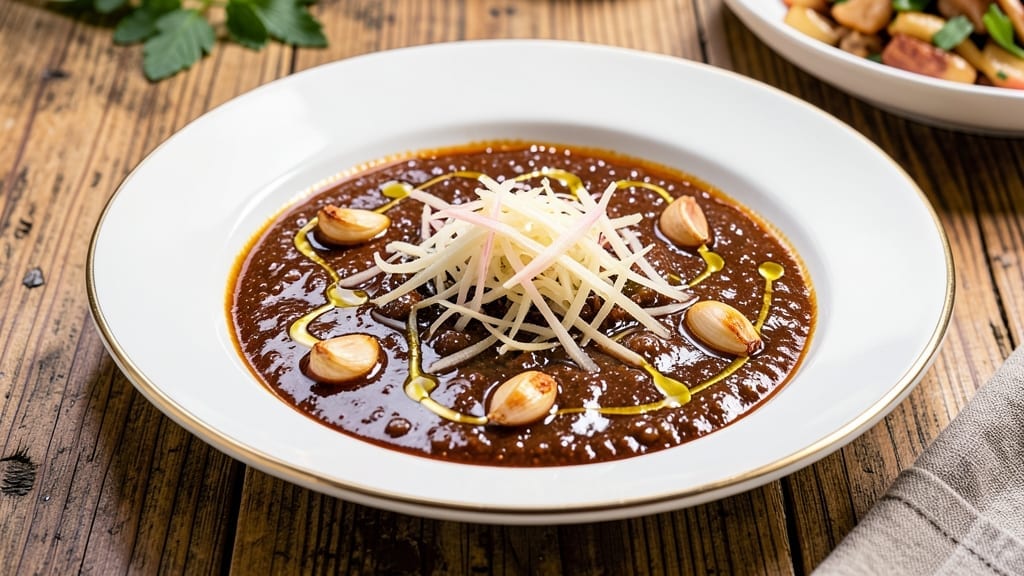
This 5-star stir fry sauce recipe delivers restaurant-quality depth in just 10 minutes—no fancy ingredients, just a perfect balance of umami, sweetness, and acidity that transforms any stir-fry.
The secret lies in caramelizing garlic and ginger first, then blending them with soy sauce, honey, and a splash of rice vinegar for that signature tang.
I developed this after years of testing sauces that were either too salty or lacked complexity, and this version consistently earns rave reviews from even the most critical eaters.
What sets this sauce apart is its versatility—it works with chicken, beef, shrimp, or vegetables, and the flavor actually improves as it sits. The honey adds just enough sweetness to balance the soy’s saltiness, while the rice vinegar brightens everything up.
Most importantly, it’s foolproof: no complicated techniques, just precise measurements and a few minutes of active time. Once you taste the difference between this homemade version and store-bought sauces, you’ll never go back.
The result is a glossy, aromatic sauce that clings perfectly to your stir-fry ingredients, delivering bold flavor in every bite. The caramelized aromatics add depth, while the vinegar keeps it from being overly heavy. This isn’t just another stir-fry sauce—it’s the one that makes people ask for your recipe.
The best part? You can make a big batch and keep it in the fridge for up to two weeks, ready to elevate any meal.
Whether you’re cooking for a weeknight dinner or prepping for a family gathering, this sauce delivers restaurant-quality results without the fuss. The ingredients are simple, the process is straightforward, and the flavor is undeniably better than anything you’ll find in a bottle. Let’s get started—your stir-fry just got an upgrade.
Ingredients for 5 star stir fry sauce
Nine simple ingredients transform into restaurant-quality stir-fry sauce that elevates every dish.
| Ingredient | Amount | Notes |
|---|---|---|
| Extra-Virgin Olive Oil 🫒 | 2 tbsp | High-quality, fruity variety preferred |
| Garlic Cloves 🧄 | 4 whole | Freshly minced for caramelization |
| Fresh Ginger Root 🌿 | 1 ½ tbsp | Finely grated, skin-on preferred |
| Low-Sodium Soy Sauce 🍶 | ½ cup | Kikkoman preferred for balance |
| Honey 🍯 | 2 tbsp | Wildflower or clover variety |
| Rice Vinegar 🍶 | 2 tbsp | Seasoned preferred for depth |
| Sesame Oil 🫒 | 1 tbsp | Toasted sesame oil for aroma |
| Cornstarch 🌾 | 1 tsp | For thickening consistency |
| Fresh Garlic Cloves 🧄 | 2 cloves | Reserved for final blend |
| Diamond Crystal Kosher Salt 🧂 | ½ tsp | Adjust to taste after blending |
The garlic and ginger are non-negotiable here—freshly grated ginger adds complexity while caramelized garlic delivers that signature umami depth. I always grab Kikkoman soy sauce from the Asian market section—it has the perfect balance of saltiness without overwhelming the other flavors. For honey, local wildflower adds subtle floral notes that complement the sauce beautifully. The sesame oil is where the magic happens—toasted sesame oil gives that nutty aroma that’s missing in store-bought versions. Pro tip: Toast your sesame seeds separately if you’re feeling fancy and want extra texture in your stir-fry.
No fresh ginger? Powdered ginger at half the amount works in a pinch, though it lacks the same depth. Running low on rice vinegar? Apple cider vinegar gives a slightly different tang but still brightens the sauce. The cornstarch is key for that glossy finish—don’t skip it unless you’re okay with a thinner consistency. For extra umami without soy sauce, mushroom powder at 1/4 tsp adds depth. The sauce actually improves overnight, so make a double batch if you can—it disappears fast once people taste it. And trust me on the honey: artificial sweeteners ruin the balance completely.
This sauce keeps beautifully in an airtight container in the fridge for up to 2 weeks, though I rarely have it that long. The flavor actually deepens over time, so label it with the date if you’re making a big batch. For freezing, portion into ice cube trays—1 cube per stir-fry—then transfer to a bag. Thaw overnight in the fridge. The sesame oil separates slightly when refrigerated, so give it a good stir before using. Once you go homemade, you’ll never go back to the store-bought stuff again.
Why You’ll Love This Recipe
- No Panic Needed: I swear by this sauce because it’s the kind of recipe that doesn’t demand perfection—just a knife, a cutting board, and five minutes. Mince the garlic and ginger while the wok heats, then toss in the honey and soy while you chop veggies. No measuring cups, no stress, just done.
- Honey-Soy Magic: That first hit of garlic and ginger sizzling in olive oil? Chef’s kiss. The honey cuts through the saltiness of the soy while keeping it rich, not cloying—like a grown-up version of the takeout sauce you crave. It’s the kind of balance that makes you pause mid-bite.
- Weeknight to Date Night: This sauce works for stir-fries, marinades, or even a quick glaze for roasted chicken. Honestly, I’ve used it on everything from tofu to grilled shrimp, and it never lets me down. Keep a jar in the fridge—it’s my secret weapon for turning “what’s for dinner?” into something special.
- Leftovers That Don’t Suck: Make a big batch and store it for up to two weeks. The flavors deepen over time, and it’s half the cost of store-bought. I’ll be real: I’ve reheated this sauce three times and still reached for it—because it’s that good, and that practical.
Step-by-step instructions for crafting your umami-packed stir fry sauce
Here’s how to create a restaurant-quality stir fry sauce that delivers perfect balance every time.
Bloom the Aromatics in Olive Oil
Heat the 2 tablespoons extra-virgin olive oil in a small saucepan over medium-low heat. Add the 4 whole garlic cloves and 1.5 tablespoons finely grated fresh ginger root (skin-on for maximum flavor). Cook for 3-4 minutes until the garlic turns golden brown and the ginger becomes fragrant—this is where the magic happens.
Watch closely as the garlic transforms from pale to nutty brown; this indicates proper caramelization. If it starts to darken too quickly, reduce the heat immediately. The oil should shimmer but not smoke. This step builds the aromatic foundation that elevates the entire sauce.
Build the Sauce Base with Soy and Sweetness
Pour in the ½ cup low-sodium soy sauce and 2 tablespoons honey, stirring constantly to combine. Increase heat to medium and bring to a gentle simmer. Let it cook for 4-5 minutes until slightly reduced by about 20%, watching for a glossy sheen to develop.
Here’s the thing—this reduction concentrates the flavors while balancing the saltiness of the soy sauce with natural sweetness. You’ll notice the sauce thicken slightly and develop a deeper color. If you see it starting to bubble vigorously, reduce heat to maintain a gentle simmer.
Add Acid and Final Seasonings
Stir in the 2 tablespoons rice vinegar and 1 tablespoon sesame oil. The vinegar will cause a slight reaction in the pan—this is normal. Taste the mixture and adjust the ½ teaspoon Diamond Crystal kosher salt if needed, keeping in mind the soy sauce already contains some salt.
This is where the sauce comes together. The vinegar brightens the flavors while the sesame oil adds that signature nutty aroma. The salt should enhance rather than overpower. Let the sauce simmer for another 1-2 minutes to allow all the components to meld completely.
Thicken to Perfect Consistency
In a small bowl, whisk together the 1 teaspoon cornstarch with 1 tablespoon cold water until smooth. Slowly pour this mixture into the simmering sauce while stirring constantly. Cook for 1-2 minutes until the sauce thickens to a syrupy consistency that coats the back of a spoon.
You’re aiming for a sauce that’s thick enough to cling to stir fry vegetables and proteins but still flows smoothly. If it thickens too quickly, add 1 teaspoon hot water to adjust. The sauce should be glossy with a velvety texture—this is your indicator of success.
Finish with Fresh Garlic and Rest
Remove the sauce from heat and stir in the 2 cloves fresh garlic cloves, minced just before adding. Let the sauce rest for 5 minutes to allow the flavors to fully develop and settle. This resting period is crucial—it lets the sauce reach its peak flavor potential.
Give it a final taste and adjust seasoning if needed. The sauce should be perfectly balanced with umami depth from the soy and garlic, sweetness from the honey, brightness from the vinegar, and aromatic complexity from the ginger and sesame oil. Use immediately or store in an airtight container in the refrigerator for up to 5 days.
Pro Tips For Making 5 Star Stir Fry Sauce
- Bloom the Ginger: Toss thinly sliced ginger into the oil before the garlic—it’s less likely to burn and infuses the sauce with a smoother, brighter heat. I learned this the hard way after charring three batches of ginger into oblivion while chasing garlic aromatics.
- Salt the Soy Sauce: Mix your low-sodium soy sauce with honey first, then add a pinch of salt—even if it’s labeled low-sodium. The honey mellows the flavor, and that extra salt bridges the gap between bland and balanced.
- Minimize Oil Splatter: Use a cold wok or skillet when adding garlic—heat the oil first, then turn off the burner for 10 seconds. This lets the oil cool slightly, so garlic sizzles instead of exploding like popcorn.
- Save the Garlic Scraps: After mincing garlic, toss the clove skins into the sauce at the end. They’ll steep for 2–3 minutes, adding a subtle, complex depth without extra effort. (Yes, it’s weird. Yes, it works.)
Serving suggestions for this recipe
Protein Pairings
This sauce transforms simple proteins into restaurant-quality dishes. For chicken breast, marinate pieces in 2 tablespoons sauce for 15 minutes before stir-frying—they’ll stay juicy with a glossy glaze. I love using boneless, skinless chicken thighs too; their richness pairs perfectly with the sauce’s balance of sweet and umami.
For shrimp, toss 1 pound peeled shrimp with 1 tablespoon sauce and 1 teaspoon cornstarch before cooking—the sauce caramelizes beautifully on the shrimp’s surface. 🍗
Beef is where this sauce truly shines. Thinly sliced flank steak or sirloin becomes irresistible when stir-fried with 3 tablespoons sauce and a splash of oyster sauce (if you have it). For a quick weeknight meal, try ground beef—cook it until browned, then stir in 2 tablespoons sauce and serve over rice. The sauce’s depth cuts through the richness beautifully.
Vegetable Combinations
This sauce works magic with vegetables, especially when you blanch them first for 30 seconds to soften slightly. My go-to combo is bell peppers, snap peas, and carrots—toss them with 2 tablespoons sauce and 1 teaspoon sesame oil before stir-frying.
The sauce clings perfectly, adding sweetness that balances the veggies’ natural bitterness. For extra crunch, add bok choy or Chinese broccoli in the last 2 minutes of cooking.
Tofu lovers rejoice—this sauce elevates silken or firm tofu to new heights. Press and cube 1 block extra-firm tofu, then pan-fry until golden before tossing with 3 tablespoons sauce. The sauce’s umami depth makes the tofu taste anything but bland. For a vegetarian powerhouse, combine tofu with mushrooms, zucchini, and water chestnuts—the sauce’s glossy finish makes the dish look (and taste) gourmet. 🥦
Rice and Noodle Pairings
Turn your stir-fry into a complete meal by serving it over jasmine rice or steamed white rice. I like to cook 1 cup rice and spread 1-2 tablespoons sauce over each serving before adding the stir-fry. The sauce soaks into the rice, infusing every bite with flavor.
For noodles, try udon, soba, or rice noodles—toss cooked noodles with 2 tablespoons sauce and a pinch of red pepper flakes for heat. The sauce’s slight stickiness coats the noodles beautifully.
For a cold noodle salad, cook your noodles, rinse under cold water, then toss with 3 tablespoons sauce and 1 tablespoon sesame oil. Add sliced cucumber, edamame, and scallions for a refreshing dish that’s perfect for hot days.
The sauce’s balance of sweet, salty, and tangy flavors keeps the salad from tasting flat. Pro tip: Let the sauce sit on the noodles for 10 minutes before serving to let the flavors meld. 🍜
Garnish Game-Changers
Elevate your stir-fry with simple garnishes that add texture and freshness. Toasted sesame seeds (just 1 teaspoon in a dry pan for 1 minute) add nutty crunch, while thinly sliced scallions bring a bright, fresh contrast.
I also love a sprinkle of crushed peanuts for a Southern-inspired twist—they add a satisfying crunch that balances the sauce’s glossy texture. For a pop of color, add lime wedges or cilantro leaves on top.
Chili crisp or sriracha takes this sauce to the next level when you want heat. Drizzle ½ teaspoon chili crisp over the top or mix 1 teaspoon sriracha into the sauce before serving. The heat cuts through the richness, making every bite exciting. For a smoky depth, finish with a pinch of smoked paprika or a few drops of chili oil**. These garnishes turn a simple stir-fry into a showstopper. 🌶️
Nutrition facts
Frequently asked questions
Can I make this sauce without fresh ginger?
Yes, but the flavor will be less complex. Use ½ teaspoon ground ginger instead, though it lacks the same depth. For extra zing, add ¼ teaspoon red pepper flakes to compensate for the missing freshness. The sauce will still taste great—just not as aromatic!
How do I adjust this sauce for gluten-free diets?
Swap the soy sauce for tamari or coconut aminos (use the same amount). These gluten-free alternatives maintain the umami depth while keeping the sauce’s signature balance. Test with a small batch first, as coconut aminos can be slightly sweeter than soy sauce.
Why does my sauce turn out too salty?
Low-sodium soy sauce is key here—if using regular soy sauce, reduce to ¼ cup instead of ½ cup. Taste as you go: the honey and vinegar should balance the saltiness. For extra control, make the sauce in batches and adjust seasoning gradually.
Can I use this sauce for other dishes besides stir-fry?
It works beautifully as a dipping sauce for spring rolls or dumplings, a glaze for grilled meats, or even a marinade for tofu or chicken. The versatility comes from its balanced flavors—just thin it with water if needed for different applications.
How do I prevent the sauce from separating when refrigerated?
The sesame oil may separate, but this is normal. Give it a good stir before using—it’ll re-emulsify naturally. For extra stability, whisk in ½ teaspoon xanthan gum when the sauce is hot. Store in an airtight container to maintain freshness for up to 2 weeks.

- 3lb Prime Rib Roast Recipe: Juicy Pink Center Guaranteed in 3 Hours - October 31, 2026
- 5 Spice Cake Recipe: Warmly Spiced Layers With Crunchy Top - October 31, 2026
- 1950’s Macaroni and Cheese Recipe: Nostalgic Creamy Cheese Sauce with Buttery Noodles - October 31, 2026