
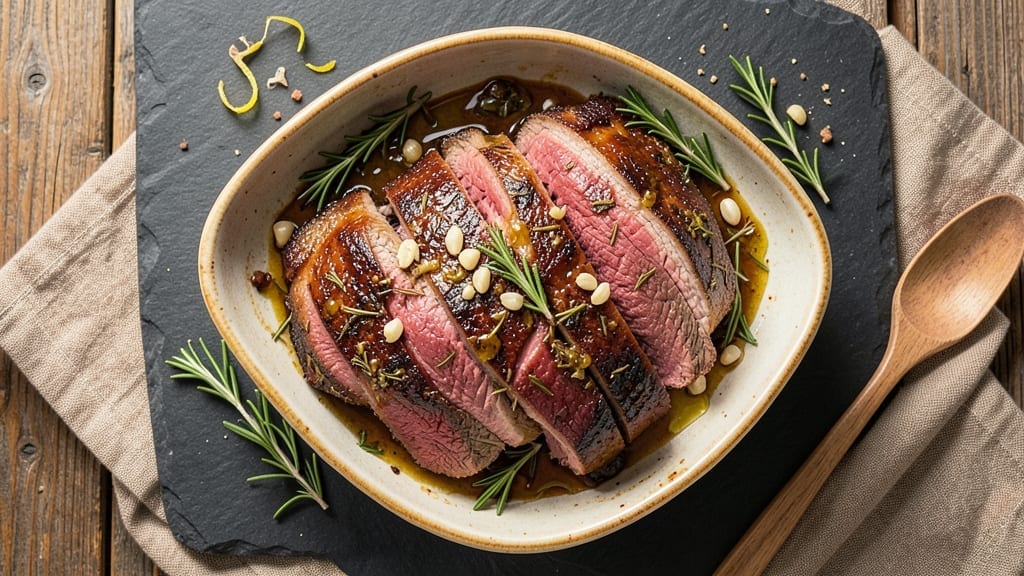
A 500-gram roast beef delivers restaurant-quality results with a perfect blend of herb-crusted exterior and a juicy pink heart—ideal for a satisfying meal without overpowering portions. The secret lies in precise temperature control and a dry-brine technique that enhances flavor and tenderness.
This method transforms tough cuts into melt-in-your-mouth perfection, ensuring every slice is moist and flavorful.
This recipe focuses on simplicity without sacrificing depth, using just a few high-impact ingredients like fresh rosemary, garlic, and Dijon mustard to create a herb-crusted exterior that locks in moisture. The reverse sear technique guarantees a consistent internal temperature, while the resting period ensures the juices redistribute for maximum tenderness.
Whether you prefer medium-rare or medium, this method delivers predictable results every time.
By the time you carve into this roast, you’ll have a beautifully browned crust and a juicy pink center that melts in your mouth.
The aroma alone will transform your kitchen into a cozy dining experience, and the rich, savory flavors make it a standout for weeknight dinners or special occasions. Paired with roasted vegetables or a classic au jus, this roast beef becomes the centerpiece of any meal.
Perfect for feeding two to three people, this recipe balances efficiency with indulgence—no guesswork, just foolproof technique. Let’s get started on creating a roast beef that’s as impressive as it is delicious.
Ingredients for 500 roast beef
High-impact ingredients for a restaurant-worthy 500-gram roast with perfect crust and juicy pink center.
| Ingredient | Amount | Notes |
|---|---|---|
| Ribeye Roast (Center-Cut) 🥩 | 1.1 lb | Approx 500g, trimmed of excess fat |
| Fresh Rosemary 🌿 | ¼ cup | Finely chopped, stems removed |
| Garlic Cloves 🧄 | 6 whole | Minced, fresh preferred |
| Dijon Mustard 🍯 | 1 tbsp | High-quality, smooth variety |
| Extra-Virgin Olive Oil 🫒 | 2 tbsp | For crust and basting |
| Kosher Salt 🧂 | 1 ½ tsp | Diamond Crystal preferred |
| Fresh Thyme 🌿 | ⅛ cup | Leaves only, finely chopped |
| Black Peppercorns 🌶️ | 1 tsp | Freshly cracked, coarse grind |
| Unsalted Butter 🧈 | 2 tbsp | Cold, for finishing crust |
| Beef Tallow or Duck Fat 🍳 | 1 tbsp | For reverse sear, optional |
| Fresh Parsley 🌿 | 0.06 cup | Chopped, for garnish |
The center-cut ribeye roast is non-negotiable for this recipe—its marbling ensures juiciness while the leaner cut forms that ideal crust. Look for USDA Choice or Prime at your butcher or specialty stores like Whole Foods or D’Artagnan. The roast should feel firm but yield slightly when pressed, with visible fat marbling. If buying pre-trimmed, ask for the center-cut section—it’s more tender than the tip. For the herbs, freshness is critical: rosemary and thyme should smell vibrant, not musty, and the garlic should be firm with no sprouting cloves. Costco often carries high-quality ribeye roasts in bulk, making this a budget-friendly splurge for special occasions.
No fresh rosemary? Dried works at half the amount, but the flavor won’t be as bright. Substituting smoked paprika (1 tsp) adds depth if you’re out of thyme. For the fat, olive oil can replace beef tallow, though it lacks the rich flavor. If using Dijon mustard substitutes, a mix of yellow mustard and a pinch of smoked paprika mimics the complexity. The butter should be European-style (like Plugrá) for higher fat content—it makes all the difference in that final crust. For the garlic, powdered garlic (1 tsp) is a pinch-hitter, but fresh is worth the effort. Pre-mincing the garlic saves time during prep, and storing it in an airtight container in the fridge extends its life for up to 2 weeks.
The roast can be prepped 1 day ahead—trim, season, and refrigerate uncovered on a wire rack for 24 hours to dry-brine. This step is non-negotiable for that perfect crust. Fresh herbs should be wrapped in damp paper towels and stored in a sealed container for up to 5 days. The butter and tallow keep for 6 months in the freezer, while the Dijon mustard lasts 1 year unopened. Once cooked, carve against the grain immediately after resting to maximize tenderness. Leftovers reheat beautifully in a low oven (300°F) with a splash of beef broth to retain moisture—3-4 days in the fridge or 3 months frozen.
Why You’ll Love This Recipe
- Foolproof Timing: I swear by this method—just sear the roast in the pan, then let the oven do the work. No fancy thermometers or guesswork; the garlic and rosemary infuse perfectly while you’re making mashed potatoes or tossing a salad.
- Rich, Layered Bite: That crispy crust from the Dijon mustard and olive oil? It’s everything. The rosemary adds a bright, piney kick, while the garlic melts into the beef like a hug—juicy, savory, and impossible to resist.
- Weeknight or Weekend: Between us, this roast is my go-to for any gathering. Too fancy for Tuesday? The mustard glaze keeps it elegant. Too casual for company? The rosemary and garlic make it feel special without effort. It’s the chameleon of roasts.
- Leftovers That Don’t Suck: Honestly, I make this just so I can have sandwiches for days. Thinly sliced, it’s buttery perfection on crusty bread—no sad, dry beef here. And because it’s ribeye, every bite feels like a treat, not a chore.
Step-by-step instructions for herb-crusted ribeye roast
Master this technique for a roast with a deep pink center and herb-encrusted exterior.
Prepare the Herb Crust and Season the Roast
In a small bowl, combine the 0.25 cup fresh rosemary, 0.125 cup fresh thyme, 6 minced garlic cloves, 1.5 tsp kosher salt, and 1 tsp cracked black peppercorns. Add the 1 tbsp Dijon mustard and mix until evenly distributed. This herb blend will create the signature crust while infusing flavor throughout the meat.
Pat the 1.1 lb ribeye roast dry with paper towels—this is critical for achieving a crisp crust. Rub the herb mixture all over the roast, pressing firmly so the herbs adhere. Let it sit at room temperature for 30 minutes while you preheat the oven to 375°F. This resting period ensures even cooking and allows the flavors to penetrate the meat.
Sear the Roast for Maximum Flavor
Heat a heavy oven-safe skillet over medium-high heat. Add the 2 tbsp extra-virgin olive oil and swirl to coat the bottom evenly. Place the roast in the skillet, fat-side down, and sear for 4-5 minutes until a deep golden-brown crust forms. Flip carefully and sear the other side for another 3-4 minutes. This step develops the Maillard reaction, locking in juices and creating that coveted crust.
Transfer the skillet to the preheated oven and roast for 15 minutes. Remove the roast and increase the oven temperature to 425°F. Return the roast to the oven for an additional 10 minutes, basting with the rendered fat in the pan every 3 minutes. This two-stage cooking method ensures a perfectly pink center while developing a rich, caramelized exterior.
Finish with Butter and Fat for Richness
Remove the roast from the oven and let it rest on a cutting board for 10 minutes. This resting period is crucial—it allows the juices to redistribute, preventing them from running out when sliced. While it rests, melt the 2 tbsp unsalted butter and 1 tbsp beef tallow or duck fat together in a small saucepan over low heat. Brush this mixture generously over the roast, allowing it to soak into the crust.
Return the roast to the oven for 5-7 minutes to set the butter crust. The high heat will cause the butter to brown slightly, adding another layer of flavor and texture. This finishing step is what transforms a good roast into an exceptional one—don’t skip it.
Rest and Slice for Optimal Texture
Once the roast is fully browned, transfer it to a warm serving platter. Tent loosely with foil and let it rest for an additional 10 minutes. This final rest ensures the internal temperature remains perfect—130-135°F for medium-rare—while allowing the juices to fully redistribute. Use a meat thermometer to check the temperature; this is the only reliable way to ensure doneness.
Slice the roast against the grain into ½-inch thick slices. Garnish with the 0.0625 cup chopped fresh parsley just before serving. Each slice should reveal a deep pink center with a crisp, herb-encrusted exterior. Serve immediately with your choice of sides to enjoy the perfect balance of juicy interior and flavorful crust.
Pro Tips For Making 500 Roast Beef
- SEAR FIRST, THEN REST: Hit that ribeye with a screaming-hot pan—cast iron if you’ve got it—until it’s deep brown, not just pink. Then walk away for 10 minutes before roasting. I used to skip this, and the crust would turn to sad, gray mush halfway through.
- CHOP GARLIC COARSE: No mincing—smash those garlic cloves with the flat side of your knife first, then chop into rough chunks. They’ll caramelize better and infuse flavor without turning to paste. (Yes, even if it looks “unprofessional.”)
- DON’T OVERWORK THE MUSTARD: Spread Dijon mustard thin—about 1/8-inch thick—over the roast. Thicker layers burn before the meat’s done. Slather it on after searing, not before, or it’ll steam off in the oven.
- USE A MEAT THERMOMETER: Pull the roast at 130°F for medium-rare (135°F for medium). Guessing leads to dry beef or sad, undercooked centers. I learned this after slicing a 5-pound roast that was still pink inside—and overcooked on the edges.
Dietary considerations for this dish
Gluten-Free Adaptations
This roast beef recipe is naturally gluten-free since it relies on fresh herbs, garlic, and olive oil—no wheat-based ingredients here. However, always double-check your Dijon mustard label, as some brands contain gluten as a thickener.
I recommend Annie’s Organic or Maille for certified gluten-free options. The crust and seasoning remain unchanged, so you get all the flavor without worrying about cross-contamination. 🌾
Low-Carb & Keto Options
For a low-carb or keto-friendly version, this recipe is already perfect since it’s meat-focused with minimal carbs. The herb crust provides flavor without any sugar or starches. If you’re strict about macros, skip the Dijon mustard (it can have trace amounts) and use mustard powder instead.
The beef tallow or duck fat adds richness while keeping carbs at zero. Pair with roasted Brussels sprouts or cauliflower mash for a fully keto-compliant meal. 🥦
Allergen Considerations
This recipe contains dairy (butter) and mustard, so it’s not suitable for those with severe allergies to either. For dairy-free, substitute the butter with olive oil or coconut oil—though the crust won’t be as rich.
If mustard is an issue, omit it entirely; the garlic, rosemary, and thyme still deliver bold flavor. Always check labels on kosher salt (some brands process with anti-caking agents containing dairy). For nut-free kitchens, ensure your herbs aren’t processed in shared facilities. 🚫
Dry-Brine for Extra Safety
If you’re serving guests with sodium restrictions, reduce the kosher salt to 1 tsp and extend the dry-brine time to 12 hours in the fridge. This allows the meat to absorb just the right amount of flavor without excessive sodium.
For iron-rich meals, pair with vitamin C (like roasted red peppers) to enhance absorption. The reverse sear method also ensures even cooking, reducing the risk of undercooked meat—always aim for 130°F for medium-rare with a meat thermometer. 💪
Vegetarian Substitutes
While this recipe is meat-centric, you can adapt the technique for portobello mushrooms or seitan by following the same searing and basting steps. Marinate the substitute in soy sauce, garlic, and rosemary for 30 minutes before cooking.
For a vegan butter finish, use Earth Balance or Miyoko’s instead of dairy butter. The herb crust and reverse sear method work beautifully for plant-based roasts too—just adjust cooking times since mushrooms cook faster than beef. 🌱
Nutrition facts
Frequently asked questions
What’s the best cut for a 500-gram roast beef?
A center-cut ribeye roast is ideal for this recipe—it balances tenderness with marbling for juicy results. Look for USDA Choice or Prime quality with visible fat streaks. The center-cut section (not the tip) delivers the most consistent texture and flavor.
Can I cook this roast to medium instead of medium-rare?
Yes, but adjust your internal temperature to 145°F for medium doneness. Use a meat thermometer for accuracy—overcooking can dry out the beef. For medium, reduce the final oven time by 2-3 minutes during the reverse sear stage.
How do I prevent the roast from drying out?
Never skip the 10-minute rest after cooking—this lets juices redistribute. Also, avoid cutting into the roast immediately. For extra moisture, baste with rendered fat every 3 minutes during the final sear. A 500-gram roast cooks quickly, so monitor closely.
What sides pair best with this herb-crusted roast?
Classic choices include roasted garlic mashed potatoes, sautéed green beans with almonds, or a crisp red wine reduction. For a lighter option, try a fresh arugula salad with lemon vinaigrette. The herb flavors complement creamy or earthy sides perfectly.
Can I make this ahead of time?
Prep the herb crust and season the roast 24 hours ahead, then refrigerate uncovered for dry-brining. Cook day-of for best results, but you can reheat sliced roast in a 300°F oven for 10-15 minutes with beef broth to maintain moisture. Never reheat from frozen.

- 3lb Prime Rib Roast Recipe: Juicy Pink Center Guaranteed in 3 Hours - October 31, 2026
- 5 Spice Cake Recipe: Warmly Spiced Layers With Crunchy Top - October 31, 2026
- 1950’s Macaroni and Cheese Recipe: Nostalgic Creamy Cheese Sauce with Buttery Noodles - October 31, 2026