
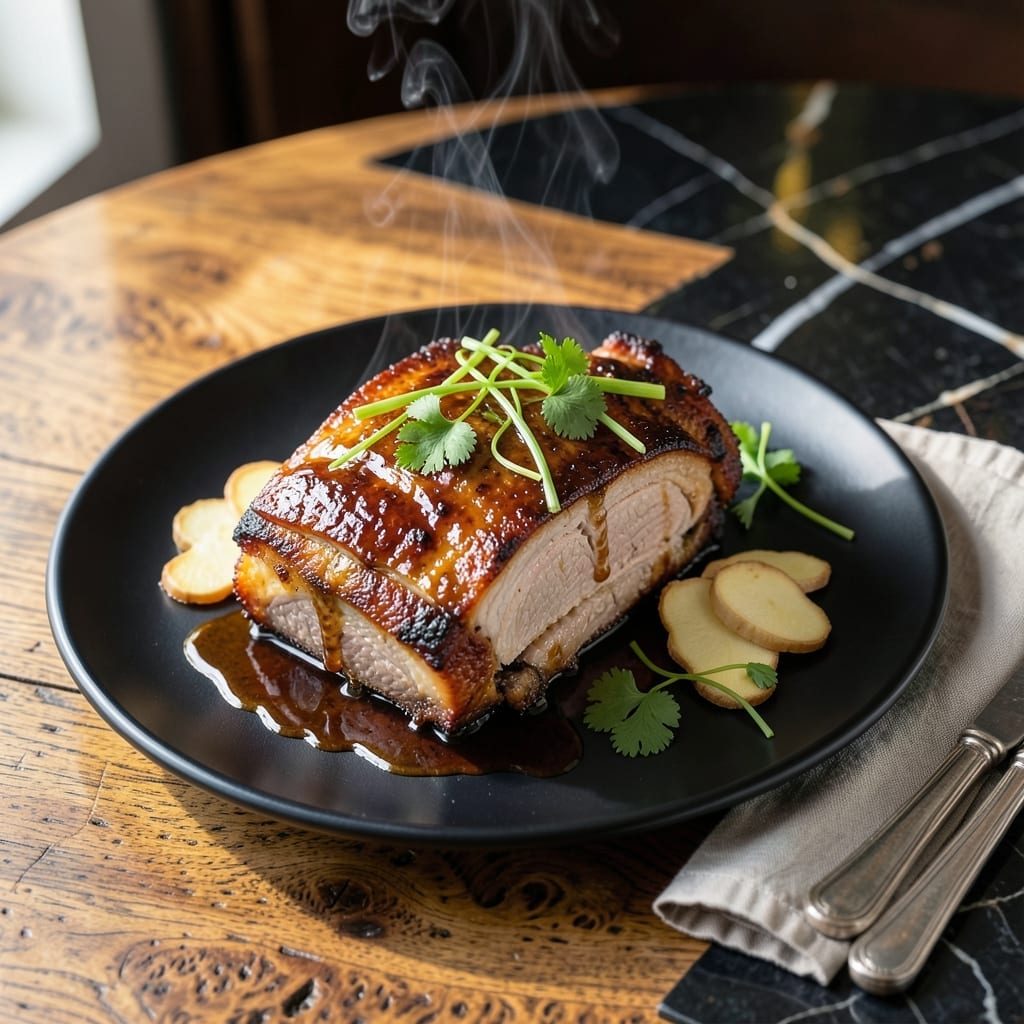
This slow-cooked Asian pork butt transforms tough cuts into melt-in-your-mouth tenderness with layers of umami flavor. The secret lies in a balance of sweet, salty, and savory notes that develop over hours of gentle cooking.
I’ve perfected this method to ensure the meat absorbs every spice and sauce, resulting in a dish that’s rich without being overpowering. A simple marinade and low heat work together to break down the fibers and infuse the pork with depth.
The final result is fork-tender pork with a caramelized exterior and juicy interior, ready to serve over rice or noodles. Each bite delivers a harmonious blend of flavors that feels both comforting and complex.
Perfect for gatherings or a special weeknight meal, this recipe rewards patience with restaurant-quality results every time.
Ingredients for Asian Pork Butt
These ingredients transform pork butt into a tender, umami-packed masterpiece ready for your table.
| Ingredient | Amount | Notes |
|---|---|---|
| Pork Butt 🥩 | 3 lb | Bone-in, skin-on preferred |
| Soy Sauce 🫒 | ½ cup | Low-sodium for balance |
| Brown Sugar 🍚 | ½ cup | Light or dark works |
| Hoisin Sauce 🥫 | ⅓ cup | Thick, sweet-savory glaze |
| Rice Vinegar 🍶 | 3 tbsp | Balances sweetness with acidity |
| Fresh Ginger 🌿 | 2 tbsp | Minced for aromatic depth |
| Garlic Cloves 🧄 | 6 cloves | Minced for robust flavor |
| Sesame Oil 🫒 | 1 tbsp | Toasted for nutty aroma |
| Chinese Five-Spice Powder 🌶️ | 1 tsp | Warm, complex blend |
| Red Pepper Flakes 🔥 | ½ tsp | Adjust for heat preference |
| Green Onions 🧅 | 4 whole | Thinly sliced for garnish |
| Jasmine Rice 🍚 | 2 cups | Uncooked, for serving |
| Chicken Stock 🥣 | 1 cup | Low-sodium preferred |
| Cornstarch 🌾 | 2 tbsp | For thickening sauce |
| Water 💧 | ¼ cup | To mix with cornstarch |
The pork butt is non-negotiable here—bone-in, skin-on gives the best texture and flavor. Look for well-marbled pieces at Whole Foods or a trusted butcher. For the soy sauce, low-sodium lets you control the salt without sacrificing depth. The hoisin adds that signature sticky, savory-sweet note you expect in authentic Asian cooking. Don’t skip the sesame oil; its nutty aroma ties everything together.
No hoisin? Mix equal parts soy sauce and brown sugar with a dash of garlic powder. Fresh ginger is ideal, but ground ginger at half the amount works in a pinch. If you’re avoiding gluten, swap the soy sauce for tamari. The rice vinegar can be replaced with apple cider vinegar, though the flavor will be slightly more assertive. For heat, Sriracha or gochujang can stand in for the red pepper flakes.
Store the pork butt in the fridge for up to 3 days before cooking, or freeze for 6 months. The cooked pork keeps for 4-5 days in the fridge and reheats beautifully. The sauce can be made ahead and reheated gently—it’ll thicken as it cools, so stir in a splash of water if needed.
Why You’ll Love This Recipe
- Set and Forget: I toss everything in the slow cooker before work and come home to fall-apart tender pork.
- Sweet-Savory Magic: The hoisin and brown sugar caramelize into this ridiculous sticky glaze that coats every bite.
- Feeds My Crew: One pork butt makes enough for tacos, rice bowls, and sandwiches all week.
- Pantry Staples: Between us, I always have soy sauce and rice vinegar on hand—no special shopping required.
Step-by-Step Instructions for Asian Pork Butt
Master the technique for fall-apart tender pork with layers of complex, savory-sweet flavor.
Step 1: Sear and Season the Pork Butt
Pat the 3 lb Pork Butt dry with paper towels to ensure a proper sear. Heat a large Dutch oven over medium-high heat and add the 1 tbsp Sesame Oil. Once shimmering, sear the pork on all sides until deeply browned, about 3-4 minutes per side.
Transfer the pork to a plate and reduce heat to medium. In the same pot, add the minced 2 tbsp Fresh Ginger and 6 cloves Garlic Cloves. Sauté for 1-2 minutes until fragrant, ensuring they don’t burn—burnt aromatics will impart bitterness to the dish.
Step 2: Build the Braising Liquid
Pour in the 0.5 cup Soy Sauce, 0.5 cup Brown Sugar, 0.33 cup Hoisin Sauce, 3 tbsp Rice Vinegar, 1 tsp Chinese Five-Spice Powder, and 0.5 tsp Red Pepper Flakes. Stir to combine, scraping up any browned bits from the bottom of the pot. These fond bits dissolve into the liquid, adding depth to the sauce.
Return the pork to the pot, spooning some of the sauce over the top. The liquid should come about halfway up the pork. If it doesn’t, add a splash of the 1 cup Chicken Stock to adjust. Bring the mixture to a gentle simmer.
Step 3: Braise to Tenderness
Cover the pot and transfer it to a preheated 325°F oven. Braise for 2.5 to 3 hours, turning the pork halfway through, until the meat is fork-tender and pulls apart easily. The low and slow cook time allows the collagen in the pork to break down, resulting in melt-in-your-mouth texture.
Check occasionally to ensure the liquid maintains a gentle simmer. If it reduces too quickly, add a bit more Chicken Stock to keep the pork partially submerged. The aroma filling your kitchen will be intoxicating—rich, sweet, and umami-packed.
Step 4: Thicken the Sauce and Finish
Carefully remove the pork from the pot and place it on a cutting board. Skim any excess fat from the surface of the braising liquid. In a small bowl, whisk together the 2 tbsp Cornstarch and 0.25 cup Water until smooth. Stir this slurry into the pot and simmer over medium heat for 3-4 minutes until the sauce thickens into a glossy, spoon-coating consistency.
Shred the pork using two forks, discarding any large fat chunks. Return the shredded pork to the pot and toss to coat evenly in the thickened sauce. Let it sit for 5-10 minutes to absorb the flavors fully.
Step 5: Serve with Jasmine Rice and Garnish
Cook the 2 cups Jasmine Rice according to package instructions, using the remaining Chicken Stock for added flavor. Spoon the pork and its luscious sauce over the steamed rice. Garnish with thinly sliced 4 whole Green Onions for a fresh, oniony contrast.
The pork should be incredibly tender, with every bite infused with the deep, balanced flavors of the braising liquid. The sauce clings perfectly to the rice, ensuring no drop of flavor is wasted.
Pro Tips For Making Asian Pork Butt
- Score the Fat: Cut 1/4-inch crosshatches into the pork butt’s fat cap before marinating—this lets the soy-hoisin mixture penetrate deeper and crisp up better during cooking.
- Bloom the Sugar: Toast the brown sugar in a dry pan for 1-2 minutes until fragrant before mixing it into the marinade; it deepens the caramelized flavor in the final dish.
- Don’t Rush the Marinade: Give the pork at least 4 hours in the soy-hoisin-brown sugar mix, or better yet, overnight—I learned this the hard way after a few bland, under-seasoned batches.
- Use the Braising Liquid: After braising, reduce the leftover cooking liquid by half and drizzle it over the shredded pork—it’s an easy upgrade that packs in extra flavor without extra effort.
Troubleshooting This Dish
Pork Not Tender
If your pork isn’t falling apart after braising, it likely needs more time. Return it to the 325°F oven for another 30-45 minutes. I check by piercing with a fork—it should slide in with no resistance. Low and slow is key here. 💡
Sauce Too Thin
If your sauce hasn’t thickened, extend the reduction time on the stovetop. Simmer uncovered over medium heat for 5-10 minutes. If needed, mix an extra 1 tbsp Cornstarch with 2 tbsp Water and stir in gradually.
Sauce Too Thick
If the sauce becomes too thick, stir in ¼ cup Chicken Stock or water, 1 tbsp at a time, until it reaches your desired consistency. The sauce should coat the back of a spoon but still drip slowly.
Bitter Flavor
Burnt aromatics or over-reduced sauce can cause bitterness. If this happens, balance it with 1 tbsp Brown Sugar or a splash of Rice Vinegar. I also recommend starting fresh with new ginger and garlic to avoid this issue.
Pork Too Salty
If your pork tastes too salty, soak the meat in cold water for 15-20 minutes to draw out excess salt. For future batches, use low-sodium Soy Sauce and taste the braising liquid before adding the pork.
Dry Pork
If the pork seems dry, shred it and toss with extra sauce. Next time, ensure the liquid covers at least half the pork during braising. I also baste the pork with the sauce every 30-45 minutes during cooking. ⚡
Nutrition Facts
Frequently Asked Questions
What’s the ideal cooking temperature?
Braise in the oven at 325°F for 2.5 to 3 hours. This low and slow method ensures the meat becomes fork-tender without drying out.
Can I use a slow cooker instead?
Yes! Cook on low for 8 hours or high for 5-6 hours. Skip the oven step and follow the same marinade and liquid ratios for the same rich results.
How do I store leftovers?
Store in an airtight container in the fridge for 4-5 days or freeze for up to 3 months. Reheat gently on the stove with a splash of water to restore moisture.
What if my sauce is too salty?
Balance it with 1 tbsp Brown Sugar or a splash of Rice Vinegar. Next time, use low-sodium Soy Sauce to control the flavor better.

- 6 Egg Cake Recipe with Oil: Light as Air With Buttery Moisture - October 4, 2026
- 4 Bean Casserole Recipe: One-Pan Heartiness With Smoky Paprika Depth - October 4, 2026
- 3-Ingredient Keto Mug Cake Recipe: Microwave Magic in 2 Minutes - October 4, 2026