
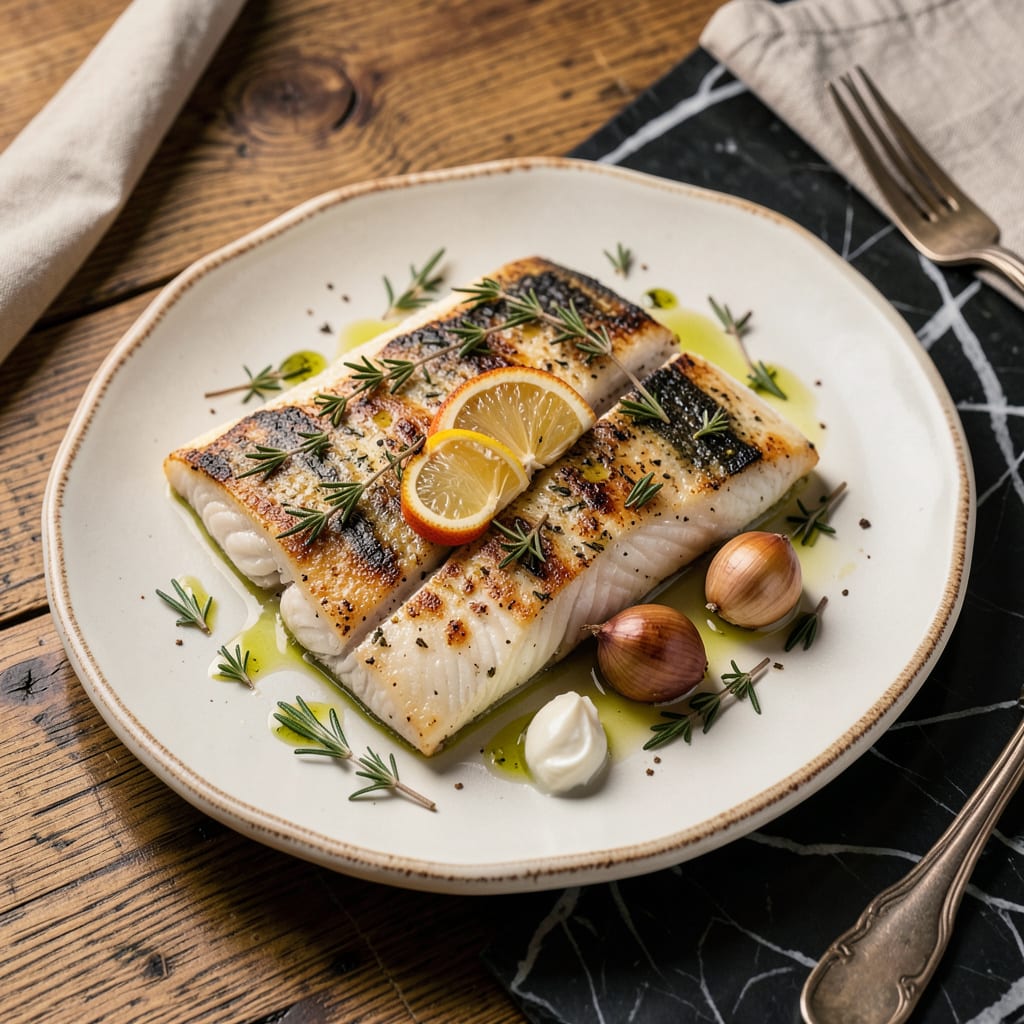
Freshwater largemouth bass offers a delicate, mild flavor that shines when prepared with simple, high-quality ingredients. This baking method preserves the fish’s natural moisture while creating a golden, herb-infused crust that complements its tender texture. The combination of bright lemon and aromatic herbs enhances the bass’s subtle sweetness without overpowering it.
The technique ensures flaky, perfectly cooked fish every time—crisp on the outside, tender within. At 375°F, the bass bakes to ideal doneness in just 15-20 minutes, making it an elegant yet approachable option for weeknight dinners or special occasions. Rich in protein and omega-3s, this preparation highlights why freshwater fish deserves a place at your table.
Ingredients for Baked Largemouth Bass
Freshwater largemouth bass fillets combine with aromatic herbs, citrus, and crisp panko for an elegant yet approachable baked preparation.
| Ingredient | Amount | Notes |
|---|---|---|
| Freshwater Largemouth Bass Fillets 🐟 | 1 ½ lb | Skin-on, 1-inch thickness preferred |
| Extra-Virgin Olive Oil 🫒 | 3 tbsp | Divided for brushing and drizzling |
| Unsalted Butter 🧈 | 2 tbsp | Melted for herb infusion |
| Fresh Lemon 🍋 | 1 whole | Zested and juiced (2 tbsp juice) |
| Fresh Thyme Sprigs 🌿 | 4 sprigs | Leaves stripped, stems discarded |
| Fresh Rosemary 🌿 | 1 sprig | Finely chopped (1 tbsp yield) |
| Garlic Cloves 🧄 | 3 cloves | Minced to fine consistency |
| Dijon Mustard 🟡 | 1 tbsp | Smooth variety, not grainy |
| Kosher Salt 🧂 | 1 ½ tsp | Diamond Crystal preferred |
| Freshly Ground Black Pepper 🌶️ | ½ tsp | Medium-coarse grind |
| Panko Breadcrumbs 🍞 | ½ cup | Japanese-style for crisp texture |
| Fresh Flat-Leaf Parsley 🌿 | ¼ cup | Chopped for garnish |
| Lemon Slices 🍋 | 4 slices | Thin, for serving |
The bass fillets are paramount—source from reputable seafood markets or specialty grocers with high turnover. Opt for 1-inch thick, skin-on fillets for even cooking and moisture retention. The extra-virgin olive oil should be robust (California Olive Ranch or Colavita) to withstand baking temperatures without burning. For herbs, organic thyme and rosemary from Whole Foods or local farmers markets offer superior aroma compared to conventional supermarket varieties. The butter should be European-style (Plugrá or Kerrygold) for its higher fat content, which enhances crust formation.
Substitutions require careful balance to maintain the dish’s integrity. Branzino or striped bass can replace largemouth bass at a 1:1 ratio. For the panko, homemade breadcrumbs (toasted with olive oil) work in a pinch, though texture will differ. Lemon juice must be fresh—bottled concentrate lacks brightness. If thyme is unavailable, marjoram at half the quantity provides complementary notes. The Dijon mustard is non-negotiable; yellow mustard introduces unwanted sweetness that disrupts the flavor profile.
Prepare the herb butter mixture up to 24 hours ahead—store refrigerated in an airtight container. The breaded fillets should be baked immediately after assembly to prevent sogginess. Leftovers maintain quality for 2 days refrigerated; reheat gently at 300°F to preserve texture. For optimal freshness, purchase fish the day of cooking and keep chilled on ice until preparation. The lemon-herb crust components can be pre-measured and stored separately for 1 week in the pantry.
Why You’ll Love This Recipe
- One Pan Magic: I love that this comes together on a single sheet pan—just toss the fillets with olive oil, butter, lemon slices, and thyme, then let the oven do the work. No splattering, no complicated steps, and cleanup is a breeze.
- That Lemon-Butter Glaze: When the bass bakes, the lemon juice and butter melt into this golden, slightly tangy glaze that soaks into the flaky fish. Honestly, I could drink that pan sauce with a spoon.
- Weeknight or Weekend: This is my go-to when I need something fast but impressive—equally solid for a solo dinner or when friends drop by unexpectedly. (Yes, even on a Tuesday night.)
- Leftovers? No Problem: The fillets reheat beautifully in the oven or cold on a salad the next day. I’ll be real: it’s one of the few fish dishes that actually tastes better the second time around.
Step-by-Step Instructions for Baked Largemouth Bass
This method ensures perfectly flaky fish with a crispy lemon-herb crust every time.
Step 1: Prepare the Herb-Infused Butter Mixture
Begin by melting the 2 tbsp unsalted butter in a small saucepan over low heat. Immediately add the 1 tbsp finely chopped rosemary, leaves from the 4 sprigs fresh thyme, and the 3 cloves minced garlic. Allow this to infuse for 2-3 minutes until fragrant but not browned. Remove from heat and stir in the 1 tbsp Dijon mustard and zest from the 1 whole fresh lemon. This aromatic butter will form the flavor foundation for your crust.
The key here is gentle heat—you want to coax out the essential oils from the herbs without burning the garlic. The mixture should smell intensely fragrant but maintain its bright green color. Set this aside to cool slightly while you prepare the fillets.
Step 2: Season and Coat the Bass Fillets
Pat the 1.5 lb freshwater largemouth bass fillets completely dry with paper towels. This step is crucial for achieving crispy skin. Season both sides evenly with the 1.5 tsp kosher salt and 0.5 tsp freshly ground black pepper. Brush the skin side lightly with 1 tbsp extra-virgin olive oil from your 3 tbsp total.
Using a pastry brush, apply the cooled herb butter mixture evenly over the flesh side of each fillet. The butter should form a thin, even layer that will crisp during baking. Immediately press the 0.5 cup panko breadcrumbs onto the buttered surface, creating a uniform crust. Press gently but firmly to ensure good adhesion.
Step 3: Arrange and Bake to Perfection
Preheat your oven to 400°F and position a rack in the upper third. Line a baking sheet with parchment paper. Arrange the crusted fillets on the sheet, leaving 1 inch between each piece for even air circulation. Drizzle the remaining 2 tbsp extra-virgin olive oil over the breadcrumb topping.
Bake for 12-15 minutes until the crust is golden brown and the fish flakes easily when tested with a fork. The internal temperature should reach 145°F at the thickest point. Watch closely during the final minutes—the panko can go from golden to burnt quickly. The fillets should appear opaque throughout with no translucent areas remaining.
Step 4: Finish with Fresh Herbs and Lemon
Remove the fillets from the oven and immediately squeeze 2 tbsp juice from the fresh lemon over the hot fish. The acid will brighten all the flavors and cut through the richness of the butter. Sprinkle evenly with the 0.25 cup chopped flat-leaf parsley, allowing the residual heat to wilt the herbs slightly.
Let the fish rest for 3 minutes before serving. This brief rest allows the juices to redistribute throughout the fillets. Transfer to serving plates, garnishing each with one of the 4 lemon slices. The contrast between the crispy herb crust and tender, flaky fish should be perfect in every bite.
Step 5: Serve with Proper Technique
When plating, use a wide spatula to support the entire fillet, preventing the delicate fish from breaking apart. The skin should release cleanly from the parchment if properly crisped. Serve immediately while the crust remains crisp.
For optimal texture contrast, serve with simple sides that won’t compete with the fish’s delicate flavor. Steamed asparagus or a light arugula salad with lemon vinaigrette complements the dish beautifully. The lemon-herb crust should maintain its crunch for at least 10 minutes after baking if served promptly.
Creative Variations of These Flavors
Cajun Blackened Style
Swap the herb butter for a bold Cajun rub by combining 2 tsp smoked paprika, 1 tsp garlic powder, 1 tsp onion powder, ½ tsp cayenne, and ½ tsp dried oregano. Coat the fillets with 1 tbsp olive oil before pressing the spice mix onto the flesh. Bake at 425°F for 12 minutes for a smoky, slightly charred crust. The heat level is perfect—spicy but not overwhelming. 🔥
Mediterranean Twist
Replace the panko with a mixture of ¼ cup crushed pistachios and ¼ cup plain breadcrumbs. Add 1 tsp ground cumin and ½ tsp coriander to the herb butter. Top baked fillets with a tomato-olive relish made from ½ cup diced cherry tomatoes, ¼ cup chopped Kalamata olives, and 1 tbsp capers. The nutty crunch pairs beautifully with the fish’s delicate flavor.
Asian-Inspired Glaze
Skip the breadcrumbs and brush fillets with a glaze of 2 tbsp soy sauce, 1 tbsp honey, 1 tbsp rice vinegar, and 1 tsp grated ginger. Bake as directed, then broil for 2 minutes to caramelize. Garnish with thinly sliced scallions and sesame seeds. This variation transforms the dish into a sweet-savory showstopper that pairs perfectly with jasmine rice.
Parmesan-Crusted Version
Mix the panko breadcrumbs with ¼ cup grated Parmesan cheese and 1 tsp lemon zest for an Italian-inspired crust. The cheese creates an extra-crispy topping that browns beautifully. I love adding a sprinkle of red pepper flakes to the herb butter for subtle heat. Serve with a simple arugula salad dressed with lemon vinaigrette to balance the richness.
Tropical Citrus Variation
Replace the lemon with lime zest and juice, and add ¼ cup finely diced mango to the herb butter mixture. The tropical notes complement the bass’s mild flavor beautifully. Garnish with toasted coconut flakes and fresh cilantro. This version feels like a vacation on a plate—bright, fresh, and perfect for summer evenings.
Herb-Crusted Alternative
For a gluten-free option, replace panko with ½ cup almond flour mixed with 2 tbsp nutritional yeast. The almond flour creates a delicate, nutty crust while keeping the dish low-carb. Increase the herb butter by 1 tbsp to help the alternative crust adhere properly. The result is just as crispy and flavorful, with added protein from the almonds.
Nutrition Facts
Frequently Asked Questions
What’s the best way to tell when the bass is fully cooked?
The fish is done when it reaches an internal temperature of 145°F at its thickest point. You’ll also notice the flesh turns opaque and flakes easily with a fork. The crust should be golden brown—watch closely after 12 minutes to prevent over-browning.
Can I use frozen fillets instead of fresh?
Yes, but thaw them properly first. Place frozen fillets in the refrigerator overnight or submerge sealed packages in cold water for 30-45 minutes. Pat completely dry before seasoning—excess moisture prevents crispy crust formation. Never microwave-thaw, as this can partially cook the fish unevenly.
Why did my breadcrumb topping burn before the fish cooked through?
This usually happens when the oven temperature is too high or the fillets are too close to the heating element. Try baking at 375°F instead of 400°F, and position the rack in the middle of the oven. For thicker fillets, tent loosely with foil after 10 minutes of baking.
What’s the best way to store leftovers?
Cool completely, then transfer to an airtight container with parchment paper between layers. Refrigerate for up to 2 days. Reheat gently at 300°F for 8-10 minutes to preserve texture—microwaving makes the crust soggy. The lemon-herb flavors actually deepen overnight!

- 6 Egg Cake Recipe with Oil: Light as Air With Buttery Moisture - October 4, 2026
- 4 Bean Casserole Recipe: One-Pan Heartiness With Smoky Paprika Depth - October 4, 2026
- 3-Ingredient Keto Mug Cake Recipe: Microwave Magic in 2 Minutes - October 4, 2026