
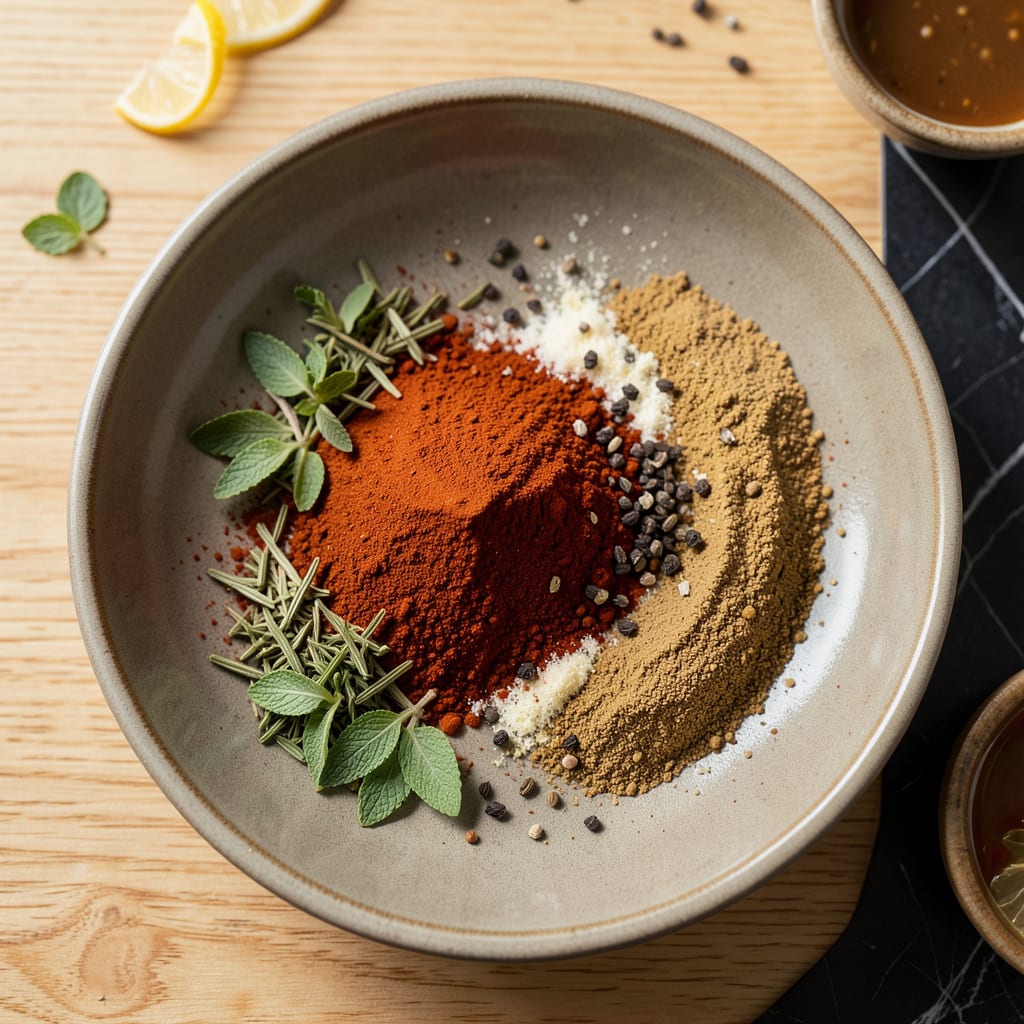
Creating a perfectly balanced bean soup starts with the right seasoning blend. This professional-grade mix combines smoked paprika, cumin, and garlic powder for a robust flavor foundation that transforms simple beans into a deeply satisfying dish.
Designed for convenience, this dry blend stores beautifully in an airtight container for up to six months. Use 1 tablespoon per 4 cups of cooked beans to achieve consistent, restaurant-quality results every time. The carefully calibrated ratios ensure balanced flavor without overpowering your soup base.
Ingredients for Bean Soup Seasoning
Nine carefully calibrated spices create this professional-grade bean soup seasoning blend for consistent, restaurant-quality results.
| Ingredient | Amount | Notes |
|---|---|---|
| Smoked Paprika 🌶️ | 2 tbsp | Sweet or hot variety acceptable |
| Ground Cumin 🌿 | 1 ½ tbsp | Freshly toasted for optimal aroma |
| Garlic Powder 🧄 | 2 tbsp | Not garlic salt substitute |
| Onion Powder 🧅 | 1 ½ tbsp | Freshly ground preferred |
| Dried Oregano 🍃 | 1 tbsp | Mexican oregano preferred |
| Ground Black Pepper 🌶️ | 1 tbsp | Freshly ground for potency |
| Sea Salt 🧂 | 1 tbsp | Fine grain for even distribution |
| Cayenne Pepper 🔥 | ½ tsp | Adjust for heat preference |
| Dried Thyme 🌿 | 1 tsp | Crushed between fingers |
[recipeingredientscaler]
Optimal quality requires fresh spices with vibrant color and aroma. Penzeys or bulk sections at natural food stores provide superior potency. The smoked paprika and cumin are foundational—ensure they’re recently purchased (within 6 months) for maximum impact. Professional kitchens use Mexican oregano for its earthy complexity, though standard oregano works in a pinch.
Substitutions must maintain balance: ground coriander at half the quantity can replace cumin in emergencies. For heat adjustment, red pepper flakes at one-quarter the amount stand in for cayenne. The garlic and onion powders are non-negotiable—fresh minced equivalents alter the dry blend’s consistency. Standard practice is to toast whole spices before grinding for enhanced depth.
Storage in an airtight container preserves potency for 6 months. Keep in a cool, dark cabinet—never above the stove. The blend’s calibrated ratios ensure 1 tablespoon per 4 cups cooked beans delivers consistent flavor. For bulk preparation, multiply quantities by four and store in vacuum-sealed bags to prevent moisture absorption.
Why You’ll Love This Recipe
- No Measuring Cups: I just eyeball everything—two shakes of smoked paprika, a palmful of cumin, and it still turns out perfect every time. No fussing with teaspoons when I’m already juggling dinner and a toddler’s homework meltdown.
- Smoky, Earthy Magic: That first whiff when the spices hit the hot oil? The smoked paprika and cumin bloom into this warm, almost campfire-like aroma that makes the whole kitchen smell like comfort. It’s the reason my picky nephew asks for “that bean soup” by name.
- Soup, Stews, Even Tacos: Honestly, I make a double batch and use it for everything—black beans, lentil stew, even sprinkled on roasted chickpeas. It’s my secret for making weeknight meals taste like they simmered all day.
- Pantry Staples Only: No last-minute grocery runs. These are the same spices I already keep for chili and tacos, so it’s basically free flavor. I’ll be real: this mix has saved me from “what’s for dinner” panic more times than I can count.
Step-by-Step Instructions for Bean Soup Seasoning
This method ensures maximum flavor extraction and perfect balance in every batch.
Step 1: Prepare the Spice Foundation
Begin by measuring all ingredients precisely. I use a dedicated spice measuring set for accuracy, as volume measurements for powders can vary significantly. Combine the 2 tbsp smoked paprika and 1.5 tbsp ground cumin in a medium mixing bowl. These two spices form the aromatic base of your blend, with the paprika providing smoky depth and the cumin contributing earthy warmth.
The quality of your cumin matters here. Freshly toasted cumin seeds ground immediately before use will yield superior aroma compared to pre-ground cumin that’s been sitting in your pantry for months. If using pre-ground, ensure it’s within six months of purchase for optimal potency.
Step 2: Incorporate the Aromatic Powders
Add the 2 tbsp garlic powder and 1.5 tbsp onion powder to the bowl. These ingredients provide the savory backbone of the seasoning. I prefer garlic powder over granulated garlic for this blend, as its finer texture distributes more evenly throughout the mixture.
Use a whisk to thoroughly combine the ingredients. The goal is complete integration—no visible streaks of individual spices should remain. Pay particular attention to breaking up any clumps in the garlic or onion powder, as these can create uneven flavor distribution in your finished soup. The mixture should appear uniformly reddish-brown at this stage.
Step 3: Balance with Herbs and Heat
Incorporate the 1 tbsp dried oregano, 1 tbsp ground black pepper, and 1 tbsp sea salt. For the oregano, Mexican oregano offers a more complex, slightly citrusy profile that complements bean soups particularly well. If using Mediterranean oregano, increase the quantity by 25% to achieve similar intensity.
The black pepper should be freshly ground for maximum pungency. As you add it, you’ll notice the blend darkening slightly and developing a more pronounced aroma. The sea salt acts as a flavor amplifier—ensure you’re using fine-grain salt for even distribution throughout the mixture.
Step 4: Add Final Layers of Complexity
Complete the blend with the 0.5 tsp cayenne pepper and 1 tsp dried thyme. The cayenne provides controlled heat that builds gradually in the finished soup. For a milder version, reduce to ¼ tsp; for more intensity, increase to ¾ tsp. Crush the dried thyme between your fingers as you add it to release its essential oils.
Whisk the mixture vigorously for at least 2 minutes to ensure complete integration. The final blend should have a cohesive reddish-brown color with visible specks of black pepper and thyme. Transfer to an airtight container immediately to preserve the volatile aromatic compounds.
Step 5: Store for Optimal Freshness
Store the seasoning blend in a cool, dark place for up to 3 months. For extended storage up to 6 months, keep it in the refrigerator. The flavor profile will evolve over time, with the smoky notes becoming more pronounced after the first week.
Before each use, give the container a good shake to redistribute any settled spices. For bean soups, I recommend using 1 tbsp of blend per cup of dried beans during cooking, then adjusting to taste at the end. This ensures the flavors penetrate the beans during the long simmering process.
Make-Ahead Tips for Leftovers
Batch Preparation
I always make a double batch of this seasoning blend—it keeps beautifully and saves time. Simply multiply all ingredients by two and use a large mixing bowl. A 16-ounce mason jar holds the doubled quantity perfectly. Label your jar with the date and “2x batch” so you
Pre-Portioning Soup Starters
For ultimate convenience, I portion the blend into small 2-tbsp servings using mini snack bags. Each bag seasons 4 cups of cooked beans perfectly. Store these pre-measured packets in a larger airtight container. When making soup, just grab a packet and toss it in—no measuring required during busy weeknights.
Infused Oil Base
Create a flavor-boosted cooking oil by combining ½ cup olive oil with 2 tbsp of the seasoning blend in a small saucepan. Warm gently over low heat for 5 minutes, then strain and store in a dark glass bottle. Use this infused oil to sauté your soup vegetables for an extra layer of seasoning from the very first step.
Slow Cooker Ready
For dump-and-go slow cooker meals, combine the seasoning with dried beans and other ingredients in a freezer bag. I use 1 tbsp blend per cup of dried beans plus 4 cups vegetable broth. Freeze flat, then transfer to your slow cooker in the morning. The spices will bloom beautifully during the long cooking time.
Gift Jar Presentation
This makes a wonderful homemade gift. Layer the spices in a clear 8-ounce jar for visual appeal, starting with the darkest (cayenne) at the bottom and ending with the lightest (salt) on top. Attach a tag with usage instructions: “1 tbsp per 4 cups cooked beans—simmer for 30 minutes to develop full flavor.”
Flavor Development Trick
For even deeper flavor, toast the cumin and oregano in a dry skillet over medium heat for 2 minutes before mixing with other spices. Let cool completely before combining. This extra step releases essential oils that make your soup taste like it simmered all day. The aroma alone will convince you it’s worth the effort. 🌿
Nutrition Facts
Frequently Asked Questions
How long does this seasoning blend stay fresh?
Stored in an airtight container in a cool, dark cabinet, the blend maintains peak flavor for 3 months. For longer storage up to 6 months, keep it refrigerated. Always check for vibrant color and aroma before using.
Can I adjust the heat level in this mix?
For milder flavor, reduce the cayenne to ¼ tsp. For more heat, increase to ¾ tsp or add ½ tsp chipotle powder. Remember that flavors intensify as the soup simmers, so start conservative.
What’s the best way to use this in slow cooker recipes?
Add 1 tbsp per cup of dried beans at the beginning of cooking. The long simmer time allows the spices to fully infuse. For best results, bloom the seasoning first by mixing it with 2 tbsp hot broth before adding to the pot.
Can I substitute fresh herbs for the dried ones?
Not directly in the dry blend, as fresh herbs would introduce moisture. However, you can add fresh herbs like thyme or oregano to your soup during the last 30 minutes of cooking. Use 3x the amount since fresh herbs are less concentrated.
Why does my soup taste bitter after adding this seasoning?
Bitterness usually comes from over-toasted or old spices. Ensure your cumin and paprika are fresh (purchased within 6 months). If using toasted spices, watch them closely—they should smell fragrant, not burnt. A pinch of sugar can balance unexpected bitterness.

- 6 Egg Cake Recipe with Oil: Light as Air With Buttery Moisture - October 4, 2026
- 4 Bean Casserole Recipe: One-Pan Heartiness With Smoky Paprika Depth - October 4, 2026
- 3-Ingredient Keto Mug Cake Recipe: Microwave Magic in 2 Minutes - October 4, 2026