
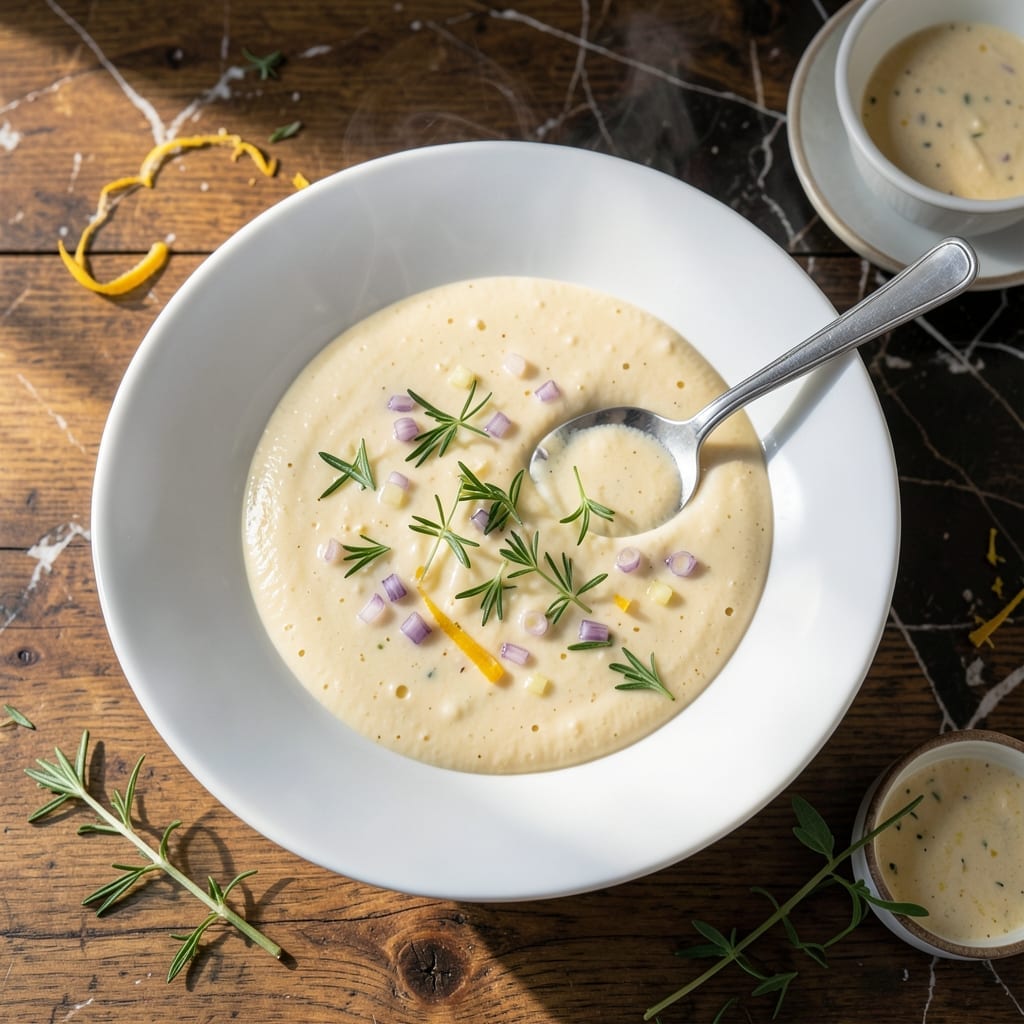
Mastering béarnaise sauce at home is simpler than most realize. This classic French condiment delivers rich, buttery flavor with just a few ingredients and 15 minutes of attention.
I’ve perfected a foolproof method that skips the intimidation of traditional techniques. The key is maintaining precise temperature control while whisking to create a smooth, stable emulsion.
What results is a velvety sauce with balanced tarragon notes and a subtle acidity that elevates steak, fish, or vegetables. The texture remains silky even when reheated.
This version stays true to its French roots while being accessible to home cooks. The process is straightforward, and the results are consistently impressive.
Ingredients for Bearnaise Sauce Recipe Easy
Nine ingredients transform into this silky French classic with minimal effort.
| Ingredient | Amount | Notes |
|---|---|---|
| Unsalted Butter 🧈 | ½ cup | Melted and clarified |
| Egg Yolks 🥚 | 3 whole | Room temperature preferred |
| White Wine Vinegar 💧 | 2 tbsp | Or substitute tarragon vinegar |
| Fresh Tarragon 🌿 | 1 tbsp | Finely chopped, plus extra for garnish |
| Shallot 🧅 | 1 whole | Finely minced |
| Dry White Wine 🍷 | 2 tbsp | Sauvignon Blanc or Chardonnay |
| Kosher Salt 🧂 | ¼ tsp | Plus more to taste |
| Freshly Ground Black Pepper 🌶️ | ¼ tsp | White pepper optional |
| Lemon Juice 🍋 | 1 tsp | Freshly squeezed |
The butter quality is non-negotiable for béarnaise. European-style unsalted butter (like Plugrá or Kerrygold) has higher fat content, which creates a more stable emulsion. The shallots should be translucent, not browned—low and slow heat is key. Fresh tarragon is essential for authentic flavor; dried simply won’t deliver the same bright, anise-like notes. Whole Foods or specialty grocers typically stock it fresh.
No white wine? Substitute with additional vinegar plus a pinch of sugar to balance acidity. In a pinch, dry vermouth works beautifully. If tarragon is unavailable, a mix of dill and chervil (at half the amount) approximates the flavor. For a richer sauce, some chefs add 1 tsp of heavy cream to the reduction. The egg yolks must be room temperature to prevent curdling—cold yolks can break your emulsion.
Béarnaise holds at room temperature for 1-2 hours in a thermos. Refrigerate in an airtight container for up to 2 days—reheat gently in a double boiler, whisking constantly. For longer storage, freeze in ice cube trays for up to 1 month. Always discard if separation occurs or if left at room temperature beyond 2 hours.
Why You’ll Love This Recipe
- No Fuss Whisking: I can make this in one bowl with just a whisk—no fancy equipment, just butter, yolks, and vinegar coming together smoothly.
- Tarragon Magic: The fresh tarragon and shallot give it that bright, herby kick that makes every bite feel restaurant-worthy.
- Steak’s Best Friend: Honestly, it’s not just for steak—I drizzle it over veggies, fish, even toast, and it works every time.
- Budget Luxury: A little goes a long way, and the ingredients are affordable, so I feel fancy without the price tag.
Step-by-Step Instructions for Bearnaise Sauce
Master this classic French sauce with my streamlined method that preserves all the traditional flavor.
Step 1: Reduce the Shallot, Wine, and Vinegar
Combine the finely minced shallot, 2 tbsp dry white wine, and 2 tbsp white wine vinegar in a small saucepan. Simmer over medium heat for 3-4 minutes until the liquid reduces by half and the shallots become translucent.
This reduction concentrates the flavors and removes the raw edge from the shallots. You should have about 2 tbsp of liquid remaining. Remove from heat and let cool for 2 minutes—you don’t want to cook the egg yolks when you add them.
Step 2: Whisk Egg Yolks into the Reduction
Transfer the warm reduction to a heatproof bowl. Add the 3 whole egg yolks, 0.25 tsp kosher salt, and 0.25 tsp freshly ground black pepper. Whisk vigorously until the mixture is smooth and slightly thickened.
This creates your emulsion base. The egg yolks will begin to cook gently from the residual heat of the reduction, which helps stabilize the sauce. Make sure the mixture is well combined before proceeding to the next step.
Step 3: Clarify the Butter
Melt the 0.5 cup unsalted butter in a small saucepan over medium-low heat. Continue heating until the butter stops foaming and the milk solids settle at the bottom—this takes about 5-7 minutes.
Carefully pour the clear, golden butter off the top, leaving the milk solids behind. This clarified butter is essential for a smooth, stable béarnaise sauce that won’t break. You should have about ⅓ cup of clarified butter.
Step 4: Emulsify the Sauce
Place the bowl with the egg yolk mixture over a saucepan of barely simmering water (double boiler method). Whisk constantly as you very slowly drizzle in the clarified butter, starting with just a few drops at a time.
As the emulsion forms, you can increase the butter to a thin stream. Continue whisking until all the butter is incorporated and the sauce thickens to coat the back of a spoon—this takes about 5-7 minutes. If the sauce becomes too thick, whisk in 1 tsp warm water to adjust the consistency.
Step 5: Finish with Tarragon and Lemon
Remove the bowl from the heat and stir in the 1 tbsp fresh tarragon and 1 tsp lemon juice. Taste and adjust seasoning if needed, though be cautious with additional salt as the reduction may already be well-seasoned.
Let the sauce stand for 2-3 minutes to allow the flavors to meld. The finished béarnaise should be creamy, pale yellow, and have a subtle tarragon aroma. Serve immediately over steak, fish, or vegetables, or keep warm in a thermos for up to 1 hour.
Pro Tips For Making Bearnaise Sauce Recipe Easy
- Temper the Eggs: I learned this the hard way—slowly whisk the hot butter into the yolks off the heat first, or you’ll end up with scrambled eggs instead of a silky sauce.
- Clarify the Butter: Melt the unsalted butter slowly, then skim off the milk solids. It’s the only way to guarantee a smooth, glossy béarnaise without any greasy separation.
- Strain the Vinegar: After reducing the white wine vinegar, shallot, and tarragon, strain it through a fine mesh. Sounds fussy, but it removes the shallot bits that can make your sauce grainy.
- Use Room-Temp Yolks: Cold egg yolks won’t emulsify as easily. Let them sit out for 10-15 minutes before starting—it actually changes the outcome.
Best Sauces and Condiments for bearnaise sauce recipe easy
Classic Pairings
This sauce transforms a simple grilled steak into a restaurant-quality meal. I love it with filet mignon or ribeye, where the richness complements the beef perfectly. A medium-rare cook on the steak lets the sauce shine. 🥩
Seafood Matches
Béarnaise works beautifully with poached salmon or grilled halibut. The buttery sauce enhances the natural flavors of the fish. I also drizzle it over seared scallops for an elegant appetizer that always impresses guests.
Vegetable Sides
Don’t overlook vegetables—this sauce elevates steamed asparagus or roasted broccoli. I toss 1 lb of asparagus in olive oil, roast at 400°F for 12 minutes, then finish with a generous spoonful of warm béarnaise.
Breakfast Twist
For brunch, try it on Eggs Benedict instead of hollandaise. The tarragon adds a sophisticated twist. I also spread it on toasted English muffins with poached eggs and crispy Canadian bacon for a decadent morning treat.
Potato Perfection
Drizzle over crispy roasted potatoes or gratin dauphinois. The sauce soaks into the layers, adding moisture and depth. I use Yukon Gold potatoes for their buttery texture, which pairs perfectly with the sauce.
Sandwich Upgrade
A French dip sandwich gets a gourmet touch with béarnaise. Spread it on crusty baguettes with rare roast beef and caramelized onions. The sauce also works wonders in a grilled cheese with Gruyère and ham. 💛
Nutrition Facts
Frequently Asked Questions
Can I make this without a double boiler?
Yes! Use a heatproof bowl over a pot of barely simmering water. Just ensure the bowl doesn’t touch the water. Maintain low heat to prevent scrambling the yolks.
Why did my sauce break?
This usually happens if the butter was added too quickly or the heat was too high. To fix, whisk in 1 tsp warm water to re-emulsify. Always add butter in a slow, thin stream.
Can I substitute dried tarragon?
Fresh is best, but in a pinch, use 1 tsp dried tarragon. Soak it in 1 tbsp warm water for 10 minutes to rehydrate before adding. The flavor won’t be as vibrant.
How long can I store leftover sauce?
Keep it in an airtight container in the fridge for up to 2 days. Reheat gently in a double boiler, whisking constantly. Avoid microwaving—it can cause separation.

- 6 Egg Cake Recipe with Oil: Light as Air With Buttery Moisture - October 4, 2026
- 4 Bean Casserole Recipe: One-Pan Heartiness With Smoky Paprika Depth - October 4, 2026
- 3-Ingredient Keto Mug Cake Recipe: Microwave Magic in 2 Minutes - October 4, 2026