
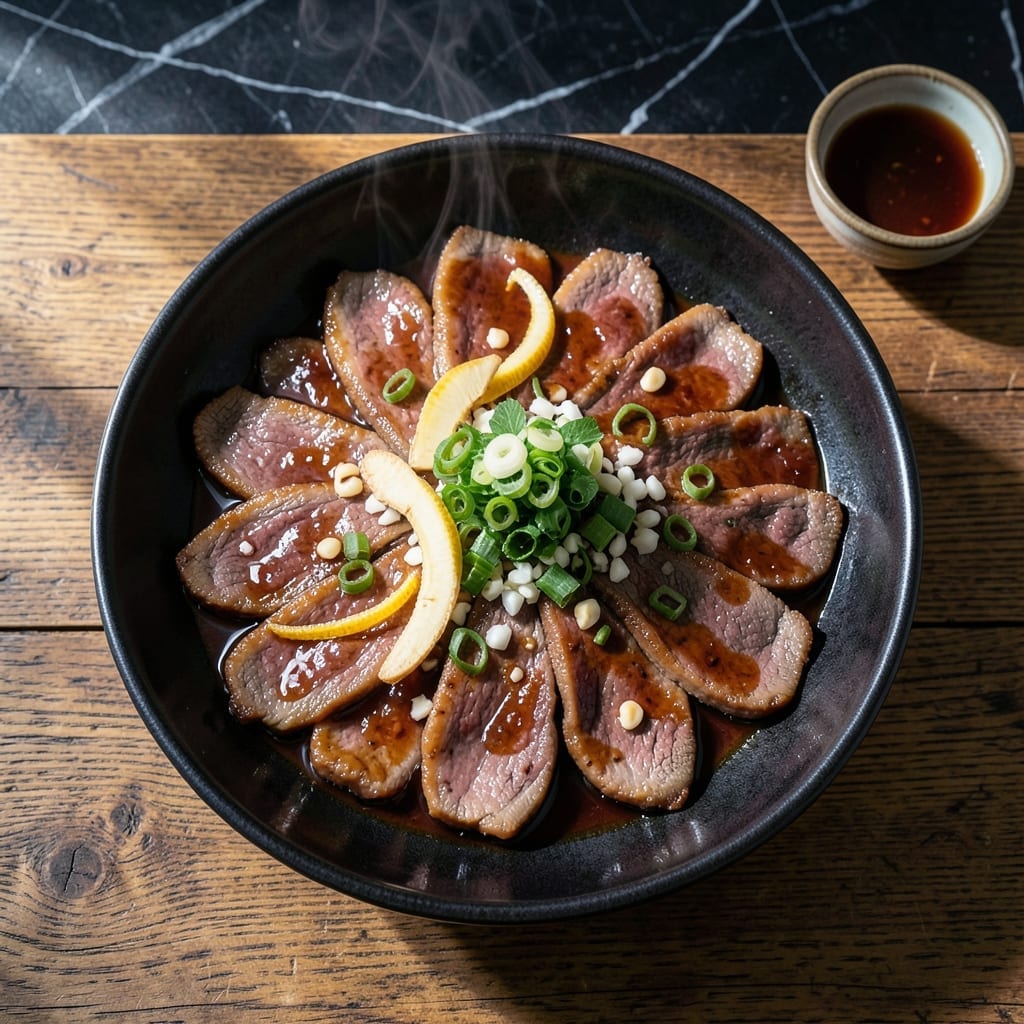
I’ve developed a method to transform beef heart into a velvety, flavorful stir-fry that rivals traditional Asian dishes. The key lies in proper preparation and quick, high-heat cooking to maintain tenderness.
This approach uses classic garlic and ginger as the aromatic base, combined with a savory sauce that enhances the meat’s natural richness. Thin slicing ensures rapid cooking and maximum flavor absorption.
What results is a dish with a tender texture and deep umami notes, perfect for serving over steamed rice or noodles. The stir-fry method locks in juices while delivering bold, authentic taste.
Follow these steps for a restaurant-quality meal that highlights the meat’s versatility and rich flavor profile.
Ingredients for Beef Heart Recipe Asian
Transform beef heart into restaurant-quality stir-fry with these carefully selected ingredients.
| Ingredient | Amount | Notes |
|---|---|---|
| Beef Heart 🥩 | 1 ½ lb | Trimmed, sliced thin against grain |
| Soy Sauce 🫒 | ⅓ cup | Low-sodium preferred for control |
| Garlic Cloves 🧄 | 6 cloves | Minced finely for even distribution |
| Fresh Ginger 🌿 | 2 tbsp | Peeled, grated or minced |
| Cornstarch 🌾 | 2 tbsp | For velvety texture coating |
| Neutral Cooking Oil 🫒 | 3 tbsp | High smoke point for stir-fry |
| Rice Vinegar 🍶 | 2 tbsp | Balances savory with acidity |
| Brown Sugar 🍚 | 1 tbsp | Light or dark variety |
| Sesame Oil 🫒 | 1 tsp | Toasted for finishing aroma |
| Red Bell Pepper 🌶️ | 1 whole | Thinly sliced for crunch |
| Green Onions 🧅 | 4 whole | Cut into 1-inch pieces |
| Dried Red Chili Peppers 🌶️ | 2 whole | Optional for heat adjustment |
| Toasted Sesame Seeds 🌾 | 1 tbsp | For garnish and texture |
The beef heart is the centerpiece—source from local butchers or specialty meat markets for optimal freshness. Look for deep red color and firm texture, avoiding any grayish discoloration. Proper trimming removes connective tissue, and thin slicing against the grain ensures tenderness. Most Asian grocery stores carry pre-sliced options if you prefer convenience.
Soy sauce alternatives include tamari for gluten-free or coconut aminos for lower sodium. Fresh ginger is non-negotiable for authentic flavor, but ground ginger at half the amount works in a pinch. Cornstarch can be replaced with arrowroot powder for similar thickening. The red bell pepper adds color and crunch—snow peas or snap peas make excellent substitutes.
Store beef heart in the coldest part of your fridge for up to 2 days before cooking. The sauce components keep for 1 week refrigerated. Cooked stir-fry reheats beautifully for 3-4 days—the flavors deepen with time. Always bring meat to room temperature before slicing for cleaner cuts.
Why You’ll Love This Recipe
- One Pan Wonder: I toss everything in a single skillet—beef heart, soy sauce, garlic, ginger—and let the cornstarch work its magic for a quick, fuss-free dish.
- Umami Bomb: The soy sauce and ginger create this deep, savory punch that makes the beef heart taste like a restaurant dish I’d pay double for.
- Weeknight Hero: Honestly, it’s my go-to when I need something hearty and fast, and it reheats beautifully for lunches the next day.
- Budget Winner: Beef heart is so affordable, and this recipe stretches it into a meal that feels way more luxurious than the cost.
Step-by-Step Instructions for Beef Heart Stir-Fry
Master the technique for achieving that signature velvety texture with each bite.
Step 1: Prepare and Velvet the Beef Heart
Begin by trimming the 1.5 lb Beef Heart of any connective tissue, then slice it thinly against the grain into ¼-inch strips. This cross-grain cutting ensures tenderness in the final dish. Place the slices in a bowl with the 2 tbsp Cornstarch, 0.33 cup Soy Sauce, 2 tbsp Rice Vinegar, and 1 tbsp Brown Sugar.
Mix thoroughly until each piece is evenly coated. I let this mixture sit for 15 minutes—this velveting process tenderizes the meat and creates that signature silky texture. The cornstarch forms a protective layer that locks in moisture during the high-heat cooking.
Step 2: Stir-Fry the Aromatics and Vegetables
Heat 2 tbsp Neutral Cooking Oil in a wok or large skillet over high heat until it shimmers. Add the 6 cloves Garlic Cloves and 2 tbsp Fresh Ginger, stir-frying for 30 seconds until fragrant but not browned. The aroma should fill your kitchen at this point.
Immediately add the thinly sliced 1 whole Red Bell Pepper and 4 whole Green Onions. Stir-fry for 2-3 minutes until the bell pepper begins to soften but retains its vibrant color and slight crunch. Push the vegetables to the sides of the pan to create space for the beef.
Step 3: Cook the Beef to Perfection
Add the remaining 1 tbsp Neutral Cooking Oil to the center of the pan, then carefully add the velveted beef in a single layer. Let it sear undisturbed for 30 seconds before stirring. This initial sear creates a beautiful caramelization on the meat.
Cook for 3-4 minutes until the beef is just cooked through but still tender. The pieces should be browned on the edges with the cornstarch coating creating a slightly glossy appearance. Avoid overcrowding the pan—work in batches if necessary to maintain high heat.
Step 4: Finish with Signature Flavors and Garnish
Reduce heat to medium and add the 2 whole Dried Red Chili Peppers for a subtle heat. Stir to incorporate, then drizzle the 1 tsp Sesame Oil around the edges of the pan. This final addition enhances the dish with its distinctive nutty aroma.
Toss everything together for 1 minute to allow the flavors to meld. The sauce should lightly coat each piece of beef and vegetable. Remove from heat and garnish with 1 tbsp Toasted Sesame Seeds for added texture and visual appeal. Serve immediately over steamed rice to soak up every bit of flavor.
Pro Tips For Making Beef Heart Recipe Asian
- Trim the Fat: Beef heart has tough, white connective tissue—slice it off before cooking, or you’ll chew on rubbery bits no matter how long it simmers.
- Velvet the Meat: Toss the cubed heart in cornstarch mixed with a splash of soy sauce and water before stir-frying; it locks in moisture and gives that silky, restaurant-style texture.
- Don’t Overcook: Once the slices turn from red to brown but still have a slight bounce, pull them off the heat—they’ll keep cooking and turn tough if left too long.
- Bloom the Aromatics: Cook the minced garlic and ginger in oil until fragrant but not browned (about 30 seconds), or the flavors will turn bitter and overpower the dish.
Serving Suggestions for beef heart recipe asian
Rice Pairings
Serve this dish over steamed jasmine rice—its fragrant aroma complements the savory stir-fry perfectly. I recommend cooking 1 cup rice per serving to soak up the rich sauce. The fluffy texture contrasts beautifully with the velvety beef. ✨
Noodle Options
Rice noodles or udon noodles make excellent alternatives to rice. Soak 8 oz rice noodles in warm water for 10 minutes before stir-frying for 2 minutes to soften. Udon noodles add a chewy texture that stands up to the bold flavors.
Garnish Ideas
Fresh cilantro leaves add a bright, citrusy note that cuts through the richness. Thinly sliced Thai basil offers an aromatic touch. For extra crunch, top with crushed peanuts or additional toasted sesame seeds.
Side Dishes
A simple cucumber salad with rice vinegar and sesame seeds provides a refreshing contrast. Lightly salted edamame or steamed bok choy offers a nutritious, balanced meal. These sides keep the focus on the star of the dish.
For a heartier meal, add stir-fried mushrooms like shiitake or oyster, which absorb the sauce beautifully. 🥗
Nutrition Facts
Frequently Asked Questions
How do I properly clean beef heart before cooking?
Rinse under cold water and trim all white connective tissue. Split it open to remove blood vessels and any remaining fat. Pat dry with paper towels before slicing for best texture.
Why slice against the grain for this stir-fry?
Slicing against the grain shortens muscle fibers, making the meat more tender. Look for the natural lines in the meat and cut perpendicular to them for the best results.
Can I substitute another cut of beef?
While beef heart has a unique flavor, flank steak or sirloin can work. Use the same velveting technique with cornstarch to achieve similar tenderness. Adjust cooking time slightly as needed.
How do I prevent the stir-fry from becoming soggy?
Use high heat and avoid overcrowding the pan. Cook in batches if needed. The cornstarch coating helps maintain crispness when done properly.

- 6 Egg Cake Recipe with Oil: Light as Air With Buttery Moisture - October 4, 2026
- 4 Bean Casserole Recipe: One-Pan Heartiness With Smoky Paprika Depth - October 4, 2026
- 3-Ingredient Keto Mug Cake Recipe: Microwave Magic in 2 Minutes - October 4, 2026