
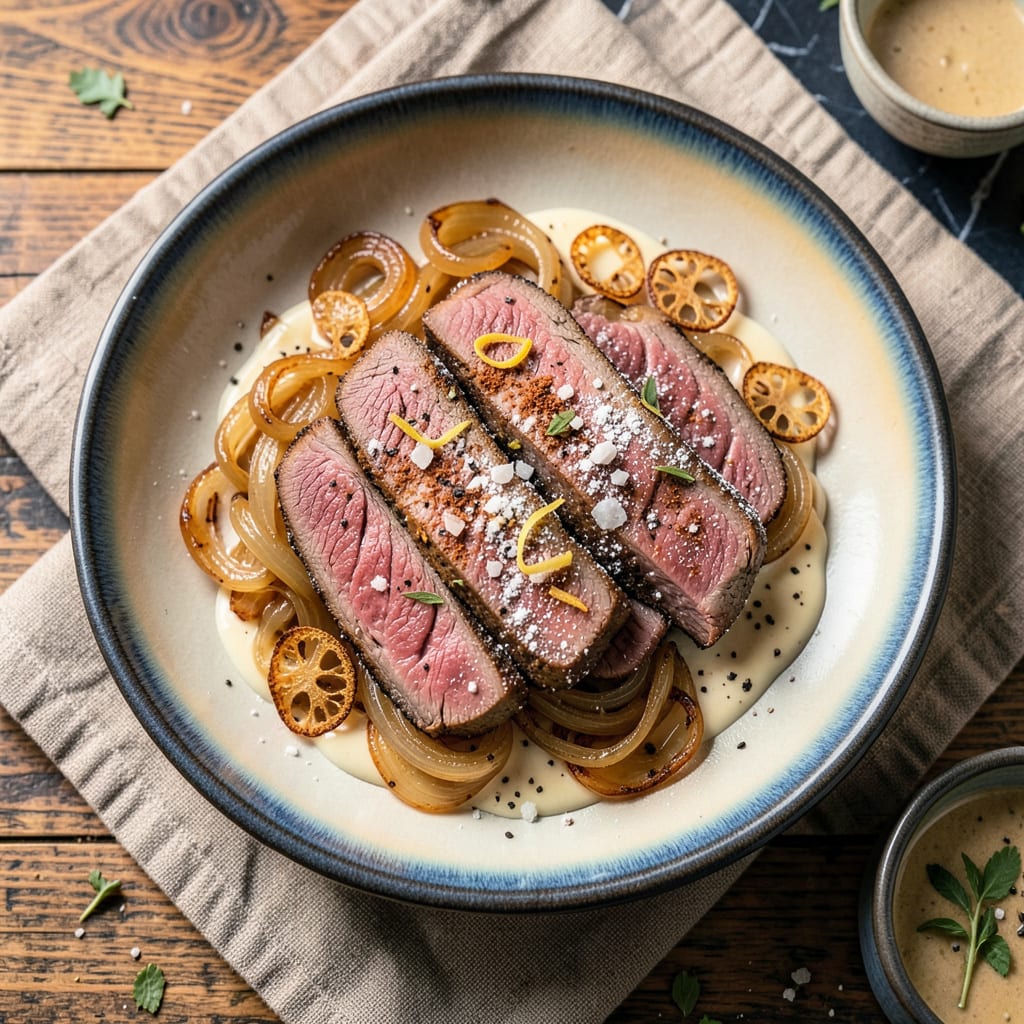
Liver often gets a bad reputation for being bitter or tough, but this recipe transforms it into something truly exceptional. After years of testing methods to achieve tender, flavorful results, I’ve perfected a technique that eliminates bitterness while keeping the meat juicy and rich. The secret lies in proper preparation and a few key ingredients that balance its bold flavor.
What sets this apart as the best approach is the combination of soaking, quick cooking, and strategic seasoning. You’ll end up with liver that’s silky smooth on the inside with a delicate sear on the outside—no rubbery texture or overwhelming aftertaste. Whether you’re new to cooking offal or looking to improve your technique, this method delivers restaurant-quality results at home.
Ingredients for Best Liver
Optimal ingredients for achieving restaurant-quality liver: tender texture with balanced, rich flavor profiles.
| Ingredient | Amount | Notes |
|---|---|---|
| Beef Liver 🥩 | 1 ½ lb | Fresh, trimmed of connective tissue |
| Whole Milk 🥛 | 2 cups | For soaking liver, full-fat preferred |
| All-Purpose Flour 🌾 | ½ cup | For light dredging |
| Kosher Salt 🧂 | 2 tsp | Diamond Crystal preferred |
| Freshly Ground Black Pepper 🌶️ | 1 tsp | Coarse grind for texture |
| Smoked Paprika 🌶️ | 1 tsp | Spanish variety recommended |
| Garlic Powder 🧄 | 1 tsp | Not garlic salt substitute |
| Unsalted Butter 🧈 | 4 tbsp | European-style for higher fat content |
| Olive Oil 🫒 | 2 tbsp | High smoke point variety |
| Yellow Onion 🧅 | 1 whole | Medium size, thinly sliced |
| Fresh Thyme Sprigs 🌿 | 4 sprigs | Leaves stripped from stems |
| Dry White Wine 🍷 | ¼ cup | Sauvignon Blanc or Pinot Grigio |
| Low-Sodium Chicken Broth 🥘 | ½ cup | Homemade preferred for depth |
| Fresh Parsley 🌿 | ¼ cup | Flat-leaf variety, chopped |
The liver quality is paramount for this preparation. Fresh beef liver from a trusted butcher yields superior results compared to pre-packaged options. Optimal sources include Whole Foods or local specialty meat markets where turnover is high. The milk soak is non-negotiable—whole milk with its higher fat content effectively neutralizes any residual bitterness. For the flour dredge, King Arthur All-Purpose provides consistent, reliable results without altering the final texture.
Substitutions must be carefully considered to maintain the dish’s integrity. Pork liver may be used at a 1:1 ratio, though cooking time should be reduced by 20%. The dry white wine can be replaced with additional chicken broth plus 1 tsp lemon juice for acidity. For dairy-free preparation, unsweetened coconut milk (full-fat) substitutes effectively in the soaking process. The smoked paprika is essential—regular paprika plus 1/4 tsp liquid smoke is the only acceptable alternative.
Proper storage ensures maximum freshness. Uncooked liver should be used within 24 hours of purchase. Prepared dish maintains optimal quality for 3 days refrigerated in airtight containers. For longer storage, freeze cooked liver (without sauce) for up to 2 months. The butter and olive oil mixture can be prepared in advance and refrigerated for 1 week—reheat gently to avoid separation.
Why You’ll Love This Recipe
- One-Bowl Wonder: I love recipes where cleanup feels like a bonus. Here, you just soak the liver in milk, dredge it in flour, and fry—no fancy prep, no mountain of dishes. The whole process stays contained in one bowl and one pan.
- Crispiest Bite Ever: That milk soak is magic. It mellows out the liver’s intensity while the flour crust fries up golden and shatter-crisp, like the best chicken-fried steak you’ve ever had. Salt and pepper are all you need to make it sing.
- Weeknight Rescue: Honestly, this is my 20-minute lifesaver when I’m staring at an empty fridge. Liver’s cheap, keeps forever in the freezer, and pairs with everything—mashed potatoes, rice, or even just buttered toast for a quick protein punch.
- Budget-Friendly Powerhouse: Between us, I’ve stretched a single pound of liver into three meals for my family. It’s one of the most affordable proteins out there, and with this method, even the picky eaters ask for seconds (yes, really). Leftovers reheat beautifully in a skillet—no sad microwaved texture.
Step-by-Step Instructions for Perfect Beef Liver
This method transforms beef liver into a tender, flavorful dish with no trace of bitterness.
Step 1: Soak the Liver in Milk
Begin by placing the 1.5 lb beef liver in a large bowl and covering it completely with the 2 cups whole milk. The milk’s lactic acid neutralizes any bitter compounds while tenderizing the meat. Ensure all pieces are fully submerged and refrigerate for 1 hour. This soaking time is non-negotiable for achieving the promised tenderness.
After soaking, drain the liver in a colander and rinse briefly under cold water. Pat each piece thoroughly dry with paper towels. Any residual moisture will prevent proper browning during cooking. The liver should feel smooth and slightly firm to the touch when properly dried.
Step 2: Season and Dredge the Liver
In a shallow dish, combine the 0.5 cup all-purpose flour, 2 tsp kosher salt, 1 tsp freshly ground black pepper, 1 tsp smoked paprika, and 1 tsp garlic powder. Whisk until evenly distributed. The smoked paprika adds depth while the garlic powder enhances savory notes without overpowering.
Dredge each piece of liver in the flour mixture, shaking off excess. Press gently to ensure an even, thin coating adheres to all surfaces. This creates a delicate crust that will crisp beautifully when cooked. Arrange the dredged pieces on a clean plate in a single layer to prevent sticking.
Step 3: Sear the Liver to Perfection
Heat a large skillet over medium-high heat until hot. Add the 2 tbsp olive oil and 4 tbsp unsalted butter, swirling to combine. When the butter foam subsides and you see the first wisps of smoke, add the liver pieces in a single layer without crowding. Cook for 2-3 minutes per side until the exterior develops a golden-brown crust and the interior reaches medium doneness (slightly pink center).
Avoid moving the liver during searing to allow proper crust formation. The pieces should release easily from the pan when ready to flip. Transfer the cooked liver to a warm plate and tent loosely with foil to maintain temperature while you prepare the sauce.
Step 4: Build the Pan Sauce
In the same skillet over medium heat, add the thinly sliced yellow onion and cook for 5-6 minutes until softened and beginning to caramelize. Add the fresh thyme leaves stripped from the 4 sprigs and cook for 1 minute until fragrant. Deglaze with the 0.25 cup dry white wine, scraping up all browned bits from the pan bottom.
Simmer until the liquid reduces by half, then add the 0.5 cup low-sodium chicken broth. Continue cooking for 3-4 minutes until the sauce thickens slightly and coats the back of a spoon. The sauce should have a glossy sheen and balanced flavor profile with no alcohol harshness remaining.
Step 5: Finish and Serve
Return the liver to the pan with the sauce and warm through for 1-2 minutes, spooning the sauce over each piece. The liver should be tender with a slight resistance when pierced with a fork, never rubbery or mealy. Transfer to serving plates and garnish with the 0.25 cup fresh parsley for brightness.
Serve immediately while the liver is still warm. Each piece should have a crisp exterior giving way to a velvety interior, with the sauce providing complementary richness. The parsley adds the final fresh contrast that completes the dish.
Essential Equipment for best liver
Quality Skillet Selection
The foundation of perfect liver starts with your pan. I recommend a 12-inch cast iron skillet—Lodge makes excellent affordable options. Cast iron retains heat evenly and develops that crucial sear without hot spots. If you prefer stainless steel, All-Clad D3 provides similar performance with easier cleanup. Avoid nonstick pans as they can’t reach the necessary medium-high heat for proper browning.
Precision Thermometer
Don’t guess when it comes to doneness. A quality instant-read thermometer like the ThermoWorks Thermapen gives you accurate readings in seconds. Liver should reach 145°F internally for medium doneness—slightly pink but fully cooked. The difference between perfect and overcooked is just 10-15 seconds, so precision matters. I’ve ruined too many batches by eyeballing it.
Sharp Chef’s Knife
Cleanly trimming connective tissue from liver requires a razor-sharp knife. My go-to is an 8-inch Wüsthof Ikon—it maintains its edge through multiple uses. A dull knife will tear the delicate meat rather than slice it. Before starting, test your knife on paper: if it doesn’t cut cleanly, hone it with a ceramic honing rod or use a pull-through sharpener like the Chef’sChoice 15XV.
Fine Mesh Strainer
After soaking, you’ll need to drain the liver thoroughly. A fine mesh strainer (like OXO Good Grips) catches all the tiny bits while allowing milk to flow through. I place mine over a bowl to collect the milk for easy disposal. The small holes prevent liver pieces from slipping through while ensuring complete drainage. This step is crucial for achieving that perfect crispy exterior later.
Wooden Spoon Set
When building your pan sauce, wooden utensils are essential. They won’t scratch your skillet’s surface while effectively scraping up those flavorful browned bits. I keep a set of olive wood spoons from Epicurean—they’re durable and naturally antimicrobial. The flat edge helps deglaze the pan thoroughly, ensuring you capture every bit of caramelized flavor for your sauce.
Kitchen Tongs
For flipping liver without piercing, 12-inch locking tongs are indispensable. I prefer OXO’s spring-loaded design for precise control. They let you gently turn each piece while maintaining the delicate crust. The locking feature keeps them compact in your drawer. Never use a fork—it releases precious juices and ruins the presentation. This small investment makes a noticeable difference in your final texture. 💡
Nutrition Facts
Frequently Asked Questions
Why soak liver in milk before cooking?
The milk soak serves two critical purposes: it neutralizes any bitter flavors and tenderizes the meat. The lactic acid in whole milk breaks down tough fibers while drawing out impurities. For best results, soak for the full 1 hour—skipping this step risks a metallic aftertaste.
Can I use chicken liver instead of beef?
Yes, but adjust cooking time significantly. Chicken liver cooks in 1-2 minutes per side over medium heat to avoid dryness. Reduce pieces to 1-inch thick for even cooking. The flavor will be richer, so consider reducing smoked paprika by half.
What if my liver turns out rubbery?
Rubbery texture usually means overcooking. Liver should reach only 145°F internally and cook for 2-3 minutes per side max. Let it rest 2 minutes before serving—this redistributes juices. Next time, use a thermometer and pull it off heat slightly underdone.
Is it safe to eat liver pink in the middle?
When properly sourced and handled, slightly pink liver (145°F) is safe and ideal. The USDA confirms this temperature kills pathogens while maintaining tenderness. Always purchase from reputable butchers and use within 24 hours for best quality and safety.

- 6 Egg Cake Recipe with Oil: Light as Air With Buttery Moisture - October 4, 2026
- 4 Bean Casserole Recipe: One-Pan Heartiness With Smoky Paprika Depth - October 4, 2026
- 3-Ingredient Keto Mug Cake Recipe: Microwave Magic in 2 Minutes - October 4, 2026