
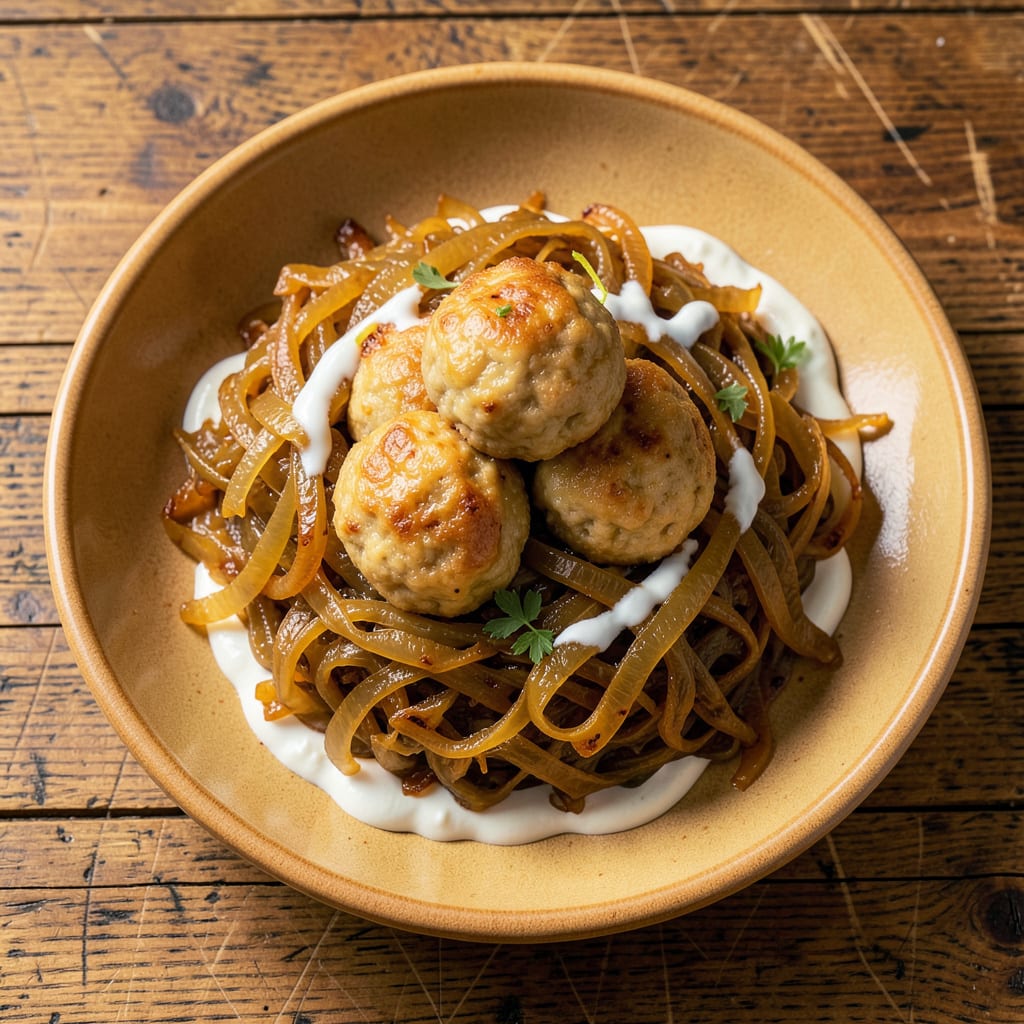
There’s something profoundly comforting about bobalki with sauerkraut—a dish that carries generations of Eastern European tradition in every tender bite. This recipe transforms simple dough and tangy sauerkraut into pillowy dumplings that embody holiday warmth and family gatherings. The contrast between soft, delicate bobalki and the sharp, fermented brightness of sauerkraut creates a balance that’s both satisfying and nostalgic.
The secret lies in the dough’s texture and proper cooking technique. Hand-rolled dumplings are briefly boiled until they float, then finished with caramelized onions and crispy bacon if desired. Whether served as part of a Christmas Eve spread or as a hearty weeknight meal, these bobalki deliver the kind of comfort that only time-honored recipes can provide. The process requires patience but rewards with restaurant-quality results at home.
Ingredients for Bobalki with Sauerkraut
These authentic ingredients create Eastern European dumpling comfort with pillowy texture and tangy sauerkraut balance.
| Ingredient | Amount | Notes |
|---|---|---|
| All-Purpose Flour 🌾 | 2 ½ cups | Plus extra for dusting work surface |
| Large Eggs 🥚 | 2 whole | Room temperature for optimal dough texture |
| Sour Cream 🥛 | ½ cup | Full-fat for tenderness (12%+ milkfat) |
| Unsalted Butter 🧈 | 4 tbsp | Melted and cooled to room temperature |
| Sauerkraut 🥬 | 1 ½ cups | Well-drained and finely chopped |
| Yellow Onions 🧅 | 2 whole | Medium-sized, thinly sliced for caramelization |
| Vegetable Oil 🫒 | 2 tbsp | Divided for cooking onions and boiling |
| Kosher Salt 🧂 | 1 ½ tsp | Diamond Crystal preferred for precise seasoning |
| Freshly Ground Black Pepper 🌶️ | ½ tsp | Medium-coarse grind recommended |
| Fresh Dill 🌿 | ¼ cup | Finely chopped for garnish |
| Caraway Seeds 🌿 | 1 tsp | Lightly toasted for enhanced aroma |
| Granulated Sugar 🍚 | 1 tsp | Balances sauerkraut's acidity |
The dough’s foundation requires all-purpose flour with 10-12% protein content for optimal tenderness—King Arthur or Gold Medal brands deliver consistent results. Sour cream must be full-fat (minimum 12% milkfat) to achieve the characteristic softness; Daisy or Breakstone’s are reliable choices. For sauerkraut, seek refrigerated raw varieties like Frank’s or Bubbies—their crisp texture and vibrant acidity elevate the filling. The unsalted butter should be European-style (82%+ fat) for superior mouthfeel; Plugrá or Kerrygold are professional standards.
Vegetarian adaptations maintain authenticity: omit bacon entirely or substitute with smoked tempeh, diced and pan-fried until crisp. For the onions, Vidalia or Walla Walla varieties caramelize exceptionally well due to their high sugar content. If caraway seeds are unavailable, substitute with 1/2 tsp ground fennel seeds for similar anise notes. The dough can accommodate whole wheat pastry flour at 50% substitution for whole grain benefits without compromising texture. Always verify sauerkraut labels for no added vinegar—lactic acid fermentation is essential for proper flavor.
Prepare components sequentially for efficiency: make dough first (rest 30 minutes), then process sauerkraut filling. Completed bobalki freeze beautifully on parchment-lined trays before transferring to bags; maintain quality for 3 months. Caramelized onions keep 5 days refrigerated—make extra for future use. Store-bought sauerkraut in jars (once opened) lasts 2 weeks refrigerated in brine. For optimal freshness, keep fresh dill stems in water like flowers, changing daily.
Why You’ll Love This Recipe
- No Yeast, No Stress: I love that this skips the whole waiting-for-dough-to-rise step. Just mix flour, eggs, and sour cream—no proofing, no fuss, and you’re shaping dumplings in 10 minutes flat.
- Tangy Meets Rich: That sauerkraut isn’t just a sidekick here—it cuts through the buttery dough and sour cream like a bright, tangy wake-up call. The contrast? Honestly, I’d eat these just for that bite.
- Brunch or Midnight Snack: These work as a hearty breakfast with fried eggs on top or as a late-night carb fix straight from the fridge. My kids grab them cold (yes, really), and I’ve served them warm at potlucks—zero complaints.
- Dough Stretches Far: One batch makes enough to feed four generously, and leftovers reheat beautifully in a dry pan. Between us, I’ve stretched the dough thinner to squeeze out six servings when unexpected guests showed up. Still tasted spot-on.
Step-by-Step Instructions for Bobalki With Sauerkraut
This traditional preparation method ensures tender dumplings with perfectly balanced tangy-sweet filling.
Step 1: Prepare the Dumpling Dough
In a large mixing bowl, combine the 2.5 cups all-purpose flour and 1.5 teaspoons kosher salt. Create a well in the center and add the 2 whole large eggs, 0.5 cup sour cream, and 4 tablespoons unsalted butter that has been melted and cooled to room temperature.
Using a wooden spoon, gradually incorporate the dry ingredients into the wet until a shaggy dough forms. Transfer to a lightly floured surface and knead for 5-7 minutes until the dough becomes smooth and elastic. The dough should be slightly tacky but not sticky—add a sprinkle of flour if needed, but avoid over-drying.
Wrap the dough in plastic and let it rest at room temperature for 30 minutes. This relaxation period allows the gluten to relax, making the dough easier to roll out and preventing shrinkage during cooking.
Step 2: Caramelize the Onions and Prepare the Filling
While the dough rests, heat 1 tablespoon vegetable oil in a large skillet over medium-low heat. Add the 2 whole yellow onions, thinly sliced, and cook slowly for 20-25 minutes, stirring occasionally, until they reach a deep golden brown color and develop a sweet aroma.
Increase heat to medium and add the 1.5 cups sauerkraut (well-drained and finely chopped), 1 teaspoon granulated sugar, 1 teaspoon caraway seeds, and 0.5 teaspoon freshly ground black pepper. Cook for an additional 5-7 minutes until the sauerkraut softens slightly and the flavors meld. Remove from heat and let cool completely before filling the dumplings.
The filling should have a balanced sweet-tangy flavor with the caraway seeds providing subtle earthy notes. Taste and adjust seasoning if needed, though be cautious with additional salt as the sauerkraut contributes its own salinity.
Step 3: Shape and Fill the Bobalki
Divide the rested dough into four equal portions. On a lightly floured surface, roll one portion at a time to ⅛-inch thickness. Using a 2.5-inch round cutter, cut out circles of dough, gathering and re-rolling scraps as needed.
Place 1 teaspoon of the cooled filling in the center of each dough circle. Fold the dough over the filling to create a half-moon shape, then bring the two corners together and pinch to seal, forming a classic bobalki shape. The seal should be tight to prevent filling from leaking during cooking.
Arrange the shaped dumplings on a floured baking sheet, ensuring they don’t touch. Cover with a clean kitchen towel to prevent drying while you work with the remaining dough and filling.
Step 4: Cook the Dumplings to Perfection
Bring a large pot of salted water to a gentle boil. Working in batches to avoid crowding, carefully add the bobalki. Stir gently once to prevent sticking, then cook for 4-5 minutes until they float to the surface and the dough becomes translucent.
Using a slotted spoon, transfer the cooked dumplings to a plate. In a clean skillet, heat the remaining 1 tablespoon vegetable oil over medium heat. Add the boiled bobalki in a single layer and cook for 1-2 minutes per side until lightly golden. This brief pan-frying adds texture contrast to the tender dumplings.
The finished bobalki should have a delicate, slightly chewy exterior with a warm, flavorful filling. The sauerkraut-onion mixture should be tender but still retain some texture.
Step 5: Garnish and Serve
Transfer the pan-fried bobalki to a serving platter. Sprinkle generously with the 0.25 cup fresh dill, finely chopped. The bright, grassy notes of dill complement the rich, tangy filling beautifully.
Serve immediately while hot, accompanied by additional sour cream if desired. Each dumpling should present a perfect balance of textures—tender dough, caramelized onions, and slightly chewy sauerkraut—with layers of sweet, tangy, and earthy flavors in every bite.
Regional Styles of bobalki with sauerkraut
Slovak Christmas Tradition
The most traditional version comes from Slovakia, where bobalki with sauerkraut are essential for Christmas Eve dinner. I remember my grandmother making them with rye flour mixed into the dough for extra depth. The sauerkraut is always seasoned with caraway seeds and sometimes a touch of paprika for warmth. 💛
These dumplings are typically served with poppy seed filling as an alternative, creating a sweet-savory contrast on the holiday table. The dough is often rolled thinner—about 1/16-inch thick—for a more delicate texture that practically melts in your mouth.
Ukrainian Holiday Style
In Ukraine, bobalki (called “varenyky” when stuffed) often include mushrooms sautéed with the sauerkraut. I love adding 1/2 cup finely chopped wild mushrooms to the filling for an earthy dimension. The dumplings are usually larger—about 3 inches wide—before folding.
Ukrainian cooks frequently use buckwheat flour in the dough mixture, which gives the dumplings a nutty flavor and slightly denser texture. They’re traditionally boiled in salted water with a bay leaf for added aroma during cooking.
Polish Pierogi Influence
Polish versions borrow techniques from pierogi-making, using a slightly richer dough with extra egg yolks. I’ve found adding 2 additional yolks creates a more golden color and tender bite. The sauerkraut filling often includes diced smoked bacon for added richness.
These are typically served with fried onions and sour cream on the side, rather than mixed into the filling. The dumplings are boiled then immediately pan-fried in butter until crispy—this creates a wonderful textural contrast that’s become my personal favorite preparation.
Hungarian Adaptation
Hungarian cooks often add 1 teaspoon sweet paprika to the dough itself, giving the dumplings a subtle golden hue and gentle warmth. The sauerkraut filling might include diced smoked sausage or kielbasa for a heartier version that’s popular in winter months.
What makes this version unique is the finishing touch—after boiling, the dumplings are tossed with melted lard and crispy fried breadcrumbs for extra crunch. This technique creates what Hungarians call “röpülős”—extra crispy and delicious. 🔥
Czech Bread Dumpling Hybrid
The Czech approach combines bobalki techniques with their famous bread dumplings. The dough includes 1 cup stale bread cubes soaked in milk, creating a lighter, airier texture. I’ve found this version particularly good at soaking up the sauerkraut juices.
Czech cooks often serve these with a creamy mushroom sauce alongside the sauerkraut filling. The dumplings are typically larger—about 4 inches in diameter—before folding, making them quite substantial. A sprinkle of fresh marjoram before serving adds a lovely herbal note.
Modern Vegetarian Twist
For contemporary vegetarian versions, I’ve had great success replacing any meat with smoked tofu or tempeh crumbles in the filling. The key is to first pan-fry the plant-based protein with smoked paprika and liquid smoke to mimic traditional flavors.
Some modern cooks are also experimenting with whole wheat pastry flour in the dough for added nutrition. The trick is to add 1 extra tablespoon of water per cup of whole wheat flour to compensate for its drier nature. This version maintains authenticity while appealing to health-conscious eaters. ✨
Nutrition Facts

- 6 Egg Cake Recipe with Oil: Light as Air With Buttery Moisture - October 4, 2026
- 4 Bean Casserole Recipe: One-Pan Heartiness With Smoky Paprika Depth - October 4, 2026
- 3-Ingredient Keto Mug Cake Recipe: Microwave Magic in 2 Minutes - October 4, 2026