
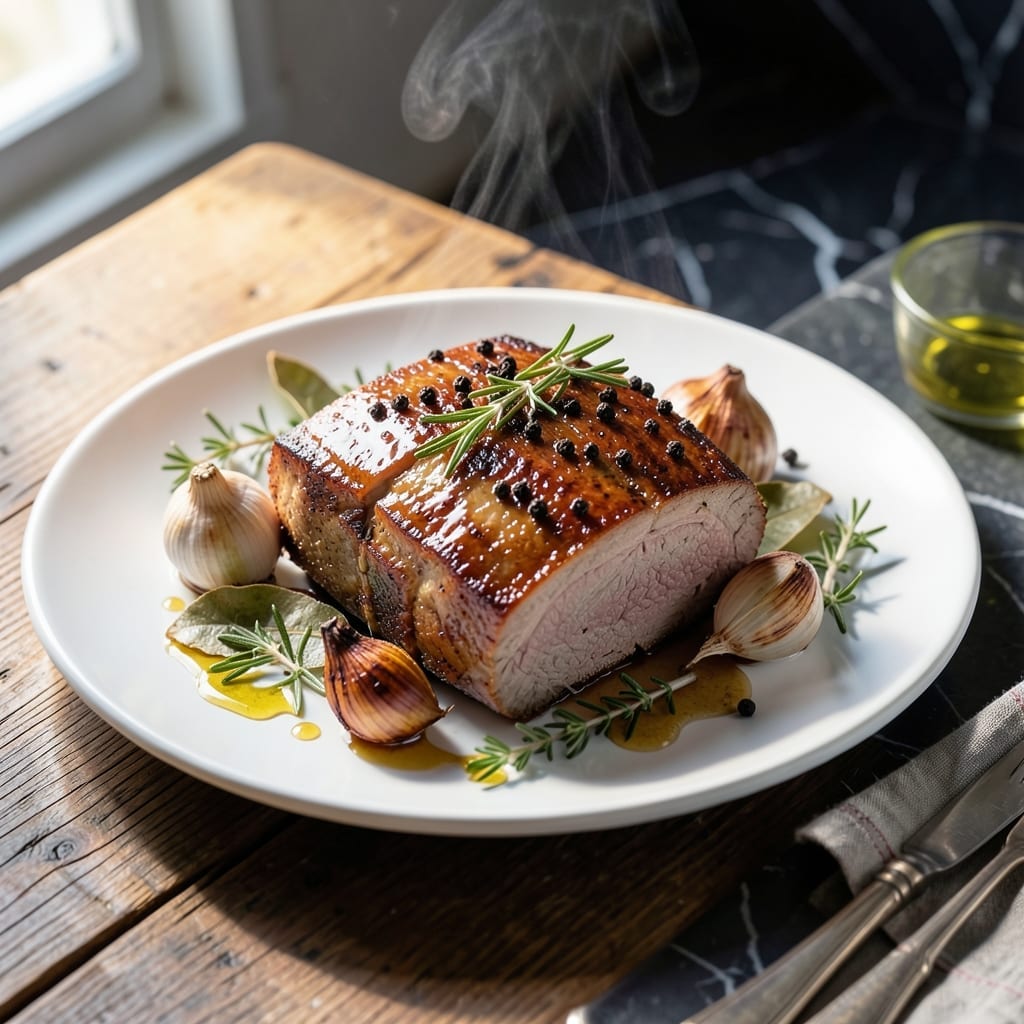
This brine transforms lean pork tenderloin into a juicy, tender masterpiece every time. The science is simple: salt and sugar work together to help the meat retain moisture during cooking, preventing the dry, tough results that often plague this cut.
I developed this method after years of experimenting with different ratios and soaking times. The key is using the right balance of salt, sugar, and aromatics, then allowing the pork to brine for 4-12 hours in the refrigerator.
Once brined, the tenderloin cooks quickly—just 20-25 minutes in a hot oven. The result is pork so tender it cuts like butter, with a subtle seasoning that enhances rather than overpowers.
Serve with roasted vegetables or a fresh salad for a complete meal.
Ingredients for Brine Recipe for Pork Tenderloin
Transform lean pork tenderloin with these brine ingredients for guaranteed juicy results every time.
| Ingredient | Amount | Notes |
|---|---|---|
| Pork Tenderloin 🥩 | 1 ½ lb | Trimmed of excess fat |
| Kosher Salt 🧂 | ½ cup | Diamond Crystal preferred |
| Brown Sugar 🍚 | ¼ cup | Light or dark variety |
| Black Peppercorns 🌶️ | 1 tbsp | Whole, for brine infusion |
| Bay Leaves 🍃 | 2 whole | Dried, for aroma |
| Garlic Cloves 🧄 | 4 cloves | Smashed, peeled |
| Fresh Rosemary Sprigs 🌿 | 2 whole | About 4 inches long |
| Fresh Thyme Sprigs 🌿 | 2 whole | Optional but recommended |
| Juniper Berries 🫒 | 1 tsp | Lightly crushed |
| Apple Cider Vinegar 🍏 | 2 tbsp | Balances sweetness |
| Cold Water 💧 | 4 cups | Enough to submerge meat |
| Ice Cubes ❄️ | 2 cups | To chill brine quickly |
The pork tenderloin must be fresh and high-quality. Whole Foods or Costco offer excellent options with consistent sizing (around 1.5 lb each). For the salt, Diamond Crystal kosher salt is ideal—its coarse texture dissolves evenly in the brine. Brown sugar adds depth; light or dark works, but avoid granulated as it won’t incorporate as smoothly. Fresh herbs are non-negotiable for optimal aroma infusion.
No juniper berries? Pink peppercorns or allspice berries make fine substitutes. Swap apple cider vinegar for white wine vinegar or lemon juice if needed. Dried herbs can replace fresh at one-third the amount, but fresh is superior here. If you lack a large container, use a 2-gallon zip-top bag—it fits neatly in the fridge and allows for easy turning.
Brine the pork for 4-12 hours—any longer risks over-curing. Store brined pork in the fridge for up to 2 days before cooking, or freeze for 3 months. Discard the brine after use; it’s not reusable due to raw meat contact.
Why You’ll Love This Recipe
- 5-Minute Setup: I mix the salt, sugar, and spices in a bowl, add water, and the brine is ready—no fuss, no fancy tools.
- Sweet-Savory Depth: The brown sugar and bay leaves give the pork this rich, caramelized crust that’s honestly addictive.
- Meal Prep Hero: I brine a few tenderloins on Sunday, and they’re ready to roast or grill all week for quick dinners.
- Stretches Further: One brined pork tenderloin feeds us for two meals, and the leftovers make killer sandwiches.
Step-by-Step Instructions for Brining Pork Tenderloin
Master this technique to transform lean pork tenderloin into a succulent, flavorful centerpiece every time.
Step 1: Prepare the Aromatic Brine Base
In a medium saucepan, combine the 0.5 cup kosher salt, 0.25 cup brown sugar, 1 tbsp black peppercorns, 2 whole bay leaves, 4 cloves garlic cloves, 2 whole fresh rosemary sprigs, 2 whole fresh thyme sprigs, and 1 tsp juniper berries with 4 cups cold water.
Bring to a gentle simmer over medium heat, stirring until the salt and sugar fully dissolve. This creates a concentrated brine base that will infuse the pork with complex flavors. Remove from heat immediately once dissolved to preserve the aromatic qualities of the herbs and spices.
The mixture should appear slightly syrupy with visible herb and spice particles suspended throughout. Don’t allow it to reach a rolling boil, as this can make the brine cloudy and affect flavor development.
Step 2: Cool and Complete the Brine Solution
Stir in the 2 tbsp apple cider vinegar, which adds a subtle tang and helps tenderize the meat. The vinegar also acts as a preservative, extending the window for safe brining.
Add the 2 cups ice cubes to rapidly chill the mixture to room temperature or below. I always use this ice bath method rather than waiting for natural cooling—it prevents the pork from entering the temperature danger zone during the brining process.
You’ll know it’s ready when the liquid feels cool to the touch and the ice has mostly melted. This typically takes 10-15 minutes, depending on your kitchen’s ambient temperature.
Step 3: Submerge and Brine the Pork Tenderloin
Place the 1.5 lb pork tenderloin in a resealable plastic bag or non-reactive container large enough to hold both the meat and brine. Pour the cooled brine over the pork, ensuring it’s completely submerged.
I like to use a zip-top bag and place it in a shallow dish in the refrigerator—this containment method prevents leaks and allows me to easily check that the pork remains fully covered. The dish catches any potential spills while the bag conforms to the meat’s shape.
Seal and refrigerate for 12-24 hours. The longer brining time allows for deeper flavor penetration and maximum moisture retention. For best results, gently agitate the bag or rotate the container every 6-8 hours to redistribute the brine.
Step 4: Remove and Prepare for Cooking
After brining, remove the pork tenderloin from the liquid and pat it thoroughly dry with paper towels. This step is crucial—excess moisture on the surface will prevent proper browning when you cook the meat.
Discard the used brine—it’s served its purpose and shouldn’t be reused. The pork may appear slightly plumped and lighter in color, which indicates successful brining. This visual change results from the salt solution altering the meat’s protein structure to retain more moisture.
Let the pork rest at room temperature for 20-30 minutes before cooking. This brings the internal temperature up slightly, promoting even cooking throughout the tenderloin while maintaining the juiciness achieved through brining.
Pro Tips For Making Brine Recipe For Pork Tenderloin
- Brine Overnight: I learned this the hard way—pork tenderloin needs at least 12 hours in the brine to fully absorb the salt and sugar. Anything less and the flavor stays on the surface.
- Dissolve Salt First: Sounds obvious, but mix the kosher salt and brown sugar into hot water first to guarantee they fully dissolve before adding the pork and aromatics.
- Skip the Metal: Use a glass, ceramic, or plastic container for brining—metal can react with the salt and bay leaves, giving the pork an off flavor.
- Rinse and Dry: After brining, give the tenderloin a quick rinse under cold water to remove excess salt, then pat it completely dry for better browning later.
Flavor Customization for This Recipe
Herb Infusions
For a Mediterranean twist, add 3 fresh sage leaves and 1 tsp dried oregano to the brine. The sage adds earthy depth while oregano brings a bright, slightly bitter note that pairs beautifully with pork. I love this combo with roasted potatoes. 🌿
Citrus Zest Boost
Brighten the brine with zest from 1 lemon and 1 orange. Add the zest strips directly to the simmering brine. The citrus oils infuse during cooling, giving the pork a subtle fruity aroma without overpowering the natural flavor.
Spicy Kick
Add 1 tsp red pepper flakes or 1 sliced fresh jalapeño for heat. The capsaicin in the peppers will mellow during brining but still provide a pleasant warmth. This works especially well if you plan to grill the tenderloin.
Asian-Inspired
Swap the juniper berries for 1 tbsp Sichuan peppercorns and 1 cinnamon stick. Add 2 star anise pods for complexity. This creates a five-spice-like profile that transforms the pork into an Asian-inspired centerpiece. 🔥
Sweet & Smoky
Replace brown sugar with 0.25 cup maple syrup and add 1 tsp smoked paprika to the brine. The maple adds rich sweetness while the paprika introduces a subtle smokiness. Perfect for those who love a touch of BBQ flavor.
Wine Brine
Substitute 1 cup of water with 1 cup dry white wine like Sauvignon Blanc. The wine’s acidity tenderizes while adding fruity notes. Reduce the apple cider vinegar to 1 tbsp to balance the flavors.
Nutrition Facts
Frequently Asked Questions
How long should I soak the pork?
Brine the pork tenderloin for 4-12 hours in the refrigerator. This timeframe allows the salt and sugar to penetrate the meat fully without over-curing it.
Can I use table salt instead of kosher?
Yes, but reduce the amount by 25% since table salt is finer. For this recipe, use 6 tbsp table salt instead of 0.5 cup kosher salt to avoid over-salting.
Why does brined pork stay juicy?
The salt in the brine alters the meat’s protein structure, helping it retain moisture during cooking. This prevents the dry, tough texture that pork tenderloin often develops.
What if I don’t have juniper berries?
Substitute with pink peppercorns or allspice berries for a similar aromatic depth. These alternatives blend well with the other brine ingredients.

- 6 Egg Cake Recipe with Oil: Light as Air With Buttery Moisture - October 4, 2026
- 4 Bean Casserole Recipe: One-Pan Heartiness With Smoky Paprika Depth - October 4, 2026
- 3-Ingredient Keto Mug Cake Recipe: Microwave Magic in 2 Minutes - October 4, 2026