
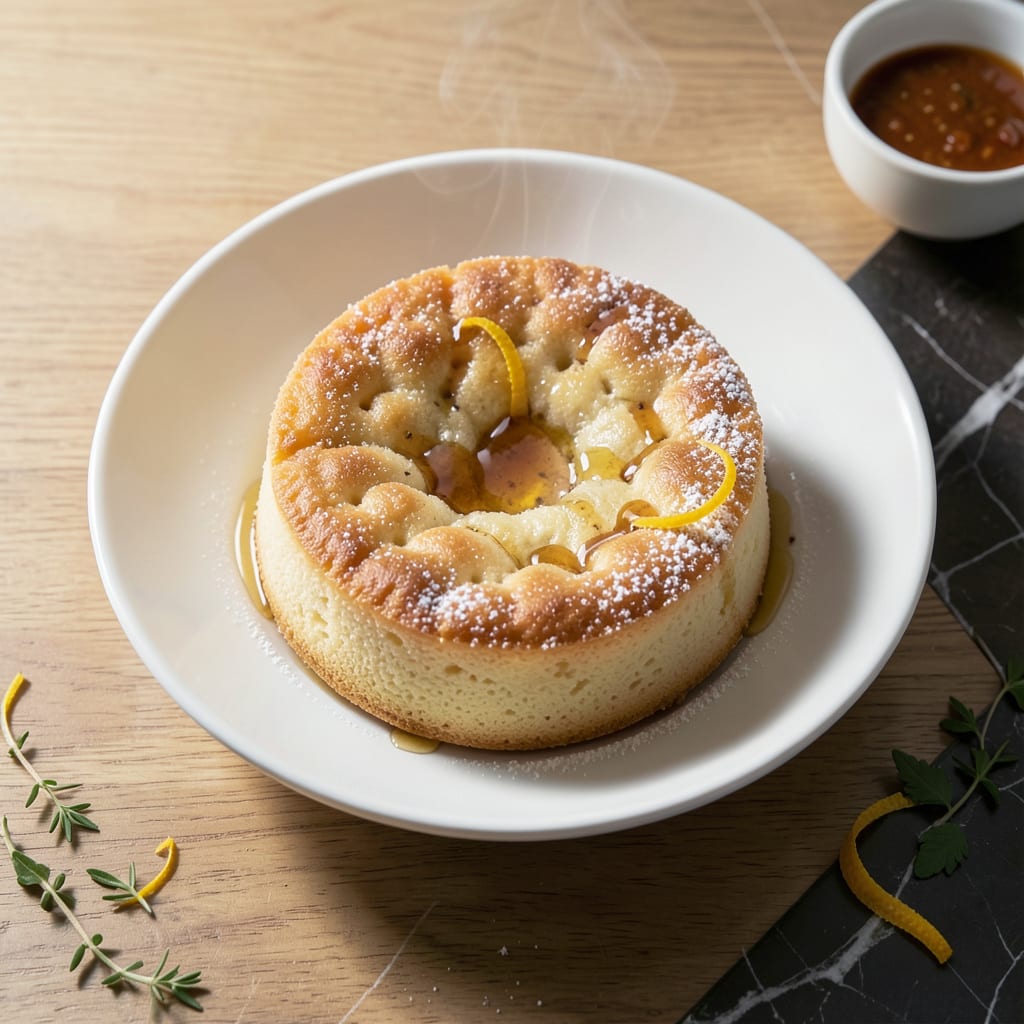
This steamed cake delivers a light and fluffy texture without an oven, using simple pantry staples.
By harnessing the power of steam, the batter rises to create a soft, airy dessert that’s both elegant and easy to make at home.
Ingredients for Cake Steamed
Simple pantry staples create this light, airy steamed dessert with ease.
| Ingredient | Amount | Notes |
|---|---|---|
| All-Purpose Flour 🌾 | 2 cups | Sifted for lighter texture |
| Granulated Sugar 🍚 | 1 cup | Fine white sugar preferred |
| Large Eggs 🥚 | 4 whole | Room temperature for best rise |
| Baking Powder 🧂 | 1 ½ tsp | Fresh for maximum lift |
| Vanilla Extract 🌿 | 1 tsp | Pure extract recommended |
| Vegetable Oil 🫒 | ½ cup | Neutral flavor, like canola |
| Water 💧 | ½ cup | Warm for better mixing |
| Salt 🧂 | ¼ tsp | Balances sweetness |
| Cornstarch 🌽 | 2 tbsp | For extra tenderness |
| Lemon Zest 🍋 | 1 tsp | Optional for brightness |
[recipeingredientscaler]
The flour is key here—King Arthur or Gold Medal give consistent results. Eggs at room temperature whip up better, so pull them out 30 minutes early. Baking powder loses potency over time, so check the expiration date (or test it in hot water—it should bubble vigorously). Most supermarkets carry reliable brands, but Whole Foods has organic options if you prefer.
No all-purpose flour? Cake flour at a 1:1 ratio works but yields a slightly denser crumb. Out of baking powder? 1/4 tsp baking soda + 1/2 tsp cream of tartar per teaspoon. Vegetable oil can be swapped for melted coconut oil (neutral flavor), but avoid olive oil—its taste is too strong. Vanilla extract is worth the splurge—Nielsen-Massey is a favorite.
Store the flour and sugar in airtight containers to keep pests out. This cake stays moist for 2-3 days at room temperature, or freeze slices for up to 1 month. Bring to room temperature before serving for the best texture.
Why You’ll Love This Recipe
- One Bowl Wonder: I just dump the flour, sugar, eggs, and vanilla in a bowl, mix, and steam—no fancy steps or gadgets needed.
- Vanilla Cloud: The warm, sweet aroma of vanilla fills the kitchen, and the texture? Light as air, not too sweet, just right.
- Feeds a Crowd: I make a big batch for potlucks, and it’s always the first to disappear—even my picky nephew goes back for seconds.
Step-by-Step Instructions for Cake Steamed
This method ensures a perfectly light and fluffy texture using simple steaming techniques.
Step 1: Prepare the Batter Base
In a large mixing bowl, whisk together the 2 cups All-Purpose Flour, 1.5 tsp Baking Powder, 0.25 tsp Salt, and 2 tbsp Cornstarch until fully combined. Sifting the flour first creates a lighter texture, which is essential for a delicate crumb.
Create a well in the center of the dry ingredients. This preparation ensures even distribution when you add the wet ingredients, preventing lumps in your batter.
Step 2: Combine Wet Ingredients
In a separate bowl, beat the 4 whole Large Eggs and 1 cup Granulated Sugar on medium speed until the mixture is pale and slightly thickened, about 3-4 minutes. Room temperature eggs incorporate air better, giving your cake that airy lift.
Slowly drizzle in the 0.5 cup Vegetable Oil, 0.5 cup Water, 1 tsp Vanilla Extract, and 1 tsp Lemon Zest while continuing to mix. The warm water helps blend the ingredients smoothly, and the neutral vegetable oil keeps the flavor clean.
Step 3: Fold Everything Together
Gradually pour the wet mixture into the dry ingredients well. Using a spatula, fold gently until just combined—overmixing develops gluten, which can make the cake dense. The batter should be smooth but slightly thick, with no visible streaks of flour.
Stop folding as soon as the batter comes together. A few small lumps are fine; they’ll dissolve during steaming. This gentle handling preserves the air you’ve incorporated, ensuring a light final product.
Step 4: Steam the Cake
Pour the batter into a greased and lined cake pan that fits inside your steamer. Cover the pan loosely with aluminum foil to prevent water droplets from falling onto the cake surface, which can create uneven spots.
Place the pan in a steamer with 2-3 inches of boiling water. Steam over medium heat for 45-50 minutes. Check for doneness by inserting a toothpick into the center—it should come out clean. The top should spring back lightly when touched.
Step 5: Cool and Serve
Once done, carefully remove the pan from the steamer and let the cake cool in the pan for 10 minutes. This brief rest allows it to set slightly, making it easier to remove without breaking.
Transfer the cake to a wire rack and let it cool completely before slicing. Serving it warm is fine, but cooling fully enhances the texture, making it tender and moist throughout. The lemon zest adds a subtle brightness that balances the sweetness perfectly.
Pro Tips For Making Cake Steamed
- Preheat the Steamer: Start with boiling water in your steamer for at least 5 minutes before adding the cake batter. I learned this the hard way—cold steam leads to uneven rising and dense texture.
- Sift Your Flour: Always sift the all-purpose flour and baking powder together. It breaks up lumps and distributes the leavening evenly, which actually changes the outcome.
- Skip Overmixing: Fold the batter just until the flour disappears—about 15-20 strokes. Overmixing develops gluten, and your steamed cake will turn tough instead of tender.
- Use Room-Temp Eggs: Take the eggs out 30 minutes before mixing. They whip up fluffier and blend better into the sugar, making a real difference in the cake’s lightness.
Common Mistakes When Making This Dish
Overmixing the Batter
Once you add wet to dry ingredients, fold just until combined—8-10 strokes max. Overmixing develops gluten, which makes this creation dense instead of light. I learned this the hard way with my first attempt.
Skipping Room Temperature Eggs
Cold eggs won’t whip up properly, leading to less air incorporation. Set your 4 Large Eggs out 30 minutes before starting. This small step makes a noticeable difference in rise and texture.
Insufficient Steamer Water
Maintain 2-3 inches of boiling water throughout the 45-50 minute steaming time. Check midway and add more if needed. Running dry causes uneven cooking and potential burning.
Improper Pan Covering
Cover your pan with aluminum foil but leave a small vent. This prevents water droplets from creating spots on the cake’s surface while still allowing steam to circulate. 💡
Opening the Steamer Too Soon
Resist peeking during the first 30 minutes. Opening the lid releases steam and can cause the cake to collapse. Trust the process—your patience will be rewarded.
Rushing the Cooling
Let it cool in the pan for 10 minutes, then transfer to a rack. Slicing too soon results in a gummy texture. The rest period allows the crumb to set properly. 🔥
Nutrition Facts
Frequently Asked Questions
What equipment do I need for steaming?
A large pot with a tight-fitting lid, a steamer rack, and a heatproof cake pan that fits inside. Ensure the pan is greased and lined for easy removal. 2-3 inches of boiling water is essential for even cooking.
Can I use a different pan size?
Yes, but adjust the steaming time. A smaller pan may need 5-10 minutes less, while a larger one could take up to 60 minutes. Always test for doneness with a toothpick.
Why did my cake turn out dense?
Overmixing the batter or using cold eggs can cause this. Fold ingredients gently and ensure eggs are at room temperature. Also, check your baking powder’s freshness.
How do I store leftovers?
Keep in an airtight container at room temperature for 2-3 days. For longer storage, freeze slices for up to 1 month and thaw before serving.

- 6 Egg Cake Recipe with Oil: Light as Air With Buttery Moisture - October 4, 2026
- 4 Bean Casserole Recipe: One-Pan Heartiness With Smoky Paprika Depth - October 4, 2026
- 3-Ingredient Keto Mug Cake Recipe: Microwave Magic in 2 Minutes - October 4, 2026