
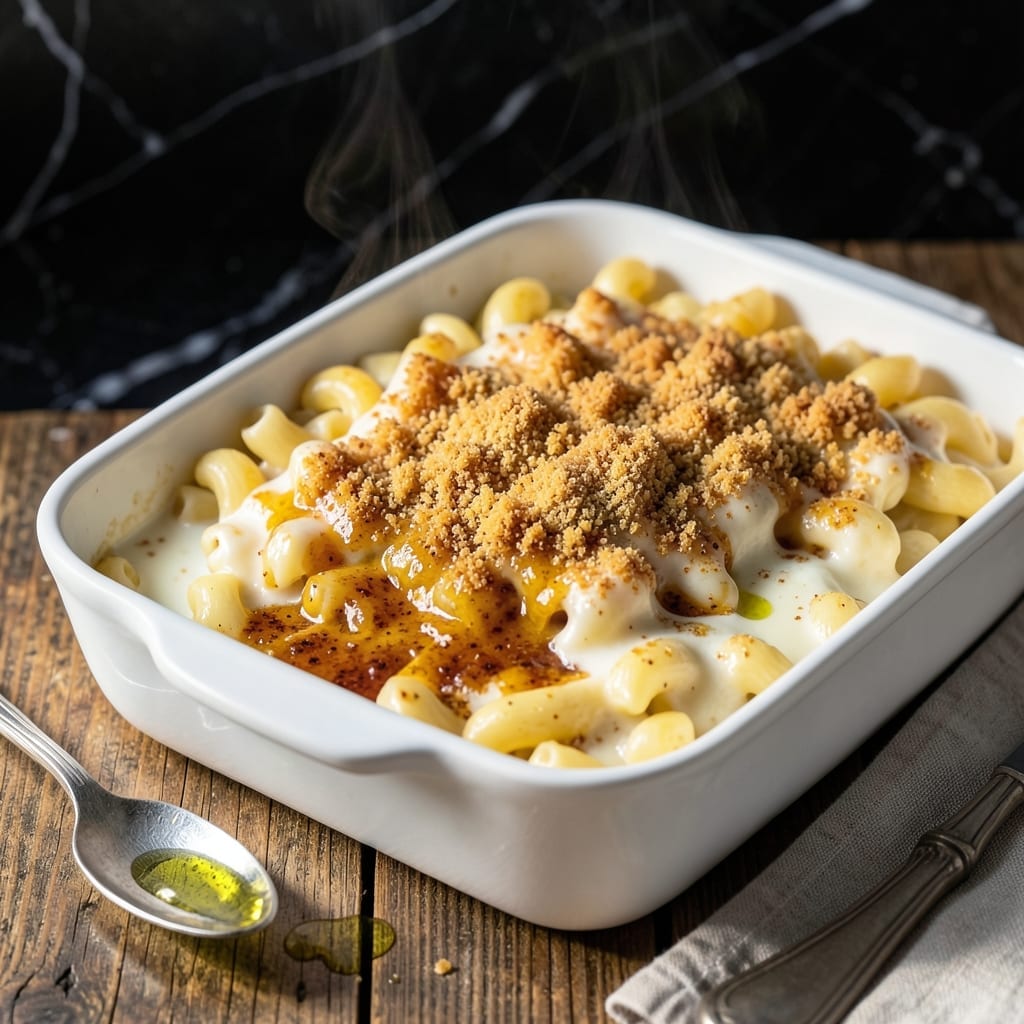
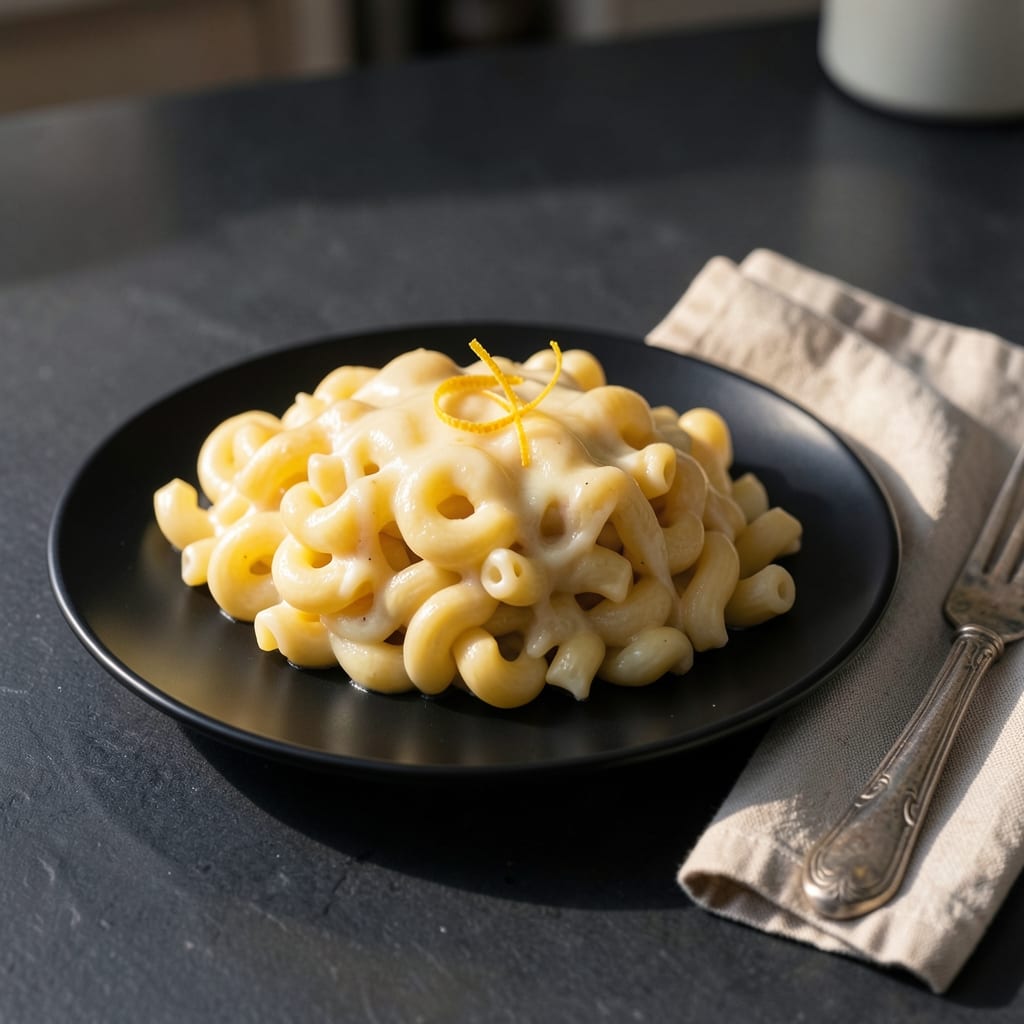
This velvety mornay sauce transforms any pasta dish with its rich, creamy texture and subtle nutmeg depth. The secret lies in a proper roux base that ensures a smooth, lump-free consistency every time.
With just a few pantry staples and 10 minutes of attention, you’ll have a cheese sauce that’s far superior to anything from a box. The nutmeg adds a warm, aromatic note that elevates the flavor profile significantly.
Ingredients for Cheese Sauce Recipe for Macaroni Cheese
Ten ingredients for a sauce that beats any boxed version hands down.
| Ingredient | Amount | Notes |
|---|---|---|
| Unsalted Butter 🧈 | 4 tbsp | For roux base |
| All-Purpose Flour 🌾 | 4 tbsp | Creates smooth roux |
| Whole Milk 🥛 | 2 cups | Warm for best results |
| Sharp Cheddar Cheese 🧀 | 2 cups | Freshly grated from block |
| Gruyere Cheese 🧀 | 1 cup | Freshly grated preferred |
| Ground Nutmeg 🌰 | ¼ tsp | Freshly ground for best flavor |
| Dijon Mustard 🟡 | 1 tsp | Adds depth to sauce |
| Salt 🧂 | ½ tsp | Kosher or sea salt |
| White Pepper 🌶️ | ¼ tsp | For subtle heat |
| Worcestershire Sauce 💧 | ½ tsp | Vegetarian version required |
[recipeingredientscaler]
The cheese is everything here. Sharp cheddar from a block (not pre-shredded—it melts better) and Gruyere give that classic depth. I get mine from Whole Foods or Trader Joe’s—both have good quality at fair prices. The milk should be whole for creaminess (skim won’t cut it). Warm it slightly before adding to the roux so it blends smoothly.
No Gruyere? Fontina or Monterey Jack work in a pinch. Swap Dijon for regular mustard at half the amount. For the Worcestershire, use Annie’s vegetarian version—regular contains anchovies. Nutmeg is non-negotiable though, it’s what gives that warm background note. If you’ve got whole nutmeg, grate it fresh (worth the extra minute).
Sauce thickens as it cools. Makes about 2.5 cups—enough for a pound of pasta. Keeps 3-4 days in the fridge (reheat gently with a splash of milk). Freezes well for 2 months if you want to make ahead.
Why You’ll Love This Recipe
- One Pot Wonder: It’s just butter, flour, milk, and cheese—no fancy steps, no extra pans to wash.
- Rich & Nutty: Sharp cheddar and gruyere melt into this velvety sauce that clings to every noodle.
- Kid-Approved Dinner: I’ve served this for picky eaters and second helpings were requested before the first plate was empty.
- Makes Great Leftovers: Honestly, it tastes even better the next day when the flavors deepen.
Step-by-Step Instructions for Cheese Sauce for Macaroni
Here’s the method I use for a silky, lump-free sauce that clings perfectly to pasta.
Step 1: Create the Roux Base
Melt the 4 tbsp unsalted butter in a heavy saucepan over medium heat. I use a light-colored pan so I can see the color change easily. Once melted and foaming subsides, add the 4 tbsp all-purpose flour all at once.
Stir constantly with a wooden spoon for 2-3 minutes until the mixture turns a pale golden color and smells slightly nutty. This is your roux—the foundation of the sauce. Don’t let it brown too much or your sauce will have a raw flour taste.
Step 2: Whisk in Warm Milk Gradually
Slowly pour in the 2 cups whole milk, about ¼ cup at a time, whisking vigorously after each addition. I warm my milk first (just until lukewarm) to prevent the roux from seizing up. The mixture will thicken significantly as you add the milk.
Keep whisking until smooth before adding more. Once all the milk is incorporated, continue cooking for 3-4 minutes until the sauce thickens enough to coat the back of a spoon. You’ll notice it transforms from thin liquid to velvety consistency.
Step 3: Add Cheeses and Seasonings
Reduce heat to low and add the 2 cups sharp cheddar cheese and 1 cup gruyere cheese gradually, stirring constantly until each addition is fully melted. I always grate my own cheese from blocks—pre-shredded contains anti-caking agents that make the sauce grainy.
Once melted, stir in the 0.25 tsp ground nutmeg, 1 tsp dijon mustard, 0.5 tsp salt, 0.25 tsp white pepper, and 0.5 tsp worcestershire sauce. The nutmeg adds that classic depth, while the mustard and Worcestershire provide subtle complexity.
Step 4: Adjust Consistency and Serve
Taste and adjust seasoning if needed, though remember the cheeses are already salty. If the sauce seems too thick, whisk in a splash of warm milk to reach your desired consistency. For macaroni and cheese, you want it to coat the pasta without being runny.
Use immediately while hot—the sauce will thicken slightly as it cools. For the creamiest results, fold the cooked pasta directly into the sauce off the heat. The residual heat will perfectly meld everything together without curdling the cheese.
Pro Tips For Making Cheese Sauce Recipe For Macaroni Cheese
- Warm the Milk: Heat your whole milk gently before adding it to the roux—cold milk seizes up the flour and makes a lumpy sauce. I learned this the hard way after fishing out clumps from my first three batches.
- Grate Your Cheese: Skip pre-shredded cheese; it’s coated in anti-caking agents that make the sauce grainy. Freshly grated sharp cheddar and Gruyere melt smoothly and actually taste like cheese.
- Low and Slow: Keep the heat at medium-low once you add the milk, or the sauce will scorch before it thickens. After burning two pots, I finally started using a heavy-bottomed saucepan.
- Add Cheese Off Heat: Turn off the burner before stirring in the cheese to prevent the sauce from splitting. Sounds fussy, but it’s the only way to get that velvety texture without a greasy mess.
Dietary Considerations for These Flavors
Keto-Friendly Options
For a low-carb twist, swap traditional macaroni for cauliflower florets or shirataki noodles. Use heavy cream and cheddar as the base, and thicken with xanthan gum instead of flour. A pinch of nutmeg keeps the flavor rich while staying keto-compliant. 💪
Gluten-Free Modifications
Replace all-purpose flour with cornstarch or a gluten-free flour blend to thicken the sauce. Ensure your cheese and macaroni are certified gluten-free, as some brands contain hidden gluten. Rice or quinoa pasta works well for a fully gluten-free dish. 📊
Allergen Awareness
For dairy-free versions, use nutritional yeast, cashew cream, or vegan cheese to mimic the cheesy flavor. If avoiding nuts, opt for seed-based alternatives like sunflower seed cheese. Always check labels for cross-contamination risks. ✨
Vegetarian Variations
This recipe is naturally vegetarian if using vegetable-based broths and cheeses. For added depth, incorporate roasted garlic or caramelized onions. Vegan? Use plant-based cheese and butter for a cruelty-free version. 🥗
Low-Sodium Adjustments
Reduce sodium by using low-sodium cheese and unsalted butter. Boost flavor with herbs like thyme or parsley instead of salt. For extra richness, a splash of white wine or lemon juice can enhance taste without added sodium. 🎯
Nutrition Facts

- 6 Egg Cake Recipe with Oil: Light as Air With Buttery Moisture - October 4, 2026
- 4 Bean Casserole Recipe: One-Pan Heartiness With Smoky Paprika Depth - October 4, 2026
- 3-Ingredient Keto Mug Cake Recipe: Microwave Magic in 2 Minutes - October 4, 2026