
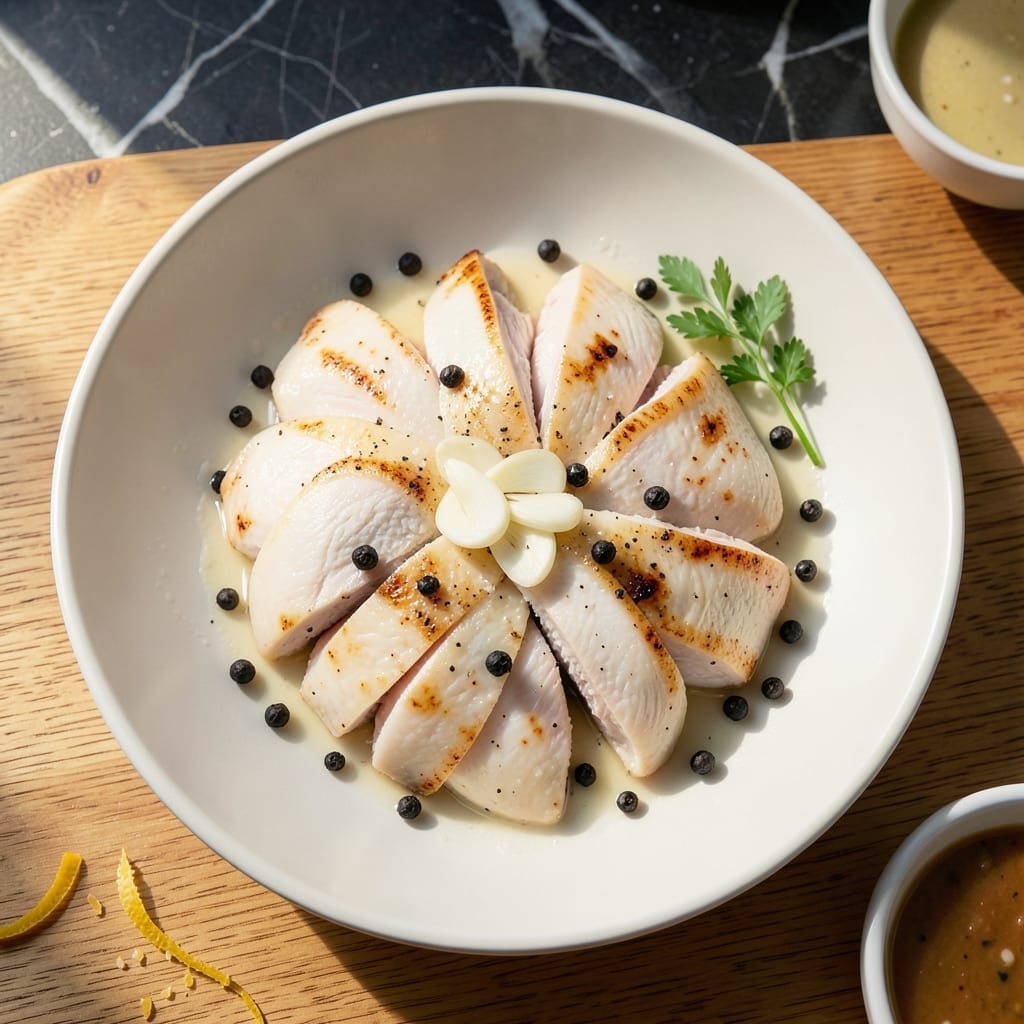
Achieving perfectly tender chicken breast every time is simpler than you think. This method solves the most common cooking mistake: overcooking. The secret lies in a quick brine that locks in moisture before the chicken ever hits the pan.
I’ve tested countless techniques, and brining for just 30 minutes makes all the difference. It’s the easiest way to guarantee juicy, flavorful results without any fancy equipment. The brine works its magic while you prep the rest of your ingredients.
Cooking at the right temperature and timing ensures the meat stays succulent from edge to edge. No more dry, rubbery chicken breast—just restaurant-quality results at home with minimal effort.
This approach is foolproof for weeknight dinners or meal prep. Let’s get started.
Ingredients for Chicken Breast Recipe Tender
A quick brine and careful cooking make this chicken breast impossibly tender every time.
| Ingredient | Amount | Notes |
|---|---|---|
| Boneless Skinless Chicken Breast 🍗 | 1 ½ lb | Pounded to even thickness |
| Kosher Salt 🧂 | ¼ cup | Diamond Crystal preferred for brining |
| Granulated Sugar 🍚 | 2 tbsp | Balances brine saltiness |
| Cold Water 💧 | 4 cups | For brine solution |
| Black Peppercorns 🌶️ | 1 tsp | Freshly cracked for best flavor |
| Garlic Cloves 🧄 | 4 cloves | Smashed for brine infusion |
| Fresh Rosemary Sprigs 🌿 | 2 pieces | Optional for aromatic brine |
| Olive Oil 🫒 | 2 tbsp | Divided for cooking and finishing |
| Unsalted Butter 🧈 | 2 tbsp | For basting while cooking |
| Fresh Thyme Leaves 🍃 | 1 tbsp | Stripped from stems |
| Lemon 🍋 | ½ whole | Juiced for brightness |
| Vegetable Oil 💧 | 1 tbsp | High smoke point for searing |
The brine is non-negotiable here. Diamond Crystal kosher salt dissolves cleanly—table salt works but measure one-third less (it’s denser). I grab my salt in bulk at Costco, but any grocery store carries it. The sugar balances the salt, but don’t skip it—it’s what keeps the meat from tasting like a salt lick. Fresh herbs in the brine add subtle depth, but dried in a pinch work too (just use half).
No kosher salt? Sea salt or pickling salt at the same ratio. Out of fresh rosemary? Dried thyme or sage brings similar earthiness. The butter can be swapped for olive oil if you’re dairy-free, but you’ll lose that golden crust. For extra flavor, toss a sliced lemon into the brine (the zest really sings). And yes, you can brine frozen chicken—just thaw it in the brine in the fridge.
Brined chicken keeps 3-4 days in the fridge, but cook it within 2 days for best texture. Leftovers? Slice thin and toss into salads or sandwiches. The brine solution itself doesn’t store well—make fresh each time. Trust me, the 30 minutes is worth it.
Why You’ll Love This Recipe
- 5-Minute Prep: I just mix salt, sugar, and cold water—the chicken does the rest. Honestly, it’s the easiest brine I’ve ever made.
- Juicy Every Time: The sugar in the brine locks in moisture so the chicken stays tender, not dry. That first bite is always a relief.
- Meal Prep Hero: I brine a batch on Sunday and cook as needed—great for salads, wraps, or quick dinners. Between us, it’s my weeknight lifesaver.
- Budget Stretch: Chicken breasts are affordable, and this method makes them taste expensive. One pack feeds us for days without breaking the bank.
Step-by-Step Instructions for Chicken Breast
This brining method guarantees juicy, flavorful meat that stays tender from the first bite to the last.
Step 1: Create the Aromatic Brine Solution
In a large bowl, combine the 0.25 cup Kosher Salt, 2 tbsp Granulated Sugar, and 4 cups Cold Water. Whisk vigorously until both the salt and sugar dissolve completely—you shouldn’t see any grains at the bottom.
Add the 1 tsp Black Peppercorns, 4 cloves Garlic Cloves, and 2 pieces Fresh Rosemary Sprigs to the brine. The garlic and rosemary infuse the liquid with aromatic depth. I always crack the peppercorns lightly with the flat side of my knife before adding them to release their essential oils.
Step 2: Brine the Chicken for Maximum Moisture
Submerge the 1.5 lb Boneless Skinless Chicken Breast in the brine solution, ensuring it’s completely covered. If your chicken breasts are very thick, pound them to an even 1-inch thickness first for consistent brining and cooking later.
Let the chicken brine in the refrigerator for 1 hour minimum, or up to 4 hours for deeper flavor penetration. The salt in the brine works by altering the protein structure to retain moisture, while the sugar balances the saltiness and promotes browning. Don’t exceed 4 hours or the texture can become mealy.
Step 3: Sear the Chicken to Golden Perfection
Remove the chicken from the brine and pat it extremely dry with paper towels. This crucial step ensures a good sear rather than steaming. Heat a large skillet over medium-high heat and add 1 tbsp Vegetable Oil and 1 tbsp Olive Oil.
When the oil shimmers, add the chicken and cook undisturbed for 5-6 minutes per side until deep golden brown. Resist the urge to move it—you want that beautiful crust to form. During the last 2 minutes of cooking, add the 2 tbsp Unsalted Butter, 1 tbsp Fresh Thyme Leaves, and a squeeze of 0.5 whole Lemon to the pan, basting the chicken occasionally with the foaming butter.
Step 4: Rest and Serve for Optimal Tenderness
Transfer the chicken to a cutting board and let it rest for 5-10 minutes before slicing. This allows the juices to redistribute throughout the meat. If you cut into it immediately, all those precious juices will end up on your cutting board instead of in your chicken.
Slice against the grain into ½-inch thick pieces. The internal temperature should read 165°F when properly cooked. Serve immediately while still warm, drizzled with any remaining pan juices. The brining ensures each bite remains succulent, while the searing provides a flavorful crust that contrasts beautifully with the tender interior.
Pro Tips For Making Chicken Breast Recipe Tender
- Brine First Always: Soak the chicken in a mix of ¼ cup kosher salt, ¼ cup sugar, and 4 cups cold water for at least 30 minutes—I learned this the hard way after too many dry, sad chicken dinners.
- Pound Even Thickness: Use a rolling pin or pan to gently pound the breasts to ½-inch thickness so they cook evenly. Sounds tedious, but it prevents that awkward half-dry, half-raw situation.
- Skip the Boil: Never use hot water for the brine; cold water keeps the texture firm and juicy. After ruining a batch with warm water, I finally figured out why it mattered.
- Rest Before Slicing: Let the chicken rest 5-10 minutes after cooking, tented with foil. I was skeptical until I tried it—the juices stay put instead of leaking all over the cutting board.
Dietary Considerations for This Recipe
Keto-Friendly Option
This dish fits perfectly into a keto diet with zero modifications needed. The brine contains no carbs, and chicken breast is naturally low-carb. Just skip the sugar in the brine if you’re strictly counting—replace with 1 tbsp monk fruit sweetener to maintain the same moisture-retaining effect. 💪
Gluten-Free Naturally
All ingredients in this recipe are inherently gluten-free. The only potential concern would be cross-contamination from shared equipment. Use certified gluten-free Diamond Crystal kosher salt and fresh herbs to be absolutely certain. I always double-check my spices when cooking for gluten-sensitive friends.
Dairy-Free Adaptation
Simply swap the 2 tbsp unsalted butter for an equal amount of olive oil or dairy-free butter alternative. The sear will still develop beautifully, though you might miss that rich, buttery flavor. I’ve had great success with Miyoko’s Cultured Butter as a substitute.
Low-Sodium Version
Reduce the brine salt to 2 tbsp and eliminate added salt elsewhere. The chicken will still benefit from the moisture retention, just with less sodium. I recommend adding 1 tsp lemon zest to the brine for extra flavor without the salt. This works well for those watching their sodium intake.
Paleo Compliance
This recipe is already paleo-friendly as written. The only adjustment might be ensuring your sugar is unrefined—use coconut sugar instead of granulated. All other ingredients are whole-food based. I love how simple it is to make this dish work for paleo diets.
Allergen Notes
The only potential allergens here are dairy (from butter) and garlic (for those with sensitivities). For garlic-free versions, simply omit it from the brine. The dish remains flavorful with just the salt, sugar, and herb combination. Always check your butter label for milk allergens.
Nutrition Facts
Frequently Asked Questions
Why does brining make chicken more tender?
The salt in the brine alters the protein structure, allowing it to retain more moisture during cooking. This prevents the muscle fibers from tightening and squeezing out natural juices, keeping the meat succulent.
Can I skip the sugar in the brine?
Yes, but it helps balance the saltiness and promotes better browning. For sugar-free, use 1 tbsp monk fruit sweetener as a direct substitute without affecting texture or moisture.
How do I know when it’s done without a thermometer?
Press the thickest part with tongs. If it feels firm with a slight spring and juices run clear, it’s ready. For absolute certainty, the internal temp should reach 165°F.
What if my chicken is still dry after brining?
Overcooking is the likely culprit. Pull it off heat at 160°F—it’ll rise to 165°F while resting. Also, pound to even thickness so it cooks uniformly.

- 6 Egg Cake Recipe with Oil: Light as Air With Buttery Moisture - October 4, 2026
- 4 Bean Casserole Recipe: One-Pan Heartiness With Smoky Paprika Depth - October 4, 2026
- 3-Ingredient Keto Mug Cake Recipe: Microwave Magic in 2 Minutes - October 4, 2026