
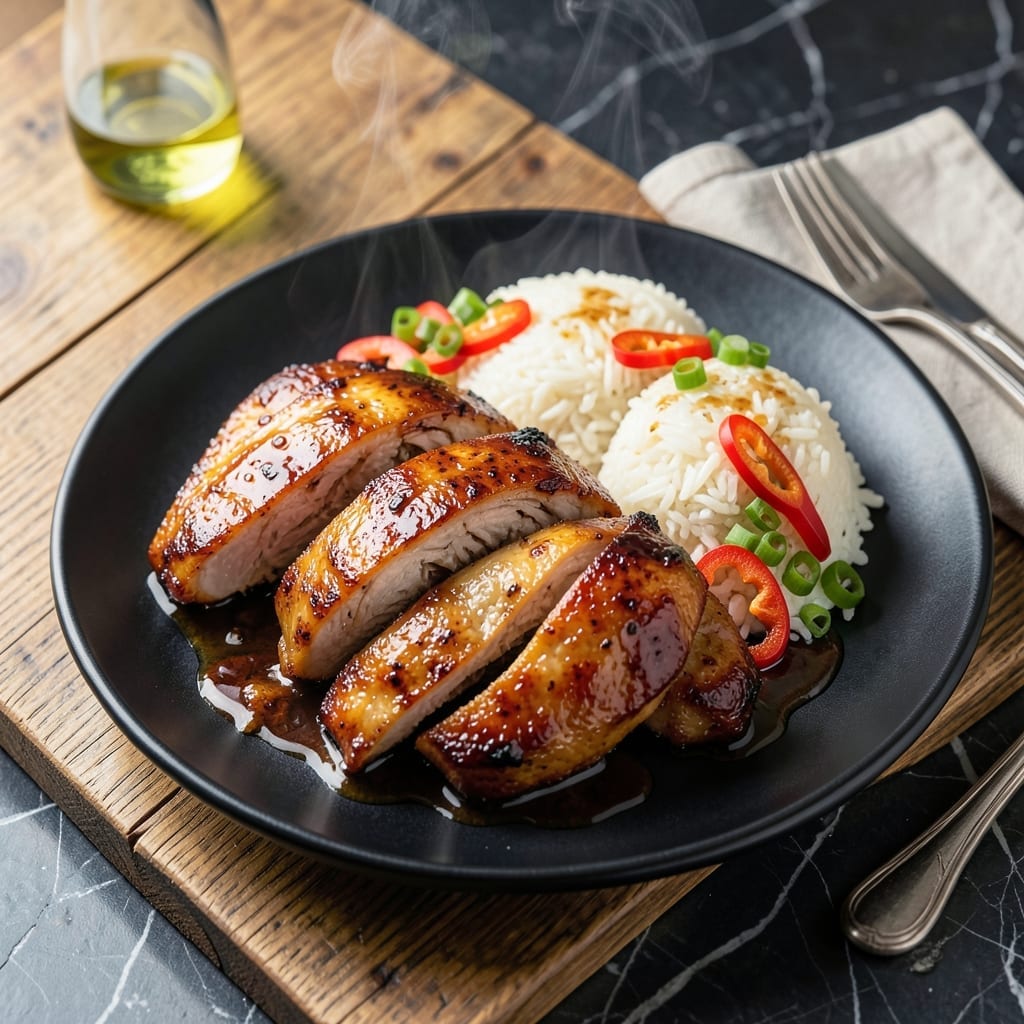
This teriyaki chicken thigh recipe delivers restaurant-quality results with minimal effort at home. The secret lies in achieving that perfect balance between a sticky glaze and deeply caramelized edges that make each bite irresistible.
I’ve refined this method to ensure the sauce thickens just enough to coat the chicken without becoming cloying. The thighs stay juicy and tender while developing a rich, glossy finish that’s both sweet and savory.
What sets this dish apart is the way the sauce reduces in the pan, creating layers of flavor that cling to every piece. The result is a dish that looks as impressive as it tastes, with no shortcuts taken.
Serve with steamed rice and steamed vegetables to soak up every drop of that glossy teriyaki glaze. Here’s how to make it perfectly every time.
Ingredients for Chicken Thigh Recipe Teriyaki
A handful of everyday ingredients transforms into a dish with that signature sticky, caramelized finish.
| Ingredient | Amount | Notes |
|---|---|---|
| Boneless Skinless Chicken Thighs 🍗 | 1 ½ lb | Trimmed of excess fat |
| Soy Sauce 🥫 | ½ cup | Low-sodium preferred |
| Brown Sugar 🍚 | ⅓ cup | Packed, light or dark |
| Honey 🍯 | ¼ cup | Pure, for glaze sweetness |
| Fresh Ginger 🌿 | 1 tbsp | Peeled and grated |
| Garlic Cloves 🧄 | 3 cloves | Minced for depth |
| Rice Vinegar 🍶 | 2 tbsp | Unseasoned variety |
| Sesame Oil 🫒 | 1 tbsp | Toasted for aroma |
| Cornstarch 🌾 | 1 tbsp | For thickening sauce |
| Water 💧 | ¼ cup | To dissolve cornstarch |
| Vegetable Oil 🫒 | 2 tbsp | High smoke point for searing |
| Green Onions 🧅 | 3 whole | Thinly sliced for garnish |
| Sesame Seeds 🌰 | 1 tbsp | Toasted for garnish |
| Salt 🧂 | ½ tsp | Kosher or sea salt |
| Black Pepper 🌶️ | ¼ tsp | Freshly ground |
The chicken thighs are the foundation here. Boneless, skinless ensures even cooking and maximum sauce absorption. Look for pieces with consistent thickness—avoid the ones that taper too much. Costco and Whole Foods both carry high-quality options, but any supermarket brand works. The soy sauce should be low-sodium to control the saltiness of the glaze.
No brown sugar? Coconut sugar or maple syrup can step in (adjust liquid ratios slightly). Fresh ginger is ideal, but ground ginger at half the amount works in a pinch. Swap honey for agave if needed. For the rice vinegar, apple cider vinegar is an acceptable substitute, though the flavor profile will shift slightly. Always use toasted sesame oil for that authentic depth.
The sauce keeps beautifully for 5 days in the fridge—store it separately from the chicken. Reheat gently to avoid breaking the glaze. Freeze cooked chicken in sauce for up to 3 months (the texture changes slightly but remains delicious). Toast sesame seeds just before serving for maximum crunch.
Why You’ll Love This Recipe
- One Pan Wonder: I just toss the chicken thighs with soy sauce, brown sugar, and honey, then let the oven do the work—minimal cleanup, maximum flavor.
- Sweet & Sticky: The honey and brown sugar caramelize into this glossy glaze that coats every bite. Honestly, I could eat it straight off the spoon.
- Meal Prep Hero: I make a big batch on Sunday and it reheats beautifully for lunches all week.
- Budget Friendly: Chicken thighs are always cheaper than breasts, and this recipe stretches them into something special. Between us, my wallet thanks me every time.
Step-by-Step Instructions for Chicken Thigh Teriyaki
Master this technique and you’ll achieve restaurant-quality teriyaki with caramelized edges every time.
Step 1: Sear the Chicken Thighs to Golden Perfection
Pat the 1.5 lb boneless skinless chicken thighs completely dry with paper towels, then season both sides with 0.5 tsp salt and 0.25 tsp black pepper. This drying step ensures a proper sear instead of steaming.
Heat 2 tbsp vegetable oil in a large skillet over medium-high heat until shimmering. Add the chicken thighs in a single layer, working in batches if necessary. Cook undisturbed for 5-6 minutes until the edges are deep golden brown and the meat releases easily from the pan.
Flip and sear the second side for another 4-5 minutes until equally browned. The chicken doesn’t need to be fully cooked at this stage. Transfer to a plate and set aside.
Step 2: Create the Teriyaki Glaze Base
In the same skillet (don’t clean it—the fond adds flavor), reduce heat to medium. Add 1 tbsp fresh ginger and 3 cloves minced garlic, stirring constantly for 30 seconds until fragrant but not browned.
Pour in 0.5 cup soy sauce, 0.33 cup brown sugar, 0.25 cup honey, and 2 tbsp rice vinegar. Stir to combine, scraping up any browned bits from the bottom. Bring to a gentle simmer and cook for 2-3 minutes until the sugar dissolves.
The mixture should look glossy and smell deeply aromatic. This is where the signature teriyaki flavor develops, so don’t rush the simmering process.
Step 3: Thicken and Finish the Sauce
In a small bowl, whisk together 1 tbsp cornstarch and 0.25 cup water until smooth. Slowly pour this slurry into the simmering sauce while stirring constantly. The mixture will thicken almost immediately.
Return the chicken thighs to the skillet, coating them completely in the glaze. Add 1 tbsp sesame oil and stir to incorporate. Cook for another 2-3 minutes, flipping the chicken occasionally, until the sauce reduces to a sticky consistency and the chicken reaches 165°F internally.
You’ll know it’s ready when the glaze clings to the chicken and the edges begin to caramelize. The sauce should be thick enough to coat the back of a spoon but still pourable.
Step 4: Garnish and Serve Immediately
Transfer the chicken to a serving platter and spoon any remaining sauce from the pan over the top. Sprinkle with 3 whole thinly sliced green onions and 1 tbsp toasted sesame seeds for freshness and crunch.
Let the chicken rest for 2-3 minutes before serving. This brief rest allows the juices to redistribute, ensuring each bite is tender and flavorful. The glaze should be glossy and slightly sticky, with visible caramelization around the edges of each piece.
Serve hot over steamed rice to soak up the extra sauce. The combination of sweet, salty, and umami flavors with the rich chicken creates the perfect balance.
Pro Tips For Making Chicken Thigh Recipe Teriyaki
- Sear Before Sauce: Get a good brown crust on the chicken thighs first over medium-high heat—about 3-4 minutes per side—before adding the teriyaki sauce. I learned this the hard way after my chicken boiled in the sauce instead of caramelizing.
- Grate the Ginger: Use fresh ginger and grate it fine instead of mincing—it blends into the sauce better and you won’t bite into fibrous chunks. About 1 tablespoon does the trick for a pound of thighs.
- Reduce the Sauce: After cooking the chicken, pour the sauce into the pan and let it boil for 2-3 minutes until it thickens slightly. Skip this and your teriyaki will be watery instead of glossy.
- Rest the Thighs: Let the chicken rest 5 minutes under foil after cooking—it keeps the juices inside where they belong. I used to cut right in and lost half the flavor to the plate.
Health Benefits of This Recipe
Rich in Protein
This dish packs a serious protein punch with 1.5 lb chicken thighs providing about 35g of protein per serving. Protein is essential for muscle repair and growth, keeping you full and energized throughout the day. 💪
Iron Boost
Chicken thighs are an excellent source of heme iron, which your body absorbs more easily than non-heme iron from plants. A single serving delivers roughly 15% of your daily iron needs, supporting healthy blood and energy levels.
B Vitamin Powerhouse
You’ll get a hefty dose of B vitamins, particularly B6 and B12, which are vital for brain function and metabolism. These nutrients help convert food into energy and maintain healthy nervous system function.
Zinc for Immunity
With about 2.5mg of zinc per serving, this dish supports your immune system and wound healing. Zinc also plays a key role in taste perception and DNA synthesis, making it a nutrient your body can’t do without.
Healthy Fats
While higher in fat than chicken breast, the fats in chicken thighs are predominantly monounsaturated and polyunsaturated. These heart-healthy fats can help lower bad cholesterol levels when consumed as part of a balanced diet.
Low-Carb Friendly
This creation is naturally low in carbohydrates, making it perfect for those watching their carb intake. The small amount of sugar in the glaze is balanced by the protein and healthy fats, preventing blood sugar spikes. 🥗
Nutrition Facts
Frequently Asked Questions
Can I use bone-in thighs instead?
Yes, but increase cooking time by 5-7 minutes to ensure the meat near the bone reaches 165°F. Bone-in adds flavor but may make caramelization slightly uneven.
Why did my sauce turn out thin?
Likely the cornstarch slurry needed more simmering time. Boil for an extra 1-2 minutes after adding it, stirring constantly. Ensure you use 1 tbsp cornstarch per 0.25 cup water.
Can I make this ahead?
Cook and store chicken with sauce separately in the fridge for up to 3 days. Reheat gently in a pan with a splash of water to prevent sticking.
What if I don’t have rice vinegar?
Substitute with apple cider vinegar or white wine vinegar. Use the same 2 tbsp measurement, but expect a slightly tangier flavor profile.

- 6 Egg Cake Recipe with Oil: Light as Air With Buttery Moisture - October 4, 2026
- 4 Bean Casserole Recipe: One-Pan Heartiness With Smoky Paprika Depth - October 4, 2026
- 3-Ingredient Keto Mug Cake Recipe: Microwave Magic in 2 Minutes - October 4, 2026