
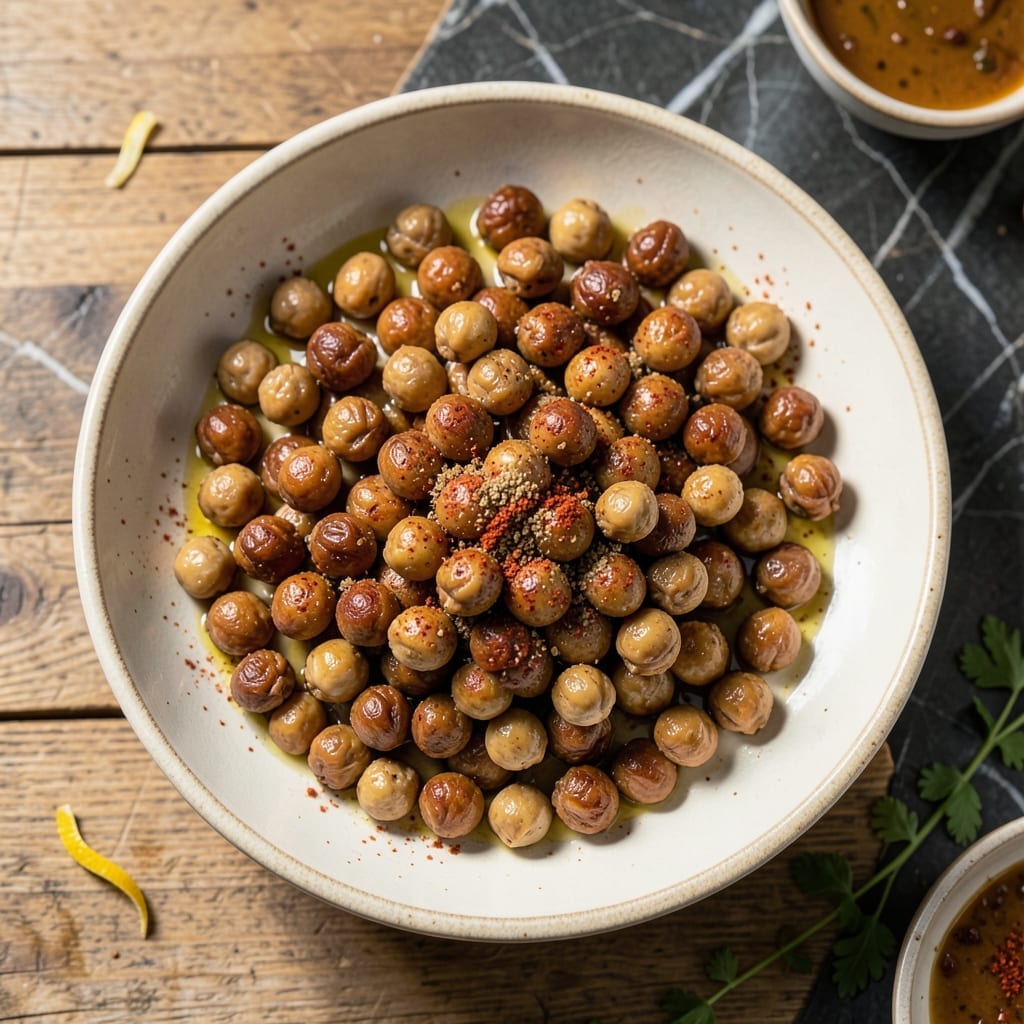
This method transforms humble chickpeas into a crunchy, nutty snack that satisfies every time. The process is straightforward but precise, ensuring consistent texture and flavor.
Soaking the chickpeas overnight is essential for even dehydration. Seasoning options range from simple salt to bold spice blends, allowing customization for any taste preference.
Dehydrate at 135°F for 8-12 hours, checking periodically for desired crispness. The result is a shelf-stable, protein-packed snack that beats store-bought versions.
Vegan-friendly by nature, these chickpeas work as a topping, salad crunch, or standalone snack. The dehydration process intensifies their natural flavor.
Ingredients for Dehydrated Chickpeas
Transform simple chickpeas into a flavorful, crunchy snack with these quality ingredients.
| Ingredient | Amount | Notes |
|---|---|---|
| Dried Chickpeas 🌰 | 2 cups | Rinsed and picked over |
| Water 💧 | 4 cups | For soaking chickpeas |
| Olive Oil 🫒 | 1 tbsp | Extra-virgin for coating |
| Sea Salt 🧂 | 1 tsp | Fine grain preferred |
| Smoked Paprika 🌶️ | 1 tsp | For depth of flavor |
| Ground Cumin 🌿 | ½ tsp | Toasted for aroma |
| Garlic Powder 🧄 | ½ tsp | Granulated works too |
| Onion Powder 🧅 | ½ tsp | Balances the spices |
| Cayenne Pepper 🔥 | ¼ tsp | Adjust for heat preference |
| Black Pepper 🌶️ | ¼ tsp | Freshly ground preferred |
| Lemon Zest 🍋 | 1 tsp | Freshly grated for brightness |
The chickpeas are the foundation, so use high-quality dried—Goya or Bob’s Red Mill are reliable brands. Soaking overnight ensures even dehydration (don’t skip this step). The olive oil should be extra-virgin for maximum flavor penetration. Spices lose potency over time, so check the expiration dates on your paprika and cumin before starting.
Short on time? Canned chickpeas (drained and patted dry) work in a pinch, but texture may be less consistent. For a milder spice blend, omit the cayenne or substitute with a pinch of cinnamon for warmth. No smoked paprika? Regular paprika plus a dash of liquid smoke mimics the depth. Fresh garlic can replace powders, but use half the amount to avoid bitterness.
Store dehydrated chickpeas in airtight containers at room temperature for up to 2 weeks. For longer storage, freeze for 3 months. The flavors intensify over time, so taste after a day before adjusting seasoning for future batches.
Why You’ll Love This Recipe
- Set and Forget: I soak the chickpeas overnight, toss with olive oil and spices, then let the dehydrator do all the work—zero babysitting required.
- Smoky Crunch: That smoked paprika gives them a deep, almost bacon-like flavor, and the texture? Pure crispy satisfaction.
- Trail or Table: I pack these for hikes, but they’re just as good tossed into salads or served as a bar snack with drinks.
- Pantry Superhero: A big batch costs pennies, keeps for weeks, and beats store-bought every time—honestly, I’ve stopped buying canned.
Step-by-Step Instructions for Dehydrated Chickpeas
This method transforms soaked chickpeas into a crisp, flavorful snack with minimal effort.
Step 1: Soak and Prepare the Dried Chickpeas
Place the 2 cups dried chickpeas in a large bowl and cover with the 4 cups water. Ensure the water covers the chickpeas by at least 2 inches, as they will expand significantly. Let them soak at room temperature for 8-12 hours or overnight.
After soaking, drain and rinse the chickpeas thoroughly under cold water. Pick over them to remove any remaining skins or debris. Pat them completely dry with a clean kitchen towel—excess moisture will extend the dehydrating time and prevent even crispiness.
Step 2: Season the Chickpeas for Maximum Flavor
In a large bowl, combine the soaked and dried chickpeas with the 1 tbsp olive oil. Toss until every chickpea is evenly coated. The oil helps the spices adhere and promotes even browning during dehydration.
Add the 1 tsp sea salt, 1 tsp smoked paprika, 0.5 tsp ground cumin, 0.5 tsp garlic powder, 0.5 tsp onion powder, 0.25 tsp cayenne pepper, 0.25 tsp black pepper, and 1 tsp lemon zest. Stir gently to distribute the spices evenly, ensuring each chickpea is well-seasoned.
Step 3: Arrange Chickpeas for Optimal Dehydration
Preheat your dehydrator to 135°F. If using an oven, set it to its lowest temperature (ideally 140°F or less) and prop the door open slightly with a wooden spoon to allow moisture to escape.
Spread the seasoned chickpeas in a single layer on the dehydrator trays or a baking sheet lined with parchment paper. Ensure there is space between each chickpea to allow for proper airflow. Overcrowding will result in uneven drying and potential spoilage.
Step 4: Dehydrate to Achieve Perfect Crispness
Dehydrate the chickpeas at 135°F for 8-12 hours, checking periodically after the 6-hour mark. The exact time will depend on your dehydrator’s efficiency and the humidity in your environment. The chickpeas are done when they are completely dry to the touch and have a crisp, crunchy texture when cooled.
Test a few chickpeas by letting them cool completely—if they remain crisp after cooling, they are fully dehydrated. If they soften, return them to the dehydrator for another 1-2 hours and retest.
Step 5: Cool and Store for Long-Lasting Crunch
Once fully dehydrated, remove the chickpeas from the trays and let them cool completely on a wire rack. This cooling step is crucial to prevent condensation, which can make them soggy.
Store the dehydrated chickpeas in an airtight container at room temperature. They will keep for up to 2 weeks if stored properly. If you notice any moisture buildup in the container, add a silica gel packet to absorb excess humidity and maintain crispness.
Pro Tips For Making Dehydrated Chickpeas
- Soak Overnight: I learned this the hard way—dried chickpeas need at least 8-12 hours in water to rehydrate properly, or they’ll stay tough even after cooking.
- Skim the Foam: When boiling, a white foam rises to the top; skim it off with a spoon to keep the water clean and the chickpeas tasting fresh.
- Salt at the End: Adding sea salt too early can make the chickpeas stay hard, so wait until they’re tender before seasoning.
- Dry Thoroughly: After cooking, spread them on a towel and pat completely dry before dehydrating—any moisture left means uneven crisping.
Pro Cooking Tips for This Recipe
Even Soaking Matters
I always soak my chickpeas for the full 12 hours—this ensures they rehydrate completely and dehydrate evenly. Use cold water and cover the bowl to prevent any debris from settling. Drain and rinse thoroughly before seasoning. 💡
Spice Adhesion Trick
After draining, pat the chickpeas completely dry with a clean towel. Any moisture will cause the spices to clump. I toss them with extra-virgin olive oil first so the seasoning sticks better during dehydration.
Tray Spacing Is Key
Spread chickpeas in a single layer on dehydrator trays, leaving ½ inch between each. Overcrowding traps moisture, leading to uneven drying. Rotate trays halfway through for consistent results.
Temperature Precision
Set your dehydrator to exactly 135°F—any higher risks burning, while lower temps extend drying time. I check mine after 6 hours and adjust as needed. Oven users should prop the door open slightly.
Cool Before Storing
Let dehydrated chickpeas cool completely on a wire rack before storing. This prevents condensation from forming in the container. I add a silica packet to absorb any residual moisture for maximum crispness.
Test for Doneness
Sample a few chickpeas after 8 hours—they should be dry and crisp when cooled. If they soften, return them for another 1-2 hours. Properly dehydrated chickpeas will keep their crunch for 2 weeks. ✨
Nutrition Facts
Frequently Asked Questions
Do I need to soak chickpeas before dehydrating?
Yes, soaking for 8-12 hours is essential for even dehydration. This step ensures they rehydrate fully and dry uniformly for consistent crispness. Skipping it can lead to uneven texture.
Can I use canned chickpeas instead?
You can, but texture may vary. Drain, rinse, and pat completely dry before seasoning. Canned versions often dehydrate faster, so check after 6 hours. Freshness affects flavor, so choose high-quality brands.
How do I know when they’re fully dehydrated?
Test a few after cooling—they should be completely dry and crisp. If they soften, return them for another 1-2 hours. Properly dehydrated chickpeas will maintain their crunch for up to 2 weeks.
What’s the best way to store them?
Use an airtight container at room temperature. Add a silica packet to absorb moisture and maintain crispness. Store for up to 2 weeks, or freeze for 3 months for longer shelf life.

- 6 Egg Cake Recipe with Oil: Light as Air With Buttery Moisture - October 4, 2026
- 4 Bean Casserole Recipe: One-Pan Heartiness With Smoky Paprika Depth - October 4, 2026
- 3-Ingredient Keto Mug Cake Recipe: Microwave Magic in 2 Minutes - October 4, 2026