
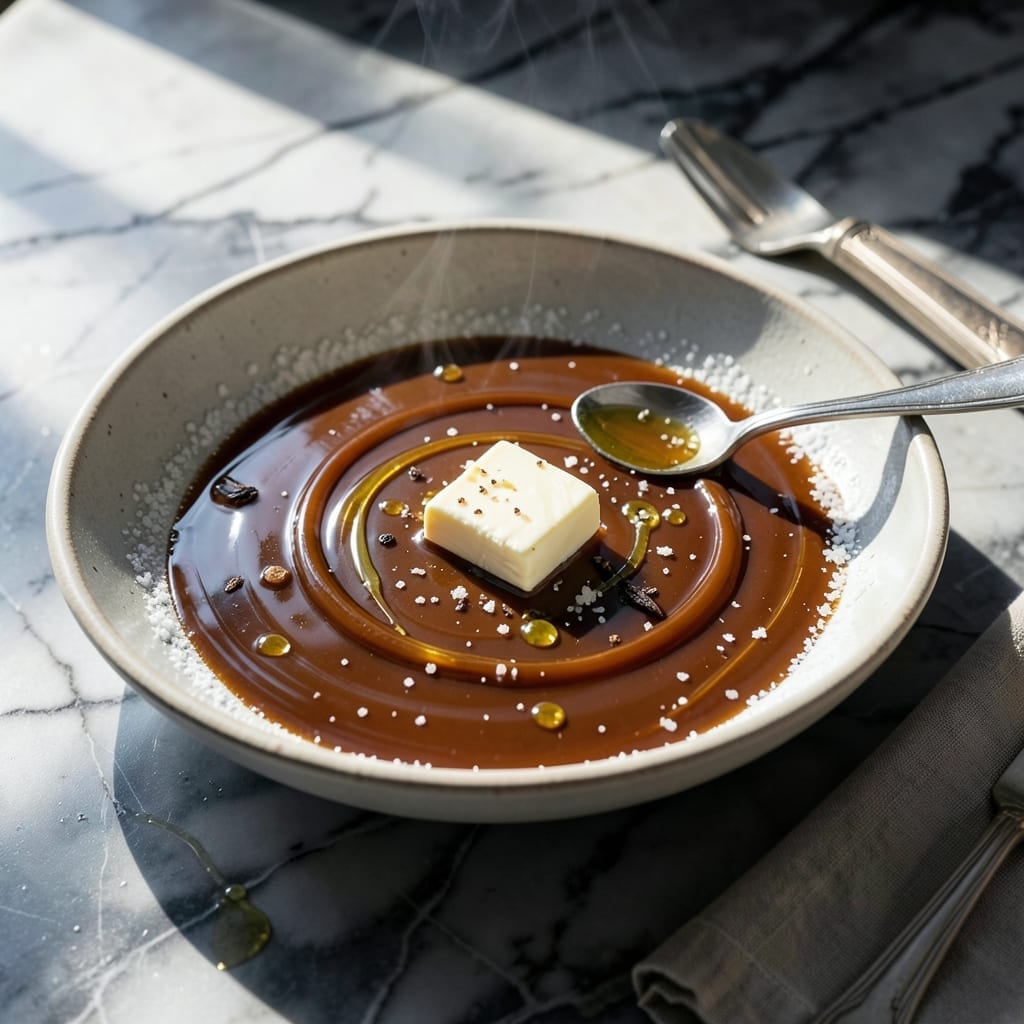
This professional glaze delivers a smooth, glossy finish to pastries without relying on powdered sugar. The method uses granulated sweetener with a simple technique to achieve the perfect consistency.
The key lies in dissolving sugar completely in liquid, creating a stable syrup that dries to a shiny coat. A small amount of corn syrup helps prevent crystallization while maintaining that signature donut shop sheen.
What results is a versatile glaze that adheres beautifully to fried or baked goods, setting quickly with a professional appearance. The texture remains consistently smooth with no graininess.
Use this on cakes, pastries, or any treat needing an elegant sugar coating. The process takes 10 minutes start to finish.
Ingredients for Donut Glaze Recipe Without Powdered Sugar
Six simple components create this professional pastry glaze with perfect sheen.
| Ingredient | Amount | Notes |
|---|---|---|
| Granulated Sugar 🍚 | 2 cups | Fine white sugar for smooth dissolution |
| Water 💧 | ¼ cup | For dissolving sugar completely |
| Light Corn Syrup 🧈 | 2 tbsp | Prevents crystallization in glaze |
| Vanilla Extract 🌿 | 1 tsp | Pure extract for best flavor |
| Salt 🧂 | 0.125 tsp | Fine grain for even distribution |
| Unsalted Butter 🧈 | 2 tbsp | Optional for richer glaze |
The sugar quality matters here. Domino or C&H granulated sugar dissolves cleanly without residue. Light corn syrup is non-negotiable—Karo brand is the industry standard for its neutral flavor and anti-crystallization properties. Use filtered water if your tap water has a strong taste. The vanilla should be pure extract (not imitation) for authentic bakery flavor.
No corn syrup? Agave nectar or honey works at a 1:1 ratio, though honey adds color. For a clearer glaze, replace water with milk (dairy or plant-based). Want more depth? Swap vanilla for almond extract at half the amount. The butter is optional but adds richness—omit for a vegan version. Salt can be adjusted to taste.
This glaze sets quickly once applied. Use within 2 hours for best results. Store in an airtight container at room temperature for up to 5 days. Reheat gently in a double boiler if it thickens. Works on fried or baked goods with equal shine.
Why You’ll Love This Recipe
- No Fuss Mixing: I just stir granulated sugar, water, and corn syrup in a saucepan—no sifting, no clumps, no fuss.
- Rich Vanilla Shine: The vanilla extract gives it that warm, bakery-style flavor that makes every donut taste special.
- Weekend Brunch Star: It’s my go-to for lazy Saturday mornings when I want fresh glaze without a trip to the store.
- Budget Friendly: Granulated sugar is cheaper than powdered, and this recipe stretches to cover a whole batch of donuts.
Step-by-Step Instructions for Donut Glaze Without Powdered Sugar
This method ensures a glossy, smooth finish using granulated sugar for professional-quality results.
Step 1: Dissolve Sugar Completely
In a medium saucepan, combine the 2 cups Granulated Sugar and 0.25 cup Water. Stir gently to moisten all the sugar crystals before applying heat. This prevents scorching and ensures even dissolution.
Place the saucepan over medium heat and warm the mixture without stirring. You’ll see the sugar begin to dissolve at the edges first. Resist the urge to stir—agitation causes sugar crystals to form on the sides of the pan, leading to graininess in the final glaze.
After 3-4 minutes, when the mixture begins to simmer and the sugar is about 75% dissolved, you can gently swirl the pan to help the remaining crystals melt. The liquid should be clear with no visible sugar grains.
Step 2: Add Corn Syrup and Reach Boiling Point
Once the sugar is fully dissolved, stir in the 2 tbsp Light Corn Syrup. The corn syrup serves a critical function here—it contains invert sugar, which prevents the granulated sugar from crystallizing as the glaze cools.
Return the mixture to medium-high heat and bring to a full rolling boil. You’ll notice the liquid becomes slightly thicker and more translucent. Allow it to boil undisturbed for exactly 1 minute—this ensures the sugar syrup reaches the proper concentration for glaze consistency.
Watch for the mixture to develop small bubbles across the entire surface. If you see large, lazy bubbles, the heat is too low. Adjust accordingly to maintain that vigorous, even boil.
Step 3: Incorporate Flavorings and Thicken
Remove the saucepan from heat and immediately add the 1 tsp Vanilla Extract, 0.125 tsp Salt, and 2 tbsp Unsalted Butter. The residual heat will melt the butter and distribute the vanilla evenly without cooking off its delicate flavor compounds.
Stir continuously for 30-45 seconds until the butter is completely melted and the glaze has a uniform, glossy appearance. The salt enhances all the flavors, while the butter adds richness and helps create that characteristic sheen on finished pastries.
The glaze will thicken slightly as it cools. At this stage, it should coat the back of a spoon but still drip off slowly in a steady stream. If it’s too thin, return it to low heat for another 30 seconds of gentle simmering.
Step 4: Test and Adjust Consistency
To test the glaze, dip a clean spoon into the mixture and let it drip back into the pan. The glaze should fall in a thick, continuous ribbon that briefly holds its shape before dissolving back into the mixture. If it drips too quickly, it needs more reduction time.
For donuts, the ideal glaze temperature is 110-120°F when applying. If it’s too hot, it will soak into the pastry; too cool, and it will set before properly coating. Use an instant-read thermometer for precision, or test by dipping a donut scrap—the glaze should coat smoothly without running off completely.
If the glaze becomes too thick as it cools, whisk in 1-2 teaspoons of warm water to restore the proper consistency. This adjustment is common when working in humid environments or with variations in stove temperature.
Pro Tips For Making Donut Glaze Recipe Without Powdered Sugar
- Boil to 230°F: Use a candy thermometer and pull the glaze off the heat the second it hits 230°F—any higher and it’ll harden too fast on the donuts. I learned this the hard way after ruining a batch with rock-hard glaze.
- Dissolve sugar first: Stir the granulated sugar into the water over medium heat until fully dissolved before adding corn syrup. Sounds obvious, but skipping this step leaves you with grainy glaze every time.
- Skip the cold donuts: Glaze warm donuts, not piping hot or cold ones—room temp or slightly warm lets the glaze cling and set smoothly. My first few attempts slid right off because I was too impatient.
- Add corn syrup last: Wait until the sugar-water mixture is clear before stirring in the corn syrup. Adding it too early can make the glaze cloudy, and nobody wants dull-looking donuts.
Best Sauces and Condiments for This Dish
Chocolate Drizzle
Melt ½ cup semi-sweet chocolate chips with 2 tbsp coconut oil for a rich, pourable topping. This pairs perfectly with the glaze, creating a classic donut shop combination. Drizzle over the set glaze for a decorative finish. 🔥
Citrus Zest Glaze
Stir 1 tbsp lemon or orange zest into the warm glaze before applying. The citrus oils brighten the sweetness beautifully. I love this variation for spring and summer pastries.
Maple Variation
Replace ½ cup water with pure maple syrup for a deeper, caramel-like flavor. Use dark grade B maple syrup for the most robust taste. This works especially well with apple cider donuts.
Spiced Glaze
Add ½ tsp cinnamon and ¼ tsp nutmeg to the warm glaze. These spices complement the vanilla beautifully. I often make this version for fall and winter treats.
Coffee Infusion
Dissolve 1 tbsp instant espresso powder in the water before adding sugar. The coffee enhances the chocolate notes in the glaze. This adult-friendly version pairs wonderfully with mocha-flavored donuts.
Coconut Twist
Swap water for canned coconut milk and add ½ tsp coconut extract. The result is a tropical-inspired glaze that works beautifully with cake donuts. Toasted coconut flakes make an excellent garnish.
Nutrition Facts
Frequently Asked Questions
Can I use honey instead of corn syrup?
Yes, honey works as a substitute in a 1:1 ratio. It may add a slightly golden color and mild flavor. Just ensure it’s fully incorporated while warm.
Why does my glaze turn out grainy?
Graininess usually means the sugar didn’t dissolve completely. Always let the mixture reach a full boil for 1 minute and avoid stirring during heating.
How long does this glaze stay fresh?
Stored in an airtight container at room temperature, it keeps for up to 5 days. Reheat gently before using if it thickens.

- 6 Egg Cake Recipe with Oil: Light as Air With Buttery Moisture - October 4, 2026
- 4 Bean Casserole Recipe: One-Pan Heartiness With Smoky Paprika Depth - October 4, 2026
- 3-Ingredient Keto Mug Cake Recipe: Microwave Magic in 2 Minutes - October 4, 2026