
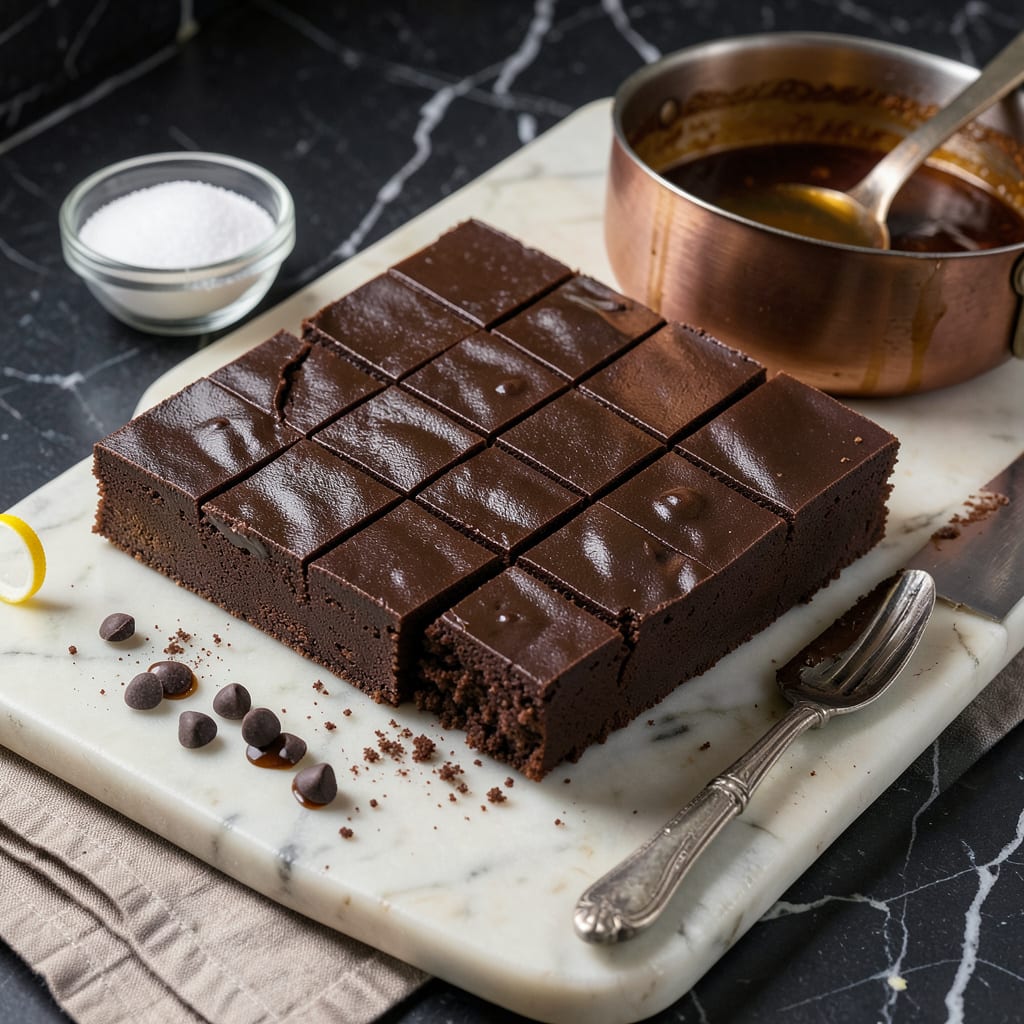
There’s something undeniably special about homemade fudge that captures the rich, velvety quality of Fannie May’s classic creation. This recipe delivers that signature creamy texture and deep chocolate flavor without requiring professional candy-making skills. After years of testing and refining, I’ve perfected a method that balances traditional techniques with modern convenience.
The secret lies in precise temperature control and quality ingredients. Using a candy thermometer ensures the sugar mixture reaches the ideal soft-ball stage, while real butter and premium chocolate create that luxurious mouthfeel. Whether you’re making it for holidays or simply satisfying a chocolate craving, this fudge will become your go-to indulgence. The process is straightforward, but attention to detail makes all the difference.
Ingredients for Fannie May Fudge
Precision meets indulgence with these premium ingredients, delivering Fannie May’s signature creamy texture and deep chocolate complexity.
| Ingredient | Amount | Notes |
|---|---|---|
| Granulated Sugar 🍬 | 3 cups | Ultra-fine for smooth texture |
| Heavy Cream 🥛 | 1 ½ cups | Full-fat, 36% minimum |
| Unsalted Butter 🧈 | ½ cup | European-style preferred |
| Semi-Sweet Chocolate Chips 🍫 | 12 oz | High-quality, 60% cacao |
| Unsweetened Chocolate 🍫 | 4 oz | 100% cacao, finely chopped |
| Vanilla Extract 🌿 | 1 tbsp | Pure, not imitation |
| Sea Salt 🧂 | ½ tsp | Fine grain, for balance |
| Light Corn Syrup 🧃 | ¼ cup | Prevents crystallization |
| Walnut Halves 🌰 | ½ cup | Toasted, optional garnish |
| Marshmallow Fluff 🍡 | 1 cup | Vegetarian-friendly brand |
The chocolate quality is non-negotiable for authentic Fannie May flavor. Opt for Ghirardelli or Guittard semi-sweet chips (60% cacao) and Valrhona unsweetened chocolate if available. European-style butter like Plugrá or Kerrygold provides superior creaminess due to higher fat content (82% minimum). For the heavy cream, avoid ultra-pasteurized varieties—they lack the necessary fat stability for proper crystallization. Organic cane sugar yields cleaner flavor, but standard granulated works if sifted to eliminate lumps.
Substitutions require careful consideration to maintain texture. Dark chocolate (70%) can replace semi-sweet at a 1:1 ratio, but reduce sugar by 2 tbsp. For corn syrup alternatives, agave nectar or golden syrup work at equal volume, though flavor profiles will shift slightly. Omit nuts for allergies, or substitute with toasted pecans. The marshmallow fluff must be vegetarian-verified—Suzanne’s Specialties or Sweet & Sara brands are reliable. Avoid generic store brands containing gelatin.
Storage demands precision to preserve texture. Cut fudge into squares only after complete cooling (4+ hours at room temperature). Layer between parchment in airtight containers; it maintains optimal quality for 2 weeks refrigerated or 3 months frozen. For gifting, use wax paper separation to prevent sticking. Avoid plastic wrap—it traps moisture and promotes sugar bloom. Bring to room temperature before serving to restore the signature velvety mouthfeel.
Why You’ll Love This Recipe
- One-Pot Magic: I swear by recipes that don’t dirty every dish in my kitchen. This fudge comes together in a single saucepan—just melt, stir, and pour. The butter and heavy cream blend so smoothly with the chocolate that cleanup feels like a bonus.
- That First Bite: Honestly, the mix of semi-sweet chips and unsweetened chocolate hits just right—not too cloying, but rich enough to make you pause mid-chew. The granulated sugar caramelizes slightly as it cools, giving it that signature Fannie May depth you can’t fake with shortcuts.
- Gift-Worthy in Minutes: Between us, I’ve wrapped this fudge in parchment with a ribbon and called it a “homemade luxury” gift more times than I’ll admit. It’s foolproof enough for last-minute teacher gifts but fancy enough that no one questions the effort.
- Stashes Like a Dream: Here’s what sold me—it keeps for weeks in the fridge (if it lasts that long). The flavor actually deepens after a day or two, and the texture stays creamy, not grainy. I’ll be real: I’ve hidden batches in the back of the fridge just to savor it slowly.
Step-by-Step Instructions for Fannie May Fudge
Master the art of velvety-smooth fudge with this precise method for professional-quality results.
Step 1: Prepare the Chocolate Base
Begin by finely chopping the 4 oz unsweetened chocolate into uniform pieces. This ensures even melting and prevents graininess in the final product. In a heavy-bottomed saucepan, combine the 3 cups granulated sugar, 1.5 cups heavy cream, 0.5 cup unsalted butter, and 0.25 cup light corn syrup.
The corn syrup serves a critical function here—it prevents sugar crystallization that would otherwise create a gritty texture. Use a saucepan with straight sides to minimize evaporation and maintain precise temperature control throughout the cooking process.
Step 2: Cook to Soft-Ball Stage
Place the saucepan over medium heat and stir constantly with a wooden spoon until the sugar completely dissolves. Once dissolved, stop stirring to prevent sugar crystals from forming on the pan sides. Clip a candy thermometer to the pan and continue cooking until the mixture reaches 234°F (soft-ball stage).
This temperature is non-negotiable for achieving the signature Fannie May texture. The process should take approximately 12-15 minutes. Watch for visual cues: the mixture will transform from translucent to a rich caramel color and develop a slight sheen on the surface.
Step 3: Incorporate Chocolate and Flavorings
Immediately remove the pan from heat and add the chopped unsweetened chocolate, 12 oz semi-sweet chocolate chips, and 1 cup marshmallow fluff. Let the mixture stand undisturbed for 2 minutes to allow the chocolate to soften. Then gently stir until completely smooth and glossy.
Add the 1 tbsp vanilla extract and 0.5 tsp sea salt, stirring until fully incorporated. The vanilla enhances the chocolate’s depth while the salt balances the sweetness. At this stage, the mixture should have a satiny sheen and flow like thick lava when the spoon is lifted.
Step 4: Cool and Set Properly
Pour the fudge into a 9×13-inch pan lined with parchment paper. For the signature Fannie May texture, let it cool at room temperature for 30 minutes before refrigerating. This two-stage cooling prevents surface cracking and ensures a uniformly creamy interior.
Refrigerate for 2-3 hours until firm but still slightly yielding when pressed. The fudge should pull away cleanly from the pan edges and hold its shape when cut. Avoid over-chilling, which can make the fudge too dense and difficult to cut cleanly.
Step 5: Finish and Store
Once set, use a sharp knife dipped in hot water to cut into 16 equal squares. For optional garnish, press 0.5 cup walnut halves lightly into the surface before the fudge fully sets. The nuts add textural contrast while maintaining the creamy mouthfeel.
Store in an airtight container with parchment between layers to prevent sticking. The fudge will keep at room temperature for up to 1 week or refrigerated for 2 weeks. For best texture, bring to room temperature before serving to restore the signature velvety consistency.
Regional Styles of This Dish
Chicago Classic
The original Fannie May fudge from Chicago uses a higher ratio of marshmallow fluff for that signature ultra-creamy texture. I’ve found that increasing the fluff to 1.5 cups while reducing the sugar slightly (2.75 cups) creates that melt-in-your-mouth quality the brand is famous for. The Chicago version also traditionally includes walnuts pressed into the top rather than mixed throughout. 🗺️
Southern Pecan Twist
Down South, they swap walnuts for toasted pecans and add a touch of bourbon extract (about 1 tsp) along with the vanilla. The pecans get toasted in 1 tbsp butter with a pinch of cinnamon before being folded into the fudge. This variation has a wonderful warm, nutty depth that pairs beautifully with the chocolate.
West Coast Almond
California bakers often use sliced almonds instead of walnuts and incorporate orange zest (from 1 medium orange) into the mixture. The citrus brightens the rich chocolate flavor. I like to toast the almonds first at 350°F for 8 minutes to enhance their crunch. This version feels lighter and more refreshing.
New England Maple
In Vermont and New Hampshire, they replace 1/4 cup of the sugar with pure maple syrup and add 1/2 tsp maple extract. The result has a subtle caramel-like complexity. Be careful with the temperature—maple syrup burns more easily, so watch your candy thermometer closely and remove from heat at exactly 232°F.
Midwest Marshmallow
Some Midwest variations double down on the marshmallow element by swirling 1/2 cup mini marshmallows into the fudge just before it sets. This creates delightful pockets of extra creaminess. I recommend using Jet-Puffed brand marshmallows as they hold their shape better during mixing. The texture becomes almost cloud-like while maintaining the fudge’s richness.
Texas Spiced
For a bold Texas twist, add 1/2 tsp cayenne pepper and 1 tsp ground cinnamon to the chocolate mixture. The heat builds slowly and complements the sweetness beautifully. Some versions even include chipotle powder for a smoky dimension. Start with 1/4 tsp if you’re sensitive to spice—the flavor develops more as the fudge sits. 🔥
Nutrition Facts

- 6 Egg Cake Recipe with Oil: Light as Air With Buttery Moisture - October 4, 2026
- 4 Bean Casserole Recipe: One-Pan Heartiness With Smoky Paprika Depth - October 4, 2026
- 3-Ingredient Keto Mug Cake Recipe: Microwave Magic in 2 Minutes - October 4, 2026