
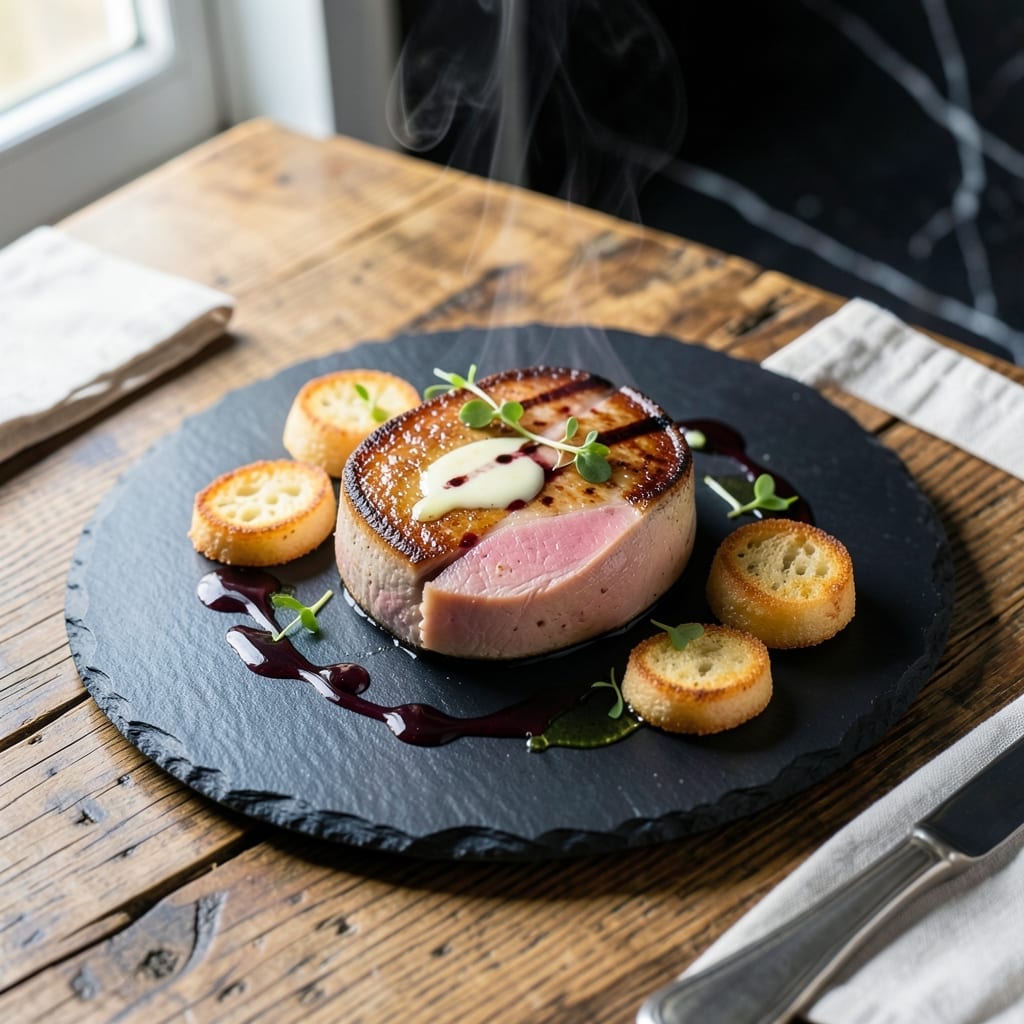
Indulge in the art of fine dining with this restaurant-quality preparation that transforms rich, silky foie gras into a dish worthy of a Michelin-starred table. The key lies in precise temperature control and timing to achieve a perfectly seared exterior while maintaining a creamy center.
This method requires attention to detail and respect for the ingredient, but the results speak for themselves. A hot pan, minimal oil, and careful handling ensure the delicate liver doesn’t break apart during cooking.
What emerges is a luxurious experience—crisp on the outside, buttery and smooth within, with a subtle sweetness that pairs beautifully with traditional accompaniments.
Serve immediately for the best texture and flavor. The technique is straightforward, but the outcome is anything but ordinary.
Ingredients for Foie Gras Recipe Gordon Ramsay
Luxurious ingredients for a Michelin-worthy dish with perfect sear and creamy center.
| Ingredient | Amount | Notes |
|---|---|---|
| Foie Gras Lobe 🍖 | 1 whole | Grade A, vein removed |
| Kosher Salt 🧂 | 1 tsp | Diamond Crystal preferred |
| White Pepper 🌶️ | ½ tsp | Freshly ground |
| Granulated Sugar 🍚 | ½ tsp | For balancing richness |
| Unsalted Butter 🧈 | 2 tbsp | European-style preferred |
| Neutral Oil 🫒 | 1 tbsp | Grapeseed or vegetable |
| Port Wine 🍷 | ¼ cup | For deglazing pan |
| Shallots 🧅 | 2 whole | Finely minced |
| Fresh Thyme Sprigs 🌿 | 4 pieces | Leaves stripped |
| Brioche Bread 🍞 | 4 slices | Lightly toasted for serving |
| Microgreens 🥬 | ½ cup | For garnish |
| Balsamic Vinegar 🍯 | 1 tbsp | Aged, for reduction |
The foie gras must be Grade A—this is non-negotiable for texture and flavor. Source from reputable purveyors like D’Artagnan or Hudson Valley. Vein removal is essential; ask your butcher to prepare it or do it yourself with a thin, sharp knife. The lobe should be firm and ivory-colored with no dark spots. Handle with care—it’s delicate and bruises easily.
No port wine? A dry sherry or Madeira works as a substitute for deglazing. Brioche not available? Challah or high-quality white bread can stand in, though the buttery richness won’t be quite the same. For the garnish, peppery arugula or radish sprouts add a nice contrast. Avoid pre-ground white pepper—it loses its aromatic punch quickly.
Foie gras must stay cold until cooking—keep it on ice. Once seared, serve immediately; it loses its ideal texture within minutes. Leftovers? Technically possible, but this is best enjoyed fresh. Store uncooked lobes in the fridge for up to 3 days, wrapped tightly in plastic.
Why You’ll Love This Recipe
- One Pan Elegance: I sear the foie gras in butter, then let the salt and sugar do their magic—minimal effort for maximum wow.
- Buttery Luxury: The unsalted butter caramelizes the lobe’s edges, creating that melt-in-your-mouth richness Gordon Ramsay swears by.
- Dinner Party Star: Honestly, it’s my go-to for impressing guests—pairs with toast or fruit without breaking a sweat.
- Makes Extras Easy: Leftovers? Cold seared slices on crusty bread the next day taste even better.
Step-by-Step Instructions for Seared Foie Gras
Master the technique for perfectly caramelized exterior and silky interior every time.
Step 1: Prepare and Season the Foie Gras
Begin by carefully separating the 1 whole Foie Gras Lobe into individual lobes if not already done. Using a sharp knife, trim away any visible blood vessels or connective tissue. Pat the lobes completely dry with paper towels—any moisture will prevent proper searing.
Season both sides lightly with 1 tsp Kosher Salt, 0.5 tsp White Pepper, and 0.5 tsp Granulated Sugar. The sugar enhances caramelization while the salt and pepper provide balance to the rich liver. Handle the foie gras gently as it’s delicate.
Let the seasoned lobes sit at room temperature for 10-15 minutes to take the chill off. This ensures even cooking and prevents the center from remaining cold while the exterior burns.
Step 2: Sear the Foie Gras to Perfection
Heat a large skillet over medium-high heat and add 1 tbsp Neutral Oil. Once the oil shimmers, add the foie gras lobes, spacing them apart to avoid crowding. Sear undisturbed for 1-2 minutes per side until deeply golden brown and slightly crisp.
Add 2 tbsp Unsalted Butter and 4 pieces Fresh Thyme Sprigs to the pan, basting the foie gras continuously with the foaming butter. The thyme infuses the butter, adding aromatic depth. Watch closely—the butter can brown quickly, so adjust heat if needed.
Transfer the seared foie gras to a warm plate, leaving the butter and thyme in the pan. The interior should be pink and creamy, not fully cooked through—this is essential for the luxurious texture.
Step 3: Deglaze and Reduce the Pan Sauce
Reduce the heat to medium and add 2 whole Shallots (finely minced) to the pan. Sauté for 1-2 minutes until softened and translucent, stirring to coat in the residual butter and thyme.
Pour in 0.25 cup Port Wine to deglaze the pan, scraping up all the browned bits with a wooden spoon. Let the wine reduce by half, about 3-4 minutes, until syrupy and slightly thickened. The alcohol will cook off, leaving behind a rich, fruity depth.
Finish by stirring in 1 tbsp Balsamic Vinegar and cook for an additional 30 seconds to meld the flavors. The sauce should be glossy and coat the back of a spoon.
Step 4: Plate and Garnish with Elegance
Place each seared foie gras lobe on a slice of lightly toasted Brioche Bread. This provides a subtle sweetness and textural contrast to the rich liver. Spoon the reduced port-wine sauce generously over the foie gras.
Garnish with a portion of 0.5 cup Microgreens for a fresh, peppery finish that cuts through the richness. The microgreens add color and a delicate crunch, balancing the dish visually and texturally.
Serve immediately while the foie gras is still warm. The contrast between the crisp exterior, creamy interior, and tangy-sweet sauce should be evident in every bite.
Pro Tips For Making Foie Gras Recipe Gordon Ramsay
- Chill the Lobe: I learned this the hard way—soak the foie gras in cold water for 1-2 hours before prep to soften the veins and make cleaning easier. Sounds weird, but it works.
- Score with Care: Use a very sharp knife to carefully separate the lobes and remove veins, keeping the pieces as intact as possible. After ruining a few lobes, I realized patience here actually changes the outcome.
- Watch the Pan Temp: Start with a cold pan and low heat, then gradually increase to medium—foie gras burns fast if you rush it. My first attempt was a smoky disaster.
- Butter Last: Only add the unsalted butter at the end to baste, not before. This isn’t the prettiest method, but it prevents burning and keeps the flavor clean.
Pro Cooking Tips for Great foie gras recipe gordon ramsay
Pan Selection Matters
Use a heavy-bottomed skillet—my go-to is a Matfer Bourgeat carbon steel pan—to maintain even heat distribution. Avoid nonstick surfaces, as they prevent proper browning. The pan should be hot enough that a drop of water sizzles and evaporates immediately. 🔥
Temperature Precision
Keep the foie gras cold until the moment it hits the pan. I place mine on a bed of ice right up to cooking. The chill helps create that perfect contrast between the seared exterior and creamy center. Your pan temperature should stay between medium-high and high heat throughout.
Basting Technique
When adding 2 tbsp unsalted butter, tilt the pan slightly and use a spoon to continuously baste the foie gras. This ensures even cooking and a glossy finish. Watch for the butter to turn a light golden color—this is your cue to transfer the foie gras to a resting plate.
Sauce Timing
Start your port wine reduction immediately after removing the foie gras from the pan. The residual heat is perfect for deglazing. I use 0.25 cup port wine and let it reduce by half before adding 1 tbsp balsamic vinegar. This timing ensures the sauce is ready when the foie gras is platted.
Serving Immediate
This dish waits for no one. The moment the foie gras is seared, plate it on toasted brioche and spoon the sauce over the top. The texture changes rapidly, so have your garnishes ready to go. I keep my microgreens pre-washed and dried in the fridge for quick access.
Knife Skills
Use a sharp chef’s knife to trim any remaining veins or connective tissue from the lobes. A dull knife will tear the delicate liver. I recommend a Wüsthof 8-inch for precision. Handle the foie gras as little as possible to maintain its integrity.
Nutrition Facts
Frequently Asked Questions
Why do I need to keep it cold before cooking?
Cold foie gras sears better and maintains its shape in the pan. Leave it on ice until the last moment to ensure a crisp exterior while keeping the center creamy.
What can I substitute for port wine in the sauce?
A dry sherry or Madeira works well as a replacement. Use the same 0.25 cup measurement and reduce by half for a rich, fruity depth in your pan sauce.
How do I know when it’s perfectly cooked?
Look for a deep golden-brown crust and a pink, creamy center. Total cooking time should be 2-4 minutes total—overcooking will ruin the luxurious texture.
Can I use a nonstick pan for searing?
Avoid nonstick—it prevents proper browning. Use a heavy-bottomed skillet, like carbon steel, on medium-high heat for even cooking and that perfect crust.

- 6 Egg Cake Recipe with Oil: Light as Air With Buttery Moisture - October 4, 2026
- 4 Bean Casserole Recipe: One-Pan Heartiness With Smoky Paprika Depth - October 4, 2026
- 3-Ingredient Keto Mug Cake Recipe: Microwave Magic in 2 Minutes - October 4, 2026