
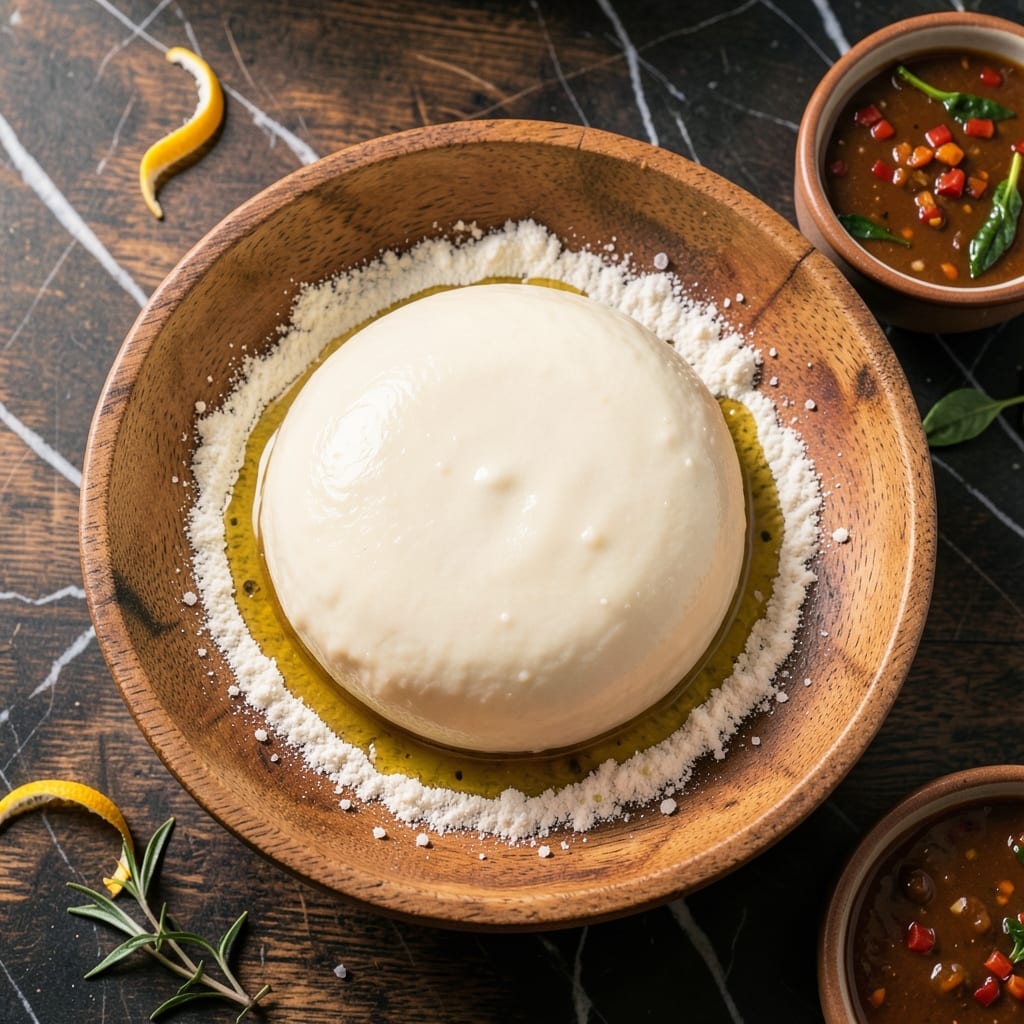
This cassava flour fufu delivers the authentic taste and texture of traditional West African swallow without the heavy pounding. The method transforms simple ingredients into a smooth, stretchy dough perfect for scooping soups and stews.
I’ve refined this technique to ensure consistent results every time. The key is the right ratio of cassava flour to water and proper kneading to activate the starch. This creates a dough that’s elastic yet tender, just like the original version.
Unlike traditional fufu made from boiled cassava, this version comes together quickly with pantry staples. It maintains the same satisfying chew and neutral flavor that pairs beautifully with any rich, flavorful sauce or broth.
Follow these steps for a foolproof fufu experience that stays smooth and cohesive, even when reheated. This is the real deal.
Ingredients for Fufu Recipe with Cassava Flour
Minimal ingredients, maximum authenticity. Cassava flour and water create the perfect base for this swallow.
| Ingredient | Amount | Notes |
|---|---|---|
| Cassava Flour 🌾 | 2 cups | Finely milled, no lumps |
| Water 💧 | 2 ½ cups | Divided, warm for best results |
| Salt 🧂 | 1 tsp | Fine sea salt preferred |
| Vegetable Oil 🫒 | 1 tbsp | Neutral flavor, for dough |
| All-Purpose Flour 🌾 | 2 tbsp | Optional, for texture adjustment |
| Xanthan Gum 🧪 | ¼ tsp | Helps with elasticity |
| Garlic Powder 🧄 | ½ tsp | Optional, for flavor depth |
| Onion Powder 🧅 | ½ tsp | Optional, for savory note |
The cassava flour is non-negotiable—Bob’s Red Mill or Otto’s are the most reliable brands for consistent texture. Look for finely milled flour with no gritty bits; coarse flour won’t dissolve properly. African markets often carry specialized brands like Gari if you want to go traditional. Store your flour in an airtight container to prevent clumping from humidity.
No cassava flour? Tapioca starch at a 1:1 ratio is your best backup, though the flavor will be slightly different. Skip the xanthan gum if you don’t have it—the dough will still work, just might be a touch less stretchy. For flavor variations, a pinch of smoked paprika adds depth without overpowering. The water temperature matters more than you’d think—warm water activates the starch better than cold.
Fresh dough keeps 2-3 days wrapped tightly in the fridge. To reheat, steam or microwave with a damp towel to prevent drying. For longer storage, freeze portions for up to 1 month—thaw and re-knead briefly before serving. Always bring to room temperature before reheating for best texture.
Why You’ll Love This Recipe
- No-Fuss Mixing: I just stir cassava flour, water, and a pinch of salt—no fancy tools, no kneading.
- Pillowy Texture: The combo of cassava and all-purpose flour gives it that soft, stretchy bite I crave.
- Pairs with Anything: Honestly, it’s my blank canvas for soups, stews, or even spicy peanut sauce.
- Wallet-Friendly Staple: A bag of cassava flour lasts me weeks and costs less than takeout.
Step-by-Step Instructions for Fufu With Cassava Flour
Master the traditional technique for achieving the perfect smooth, stretchy texture with cassava flour.
Step 1: Combine Dry Ingredients for Base Structure
In a large mixing bowl, whisk together the 2 cups cassava flour and 0.25 tsp xanthan gum until fully incorporated. The xanthan gum is crucial for mimicking the natural elasticity of traditional fufu made from fresh cassava.
Add the 2 tbsp all-purpose flour, 1 tsp salt, 0.5 tsp garlic powder, and 0.5 tsp onion powder to the bowl. Whisk these dry ingredients thoroughly to ensure even distribution of flavors and texture enhancers throughout the mixture.
Step 2: Gradually Incorporate Water for Smooth Dough
Create a well in the center of your dry mixture. Begin by pouring in 1 cup of the 2.5 cups warm water in a slow, steady stream while stirring continuously with a wooden spoon or silicone spatula. The water should be warm, not hot, to activate the xanthan gum without prematurely setting it.
Continue adding the remaining 1.5 cups water gradually, stirring after each addition until the mixture forms a thick, shaggy dough. You’ll notice the dough begin to pull away from the sides of the bowl as it absorbs the liquid. The consistency should be similar to very thick pancake batter at this stage.
Step 3: Knead to Develop Elastic Texture
Transfer the dough to a clean, flat surface. Add the 1 tbsp vegetable oil to your hands to prevent sticking, then begin kneading the dough vigorously. The oil also adds a subtle richness to the final product.
Knead for 8-10 minutes until the dough becomes smooth, elastic, and slightly tacky to the touch. You’ll feel the texture transform from rough and crumbly to supple and stretchy. If the dough feels too dry during kneading, add water 1 teaspoon at a time until it reaches the proper consistency.
Step 4: Steam for Traditional Texture
Divide the dough into 4 equal portions, shaping each into a smooth ball. Place each portion on a piece of parchment paper or banana leaf, wrapping it tightly. These individual servings will cook evenly and maintain their shape during steaming.
Bring a pot of water to a rolling boil, then place the wrapped dough portions in a steamer basket above the water. Cover and steam for 25-30 minutes until the fufu becomes firm and slightly springy to the touch. The color will change from opaque to a more translucent appearance when fully cooked.
Step 5: Rest and Shape for Serving
Remove the steamed fufu from the pot and let it rest in its wrapping for 5 minutes. This resting period allows the texture to set completely and makes it easier to handle.
Unwrap each portion and briefly knead to restore its smooth, stretchy consistency. Shape into balls or slightly flattened discs, depending on your preference. The final product should have a smooth, slightly glossy surface and a firm yet pliable texture that’s perfect for swallowing with soups or stews.
Pro Tips For Making Fufu Recipe With Cassava Flour
- Boil Water First: Always start with boiling water when mixing with cassava flour—cold water makes it lumpy and hard to stir. I learned this the hard way after my first few batches turned into glue.
- Knead While Hot: Work the dough immediately while it’s still warm; waiting until it cools makes it stiff and difficult to shape. Sounds weird, but it actually changes the texture.
- Mind the Ratios: Stick to a 2:1 cassava flour to all-purpose flour ratio—too much all-purpose and the fufu loses its stretch. After ruining two batches, I finally figured out the balance.
- Oil Your Hands: Rub a little vegetable oil on your palms before handling the dough to prevent sticking. My grandmother swore by this, and she was right.
Storing and Reheating This Recipe
Refrigerator Storage
Let your fufu cool completely before storing. Wrap each portion tightly in plastic wrap or place in an airtight container. It keeps well in the fridge for 2-3 days without losing texture. I always add a damp paper towel inside the container to maintain moisture. ❄️
Freezer Storage
For longer storage, freeze individual portions wrapped in plastic wrap and placed in a freezer-safe bag. Squeeze out excess air to prevent freezer burn. Fufu stays fresh for up to 1 month in the freezer. Label with the date for easy tracking.
Steam Reheating
Steaming is the best way to reheat fufu. Place wrapped portions in a steamer basket over boiling water for 8-10 minutes. The steam restores moisture and keeps the texture smooth and stretchy. I avoid microwaving when possible for best results.
Microwave Reheating
For quick reheating, microwave a portion wrapped in a damp paper towel on high power for 1-2 minutes. Check and flip halfway through. Add a splash of water if it feels dry. This method works in a pinch but may slightly alter texture.
Room Temperature Tip
Always let refrigerated or frozen fufu come to room temperature before reheating. This prevents uneven heating and maintains the desired chewy consistency. I like to set mine out 30 minutes before reheating for best results.
Reviving Texture
If your stored fufu feels dry, briefly knead it with 1-2 tsp warm water to restore elasticity. The dough should become smooth and pliable again with minimal effort. This trick works for both refrigerated and thawed fufu. 💧
Nutrition Facts
Frequently Asked Questions
Why use warm water instead of cold?
Warm water activates the starch in cassava flour better, creating a smoother texture. It also helps the xanthan gum work effectively for elasticity. Cold water can make the dough stiff and harder to knead.
Can I make this without xanthan gum?
Yes, but the dough may be less stretchy. Xanthan gum mimics the natural elasticity of fresh cassava. Without it, knead longer and add water 1 tsp at a time to achieve a smooth consistency.
How do I fix dough that’s too sticky?
Add cassava flour 1 tbsp at a time while kneading until it reaches the right texture. Avoid adding too much at once, as it can make the dough dry. Lightly oil your hands to handle it more easily.
What’s the best way to serve fufu?
Traditionally, it pairs with rich soups or stews like egusi or peanut soup. Shape into small balls and dip directly into your favorite broth. The neutral flavor absorbs sauces beautifully.

- 6 Egg Cake Recipe with Oil: Light as Air With Buttery Moisture - October 4, 2026
- 4 Bean Casserole Recipe: One-Pan Heartiness With Smoky Paprika Depth - October 4, 2026
- 3-Ingredient Keto Mug Cake Recipe: Microwave Magic in 2 Minutes - October 4, 2026