
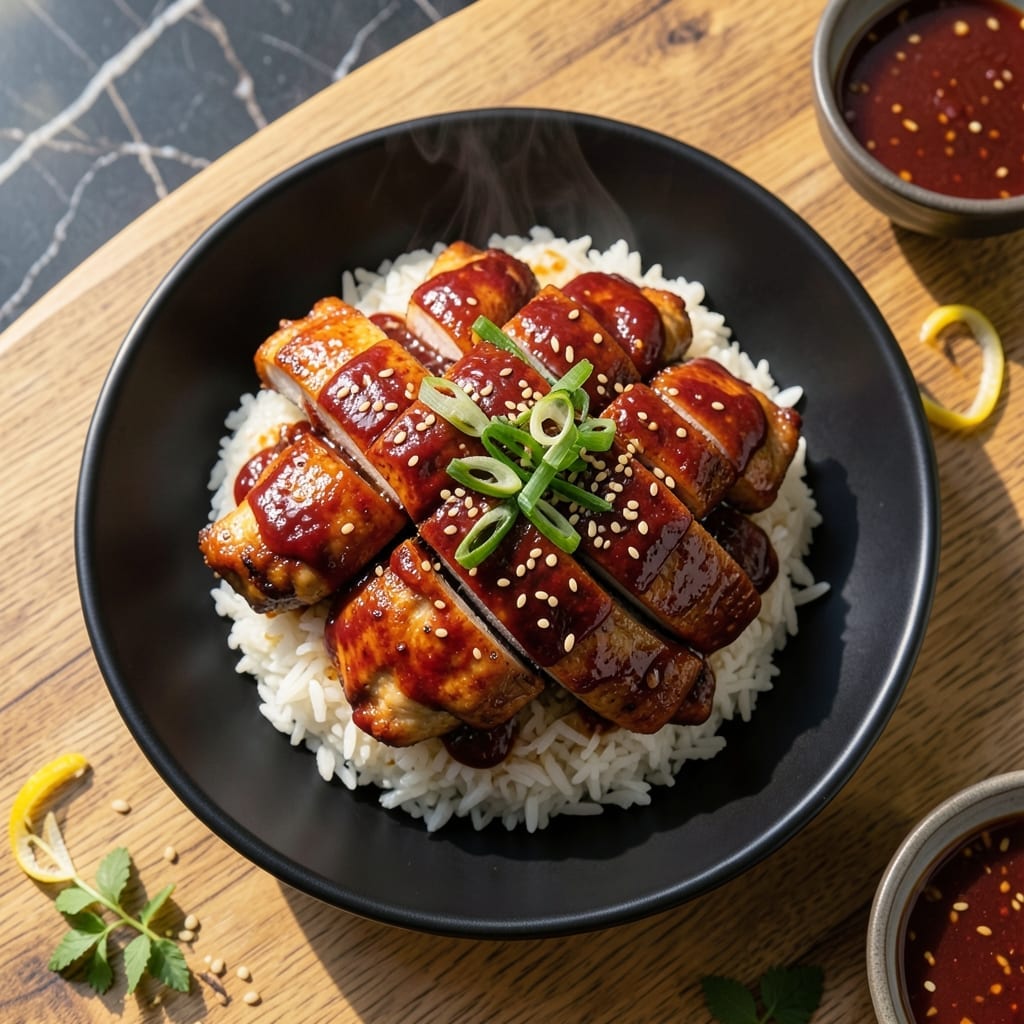
This one-pan gochujang stir fry brings bold Korean flavors to your weeknight dinner rotation. The combination of sweet, spicy, and umami creates a sauce that coats every ingredient perfectly.
I developed this recipe to be simple yet packed with authentic taste. The gochujang paste delivers heat and depth, while soy sauce and honey balance it with savory and sweet notes.
You’ll love how quickly this comes together—just 15 minutes of active cooking. The sauce clings to tender protein and crisp vegetables, making each bite burst with flavor.
Serve it over steamed rice for a complete meal that’s as satisfying as it is easy to make.
Ingredients for Gochujang Stir Fry
Bold Korean flavors start with gochujang and fresh ingredients for this quick weeknight dish.
| Ingredient | Amount | Notes |
|---|---|---|
| Gochujang Paste 🌶️ | 3 tbsp | Korean red chili paste |
| Soy Sauce 🫒 | 3 tbsp | Low-sodium preferred |
| Honey 🍯 | 2 tbsp | Or sub maple syrup |
| Rice Vinegar 🍚 | 1 tbsp | For bright acidity |
| Sesame Oil 🫒 | 1 tbsp | Toasted for depth |
| Garlic Cloves 🧄 | 4 cloves | Minced finely |
| Fresh Ginger 🌿 | 1 tbsp | Grated or minced |
| Chicken Thighs 🍗 | 1 ½ lb | Boneless, skinless, sliced |
| Bell Peppers 🌶️ | 2 whole | Thinly sliced |
| Broccoli Florets 🥦 | 3 cups | Fresh or frozen |
| Carrots 🥕 | 2 whole | Julienned or matchstick |
| Green Onions 🧅 | 4 whole | Sliced, for garnish |
| Sesame Seeds 🌾 | 1 tbsp | Toasted for garnish |
| Cooking Oil 🫒 | 2 tbsp | Neutral like vegetable |
| Steamed White Rice 🍚 | 4 cups | Cooked, for serving |
The gochujang paste is non-negotiable—look for it in the Asian aisle at Whole Foods or H Mart (the red tub is classic). I grab mine from H Mart in bulk since it keeps forever. For the soy sauce, Kikkoman low-sodium is my go-to. Fresh ginger and garlic make a huge difference (the jarred stuff just doesn’t compare). If you can’t find boneless thighs, breasts work but they’re leaner (less forgiving if overcooked).
No gochujang? Sriracha plus a dash of miso paste gets you close but won’t be identical. Swap honey for maple syrup or agave if avoiding bee products. Chicken can be tofu or shrimp—just adjust cooking time. For the veggies, snap peas or cabbage work great too. The sesame oil is worth the splurge—Kadoya brand is my favorite.
Sauce keeps for 1 week in the fridge. Leftovers taste even better the next day once flavors meld. Freeze cooked chicken and veggies separately for up to 3 months (the sauce doesn’t freeze well). Always toast sesame seeds fresh—they lose crunch fast.
Why You’ll Love This Recipe
- One Pan Magic: I toss everything in a single pan—gochujang, soy sauce, honey—and dinner’s ready before the rice finishes cooking.
- Flavor Bomb: That first bite with the sweet honey and spicy gochujang? I’ll admit I lick the spoon every time.
- Weeknight Hero: Honestly, it’s my Tuesday lifesaver—equally good with chicken, tofu, or just veggies.
- Leftovers Win: Between us, it tastes even better the next day, and I love that it reheats without drying out.
Step-by-Step Instructions for Gochujang Stir Fry
Here’s the method. Straightforward, tested, works every time.
Step 1: Create the Gochujang Sauce Base
In a medium bowl, whisk together the 3 tbsp Gochujang Paste, 3 tbsp Soy Sauce, 2 tbsp Honey, 1 tbsp Rice Vinegar, and 1 tbsp Sesame Oil until completely smooth. The gochujang paste can be thick and sticky, so I use a fork or small whisk to break it up.
Add the minced 4 cloves Garlic Cloves and grated 1 tbsp Fresh Ginger to the sauce. Stir well to distribute the aromatics evenly throughout the mixture. This sauce forms the flavor foundation of your stir fry, delivering that signature spicy-sweet-savory Korean profile.
Step 2: Prep and Cook the Chicken Thighs
Slice the 1.5 lb Chicken Thighs into ¼-inch thick strips. I find it easiest to first remove any excess fat, then slice against the grain for maximum tenderness. The pieces should be uniform in size to ensure even cooking.
Heat 1 tbsp Cooking Oil in a large skillet or wok over medium-high heat. When the oil shimmers, add the chicken in a single layer. Cook undisturbed for 3-4 minutes until the bottoms develop a golden brown crust. Flip and cook another 2-3 minutes until cooked through. Transfer to a plate and set aside.
Step 3: Stir Fry the Vegetables
In the same skillet, add the remaining 1 tbsp Cooking Oil. Toss in the thinly sliced 2 whole Bell Peppers, 3 cups Broccoli Florets, and julienned 2 whole Carrots. Stir fry over high heat for 5-6 minutes until the vegetables are tender-crisp and beginning to char slightly at the edges.
The high heat is crucial here—it maintains that satisfying snap in the vegetables while developing deep, complex flavors. Don’t overcrowd the pan; if necessary, cook the vegetables in two batches to prevent steaming instead of stir frying.
Step 4: Combine and Finish the Stir Fry
Return the cooked chicken to the skillet with the vegetables. Pour the prepared gochujang sauce over everything. Stir well to coat all the ingredients evenly with the sauce. Cook for an additional 2-3 minutes until the sauce thickens slightly and clings beautifully to the chicken and vegetables.
Taste and adjust seasoning if needed, though the gochujang and soy sauce typically provide the perfect balance. The sauce should be glossy and coat the back of a spoon, with vibrant red flecks from the gochujang paste throughout.
Step 5: Garnish and Serve
Transfer the stir fry to a serving platter or individual bowls. Sprinkle with the sliced 4 whole Green Onions and toasted 1 tbsp Sesame Seeds for a fresh, nutty finish. The green onions add a bright pop of color and a mild oniony crunch.
Serve immediately over 1 cup Steamed White Rice per serving. The hot stir fry over warm rice creates the perfect contrast of temperatures and textures. Each bite should deliver tender chicken, crisp vegetables, and that irresistible spicy-sweet sauce that defines this dish.
Pro Tips For Making Gochujang Stir Fry
- Bloom the Gochujang: Cook the gochujang paste in sesame oil for 1-2 minutes before adding liquids—this deepens the flavor and removes the raw edge. I learned this the hard way after tasting flat stir-fries that skipped this step.
- Balance the Sweet Heat: Taste as you mix the sauce and add honey gradually; gochujang varies in spice, and too much sweetness early on can overpower the dish. After ruining a batch with heavy-handed honey, I now add it in 1-teaspoon increments.
- Skip the Cold Ingredients: Make sure your veggies and protein are room temperature before hitting the pan. Cold ingredients lower the wok’s heat fast, turning your stir-fry into a sad, soggy steam.
- Finish with Vinegar: Stir in the rice vinegar at the very end, off the heat. It brightens the whole dish without cooking off the sharpness—sounds weird, but it works.
Health Benefits of This Dish
Metabolism Booster
Gochujang contains capsaicin, the compound that gives chili peppers their heat. This natural ingredient boosts metabolism by increasing thermogenesis, helping your body burn calories more efficiently. A single serving can elevate your metabolic rate for hours after eating. 💪
Rich in Antioxidants
The fermented red chili paste is packed with antioxidants that combat oxidative stress. These compounds help protect your cells from damage and may reduce inflammation. The fermentation process actually enhances the antioxidant content of the chili peppers.
Gut Health Support
Fermented foods like gochujang are excellent for your digestive system. The fermentation creates probiotics that support a healthy gut microbiome. I notice my digestion feels smoother when I regularly include fermented foods in my diet.
Vitamin A Source
The red chili peppers in gochujang are rich in beta-carotene, which your body converts to vitamin A. Just 1 tbsp provides about 10% of your daily vitamin A needs. This nutrient is essential for maintaining good vision and immune function.
Protein-Packed Meal
This dish delivers a significant protein punch from the chicken thighs—about 30 grams per serving. Protein is vital for muscle repair and growth, and keeps you feeling full and satisfied longer. The combination with vegetables creates a balanced, nutritious meal.
Low-Calorie Flavor
Despite its bold taste, gochujang is relatively low in calories, adding about 30 calories per tablespoon. This means you get intense flavor without excessive calories, making it a great option for those watching their calorie intake while still wanting delicious meals. ✨
Nutrition Facts
Frequently Asked Questions
Can I substitute another protein?
Try tofu, shrimp, or beef instead of chicken. For shrimp, cook just 2-3 minutes per side. Tofu works best when pressed and crisped first for better texture.
How do I adjust the spice level?
For milder flavor, use 2 tbsp gochujang and add 1 tbsp honey. For extra heat, add ½ tsp red pepper flakes. The sauce balances well with the natural sweetness of honey.
What if my sauce is too thick?
Thin it with 1-2 tbsp water or broth. If too thin, simmer uncovered for 1-2 minutes. The sauce should coat the back of a spoon but still drip easily.
Can I make this ahead?
The sauce keeps for 1 week in the fridge. Cook chicken and veggies fresh, but prep ingredients the night before. Leftovers taste even better the next day.

- 6 Egg Cake Recipe with Oil: Light as Air With Buttery Moisture - October 4, 2026
- 4 Bean Casserole Recipe: One-Pan Heartiness With Smoky Paprika Depth - October 4, 2026
- 3-Ingredient Keto Mug Cake Recipe: Microwave Magic in 2 Minutes - October 4, 2026