
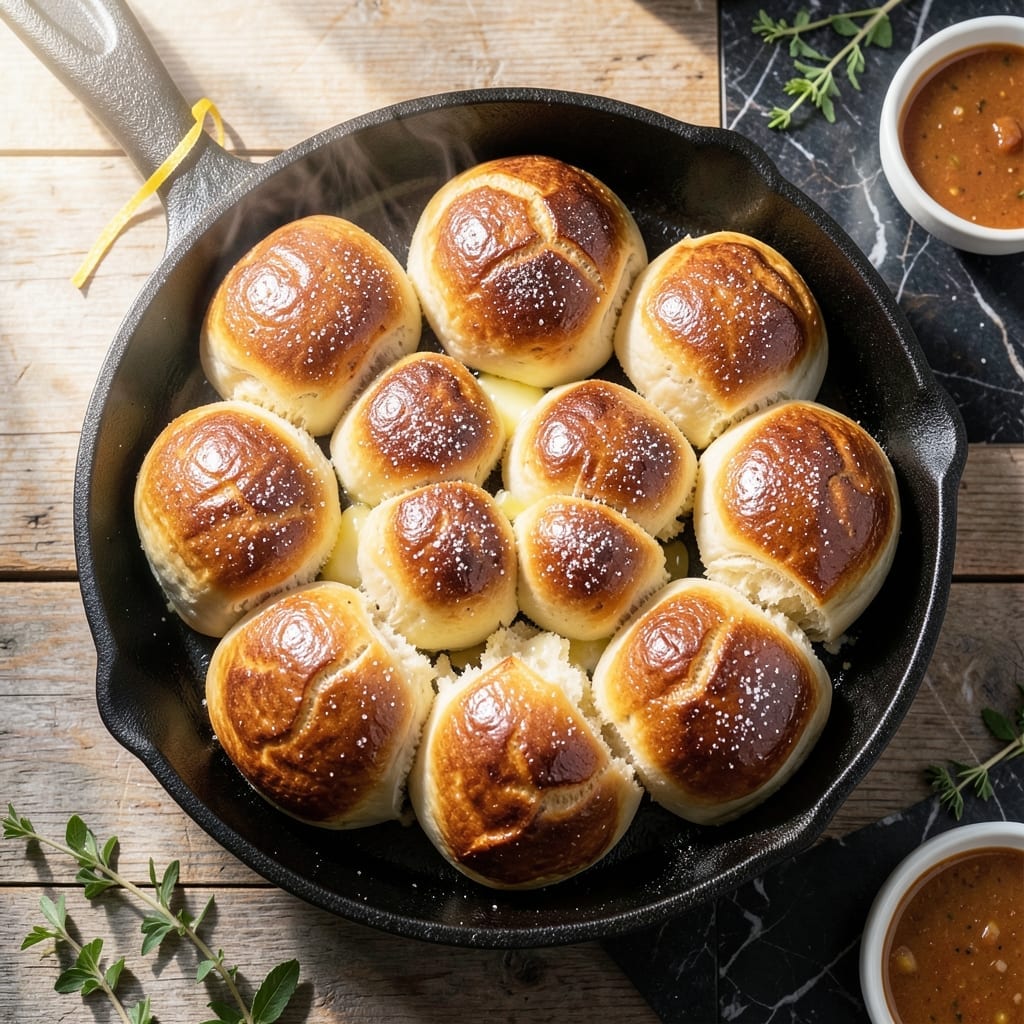
These homemade buns deliver the signature softness and subtle sweetness that make Hawaiian rolls irresistible. After years of testing, I’ve perfected a recipe that rivals any bakery version with a foolproof method.
The dough comes together with simple ingredients, including pineapple juice for natural sweetness and a touch of tang. A slow rise ensures the rolls stay light and fluffy, while an egg wash gives them a golden finish.
What you’ll get is a batch of warm, pillowy rolls that melt in your mouth. Their versatility makes them ideal for sliders, dinner sides, or even French toast the next morning.
This homemade approach guarantees freshness no store-bought version can match. Let’s bake a batch that will disappear in minutes.
Ingredients for Hawaiian Roll Recipe Ideas
Simple pantry ingredients plus pineapple juice create these irresistibly soft, sweet buns at home.
| Ingredient | Amount | Notes |
|---|---|---|
| All-Purpose Flour 🌾 | 4 ½ cups | Plus extra for dusting work surface |
| Granulated Sugar 🍚 | ⅓ cup | Divided for dough and activation |
| Active Dry Yeast 🍞 | 2 ¼ tsp | One packet plus extra for reliability |
| Pineapple Juice 🍍 | ¾ cup | Warm, unsweetened, 110°F |
| Large Eggs 🥚 | 2 whole | Room temperature, divided use |
| Unsalted Butter 🧈 | ½ cup | Melted and cooled slightly |
| Whole Milk 🥛 | ¼ cup | Warm, 110°F for activation |
| Vanilla Extract 🌿 | 1 tsp | Pure extract for best flavor |
| Kosher Salt 🧂 | 1 ½ tsp | Diamond Crystal preferred for consistency |
| Potato Flour 🥔 | 0.125 cup | Not potato starch, key for softness |
| Egg 🥚 | 1 whole | For egg wash finish |
| Water 💧 | 1 tbsp | For egg wash thinning |
The potato flour is non-negotiable—it’s what gives these rolls their signature tenderness. Bob’s Red Mill is widely available and reliable. For the pineapple juice, 100% juice (not cocktail) is essential; Dole or Del Monte work perfectly. The butter should be high-quality, as its flavor comes through in the final rolls. Plugrá or Kerrygold are excellent choices for a richer taste.
No pineapple juice? Orange juice with 1 tsp lemon juice can substitute in a pinch, though the flavor will differ slightly. Out of potato flour? Instant mashed potato flakes (ground finely) work at a 1:1 ratio. For a dairy-free version, coconut milk replaces the whole milk, and vegan butter stands in for the regular—just ensure it’s unsalted. The yeast can be fresh if you prefer; use 0.75 oz for equivalent results.
The dough can rise overnight in the fridge (up to 18 hours) for enhanced flavor development. Baked rolls keep at room temperature for 2 days or freeze for up to 1 month. Reheat frozen rolls wrapped in foil at 350°F for 10-12 minutes to restore that fresh-baked softness.
Why You’ll Love This Recipe
- Mix & Forget: I toss the flour, sugar, yeast, pineapple juice, and eggs in one bowl and let the dough rise while I fold laundry.
- Tropical Sweetness: The pineapple juice adds a subtle fruity note that makes these rolls irresistibly soft and just sweet enough.
- Dinner to Dessert: I’ve used these rolls for sliders, breakfast sandwiches, and even mini cinnamon rolls—honestly, they do it all.
- Budget Batch: One batch gives me two dozen rolls for less than a store-bought pack, and they freeze beautifully for busy days.
Step-by-Step Instructions for Sweet and Soft Homemade Buns
Master the technique for pillowy, golden rolls with this reliable method.
Step 1: Activate Yeast and Prepare Wet Ingredients
Warm the 0.75 cup Pineapple Juice and 0.25 cup Whole Milk to 110°F—this is the ideal temperature for yeast activation. In a stand mixer bowl, combine the warm liquids with 0.33 cup Granulated Sugar and 2.25 tsp Active Dry Yeast. Let sit for 5-7 minutes until frothy.
Meanwhile, melt the 0.5 cup Unsalted Butter and let it cool slightly. Add it to the yeast mixture along with 2 whole Large Eggs, 1 tsp Vanilla Extract, and 1.5 tsp Kosher Salt. The mixture should look slightly curdled but well combined.
This step ensures your yeast is alive and active before introducing the dry ingredients, which guarantees a good rise. The pineapple juice adds subtle sweetness and helps tenderize the dough.
Step 2: Incorporate Dry Ingredients and Knead
In a separate bowl, whisk together 4.5 cups All-Purpose Flour and 0.125 cup Potato Flour. The potato flour is key for that signature soft texture. Gradually add the dry ingredients to the wet mixture in the stand mixer fitted with a dough hook.
Mix on low speed until the dough comes together, then increase to medium and knead for 6-8 minutes until smooth and elastic. The dough should pull away from the sides of the bowl but still be slightly tacky to the touch. If it feels too sticky, add 1 tablespoon of additional All-Purpose Flour at a time.
Proper kneading develops the gluten structure, which gives these rolls their perfect chew and ability to hold their shape during baking.
Step 3: First Rise Until Doubled
Transfer the dough to a lightly greased bowl, turning once to coat all sides. Cover with a clean kitchen towel and let rise in a warm, draft-free place for 1 to 1.5 hours or until doubled in volume. I like to preheat my oven to 200°F, turn it off, and place the bowl inside for a consistent environment.
To test if the dough is ready, press two fingers gently into the surface. If the indentations remain, the dough has risen sufficiently. This first rise is crucial for developing flavor and the right texture. Don’t rush it—underproofed dough will yield dense rolls.
Step 4: Shape, Second Rise, and Egg Wash
Punch down the risen dough to release excess air. Turn it out onto a lightly floured surface and divide into 12 equal portions. Shape each into a smooth ball by pulling the edges to the center and pinching to seal, then rolling between your palms.
Arrange the rolls in a greased 9×13-inch baking dish, spacing them evenly. Cover again and let rise for 30-45 minutes until puffy. Preheat your oven to 375°F during the last 15 minutes of rising.
Whisk 1 whole Egg with 1 tbsp Water for the egg wash. Gently brush the tops of the rolls just before baking—this gives them that beautiful golden sheen. Be careful not to deflate the risen dough.
Step 5: Bake to Golden Perfection
Bake the rolls for 18-22 minutes until they’re deep golden brown and the internal temperature reaches 190-200°F. Rotate the pan halfway through baking for even browning if your oven has hot spots.
Remove from the oven and let the rolls cool in the pan for 5 minutes, then transfer to a wire rack. Brush with additional melted butter while still warm for extra richness if desired. Serve warm for the best texture—they should be soft, slightly sweet, and pull apart easily.
Pro Tips For Making Hawaiian Roll Recipe Ideas
- Warm the Pineapple Juice: Heat the pineapple juice to about 110°F before mixing with yeast—I learned this the hard way after killing the yeast with cold juice and wondering why my rolls never rose.
- Don’t Overflour: Add flour gradually and stop when the dough just pulls away from the bowl; too much flour makes Hawaiian rolls dense instead of light and fluffy.
- Let Eggs Sit: Take the eggs out of the fridge 30 minutes before starting so they blend smoothly into the dough—cold eggs can cause the fat to clump.
- Use Reserved Juice: If the dough feels dry, add a tablespoon or two of the reserved pineapple juice instead of water; it keeps the flavor bright and the texture tender.
Regional Styles of This hawaiian roll recipe ideas
Traditional Hawaiian Style
The classic version from the islands uses unsweetened pineapple juice as the base liquid, giving these rolls their signature subtle tang and softness. I always use 100% Dole pineapple juice for authentic flavor. The addition of potato flour is non-negotiable for that cloud-like texture. 🌺
Texas BBQ Twist
In Texas, these rolls often get a smoky upgrade with 1 tsp liquid smoke added to the dough. They’re perfect for pulled pork sliders. I also brush the baked rolls with melted butter mixed with 1 tbsp BBQ rub for extra flavor.
Southern Sweet Tea
Southern bakers sometimes replace ¼ cup pineapple juice with strongly brewed sweet tea for a unique regional variation. This adds a deeper sweetness and a hint of bergamot. The rolls pair beautifully with fried chicken.
California Fusion
West Coast versions often include 1 tbsp orange zest in the dough for a citrusy brightness. I’ve seen them shaped into pull-apart loaves rather than individual rolls. These work great for breakfast sandwiches with avocado and egg.
Midwestern Cinnamon
In the Midwest, some add 1 tsp cinnamon to the dough and top with a brown sugar glaze after baking. This creates a dessert-like roll that’s popular during the holidays. I recommend using Ceylon cinnamon for a milder, sweeter flavor.
New England Maple
For a New England touch, replace ¼ cup granulated sugar with maple syrup. This gives the rolls a deeper, caramelized sweetness. They’re especially good with ham or turkey sandwiches. 🍁
Nutrition Facts
Frequently Asked Questions
Can I use fresh pineapple instead of juice?
Yes, blend fresh pineapple chunks with water to make 0.75 cup of juice. Strain well to remove pulp for best texture. The natural enzymes may soften the dough slightly more.
Why is potato flour important?
Potato flour adds moisture retention and tenderness that all-purpose flour alone can’t achieve. It’s the secret to that signature pillowy softness. Don’t skip it!
How do I store leftover rolls?
Keep in an airtight container at room temperature for up to 2 days. For longer storage, freeze cooled rolls for up to 1 month and reheat wrapped in foil.
Can I make these ahead of time?
Prepare the dough through the first rise, then refrigerate overnight. Shape and do the second rise in the morning. This enhances flavor development.

- 6 Egg Cake Recipe with Oil: Light as Air With Buttery Moisture - October 4, 2026
- 4 Bean Casserole Recipe: One-Pan Heartiness With Smoky Paprika Depth - October 4, 2026
- 3-Ingredient Keto Mug Cake Recipe: Microwave Magic in 2 Minutes - October 4, 2026