
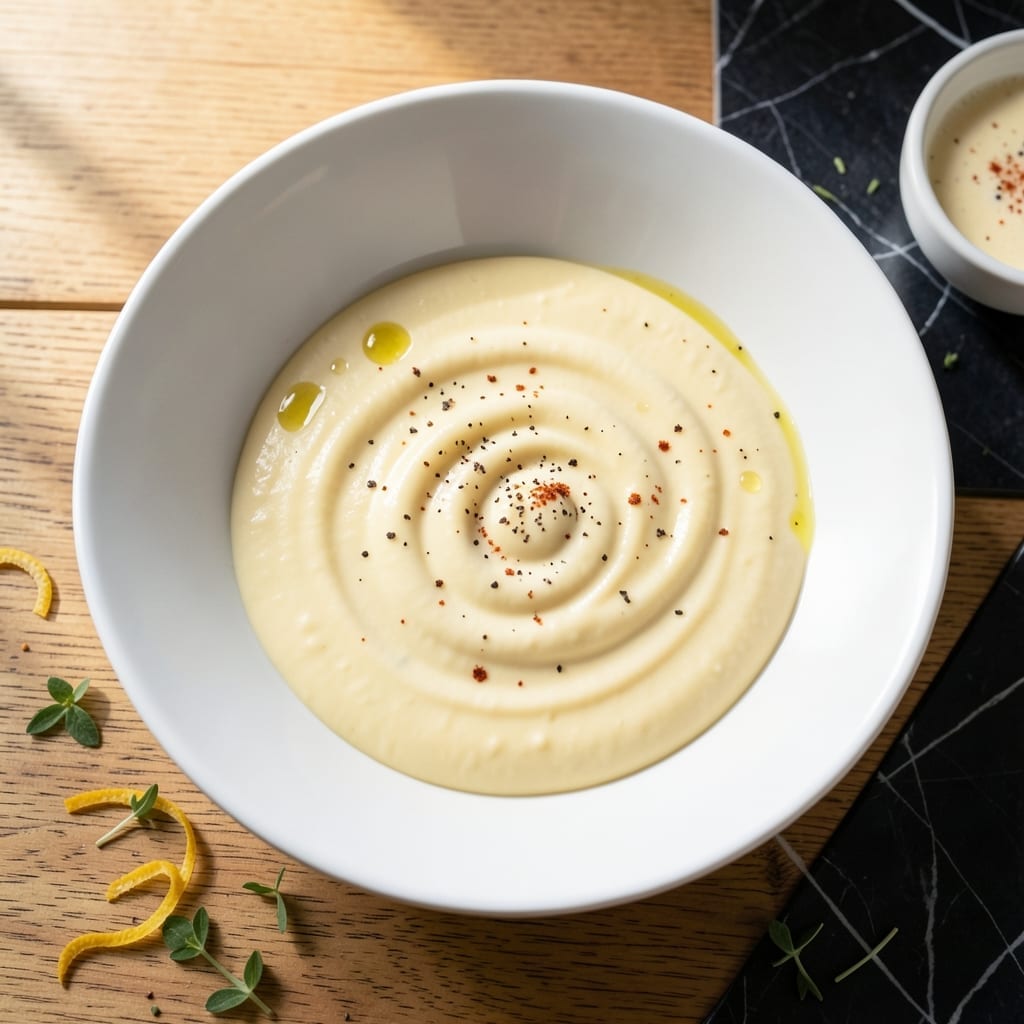
Mastering hollandaise sauce is the hallmark of a confident home cook, and this method delivers perfect results every time. The classic French emulsion transforms humble ingredients into a rich, velvety sauce that elevates any dish.
Julia Child’s approach uses a gentle double boiler to prevent curdling while slowly incorporating melted butter into egg yolks. The key is patience—rushing the process risks breaking the emulsion. A squeeze of lemon juice at the end brightens the rich flavor.
What emerges is a pale, creamy sauce with a luxurious texture that coats the back of a spoon. It’s the ideal accompaniment for asparagus, eggs Benedict, or grilled fish, adding a touch of elegance to any meal.
This timeless technique proves that classic recipes stand the test of time for good reason.
Ingredients for Hollandaise Sauce Recipe Julia Child
Seven classic ingredients transform into a luxurious French emulsion sauce.
| Ingredient | Amount | Notes |
|---|---|---|
| Large Egg Yolks 🥚 | 3 whole | Room temperature for best emulsion |
| Unsalted Butter 🧈 | ½ cup | Melted and slightly cooled |
| Fresh Lemon Juice 🍋 | 1 tbsp | Or white wine vinegar |
| White Wine Vinegar 🍷 | 1 tsp | Or additional lemon juice |
| Kosher Salt 🧂 | ¼ tsp | Diamond Crystal preferred |
| Cayenne Pepper 🌶️ | 0.125 tsp | Pinch for subtle heat |
| Water 💧 | 2 tbsp | For double boiler base |
For authentic results, European-style butter (like Plugrá or Kerrygold) is superior due to its higher fat content—82% versus the standard 80%. This makes a noticeable difference in the emulsion’s stability. Room-temperature egg yolks are non-negotiable; cold yolks can cause the sauce to break. Use a stainless steel bowl for the double boiler to ensure even heat distribution and prevent hot spots.
If you must substitute, pasteurized egg yolks work but may require more patience. Salted butter can be used if you omit the added salt. For acid, tarragon vinegar adds a sophisticated note, or lime juice offers a brighter twist. The cayenne is optional—a pinch of smoked paprika (at half the amount) provides warmth without heat.
Hollandaise holds at 140°F to 150°F for up to 1 hour in a thermos or warm water bath. Refrigerate unused portions within 2 hours—it thickens when chilled but can be revived with gentle reheating. Discard if left at room temperature beyond 2 hours for safety.
Why You’ll Love This Recipe
- One-Bowl Wonder: I love that I can make this in a single saucepan—just yolks, butter, and a whisper of lemon and vinegar. No fancy equipment, no fuss.
- Buttery Bliss: The rich, velvety texture from the egg yolks and butter, balanced with that sharp lemon tang, is honestly addictive.
- Brunch Upgrade: This sauce turns eggs Benedict, asparagus, or even steamed veggies into something restaurant-worthy. I’ll be real: it’s my secret weapon for impressing guests.
- Penny-Pincher Luxe: A few simple pantry staples create a sauce that tastes indulgent but costs almost nothing. Between us, it’s my go-to for feeling fancy on a budget.
Step-by-Step Instructions for Hollandaise Sauce
Master this classic French technique with precision and patience for a velvety, foolproof emulsion.
Step 1: Prepare the Double Boiler and Yolk Base
Fill a medium saucepan with 1-2 inches of water and bring to a gentle simmer over medium-low heat. The water should barely shimmer—aggressive boiling will scramble the yolks. Place a heatproof bowl on top, ensuring the bottom doesn’t touch the water.
Add the 3 whole Large Egg Yolks, 1 tbsp Fresh Lemon Juice, 1 tsp White Wine Vinegar, and 2 tbsp Water to the bowl. Whisk vigorously until the mixture turns pale and slightly thickened, about 1-2 minutes. This acid-tempered base stabilizes the emulsion.
Step 2: Slowly Incorporate the Melted Butter
Gradually drizzle in the 0.5 cup Unsalted Butter, melted and slightly cooled, while whisking constantly. Start with a thin stream, then increase to a steady pour as the emulsion forms. The sauce will thicken and turn a creamy, pale yellow.
If the sauce appears too thick, remove the bowl from heat and whisk in 1 tsp of warm water to adjust consistency. Never add cold butter—it will break the emulsion. This step demands patience; rushing risks separation.
Step 3: Season and Adjust to Taste
Once all the butter is incorporated, remove the bowl from the heat. Stir in the 0.25 tsp Kosher Salt and 0.125 tsp Cayenne Pepper. Taste and adjust acidity with additional Fresh Lemon Juice or White Wine Vinegar if needed.
The finished sauce should coat the back of a spoon and leave a clean path when a finger is drawn through it. If it’s too thin, return the bowl to the double boiler and whisk for 30-60 seconds to tighten the emulsion.
Step 4: Hold and Serve Immediately
Keep the hollandaise warm in a thermos or over a barely simmering water bath, stirring occasionally. It will hold for up to 1 hour but is best served within 30 minutes for peak texture and flavor.
If the sauce breaks, don’t discard it. Off heat, whisk in 1 tsp of hot water until smooth, then gradually reincorporate any separated butter. This classic technique ensures a luxurious, stable finish every time.
Pro Tips For Making Hollandaise Sauce Recipe Julia Child
- Control the Heat: Use a double boiler and keep the water at a gentle simmer—never boiling. I learned this the hard way after scrambling yolks trying to rush it.
- Warm Your Butter: Melt the unsalted butter until it’s hot but not browned (about 180°F), then let it cool slightly. Sounds weird, but it works for a smooth, stable sauce.
- Skip the Cold Eggs: Start with room-temperature yolks—they emulsify faster and more evenly. My grandmother swore by this, and she was right.
- Acid Last: Add the lemon juice and vinegar at the very end. Adding it too early can break the emulsion, and I was skeptical until I tried it.
Flavor Customization for This Recipe
Herb Infusions
Stir in 1 tbsp finely chopped fresh tarragon or 1 tsp dried tarragon at the end for a classic French variation. This subtle anise-like flavor pairs beautifully with the rich butter base. I love this with poached salmon.
Citrus Variations
Swap Fresh Lemon Juice for lime juice or orange juice to brighten the sauce. A ½ tsp of zest adds aromatic depth. Lime works particularly well with Mexican-inspired dishes. 💫
Spicy Kicks
Increase Cayenne Pepper to ½ tsp for noticeable heat, or add ½ tsp smoked paprika for warmth. A dash of hot sauce (like Tabasco) at the end gives a tangy punch.
Umami Depth
Whisk in 1 tsp Dijon mustard or 1 tsp Worcestershire sauce for complexity. This works especially well with steak or roasted vegetables. The mustard adds a subtle tang without overpowering.
Creamy Twists
Fold in 2 tbsp crème fraîche or 1 tbsp mascarpone off heat for extra richness. This creates a luscious, stable sauce that’s more forgiving for beginners. Perfect for dipping artichokes.
Fresh Herb Finishes
Garnish with chopped chives, dill, or parsley just before serving. These fresh herbs add color and brightness, balancing the sauce’s richness. I always keep chives on hand for this. 🌿
Nutrition Facts
Frequently Asked Questions
Why does my sauce keep breaking?
This usually happens if the butter is added too quickly or the heat is too high. Whisk constantly and drizzle the butter in a thin, steady stream. If it breaks, whisk in 1 tsp hot water to re-emulsify.
Can I make this ahead of time?
Yes, but it’s best served immediately. To hold, keep it warm in a thermos or over a 140°F to 150°F water bath for up to 1 hour. Stir occasionally to maintain the emulsion.
What’s the best butter to use?
For the richest flavor, use European-style butter like Plugrá or Kerrygold. Their higher fat content (82%) creates a more stable, luxurious emulsion.
How do I fix a sauce that’s too thick?
Remove the bowl from heat and whisk in 1 tsp warm water at a time until it reaches the desired consistency. Avoid adding cold liquid, as it can cause separation.

- 6 Egg Cake Recipe with Oil: Light as Air With Buttery Moisture - October 4, 2026
- 4 Bean Casserole Recipe: One-Pan Heartiness With Smoky Paprika Depth - October 4, 2026
- 3-Ingredient Keto Mug Cake Recipe: Microwave Magic in 2 Minutes - October 4, 2026