
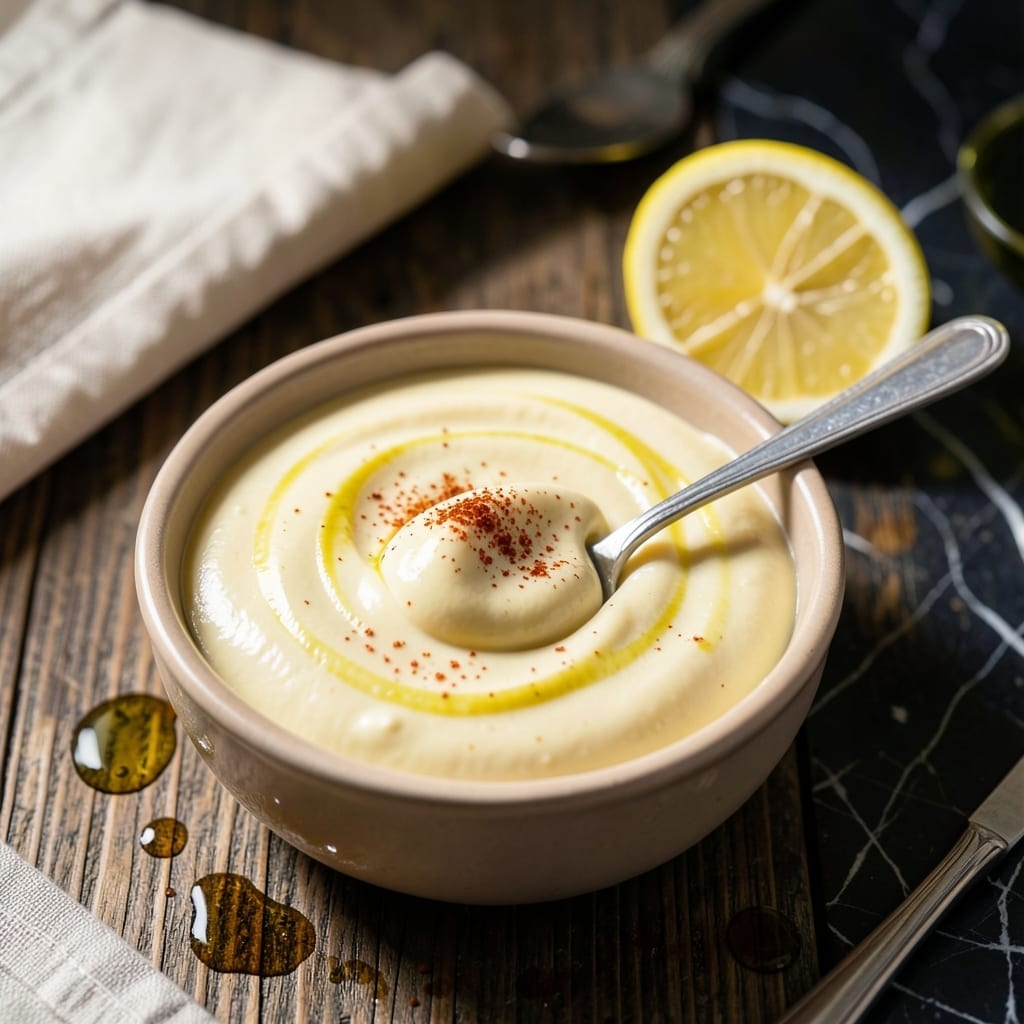
Mastering hollandaise at home transforms any brunch into a restaurant-quality experience. This classic French sauce delivers a silky texture and rich, buttery flavor that elevates eggs, asparagus, or fish.
The technique requires patience and precision, but the results are worth every second. A slow whisk over gentle heat creates a stable emulsion that won’t separate or curdle.
What you’ll achieve is a velvety sauce with balanced acidity and depth. The key is controlling the temperature—too hot and it breaks, too cool and it won’t thicken.
Serve it warm for the best consistency. This method ensures a foolproof hollandaise every time.
Ingredients for Homemade Hollandaise Sauce
Eight ingredients transform into a velvety French classic with buttery depth and silky texture.
| Ingredient | Amount | Notes |
|---|---|---|
| Unsalted Butter 🧈 | 1 cup | Clarified preferred for stability |
| Large Egg Yolks 🥚 | 3 whole | Room temperature essential |
| Fresh Lemon Juice 🍋 | 2 tbsp | Newly squeezed for brightness |
| White Wine Vinegar 💧 | 1 tbsp | Or substitute tarragon vinegar |
| Kosher Salt 🧂 | ¼ tsp | Diamond Crystal preferred |
| Cayenne Pepper 🌶️ | 0.125 tsp | Pinch for subtle heat |
| Cold Water 💧 | 2 tbsp | For temperature control |
| Freshly Ground White Pepper 🌿 | 0.125 tsp | Optional for classic touch |
The butter quality is non-negotiable. European-style unsalted (like Plugrá or Kerrygold) delivers superior flavor and fat content for stable emulsions. Clarifying removes water and milk solids, preventing separation—worth the extra 10 minutes. Egg yolks must be fresh, room temperature; cold yolks won’t emulsify properly. Source from local farmers markets when possible for richer color and flavor.
No white wine vinegar? Tarragon vinegar adds complexity, or apple cider vinegar works in a pinch. For a brighter sauce, increase lemon juice to 3 tablespoons and omit vinegar entirely. The cayenne is subtle—skip it entirely for sensitive palates. If using salted butter, reduce the kosher salt by half to avoid over-seasoning.
Hollandaise holds 1-2 hours at warm room temperature (not hot). Store in a thermos to maintain warmth. Refrigerate leftovers for up to 2 days, but expect slight separation upon reheating. Re-whisk over warm water to restore. Never microwave—it will break the emulsion instantly.
Why You’ll Love This Recipe
- One-Bowl Wonder: I make this in a single heatproof bowl over simmering water—no fancy equipment, just a whisk and five minutes.
- Buttery Lemon Bliss: That first taste of rich egg yolks, melted butter, and a sharp lemon zing? Worth every second of stirring.
- Brunch MVP: It turns basic eggs Benedict into a restaurant-worthy spread, but honestly, I drizzle it on everything from asparagus to toast.
- Keeps Like a Dream: Leftovers stay creamy in the fridge for a day or two, and I’ve been known to reheat it gently for a quick midweek treat.
Step-by-Step Instructions for Homemade Hollandaise Sauce
Master the classic French technique for a velvety, stable emulsion that defines this sauce.
Step 1: Clarify and Control the Butter Temperature
Begin by melting the 1 cup Unsalted Butter in a small saucepan over medium-low heat. Allow it to foam and separate—the milk solids will sink to the bottom while the golden clarified butter rises to the top. This clarification step prevents the emulsion from breaking and ensures a smooth, stable sauce.
Once separated, carefully pour the clarified butter through a fine-mesh strainer into a measuring cup, leaving the milk solids behind. Maintain the butter at 160-180°F—hot enough to emulsify but not so hot it cooks the egg yolks. The butter should be just warm to the touch when tested on your wrist.
Step 2: Whisk the Egg Yolks with Acid and Seasonings
In a heatproof bowl, combine the 3 whole Large Egg Yolks, 2 tbsp Fresh Lemon Juice, 1 tbsp White Wine Vinegar, 0.25 tsp Kosher Salt, 0.125 tsp Cayenne Pepper, and 0.125 tsp Freshly Ground White Pepper. Whisk vigorously for 30-60 seconds until the mixture lightens slightly in color and thickens enough to leave ribbons when the whisk is lifted.
The acid in the lemon juice and vinegar not only provides the signature tang but also helps stabilize the emulsion. Ensure the egg yolks are at room temperature to prevent the sauce from seizing when the hot butter is introduced.
Step 3: Temper the Yolks with Hot Butter
Place the bowl with the yolk mixture over a pot of barely simmering water (bain-marie), ensuring the bowl doesn’t touch the water. Whisk constantly while very slowly drizzling in the warm clarified butter, starting with just a few drops at a time.
As the emulsion begins to form, you can increase the butter to a thin stream, but continue whisking without stopping. This gradual incorporation is critical—adding the butter too quickly will cause the sauce to break. After 3-5 minutes, the mixture should thicken to a custard-like consistency that coats the back of a spoon.
Step 4: Adjust Consistency and Finish
If the sauce becomes too thick, whisk in 1-2 tbsp Cold Water to achieve a pourable yet creamy texture. The finished hollandaise should be pale yellow, glossy, and smooth, with no visible separation.
Taste and adjust seasoning if needed, though the initial salt and spices should be well-balanced. Remove the bowl from the heat immediately if the sauce thickens too much—the residual heat will continue cooking the eggs. Serve the sauce warm within 15 minutes for the best texture and flavor.
Pro Tips For Making Homemade Hollandaise Sauce
- Keep Heat Low: Use a double boiler and keep the water at a gentle simmer—any hotter and your egg yolks will scramble. I learned this the hard way after ruining two batches with water that was too vigorously boiling.
- Clarify Your Butter: Melt the unsalted butter slowly, then let it sit for 5 minutes so the milk solids settle at the bottom. Skim them off before using—this prevents the sauce from breaking and gives it that silky texture.
- Skip Cold Yolks: Take your egg yolks out of the fridge at least 30 minutes before starting. Cold yolks take longer to emulsify and can make the sauce look grainy instead of smooth and creamy.
- Acid Last: Add the lemon juice and white wine vinegar at the very end. Folding them in after the sauce has thickened balances the flavor without curdling the mixture.
Flavor Customization for These Flavors
Herb-Infused Twist
Add 1 tbsp finely chopped fresh tarragon or chervil to the finished sauce for a classic French béarnaise-inspired variation. I love how the anise-like tarragon elevates eggs Benedict. For a milder touch, stir in 1 tsp fresh dill just before serving. 🌿
Citrus Variations
Swap the lemon juice for lime or orange juice for a brighter, more tropical flavor. Lime works beautifully with seafood, while orange pairs wonderfully with crab cakes. Use the same 2 tbsp measurement for consistent acidity.
Spice It Up
For a Southwestern kick, increase the cayenne pepper to ½ tsp and add ½ tsp smoked paprika. This version is incredible drizzled over grilled corn or poached eggs. I discovered this combo at a Santa Fe brunch spot.
Creamy Mustard Style
Whisk in 1 tbsp Dijon mustard with the egg yolks before adding butter. This creates a tangier, more robust sauce that’s perfect for steamed asparagus or roast beef. The mustard also adds extra emulsifying power for a more stable sauce.
Reduced Fat Option
Replace half the butter with ¼ cup Greek yogurt for a lighter version. Warm the yogurt slightly before whisking in to prevent curdling. The sauce will be slightly less rich but still delicious. I use Fage 2% for best results.
Truffle Luxury
Finish with 1 tsp white truffle oil and a pinch of finely grated Parmesan for a decadent upgrade. This transforms the sauce into something worthy of a five-star restaurant. Use sparingly—the truffle flavor is potent. ✨
Nutrition Facts
Frequently Asked Questions
Why does my sauce keep breaking?
This usually happens if the butter is too hot or added too quickly. Keep it at 160-180°F and drizzle slowly while whisking constantly. If it breaks, try whisking in 1 tsp cold water to re-emulsify.
Can I use salted butter instead?
Yes, but reduce the added salt by half. Salted butter contains about ¼ tsp salt per stick, so adjust seasoning to taste. Clarifying is still recommended for best results.
How long can I keep leftover sauce?
Store in an airtight container in the fridge for up to 2 days. Reheat gently over warm water while whisking. Never microwave—it will separate instantly.
What if my eggs are cold?
Cold yolks won’t emulsify properly. Place them in warm water for 5-10 minutes to bring to room temperature before starting. This ensures a smooth, stable sauce.

- 6 Egg Cake Recipe with Oil: Light as Air With Buttery Moisture - October 4, 2026
- 4 Bean Casserole Recipe: One-Pan Heartiness With Smoky Paprika Depth - October 4, 2026
- 3-Ingredient Keto Mug Cake Recipe: Microwave Magic in 2 Minutes - October 4, 2026