
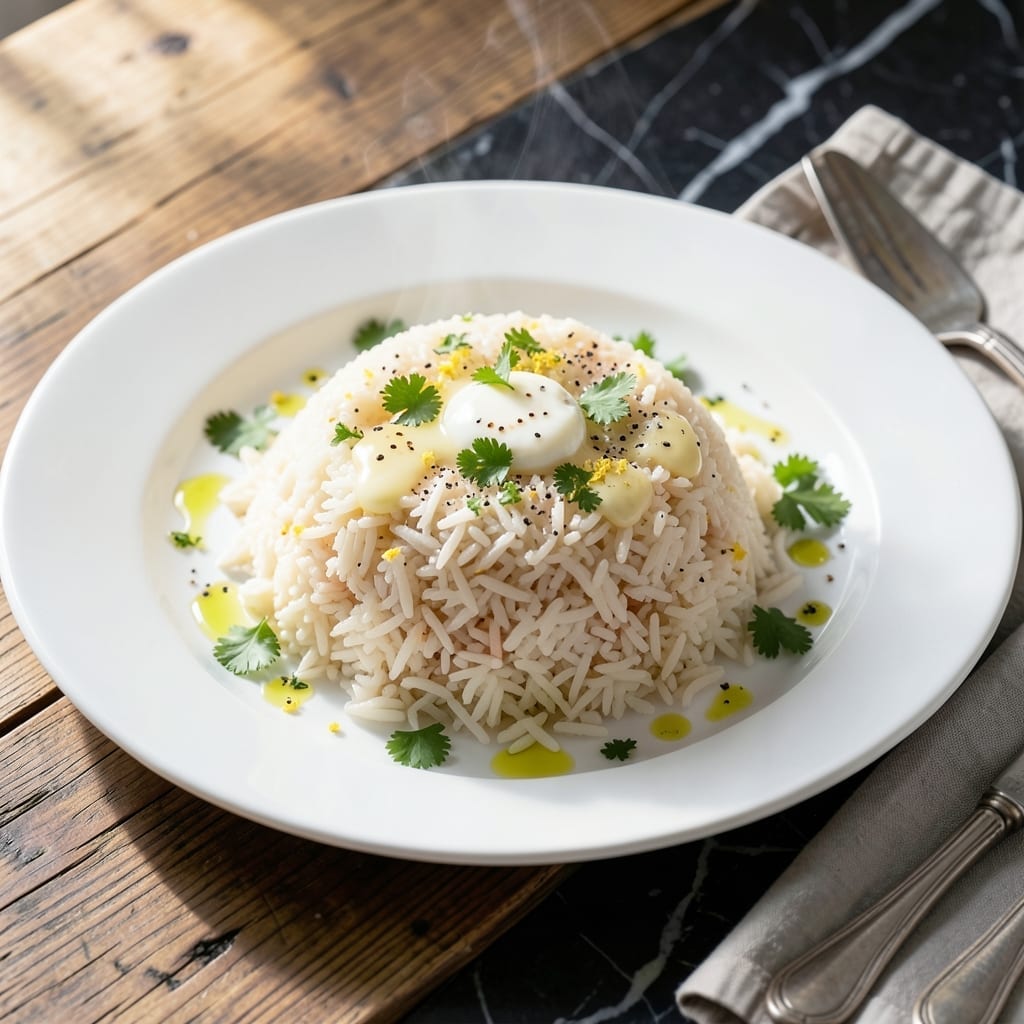
This jasmine rice recipe delivers the perfect accompaniment to salmon with its delicate fragrance and light, fluffy texture. The subtle floral notes complement the richness of salmon without overpowering it.
The secret lies in the precise water-to-rice ratio and a gentle cooking method that prevents the grains from becoming mushy. A brief rest after cooking ensures each grain stays separate and tender.
What results is fragrant, fluffy rice that soaks up the natural flavors of salmon while maintaining its own distinct character. The simplicity of this side dish makes it a reliable choice for any seafood meal.
Ready in 20 minutes, this rice pairs beautifully with baked, grilled, or pan-seared salmon for a balanced, elegant dinner.
Ingredients for Jasmine Rice Recipe to Go with Salmon
Nine ingredients transform into fragrant, fluffy jasmine rice perfect alongside salmon.
| Ingredient | Amount | Notes |
|---|---|---|
| Jasmine Rice 🌾 | 2 cups | Rinsed thoroughly until water runs clear |
| Water 💧 | 2 ½ cups | Filtered or spring for best flavor |
| Sea Salt 🧂 | ½ tsp | Fine grain preferred |
| Unsalted Butter 🧈 | 1 tbsp | Optional finish for richness |
| Fresh Lemon Zest 🍋 | 1 tsp | Finely grated for brightness |
| Fresh Cilantro 🌿 | 2 tbsp | Chopped, for garnish |
| Garlic Cloves 🧄 | 2 cloves | Minced for aromatic depth |
| Green Onions 🧅 | 3 whole | Thinly sliced for freshness |
| Sesame Oil 🫒 | 1 tsp | Toasted variety for nutty aroma |
| Lime Juice 🍈 | 1 tbsp | Freshly squeezed for acidity |
The rice quality is paramount. Look for Thai jasmine rice—the grains are longer and more aromatic than standard white rice. Trader Joe’s and Whole Foods carry reliable brands, but most Asian markets will have the best selection. Rinsing removes excess starch, which is critical for achieving separate, non-mushy grains. Use a fine-mesh strainer to avoid losing rice down the drain.
No jasmine on hand? Basmati rice at a 1:1.25 ratio works as a substitute, though the floral notes will be milder. The butter can be omitted for a lighter dish, or swapped for coconut oil for a subtle tropical note. Fresh herbs are ideal, but dried cilantro at one-third the amount can work if necessary. The sesame oil adds depth—skip it only if you dislike the flavor.
Cooked rice holds well at room temperature for 2 hours, but refrigerate leftovers within that window. Stores in the fridge for 4-5 days—reheat with a splash of water to restore moisture. For make-ahead, cook and cool completely before storing to prevent sogginess.
Why You’ll Love This Recipe
- I’ll be real: the rice tastes even better the next day, fluffed up with a fork.
- One Pot Wonder: I just dump everything in a pot and let it simmer—no babysitting required.
- Bright Zing: That fresh lemon zest makes the rice taste alive next to the salmon.
- Pairs With Anything: Honestly, it works with grilled, baked, or even pan-seared salmon.
Step-by-Step Instructions for Jasmine Rice to Go With Salmon
Here is my tested method for achieving perfectly fragrant rice with ideal texture for pairing.
Step 1: Rinse and Prepare the Jasmine Rice
Place the 2 cups Jasmine Rice in a fine-mesh strainer and rinse under cold water until the water runs completely clear. This removes excess starch that would otherwise make the rice gummy rather than fluffy.
I use my fingers to gently agitate the grains while rinsing, ensuring thorough cleaning. Once rinsed, drain well and let the rice sit in the strainer for 2-3 minutes to remove any residual moisture. This preparation step is crucial for achieving the right texture.
Step 2: Infuse Aromatics and Toast the Rice
In a medium saucepan with a tight-fitting lid, heat the 1 tsp Sesame Oil over medium heat. Add the 2 cloves Garlic Cloves (minced) and sauté for 30 seconds until fragrant but not browned.
Add the drained jasmine rice to the pan and stir to coat the grains with the sesame oil and garlic. Toast for 1-2 minutes, stirring constantly, until the rice becomes slightly translucent at the edges. This enhances the nutty aroma and prevents sticking.
Step 3: Cook with Precise Liquid Ratio
Pour in the 2.5 cups Water and add the 0.5 tsp Sea Salt. Stir once to distribute the rice evenly and bring to a boil over high heat. As soon as it reaches a full boil, reduce the heat to low, cover with the lid, and simmer undisturbed.
Cook for 12-15 minutes until all the water is absorbed and the rice is tender. You’ll know it’s done when you see steam holes forming on the surface and hear a faint sizzling sound from the bottom of the pot. Do not lift the lid during cooking—this releases essential steam.
Step 4: Rest and Fluff with Finishing Touches
Remove the saucepan from heat and let it sit, covered, for 10 minutes. This resting period allows the rice to steam in its own moisture, ensuring even cooking and fluffy texture throughout.
After resting, fluff the rice gently with a fork. Stir in the 1 tbsp Unsalted Butter, 1 tsp Fresh Lemon Zest, and 1 tbsp Lime Juice for brightness and richness. The butter should melt immediately into the hot rice.
Step 5: Garnish and Serve
Transfer the rice to a serving bowl. Sprinkle the 2 tbsp Fresh Cilantro (chopped) and 3 whole Green Onions (thinly sliced) over the top. The herbs should look vibrant against the white rice.
Serve immediately while hot. Each grain should be distinct yet tender, with a subtle nutty aroma from the sesame oil and a bright citrus finish that complements salmon perfectly. The rice should hold its shape when scooped but not be sticky.
Pro Tips For Making Jasmine Rice Recipe To Go With Salmon
- Rinse the Rice: Give jasmine rice a quick rinse under cold water until the water runs clear—this removes excess starch and prevents a gummy texture that can overpower the delicate salmon.
- Toast the Grains: Before adding water, melt the butter in the pot and toast the drained rice for about 1-2 minutes. I learned this the hard way—it adds a subtle nuttiness that pairs perfectly with the salmon’s richness.
- Use Less Water: Jasmine rice needs a 1:1.25 rice-to-water ratio (not the usual 1:2)—any more and you’ll end up with mushy rice that can’t stand up to the flaky salmon.
- Zest at the End: Stir in the fresh lemon zest after the rice is cooked and off the heat. Sounds weird, but it works: the heat can make the zest bitter, and you want that bright, fresh pop to complement the salmon.
Health Benefits of jasmine rice recipe to go with salmon
Low Glycemic Index
Jasmine rice has a glycemic index of 68-80, which is lower than many other white rice varieties. This means it causes a slower, steadier rise in blood sugar, helping maintain energy levels. I appreciate how it prevents that post-meal crash you sometimes get with higher-GI foods. 💪
Rich in B Vitamins
This rice provides a good source of B vitamins, particularly thiamine (B1) and niacin (B3). A 1-cup serving delivers about 15% of your daily thiamine needs, which supports metabolism and nerve function. These nutrients are essential for converting food into energy.
Minimal Fat Content
One of the healthiest aspects is its naturally low fat content—just 0.2 grams per cup when cooked without added fats. This makes it an excellent base for balanced meals, especially when paired with protein-rich salmon. The small amount of sesame oil in this recipe adds flavor without significant fat.
Gluten-Free Naturally
This is a naturally gluten-free grain, making it safe for those with celiac disease or gluten sensitivity. Unlike some gluten-free alternatives, jasmine rice maintains a satisfying texture. I’ve served it to gluten-sensitive friends without any issues.
Provides Folate
You’ll get about 6% of your daily folate needs from a 1-cup serving. Folate is crucial for DNA synthesis and red blood cell production. This is particularly beneficial for pregnant women, as folate supports fetal development. 🌱
Easy to Digest
Jasmine rice is gentle on the stomach, making it a great option for those with sensitive digestive systems. The grains are soft and break down easily, which can help prevent bloating or discomfort. I often recommend it for post-workout meals when digestion needs to be efficient.
Nutrition Facts
Frequently Asked Questions
What’s the best water-to-rice ratio?
Use 1.25 cups water per 1 cup rice. This ratio ensures fluffy, separate grains without mushiness. For this recipe’s 2 cups rice, that’s 2.5 cups water exactly.
Can I make it ahead of time?
Yes! Cook and cool completely, then store in an airtight container in the fridge for 4-5 days. Reheat with a splash of water to restore moisture before serving.
Why rinse the rice first?
Rinsing removes excess starch, preventing gummy texture. Continue until water runs completely clear—this step is key for light, fluffy results.
What if I don’t have sesame oil?
Substitute with 1 tsp neutral oil like vegetable or canola. Skip entirely for a lighter flavor, but add a pinch of salt to compensate.

- 6 Egg Cake Recipe with Oil: Light as Air With Buttery Moisture - October 4, 2026
- 4 Bean Casserole Recipe: One-Pan Heartiness With Smoky Paprika Depth - October 4, 2026
- 3-Ingredient Keto Mug Cake Recipe: Microwave Magic in 2 Minutes - October 4, 2026