
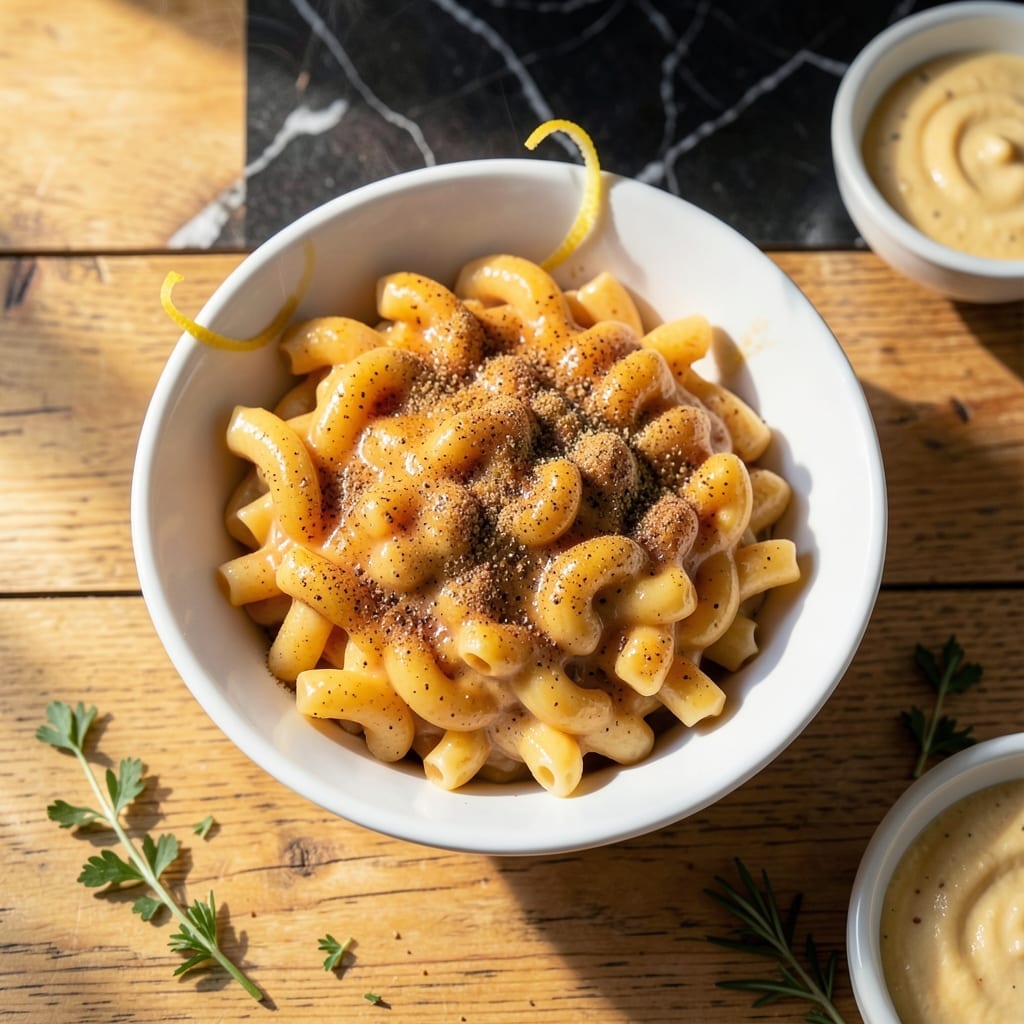
Crafting a homemade cheese seasoning blend that captures the nostalgic flavor of the boxed classic is simpler than you think. This dry mix delivers that familiar tangy, creamy taste without any artificial additives.
The secret lies in balancing powdered cheddar with just the right amount of salt, citric acid, and a touch of mustard powder for depth. It takes 5 minutes to mix and stores beautifully for months in your pantry.
Use this blend to transform plain pasta into a comforting meal that tastes just like childhood. The powder dissolves smoothly into hot milk or water for that signature velvety cheese sauce.
Make a big batch and keep it on hand for quick meals, popcorn topping, or even sprinkling over roasted vegetables. The possibilities extend far beyond mac and cheese.
Ingredients for Kraft Mac and Cheese Powder
Nine dry ingredients recreate that nostalgic boxed classic flavor at home.
| Ingredient | Amount | Notes |
|---|---|---|
| Powdered Cheddar Cheese 🧀 | 1 cup | Sharp cheddar preferred for authentic flavor |
| Salt 🧂 | 2 tbsp | Fine grain for even distribution |
| Citric Acid 🍋 | 1 ½ tsp | For signature tangy kick |
| Mustard Powder 🟡 | 1 tbsp | Adds depth and complexity |
| Garlic Powder 🧄 | 1 tsp | Enhances savory base notes |
| Onion Powder 🧅 | 1 tsp | Balances overall flavor profile |
| Paprika 🌶️ | ½ tsp | For subtle color and warmth |
| Dried Mustard 🟡 | ½ tsp | Complements mustard powder |
| Lactic Acid Powder 🥛 | ¼ tsp | Optional for extra creaminess |
The powdered cheddar is non-negotiable for that authentic Kraft taste. Look for it in the baking aisle or bulk section at Whole Foods or WinCo. If you can’t find powdered, freeze-dried cheddar (blended into powder) works in a pinch. Citric acid might seem niche, but it’s what gives that bright, tangy punch—Amazon or specialty baking stores stock it consistently.
No citric acid? Lemon juice powder at half the amount gets you close. Mustard powder and dried mustard aren’t the same—the powder is finer and more potent, but both work in this blend. Want it creamier? Add the lactic acid powder (it’s like the secret weapon in the original). The spices are flexible—smoked paprika or cayenne can dial up the heat if you’re feeling adventurous.
Store in an airtight container in a cool, dark place. Keeps for 6-12 months without clumping. I double the batch and keep half in my pantry, half in the freezer for backup. Perfect for popcorn, veggies, or that late-night mac and cheese craving.
Why You’ll Love This Recipe
- Five-Minute Meal: I just boil pasta, stir in the powdered cheddar, garlic, and mustard—dinner’s done before the kids set the table.
- Cheesy Nostalgia: The tang from the citric acid and sharp cheddar hits that exact childhood comfort I still crave.
- Pantry MVP: I keep the powder mix on hand for lazy nights, last-minute lunches, and even sprinkling on popcorn.
- Budget Stretcher: One batch feeds four for under two dollars, and leftovers reheat just as creamy the next day.
Step-by-Step Instructions for Homemade Cheese Seasoning Blend
This straightforward process ensures your blend achieves that signature tangy, creamy flavor profile.
Step 1: Combine the Dry Base Ingredients
In a medium bowl, add the 1 cup Powdered Cheddar Cheese and 2 tbsp Salt. I use fine grain salt here because it distributes more evenly throughout the blend, ensuring every bite of your finished dish has consistent seasoning. The powdered cheddar provides that unmistakable rich, cheesy foundation.
Stir these two ingredients together thoroughly until no streaks of white salt remain visible. This creates your flavor base—creamy and salty, just like the original. The texture should look uniform and slightly orange from the cheese powder.
Step 2: Incorporate the Tangy Elements
Add the 1.5 tsp Citric Acid to the bowl. This is what gives the blend its signature sharp, tangy kick that makes it instantly recognizable. I’ve found that citric acid dissolves more evenly when mixed with the dry ingredients first rather than adding it last.
Follow with the 0.25 tsp Lactic Acid Powder (if using). This optional addition boosts the creaminess and adds depth to the cheese flavor. Stir well after each addition to prevent clumping, as these acids can be slightly moisture-sensitive.
Step 3: Add the Savory and Aromatic Components
Now incorporate the 1 tbsp Mustard Powder and 0.5 tsp Dried Mustard. These two work in tandem to create that subtle sharpness and complexity that balances the richness of the cheese. The mustard powder adds depth, while the dried mustard enhances the overall savory profile.
Add the 1 tsp Garlic Powder and 1 tsp Onion Powder. These provide the aromatic backbone that makes the blend taste fully developed. Stir for at least 1 minute to ensure all the fine powders are completely integrated. You should start to see the mixture take on a more cohesive, slightly yellowish hue.
Step 4: Finish with Color and Final Blending
Sprinkle in the 0.5 tsp Paprika. This isn’t just for color—it adds a subtle warmth and earthiness that rounds out the flavor. The paprika will give your blend that familiar slightly orange appearance that signals cheesy goodness.
Give the entire mixture one final thorough stirring for at least 2 minutes. I like to use a whisk for this final step to break up any remaining clumps and ensure a perfectly uniform texture. The finished blend should look consistent in color and texture, with no visible streaks or separate ingredients.
Transfer to an airtight container and store in a cool, dry place. The blend will keep for up to 3 months, though I doubt it will last that long once you taste how good it is on pasta, popcorn, or even sprinkled over roasted vegetables.
Pro Tips For Making Kraft Mac And Cheese Powder
- Use Less Water: Sounds weird, but it works: use about 20% less water than the box says—your sauce will be creamier instead of watery. I learned this the hard way after too many sad, soupy batches.
- Add Powder Last: Stir the powdered cheddar in off the heat, otherwise the citric acid can make the cheese clump up. My first few tries looked like cottage cheese—now I know better.
- Butter Matters: Use real butter, not margarine, and melt it completely before mixing in the powder. The fat in butter helps the powdered cheese emulsify properly—skip this and the texture suffers.
- Boost the Flavor: Double the mustard powder and garlic powder for a bolder taste. The original recipe is mild, but this small tweak makes it taste like the boxed version you remember.
Perfect Pairings for This Recipe
Comfort Food Classics
This blend transforms plain pasta into that nostalgic childhood meal we all love. I use 8 oz elbow macaroni cooked al dente, then toss with 1 cup whole milk and 2 tbsp butter before stirring in ¼ cup of the powder. The result is creamy, dreamy perfection. 💛
Popcorn Game Changer
Melt 4 tbsp butter and drizzle over freshly popped popcorn, then sprinkle with 1-2 tbsp of the seasoning. Toss gently to coat evenly. It adds a cheesy, tangy kick that’s way better than store-bought topping.
Veggie Boost
Toss 2 cups roasted broccoli or cauliflower with 1 tbsp olive oil and 1 tsp of the blend while still hot. The heat helps the powder cling to the veggies, creating an irresistible cheesy crust.
Breakfast Upgrade
Sprinkle ½ tsp over scrambled eggs or hash browns as they cook. The savory depth pairs perfectly with eggs, and the tang cuts through the richness beautifully.
Grilled Cheese Twist
Mix 1 tsp into your butter before grilling for a next-level sandwich. The seasoning melts into the bread, creating a crispy, flavorful crust that complements the gooey cheese inside.
Baked Potato Topping
Stir 1 tbsp into ¼ cup sour cream for a quick loaded potato topping. The blend adds complexity that takes your spud from ordinary to extraordinary. 🔥
Nutrition Facts
Frequently Asked Questions
Can I use regular cheddar instead of powdered?
Not directly, as it won’t blend properly. You can make powdered cheddar by blending freeze-dried cheddar in a food processor until fine. This works as a perfect substitute in the recipe.
Where can I find citric acid?
Look in the canning section of grocery stores, baking supply shops, or online retailers like Amazon. It’s also sold in bulk at some health food stores.
How long will the blend stay fresh?
Stored in an airtight container in a cool, dry place, it keeps for 6-12 months. For best results, avoid humidity which can cause clumping.
Can I adjust the tanginess?
Start with 1 tsp citric acid instead of 1.5 tsp for a milder taste. You can always add more to taste after testing.

- 6 Egg Cake Recipe with Oil: Light as Air With Buttery Moisture - October 4, 2026
- 4 Bean Casserole Recipe: One-Pan Heartiness With Smoky Paprika Depth - October 4, 2026
- 3-Ingredient Keto Mug Cake Recipe: Microwave Magic in 2 Minutes - October 4, 2026