
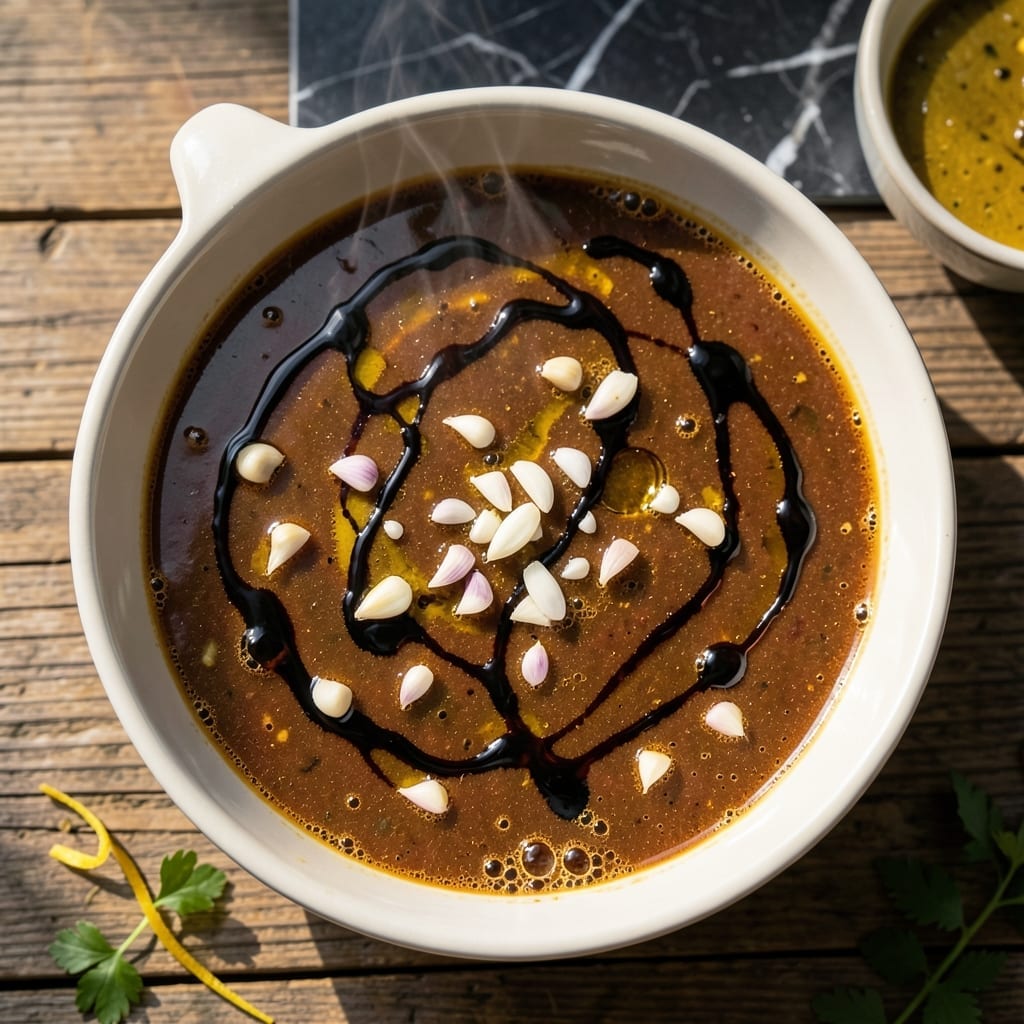
This marinade transforms ordinary chicken into a restaurant-quality masterpiece with minimal effort. Lea & Perrins provides the perfect foundation for building complex, savory flavors that penetrate deep into the meat.
The secret lies in balancing the Worcestershire base with complementary ingredients that enhance rather than overpower. A touch of acidity brightens the profile, while aromatic elements add depth that simple salt and pepper can’t achieve.
After just 30 minutes of marinating, you’ll notice the difference in both color and texture. The result is juicy, flavorful meat with a subtle caramelized crust when cooked.
Versatile enough for grilling, baking, or pan-searing, this blend works with any cut of poultry. The preparation takes less than 5 minutes and uses pantry staples.
Ingredients for Lea and Perrins Chicken Marinade
Pantry staples create a restaurant-quality marinade with minimal effort and maximum impact.
| Ingredient | Amount | Notes |
|---|---|---|
| Lea & Perrins Worcestershire Sauce 🍶 | ½ cup | Foundation for savory depth |
| Extra-Virgin Olive Oil 🫒 | ¼ cup | High-quality for richness |
| Soy Sauce 🍶 | 2 tbsp | Low-sodium preferred |
| Honey 🍯 | 2 tbsp | Balances acidity and salt |
| Lemon Juice 🍋 | 2 tbsp | Freshly squeezed for acidity |
| Garlic Cloves 🧄 | 4 cloves | Minced for aromatic depth |
| Dijon Mustard 🟡 | 1 tbsp | Adds tangy complexity |
| Dried Rosemary 🌿 | 1 tsp | Crushed to release oils |
| Dried Thyme 🌿 | 1 tsp | Earthy aromatic complement |
| Black Pepper 🌶️ | ½ tsp | Freshly ground for maximum flavor |
The Lea & Perrins Worcestershire Sauce is non-negotiable—it provides the signature umami backbone that defines this blend. For optimal quality, use the original variety, available at any grocery store. The olive oil should be extra-virgin, as its fruity notes complement the savory profile. Fresh garlic is essential; the pre-minced variety lacks the necessary punch for this application.
No Worcestershire on hand? Soy sauce with a dash of fish sauce can approximate the depth, though the flavor profile will differ. Maple syrup or brown sugar can replace honey if needed. Lemon juice can be swapped for lime juice or apple cider vinegar—both add the necessary acidity. Dried herbs can be substituted with fresh at triple the amount, finely chopped.
This marinade keeps in the fridge for 1 week in an airtight container. For longer storage, freeze in ice cube trays for up to 3 months. Always discard any marinade that has touched raw chicken to prevent cross-contamination.
Why You’ll Love This Recipe
- I’ll be real: the flavor actually gets better overnight, so I always make extra for next-day salads or wraps.
- 5-Minute Mix: I just dump the Worcestershire, honey, and lemon juice in a bowl—no chopping, no fuss, and the chicken soaks up flavor fast.
- Umami Bomb: The Worcestershire and soy sauce combo gives that deep, savory punch, while the honey balances it with a sticky sweetness I can’t resist.
- Grill or Bake: Honestly, this works on chicken thighs for a quick weeknight dinner or a fancy Sunday grill-out—same marinade, zero stress.
Step-by-Step Instructions for Lea and Perrins Chicken Marinade
This method ensures maximum flavor penetration and tender, juicy results every time.
Step 1: Combine the Liquid Base
In a medium bowl, whisk together the 0.5 cup Lea & Perrins Worcestershire Sauce, 0.25 cup Extra-Virgin Olive Oil, 2 tbsp Soy Sauce, 2 tbsp Honey, and 2 tbsp Lemon Juice until fully emulsified. I always use a bowl with a pour spout for easy application later.
The Worcestershire provides the signature umami depth, while the olive oil carries the flavors into the meat. You’ll notice the honey helps balance the acidity from the lemon juice, creating a perfectly harmonized base that clings to the chicken.
Step 2: Incorporate the Aromatics and Seasonings
Add the 4 cloves Garlic Cloves (minced), 1 tbsp Dijon Mustard, 1 tsp Dried Rosemary, 1 tsp Dried Thyme, and 0.5 tsp Black Pepper to the liquid mixture. Whisk vigorously for 30 seconds to distribute all components evenly.
The minced garlic releases its aromatic oils into the marinade, while the Dijon mustard acts as an emulsifier, preventing separation. Crush the dried rosemary between your fingers as you add it—this releases its essential oils for maximum flavor impact.
At this stage, your marinade should have a glossy appearance and a complex aroma that immediately signals its depth of flavor. The black pepper adds subtle heat that complements the other ingredients without overpowering.
Step 3: Apply the Marinade to Chicken
Place your chicken pieces in a resealable plastic bag or shallow dish. Pour the prepared marinade over the chicken, ensuring all pieces are thoroughly coated. I prefer using a bag because it allows for easy manipulation and even distribution.
Seal the bag or cover the dish and refrigerate for at least 2 hours, though 4-6 hours yields optimal results. For maximum flavor penetration, turn the bag or stir the chicken occasionally during marinating. The acidity in the lemon juice begins to tenderize the meat almost immediately.
This marinade works exceptionally well with bone-in, skin-on chicken pieces, but also transforms boneless, skinless breasts into something special. The longer marinating time allows the flavors to develop complexity as they meld together.
Step 4: Cook to Perfection
Remove the chicken from the marinade and let excess drip off—don’t rinse, as this washes away valuable flavor. Pat the chicken dry with paper towels for better browning, then cook using your preferred method.
For grilling, cook over medium-high heat for 6-8 minutes per side until the internal temperature reaches 165°F. The sugars in the honey and Worcestershire will caramelize beautifully, creating a deep mahogany crust with distinctive grill marks.
If baking, use 400°F for 25-30 minutes, turning once halfway through. The high heat ensures the exterior develops that coveted crispness while the interior remains juicy and flavorful. Always let the chicken rest for 5-10 minutes before serving to allow the juices to redistribute.
Pro Tips For Making Lea And Perrins Chicken Marinade
- Marinate Overnight: I learned this the hard way—chicken needs at least 4 hours in this mix, but overnight is when the Lea & Perrins and soy really sink in and tenderize the meat.
- Warm the Honey: Sounds weird, but it works: microwave the honey for 10-15 seconds before mixing so it blends smoothly with the olive oil and Worcestershire instead of clumping at the bottom.
- Skip the Metal: After ruining a batch with a metallic taste, I now always use glass or plastic for marinating—Lea & Perrins has vinegar, and it reacts with metal bowls or containers.
- Reserve Some Marinade: Before adding the chicken, set aside 2-3 tablespoons of the marinade to baste with later—it’s the easiest way to add extra flavor without cross-contamination.
Dietary Considerations for This lea and perrins chicken marinade
Gluten-Free Status
This marinade contains Lea & Perrins Worcestershire Sauce and soy sauce, which traditionally include gluten. For a gluten-free version, use tamari instead of soy sauce and verify your Worcestershire is labeled gluten-free. I recommend Annie’s or Edward & Sons brands.
Low-Sodium Option
To reduce sodium, use low-sodium soy sauce and skip added salt. The Lea & Perrins already provides significant salt content. You can also reduce the Worcestershire to ⅓ cup and add 1 tbsp apple cider vinegar to maintain acidity without extra sodium.
Dairy-Free and Vegan
This recipe is naturally dairy-free as written. For a vegan version, replace the honey with maple syrup or agave nectar. The swap maintains the balancing sweetness without animal products. 🌱
Allergen Considerations
Check labels for soy allergies—both Worcestershire and soy sauce contain soy. For those with garlic allergies, omit the garlic or replace with 1 tsp onion powder. The Dijon mustard may contain mustard allergens, so use yellow mustard if needed.
Sugar-Reduced Version
Cut the honey in half and add 1 tsp stevia or monk fruit sweetener to maintain sweetness. Alternatively, use sugar-free maple syrup. The acidity from the lemon will still balance the flavors effectively.
Keto-Friendly Adjustments
This marinade fits well into keto diets with minor tweaks. Replace the honey with 1 tbsp erythritol or your preferred keto sweetener. The olive oil and savory base already align perfectly with keto macros. 💪
Nutrition Facts
Frequently Asked Questions
Can I use this for other proteins besides chicken?
This marinade works wonderfully with pork chops, beef steaks, or even tofu. For heartier meats like beef, extend marinating time to 6-8 hours for maximum flavor penetration.
How long can I store unused marinade?
Store in an airtight container in the fridge for up to 1 week. For longer storage, freeze in ice cube trays for 3 months. Always discard any marinade that touched raw meat.
Can I reduce the marinating time?
For quick meals, 30 minutes is the minimum for noticeable flavor. For best results, aim for 2-4 hours. Longer marinating (up to 24 hours) deepens the flavor but may start to break down the meat texture.
What if I don’t have Dijon mustard?
Use 1 tbsp of yellow mustard or whole-grain mustard as a substitute. The flavor will be slightly different but still delicious. Avoid spicy mustards as they may overpower the other ingredients.

- 6 Egg Cake Recipe with Oil: Light as Air With Buttery Moisture - October 4, 2026
- 4 Bean Casserole Recipe: One-Pan Heartiness With Smoky Paprika Depth - October 4, 2026
- 3-Ingredient Keto Mug Cake Recipe: Microwave Magic in 2 Minutes - October 4, 2026