
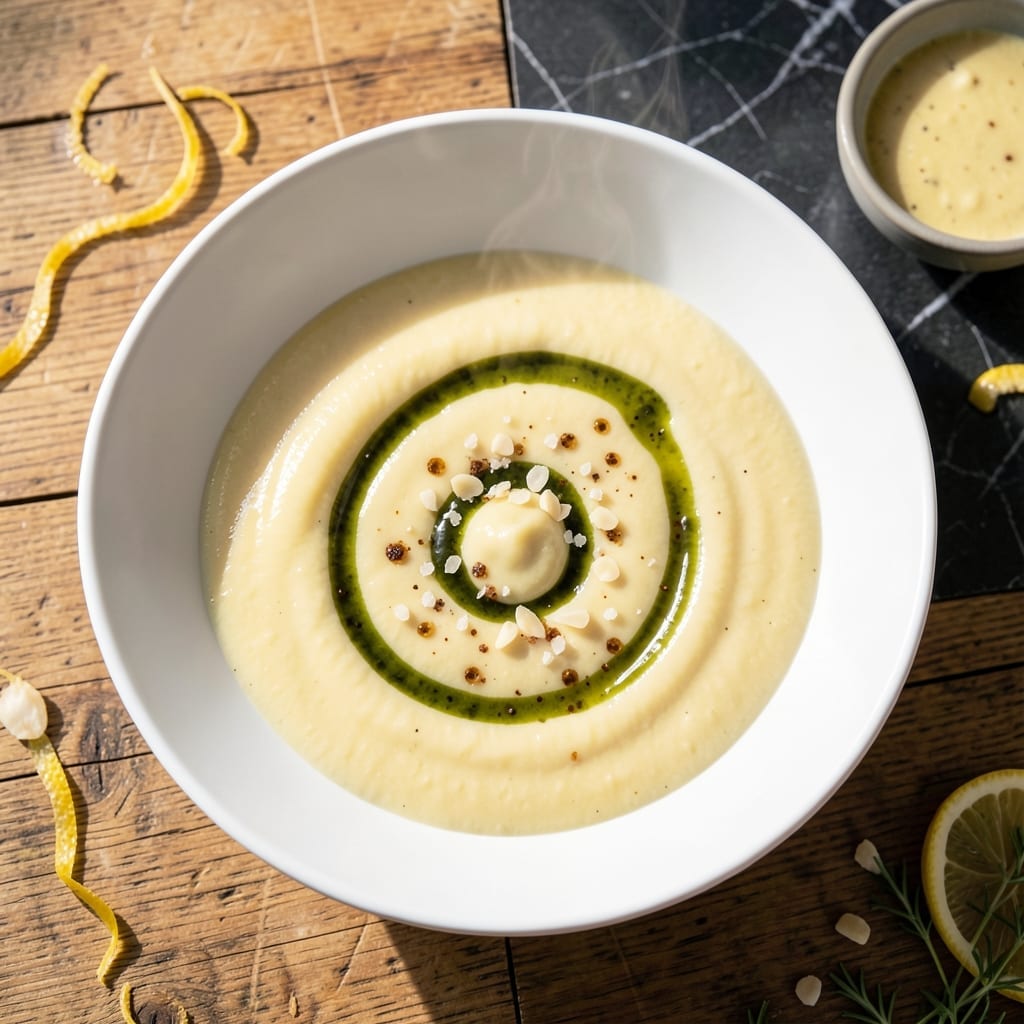
Mastering a perfect lemon emulsion elevates any dish with its luxurious, velvety texture. This professional technique transforms simple ingredients into a silky sauce that rivals fine dining establishments.
The key lies in controlled emulsification, where oil and lemon juice combine seamlessly under precise temperature and motion. No fancy equipment is needed—just patience and the right approach.
What you achieve is a stable, glossy sauce with balanced acidity and richness. It clings beautifully to seafood, vegetables, or proteins, adding sophistication without overpowering.
Store properly and use within a week for best results. This sauce proves that restaurant-quality results are possible in any kitchen.
Ingredients for Lemon Emulsion
Eight refined ingredients create this restaurant-quality lemon emulsion with velvety texture and balanced acidity.
| Ingredient | Amount | Notes |
|---|---|---|
| Extra-Virgin Olive Oil 🫒 | 1 cup | High quality, neutral flavor preferred |
| Fresh Lemon Juice 🍋 | ¼ cup | Newly squeezed, strained |
| Dijon Mustard 🟡 | 1 tsp | Acts as emulsifier |
| Garlic Clove 🧄 | 1 clove | Minced finely |
| Sea Salt 🧂 | ½ tsp | Fine grain for even distribution |
| White Wine Vinegar 🧪 | 1 tsp | Balances acidity |
| Agave Nectar 🍯 | ½ tsp | Vegan sweetener option |
| Freshly Ground Black Pepper 🌶️ | ¼ tsp | Adjust to taste |
The olive oil is critical—California Olive Ranch or Lucini are reliable choices for neutral, high-quality oil. Fresh lemon juice must be newly squeezed (bottled lacks the bright acidity). For the Dijon, Maille or Grey Poupon provide consistent emulsifying power. Always use fine sea salt to ensure even distribution throughout the sauce.
No Dijon? Whole-grain mustard works but strain the finished sauce. Out of agave? Maple syrup at equal amounts substitutes well. White wine vinegar can be replaced with apple cider vinegar in a pinch, though the flavor profile changes slightly. For a richer emulsion, increase the oil by 2 tbsp and adjust acidity to taste.
This emulsion holds for 5-7 days refrigerated in an airtight container. The flavors meld and mellow over time. For best results, bring to room temperature and re-whisk before using. Do not freeze—it will separate irreparably.
Why You’ll Love This Recipe
- Five-Minute Magic: I can make this while the pasta boils—just whisk and go.
- Zesty Kick: The garlic and Dijon cut through the lemon in a way that makes everything taste brighter.
- Dressing or Dipping: I drizzle it on salads, fish, even roasted veggies, and it never lets me down.
- Pennywise Flavor: A few pantry staples stretch into something that tastes like a fancy restaurant sauce.
Step-by-Step Instructions for Lemon Emulsion
Master this technique and you’ll produce a restaurant-quality emulsified sauce with perfect stability and texture.
Step 1: Prepare the Acid Base and Aromatics
In a medium mixing bowl, combine the 0.25 cup Fresh Lemon Juice, 1 tsp White Wine Vinegar, 1 tsp Dijon Mustard, 0.5 tsp Sea Salt, 0.5 tsp Agave Nectar, and 0.25 tsp Freshly Ground Black Pepper. Whisk these together until the Dijon Mustard is fully incorporated and the mixture appears homogeneous.
The Dijon Mustard serves as your primary emulsifier here, while the White Wine Vinegar adds complexity to the acid profile. The Agave Nectar balances the sharpness with a touch of sweetness that won’t overpower the lemon’s brightness.
Step 2: Incorporate the Garlic
Mince the 1 clove Garlic Clove as finely as possible—this ensures even distribution throughout the emulsion and prevents any harsh bites of raw garlic. Add the minced Garlic Clove to the acid mixture and let it macerate for 2-3 minutes.
This brief resting period allows the garlic’s pungent compounds to mellow slightly while infusing the liquid with its aromatic qualities. You’ll notice the mixture taking on a more complex scent as the garlic releases its essential oils.
Step 3: Begin the Emulsification Process
Start whisking the acid-garlic mixture vigorously while very slowly drizzling in the 1 cup Extra-Virgin Olive Oil. The key is to add the oil in the thinnest possible stream—this creates tiny oil droplets that the Dijon Mustard can suspend in the water-based mixture.
After adding about ¼ cup of the Extra-Virgin Olive Oil, the mixture should begin to thicken noticeably and take on a pale, creamy appearance. This visual change indicates that the emulsion is forming properly. Maintain constant whisking throughout this process.
Step 4: Complete the Emulsion and Adjust
Continue drizzling the remaining Extra-Virgin Olive Oil while whisking, still maintaining that slow, steady stream. As you near the end of the oil, you may notice the mixture becoming increasingly resistant to the whisk—this is normal and indicates a stable emulsion.
Once all the 1 cup Extra-Virgin Olive Oil is incorporated, taste and adjust the seasoning if needed. The ideal texture should coat the back of a spoon with a silky, velvety consistency that doesn’t separate when left to sit for 30 seconds.
If the emulsion appears too thick, whisk in 1-2 teaspoons of warm water to achieve your desired consistency. Conversely, if it’s too thin, this typically means the oil was added too quickly—start the process over with a fresh batch, adding the oil more slowly this time.
Pro Tips For Making Lemon Emulsion
- Drizzle Slowly: Add the olive oil in a thin, steady stream while whisking—about 1 tablespoon every 10 seconds. I learned this the hard way after my first three attempts broke into a sad, separated puddle.
- Room Temp Ingredients: Pull your lemon juice and olive oil out of the fridge 30 minutes early. Cold ingredients resist emulsifying, and nobody wants a greasy mess instead of a creamy dressing.
- Skip the Blender: A whisk and a bowl work better than a blender for small batches. The blades can overheat the emulsion, causing it to split—yes, even if you’re impatient like me.
- Grate the Garlic: Use a microplane for the garlic instead of mincing. It dissolves into the emulsion smoothly, so you get all the flavor without the chunks that ruin the texture.
Best Sauces and Condiments for These Flavors
Classic Pairings
This silky sauce transforms grilled asparagus into a restaurant-worthy side—just drizzle 1 tbsp over each serving. It also elevates poached salmon beautifully, enhancing the fish’s natural richness without overpowering it. 💛
Salad Dressing
Thin it slightly with 1-2 tbsp water to create a vibrant dressing for mixed greens. I love it on arugula with shaved Parmesan and toasted almonds. The acidity cuts through the cheese’s saltiness perfectly.
Seafood Enhancer
Drizzle over seared scallops or shrimp cocktail for a bright, sophisticated finish. The emulsion clings beautifully to seafood, adding a velvety texture that contrasts with the firmness of the protein.
Vegetable Dip
Serve as a dip for crudités like cucumber slices or bell pepper strips. The sauce’s tangy brightness pairs especially well with the natural sweetness of fresh vegetables. I always get compliments when I serve this at gatherings.
Grilled Protein Topper
Spoon over grilled chicken breasts or pork tenderloin just before serving. The heat from the meat gently warms the sauce, releasing its aromatics. For extra flair, garnish with lemon zest. ✨
Pasta Companion
Toss with linguine or fettuccine, adding 2 tbsp pasta water to help it coat the noodles evenly. This creates a light, citrusy pasta dish that feels indulgent but is surprisingly healthy.
Nutrition Facts
Frequently Asked Questions
Why did my emulsion separate?
This usually happens if the oil was added too quickly or the mixture wasn’t whisked vigorously enough. Start over with a fresh batch and drizzle the oil in a thin, steady stream while whisking constantly for a stable result.
Can I make this without Dijon mustard?
Yes! Use 1 tsp of honey or 1 egg yolk as alternatives. Both work as emulsifiers, though the flavor will differ slightly. Honey adds sweetness while egg yolk creates a richer texture.
How long can I store the finished sauce?
It keeps for 5-7 days in an airtight container in the fridge. Let it come to room temperature and give it a good whisk before using, as it may thicken when chilled.
Can I use a different citrus juice?
Lime or orange juice work well. Adjust the sweetener to taste, as lime is more tart and orange is sweeter than lemon. The technique remains the same.

- 6 Egg Cake Recipe with Oil: Light as Air With Buttery Moisture - October 4, 2026
- 4 Bean Casserole Recipe: One-Pan Heartiness With Smoky Paprika Depth - October 4, 2026
- 3-Ingredient Keto Mug Cake Recipe: Microwave Magic in 2 Minutes - October 4, 2026