
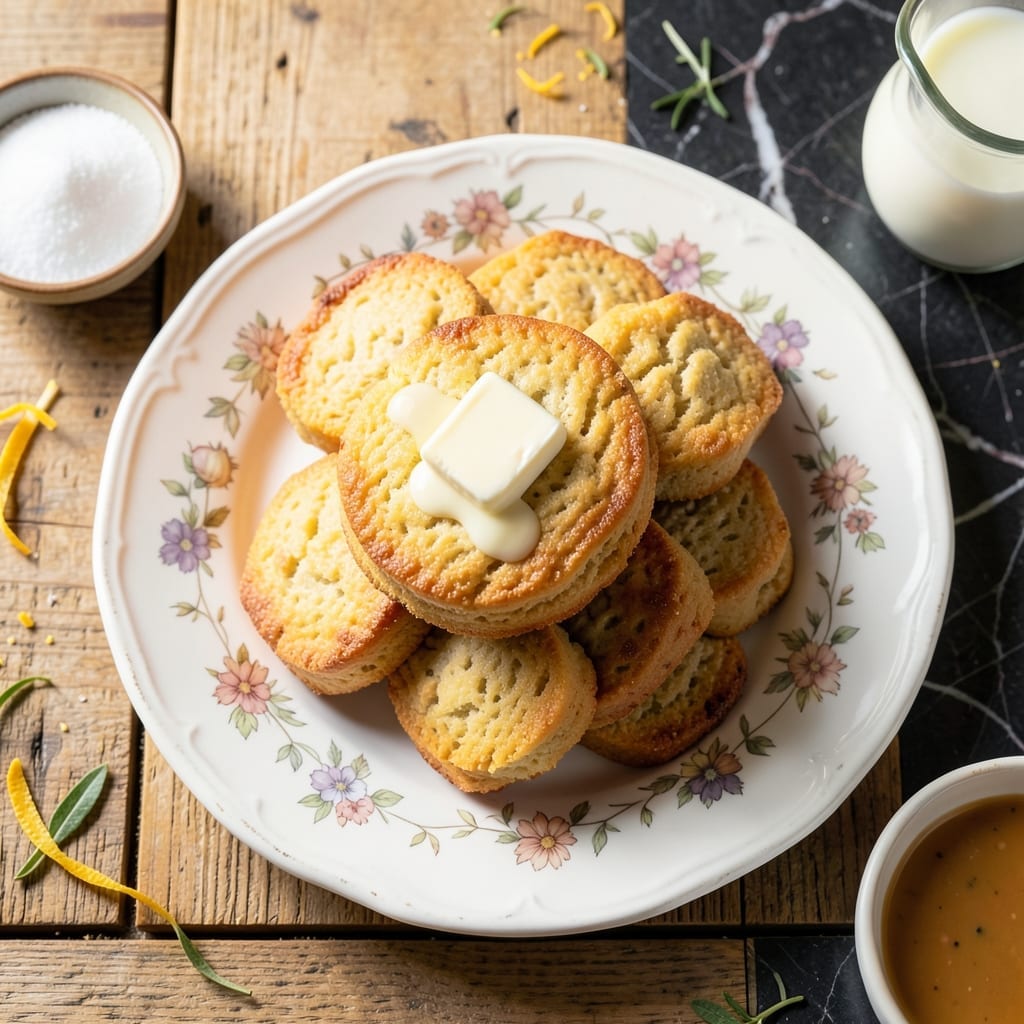
I’ve perfected a method for creating light and fluffy biscuits using basic pantry staples. The key lies in cold butter and gentle handling to maintain those signature layers.
With just a few ingredients and 15 minutes of prep, you’ll have warm, golden biscuits ready to serve. This technique ensures a tender crumb every time.
Ingredients for Recipe for Biscuits Made with All Purpose Flour
Basic pantry staples transform into light, fluffy layers with proper technique and cold ingredients.
| Ingredient | Amount | Notes |
|---|---|---|
| All-Purpose Flour 🌾 | 2 cups | Plus extra for dusting surface |
| Baking Powder 🧂 | 1 tbsp | Aluminum-free for best rise |
| Granulated Sugar 🍚 | 1 tbsp | Balances acidity in butter |
| Salt 🧂 | ½ tsp | Fine sea salt preferred |
| Unsalted Butter 🧈 | ½ cup | Ice cold, cubed into pea-sized pieces |
| Whole Milk 🥛 | ¾ cup | Cold, plus extra for brushing |
| Buttermilk 🥛 | ¼ cup | Substitute with milk + vinegar |
The butter is critical here—use a high-quality unsalted variety like Plugrá or Kerrygold. Cold is non-negotiable; freeze the cubed butter for 15 minutes if your kitchen is warm. All-purpose flour works best (avoid bread flour, which is too high-protein). For the milk, whole milk provides richness, but 2% works in a pinch (don’t use skim).
No buttermilk? Stir 1 tbsp white vinegar or lemon juice into 3/4 cup milk and let sit 5 minutes. Want extra flakiness? Replace 2 tbsp flour with cornstarch. The baking powder must be fresh—test it by dropping a teaspoon in hot water; it should bubble vigorously. For a tangier flavor, add 1/4 tsp baking soda alongside the baking powder.
Biscuits are best served warm. Leftovers keep in an airtight container for 2 days at room temperature or freeze for 3 months. Reheat in a 350°F oven for 5-10 minutes to restore fluffiness. Do not microwave (they’ll turn soggy).
Why You’ll Love This Recipe
- One Bowl Wonder: I mix everything right in the same bowl—no fancy equipment, just my hands and those five simple ingredients.
- Buttery Heaven: The cold unsalted butter creates those perfect flaky layers that melt in your mouth with just a hint of sweetness.
- Breakfast to Dinner: Honestly, these work with jam at sunrise or smothered in sausage gravy at suppertime.
- Pantry Staples: I always have all-purpose flour and baking powder on hand, so these biscuits are my last-minute lifesaver.
Step-by-Step Instructions for Biscuits Made With All Purpose Flour
Master these fundamental techniques and achieve bakery-quality results with every batch.
Step 1: Combine Dry Ingredients with Precision
In a large mixing bowl, whisk together the 2 cups All-Purpose Flour, 1 tbsp Baking Powder, 1 tbsp Granulated Sugar, and 0.5 tsp Salt until thoroughly combined. This aerates the flour mixture and ensures even distribution of leavening agents for consistent rise.
I use aluminum-free baking powder for a cleaner flavor profile. The sugar balances the buttermilk’s acidity, while the fine sea salt enhances all flavors without overpowering. Whisk for at least 30 seconds to break up any lumps in the flour.
Step 2: Cut in Cold Butter for Flaky Layers
Add the 0.5 cup Unsalted Butter (cubed into pea-sized pieces and kept ice cold) to the dry ingredients. Using a pastry cutter or your fingertips, work the butter into the flour mixture until the texture resembles coarse crumbs with some pea-sized butter pieces visible.
This step creates the flaky layers characteristic of perfect biscuits. The cold butter will melt during baking, creating steam that separates the dough into distinct layers. Work quickly to prevent the butter from warming—if it softens, chill the mixture for 10 minutes before proceeding.
Step 3: Incorporate Liquids Gently for Tender Texture
Make a well in the center of the flour-butter mixture. Pour in the 0.75 cup Whole Milk and 0.25 cup Buttermilk. Using a fork, gently stir the mixture just until the dry ingredients are moistened and the dough begins to come together.
Overmixing develops gluten, resulting in tough biscuits. The dough should look shaggy and slightly sticky. If there are dry spots, add an additional 1-2 tablespoons of cold whole milk from your reserved amount. The buttermilk adds tang and tenderness to the final product.
Step 4: Shape and Cut for Even Baking
Turn the dough onto a lightly floured surface and gently pat it into a 1-inch thick rectangle. Fold the dough in half like a book and pat down again—this creates additional layers. Repeat this folding and patting process 2-3 times total.
Using a 2.5-inch biscuit cutter, press straight down through the dough without twisting to cut out biscuits. Twisting seals the edges and prevents rising. Gather the scraps, gently pat out, and cut more biscuits. Place them on a parchment-lined baking sheet with edges touching for softer sides or spaced apart for crispier edges.
Step 5: Bake to Golden Perfection
Preheat your oven to 425°F. Brush the tops of the biscuits with a small amount of reserved whole milk for browning. Bake on the middle rack for 12-15 minutes until the tops are golden brown and the biscuits have risen significantly.
Check for doneness by inserting a toothpick into the center of a biscuit—it should come out clean. The layers should be distinct and flaky when separated. Remove from the oven and let cool on the baking sheet for 2 minutes before transferring to a wire rack. Serve warm for the best texture and flavor.
Pro Tips For Making Recipe For Biscuits Made With All Purpose Flour
- Chill the Butter: Keep your unsalted butter ice cold until the very last moment—I learned this the hard way after my first few batches spread flat. Cut it into small cubes and work fast.
- Don’t Overmix: Stir just until the dough comes together. After making dense biscuits too many times, I finally realized overworking develops gluten, which toughens them up.
- Use Fresh Baking Powder: Old baking powder loses its lift, and I’ve ruined more than one batch with a can that had been sitting in the pantry for a year. Test it by dropping a teaspoon in hot water—if it doesn’t bubble vigorously, toss it.
- Bake Hot and Fast: Crank the oven to 425°F and bake on the middle rack. High heat makes the butter steam quickly, giving you those flaky layers I used to only get at my grandma’s house.
Serving Suggestions for This Recipe
🍽️ Plating Styles
These biscuits made with all purpose flour are versatile for any occasion. For a casual setting, arrange them on a rustic wooden board with a butter dish in the center. A formal presentation calls for a tiered stand lined with parchment paper, while a buffet spread can feature them in a woven basket with a cloth liner for a cozy touch.
🎨 Garnishing Techniques
Enhance the visual appeal with simple yet effective garnishes. Brush the tops with melted butter and sprinkle fresh herbs like rosemary or thyme for a savory twist. For a sweeter option, dust with powdered sugar or drizzle with honey. Edible flowers or a sprinkle of flaky sea salt can add an elegant decoration.
🍴 Portion Sizes
Serve biscuits individually for a refined meal, pairing each with a small dish of jam or gravy. For a family-style gathering, place a stack on a communal platter and let guests serve themselves. Smaller, bite-sized biscuits work well for appetizers, while larger ones are perfect as a side to hearty dishes.
🌡️ Serving Temperature
Biscuits are best enjoyed warm. Allow them to rest for 2-3 minutes after baking to set, then serve immediately. If reheating, warm them in a 350°F oven for 5-10 minutes to restore their fluffiness. Slice just before serving to retain moisture and texture.
Nutrition Facts

- 6 Egg Cake Recipe with Oil: Light as Air With Buttery Moisture - October 4, 2026
- 4 Bean Casserole Recipe: One-Pan Heartiness With Smoky Paprika Depth - October 4, 2026
- 3-Ingredient Keto Mug Cake Recipe: Microwave Magic in 2 Minutes - October 4, 2026