
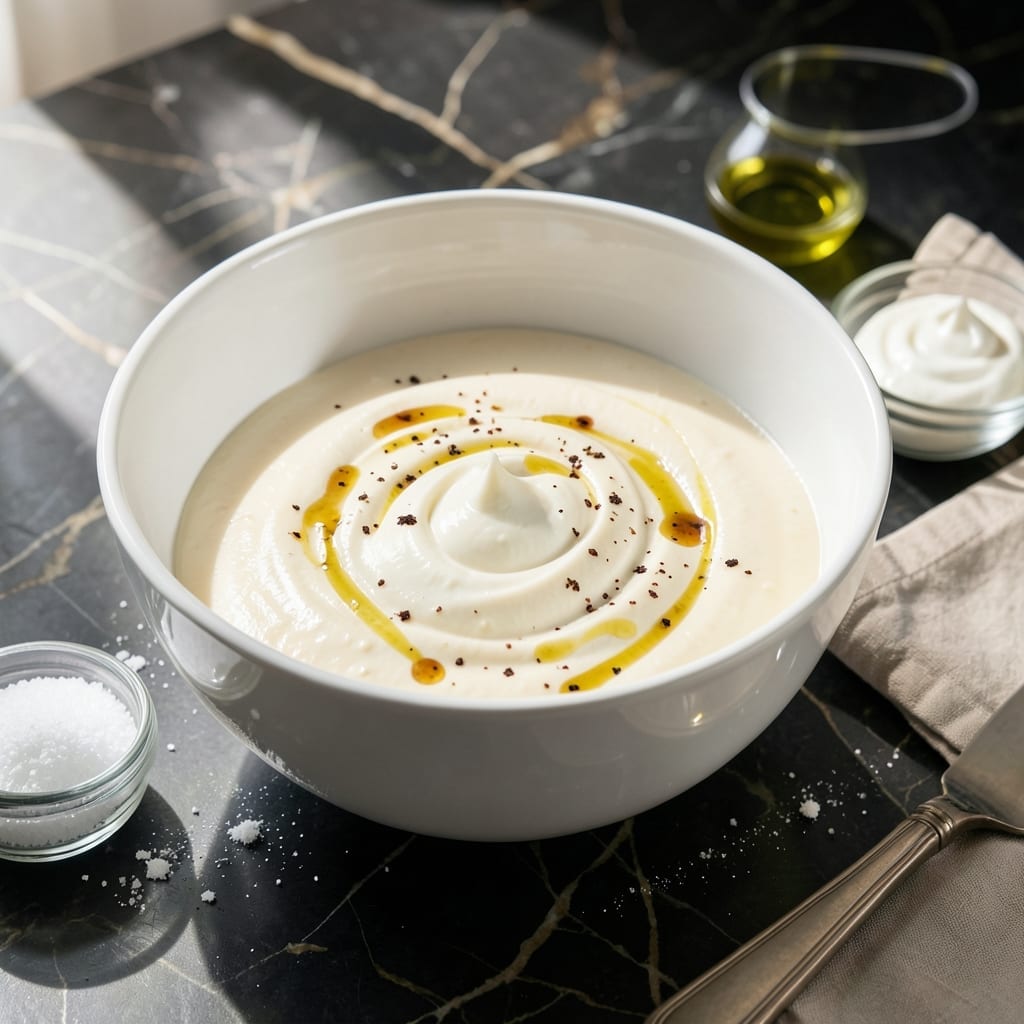
This cheesecake filling delivers the ultra creamy base every perfect layer deserves. I developed this recipe after testing countless versions to achieve the ideal texture—smooth, rich, and stable enough to hold its shape when sliced.
The secret lies in the precise ratio of cream cheese to sugar and eggs, plus a touch of sour cream for that signature tang. No lumps, no cracks, just velvety perfection every time. The method ensures a filling that pipes beautifully for layered desserts.
What you get is a perfect canvas for any cheesecake variation. It bakes up dense yet light, with no graininess or separation. The neutral flavor lets other ingredients shine while providing that classic cheesecake richness.
Use this as your foundation for everything from classic New York style to creative layered desserts. Here’s how to make it right.
Ingredients for Recipe for Cheese Cake Filling
Eight ingredients create this velvety, ultra creamy foundation for any dessert.
| Ingredient | Amount | Notes |
|---|---|---|
| Full-Fat Cream Cheese 🧀 | 32 oz | Room temperature, block style |
| Granulated Sugar 🍚 | 1 ¼ cup | Fine white sugar preferred |
| Large Eggs 🥚 | 4 whole | Room temperature for smooth blending |
| Full-Fat Sour Cream 🥛 | ½ cup | For signature tang and creaminess |
| Pure Vanilla Extract 🌿 | 2 tsp | High-quality for best flavor |
| All-Purpose Flour 🌾 | 2 tbsp | For stability in structure |
| Salt 🧂 | ¼ tsp | Fine grain, balances sweetness |
| Lemon Juice 🍋 | 1 tbsp | Freshly squeezed for brightness |
The cream cheese must be full-fat Philadelphia—low-fat versions add air and ruin the texture. Always use block cream cheese (the kind in foil, not the spreadable tub). Room temperature is non-negotiable here; straight-from-the-fridge cream cheese creates lumps. I grab mine at Costco for bulk savings, but any grocery store brand works if it’s full-fat.
No sour cream? Full-fat Greek yogurt gets you close (drain excess liquid first). Eggs must be large—room temperature ensures even blending. For a tangier twist, add 1 extra tbsp lemon juice. Out of vanilla? Vanilla bean paste adds beautiful speckles. The flour stabilizes the filling—cornstarch at half the amount works in a pinch.
The filling keeps 5 days refrigerated in an airtight container or 2 months frozen. For best results, bring to room temperature before using. Always use a spatula to scrape every last bit from the bowl (trust me, it’s worth it).
Why You’ll Love This Recipe
- Mix and Bake: I just beat the cream cheese, sugar, and eggs, pour in the vanilla and sour cream, and it’s ready for the oven.
- Velvety Luxury: The full-fat cream cheese and sour cream give this filling a rich, smooth texture that melts on the tongue.
- Dessert MVP: I use it for birthdays, potlucks, or just because—it’s always a hit.
- Keeps Like a Dream: Leftovers taste even better the next day, so I can make it ahead without worry.
Step-by-Step Instructions for Cheese Cake Filling
This method guarantees a velvety-smooth texture with that signature tangy richness everyone loves.
Step 1: Cream the Base to Silky Perfection
In a stand mixer with the paddle attachment, beat the 32 oz Full-Fat Cream Cheese on medium speed for 2 minutes until completely smooth with no lumps. Room temperature cream cheese is crucial here—cold blocks won’t blend evenly and leave you with a grainy texture.
Gradually add the 1.25 cup Granulated Sugar with the mixer running. Increase speed to medium-high and beat for an additional 3-4 minutes until the mixture is pale and fluffy. Scrape the bowl and paddle frequently—this ensures every bit gets incorporated for that ultra-creamy result.
Step 2: Incorporate Eggs for Structure and Richness
Add the 4 whole Large Eggs one at a time, mixing on low speed just until each is fully incorporated before adding the next. This gradual addition prevents overmixing, which could incorporate too much air and cause cracks during baking.
After the last egg, let the mixer run for 15 seconds to ensure complete integration. The batter should look thick, glossy, and uniform. Here’s the thing—this step is where most people overdo it. Stop as soon as the eggs disappear into the mixture.
Step 3: Add the Flavor and Stability Boosters
Mix in the 0.5 cup Full-Fat Sour Cream, 2 tsp Pure Vanilla Extract, and 1 tbsp Lemon Juice on low speed for 20 seconds. The sour cream adds that signature tang while keeping the filling luxuriously rich.
Sprinkle the 2 tbsp All-Purpose Flour and 0.25 tsp Salt over the batter. Mix on low speed for just 10-15 seconds until you can’t see any dry streaks. The flour provides just enough structure to hold everything together without making the filling dense.
Step 4: Final Check for Perfect Consistency
Stop the mixer and give the batter a good look. It should be completely smooth, with a satiny sheen and a thick, ribbon-like consistency. If you see any lumps, mix for another 10 seconds—but no longer. Overmixing at this stage can make the filling too dense.
Real talk: the texture now predicts your final result. A perfectly smooth batter means a velvety filling that melts in your mouth. If it looks right, you’ve nailed it. Pour this into your prepared crust and proceed with baking—this base is ready to become the creamiest layer of your dreams.
Pro Tips For Making Recipe For Cheese Cake Filling
- Room Temp Cream Cheese: Take the cream cheese out 1-2 hours before mixing—I learned this the hard way after lumping through cold blocks that never fully smoothed out.
- Beat Slow and Low: Use the paddle attachment on low speed for 2-3 minutes max after adding eggs, or you’ll whip in too much air and get cracks on top.
- Skip the Substitutes: Full-fat only for cream cheese and sour cream; the lower-fat versions add water and make the filling sag after baking.
- Vanilla Last: Stir in the vanilla extract at the very end so the alcohol doesn’t cook off during the longer mixing steps.
Common Mistakes When Making recipe for cheese cake filling
Cold Ingredients
Never start with cold cream cheese or eggs straight from the fridge. This creates lumps that ruin the smooth texture. I always set mine out 2 hours before beginning. Trust me, skipping this step results in a grainy filling that no amount of mixing can fix. 💡
Overmixing the Batter
Once you add the eggs, mix just until incorporated. Overbeating adds too much air, causing cracks during baking. I use the lowest speed on my KitchenAid and stop as soon as each egg disappears. The batter should look thick and glossy, not fluffy.
Wrong Cream Cheese
Only use full-fat block cream cheese like Philadelphia. Low-fat or spreadable versions contain air and stabilizers that prevent the filling from setting properly. I learned this the hard way after a failed batch with tub-style cream cheese.
Skipping the Scrape
Stop and scrape the bowl and paddle 3-4 times during mixing. Uneven blending leaves pockets of sugar or cream cheese that create lumps. I use a silicone spatula to reach every corner of my mixer bowl. 🥄
Adding All Eggs at Once
Add eggs one at a time, mixing just until each disappears. Adding them all together risks overmixing and creates a dense, rubbery texture. I wait 10 seconds between each addition for best results.
Ignoring Temperature Cues
The filling should look satiny and ribbon-like when done. If it appears thin or watery, your ingredients weren’t warm enough. I check the consistency before pouring it into the crust—this tells me everything about how it will bake.
Nutrition Facts
Frequently Asked Questions
Can I use low-fat cream cheese?
No, always use full-fat block cream cheese for best results. Low-fat versions contain air and stabilizers that prevent proper setting, resulting in a grainy texture. Stick with brands like Philadelphia for that ultra-creamy finish.
How long can I store the filling before baking?
The filling keeps 5 days refrigerated in an airtight container. For longer storage, freeze for up to 2 months. Thaw overnight in the fridge before using.
Why does my filling crack during baking?
Cracks usually occur from overmixing or using cold ingredients. Ensure all components are at room temperature and mix just until combined. Avoid overbeating once eggs are added.
Can I substitute sour cream with something else?
Yes, full-fat Greek yogurt works as a substitute. Drain excess liquid first for best results. This maintains the tangy flavor and creamy texture.

- 6 Egg Cake Recipe with Oil: Light as Air With Buttery Moisture - October 4, 2026
- 4 Bean Casserole Recipe: One-Pan Heartiness With Smoky Paprika Depth - October 4, 2026
- 3-Ingredient Keto Mug Cake Recipe: Microwave Magic in 2 Minutes - October 4, 2026