
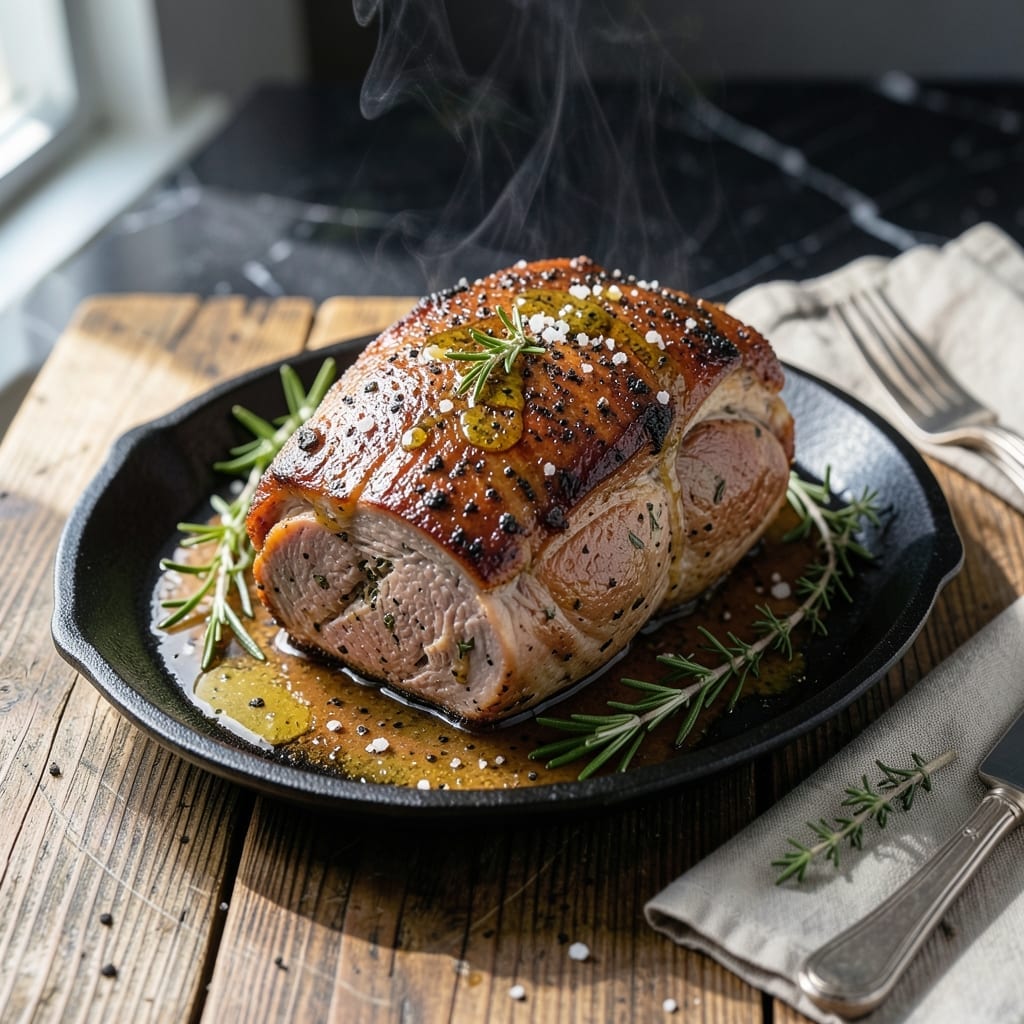
Elk roast offers a lean yet rich alternative to beef, with a depth of flavor that truly shines when prepared properly. This recipe transforms the wild game into a tender, herb-infused centerpiece worthy of any dinner table.
The key lies in a slow, moist cooking method combined with a carefully balanced herb rub. This approach breaks down the meat’s natural toughness while enhancing its natural richness. A simple sear before roasting locks in juices and creates a flavorful crust.
What emerges is a beautifully browned roast with a tender interior, infused with aromatic herbs and perfectly seasoned throughout. The natural leanness of elk means every bite delivers pure, unadulterated flavor without excess fat.
Serve with roasted root vegetables or a hearty red wine reduction to complement the robust character of this dish.
Ingredients for Recipe for Elk Roast
Transform wild game into a tender, herb-infused masterpiece with these quality ingredients.
| Ingredient | Amount | Notes |
|---|---|---|
| Elk Roast 🥩 | 2 ½ lb | Boneless, trimmed of excess fat |
| Olive Oil 🫒 | 2 tbsp | Divided for searing and roasting |
| Kosher Salt 🧂 | 1 ½ tsp | Diamond Crystal preferred |
| Black Pepper 🌶️ | 1 tsp | Freshly cracked for best flavor |
| Fresh Rosemary 🌿 | 2 tbsp | Chopped, stems removed |
| Fresh Thyme 🍃 | 2 tbsp | Chopped, stems removed |
| Garlic Cloves 🧄 | 6 cloves | Minced for herb rub |
| Red Wine 🍷 | 1 cup | Dry, bold variety like Cabernet |
| Beef Broth 🥘 | 1 ½ cups | Low-sodium preferred |
| Unsalted Butter 🧈 | 2 tbsp | Cold, cubed for finishing |
| Yellow Onion 🧅 | 1 whole | Large, roughly chopped |
| Carrots 🥕 | 3 whole | Peeled, cut into chunks |
| Celery Stalks 🌿 | 2 whole | Cut into large pieces |
| Bay Leaves 🍃 | 2 pieces | Dried, for aromatic depth |
The elk roast is the star—source from specialty butchers or reputable online game purveyors like Wild Fork. Look for deep red color with minimal fat marbling (elk is naturally lean). Ask for the top round or sirloin cut for roasting. The fresh herbs should be vibrant green—Whole Foods or local farmers markets typically have the best selection. Avoid pre-ground black pepper; whole peppercorns freshly cracked offer superior aroma.
No fresh rosemary or thyme? Dried herbs at one-third the amount work in a pinch, though fresh delivers brighter flavor. Substitute beef broth with vegetable broth if desired, but the richer base complements elk’s robustness. Red wine can be replaced with additional broth plus 1 tbsp balsamic vinegar. If elk is unavailable, venison or lean beef are acceptable alternatives, though cooking times may vary slightly.
Store elk roast in the coldest part of your refrigerator for up to 3 days before cooking, or freeze for 9-12 months. Fresh herbs keep best wrapped in damp paper towels in a sealed container for 1 week. The finished roast reheats beautifully—slice only what you need and warm gently in its juices to preserve moisture.
Why You’ll Love This Recipe
- One Pan Magic: I toss the elk roast with olive oil, salt, pepper, and rosemary, then let the oven do the work.
- Rich and Earthy: The rosemary and black pepper bring out the deep, gamey flavor of the elk in every bite.
- Feeds the Crew: This hearty roast stretches easily for family dinners or meal prep for the week.
- Leftovers Win: Honestly, the slices taste even better the next day in sandwiches or over mashed potatoes.
Step-by-Step Instructions for Elk Roast
This method ensures tender, flavorful results with a perfect crust every time.
Step 1: Sear the Elk Roast for Deep Flavor
Pat the 2.5 lb elk roast completely dry with paper towels. This removes excess moisture for a proper sear. Season all sides generously with the 1.5 tsp kosher salt and 1 tsp black pepper, pressing the seasoning into the meat so it adheres well.
Heat 1 tbsp olive oil in a large Dutch oven over medium-high heat until shimmering. Add the elk roast and sear for 3-4 minutes per side until deeply browned. You’ll know it’s ready to turn when it releases easily from the pan. Transfer the roast to a plate and set aside.
Step 2: Build the Aromatic Base
In the same Dutch oven, reduce heat to medium and add the remaining 1 tbsp olive oil. Add the roughly chopped yellow onion, chunked carrots, and large pieces of celery stalks. Cook for 5-6 minutes, stirring occasionally, until the vegetables begin to soften and develop color.
Add the minced 6 cloves garlic cloves, 2 tbsp fresh rosemary, and 2 tbsp fresh thyme, stirring for 30 seconds until fragrant. This layer of aromatics will infuse the roast with robust herbal notes. Pour in the 1 cup red wine to deglaze, scraping up any browned bits from the bottom of the pan.
Step 3: Braise the Roast to Tenderness
Return the seared elk roast to the Dutch oven. Pour in the 1.5 cups beef broth and add the 2 pieces bay leaves. The liquid should come about halfway up the roast—this ensures even cooking and maximum flavor infusion.
Bring the liquid to a gentle simmer, then cover the Dutch oven and transfer it to a preheated 325°F oven. Braise for 2 to 2.5 hours, turning the roast halfway through, until the meat is fork-tender and easily pulls apart. Baste the roast occasionally with the braising liquid to keep it moist.
Step 4: Finish with Butter and Rest
Once the roast is tender, carefully transfer it to a cutting board and tent loosely with foil. Place the Dutch oven on the stovetop over medium heat and simmer the braising liquid for 5-7 minutes until it reduces slightly and intensifies in flavor.
Remove the pan from heat and whisk in the 2 tbsp unsalted butter, one cube at a time, until the sauce is glossy and emulsified. Let the roast rest for 15 minutes before slicing—this allows the juices to redistribute for maximum tenderness. Serve the roast with the reduced braising liquid spooned over the top.
Pro Tips For Making Recipe For Elk Roast
- Rest Before Slicing: Let the elk roast rest for at least 15 minutes under foil after cooking—I learned this the hard way when all the juices ended up on the cutting board instead of in the meat.
- Dry the Roast: Pat the elk roast completely dry with paper towels before seasoning; even a little moisture prevents that perfect crust from forming.
- Skip Cold Meat: Take the roast out of the fridge 30-45 minutes before cooking—cold meat seizes up and cooks unevenly, no matter how hot your pan is.
- Crush the Rosemary: Lightly crush the fresh rosemary between your palms before sprinkling it on; this releases the oils and actually changes the outcome of the flavor.
Essential Equipment for Great recipe for elk roast
Dutch Oven Essentials
Invest in a heavy-duty Dutch oven—I swear by my 5.5-quart Le Creuset for even heat distribution. The enameled cast iron retains heat perfectly for the 2-2.5 hour braise at 325°F. Look for one with a tight-fitting lid to lock in moisture. 🔥
Meat Thermometer
A reliable instant-read thermometer is non-negotiable for elk. I use the ThermoWorks ThermoPop to check internal temp—aim for 145°F for medium-rare. The probe should slide in effortlessly when the meat is ready.
Sharp Knives
Elk’s lean texture demands a sharp blade. My 8-inch Wüsthof chef’s knife makes quick work of trimming and slicing. Keep it honed for clean cuts that preserve the meat’s natural tenderness.
Wooden Spoon
A sturdy wooden spoon won’t scratch your Dutch oven while stirring the braising liquid. I prefer one with a long handle to avoid steam burns when working over medium-high heat during searing.
Resting Tools
Always rest your roast on a carving board with grooves to catch juices. I tent mine with foil and let it sit for the full 15 minutes—this step ensures every slice stays juicy. 💫
Basting Brush
Use a silicone basting brush to coat the roast with braising liquid every 30-45 minutes. The heat-resistant bristles won’t melt, and the flexible head reaches all angles of the meat.
Nutrition Facts
Frequently Asked Questions
What’s the best way to ensure tenderness?
Braising is key for elk. Sear first, then cook low and slow at 325°F for 2-2.5 hours in liquid. This breaks down tough fibers while keeping the meat juicy.
Can I use a slow cooker instead of an oven?
Yes! Sear the roast first, then transfer to a slow cooker with all braising liquid. Cook on low for 6-7 hours or high for 4-5 hours for similar results.
Why does my roast turn out dry?
Overcooking is the main culprit. Elk is lean and cooks faster than beef. Always use a meat thermometer and remove at 145°F. Rest for 15 minutes before slicing.

- 6 Egg Cake Recipe with Oil: Light as Air With Buttery Moisture - October 4, 2026
- 4 Bean Casserole Recipe: One-Pan Heartiness With Smoky Paprika Depth - October 4, 2026
- 3-Ingredient Keto Mug Cake Recipe: Microwave Magic in 2 Minutes - October 4, 2026