
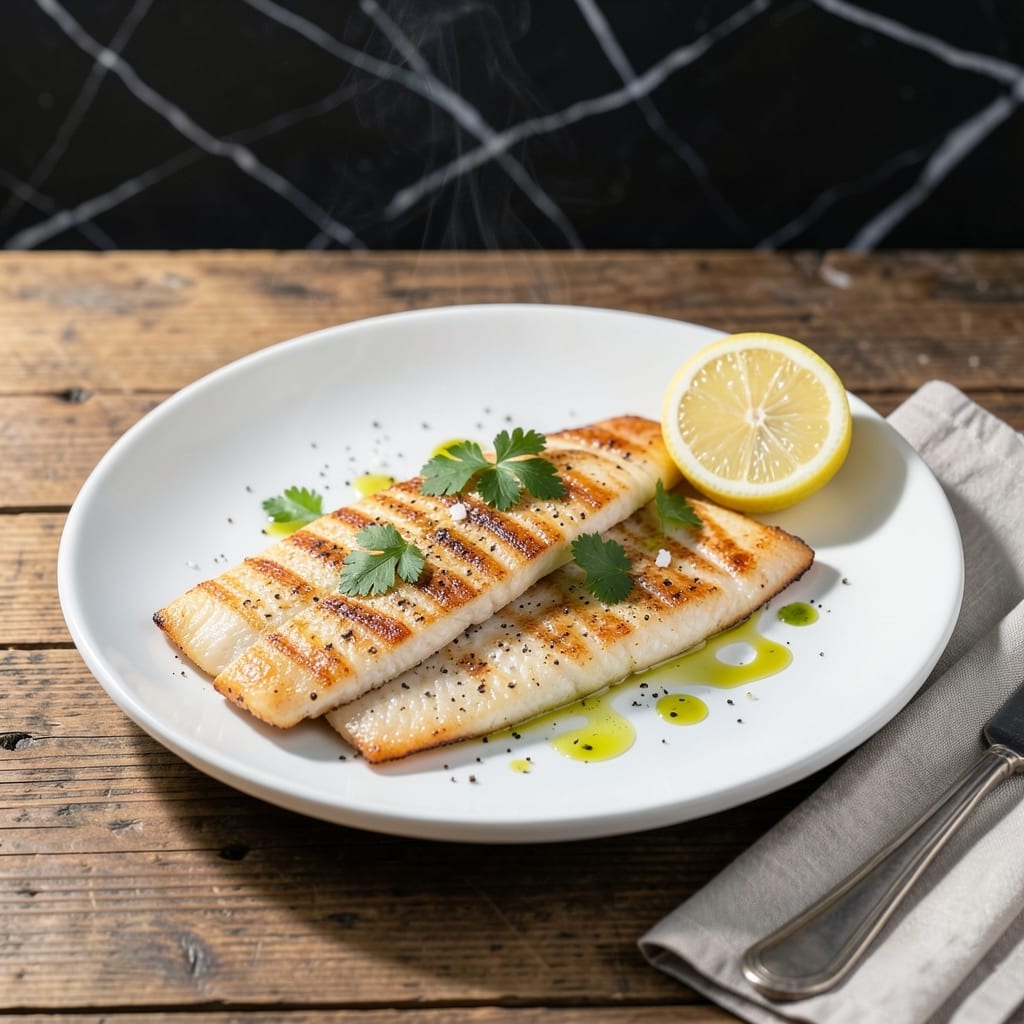
I’ve perfected this delicate flounder preparation through years of testing, and the results speak for themselves. The key lies in a light, lemon-butter sauce that enhances the fish without overpowering it.
The technique is simple but precise: a quick dredge in flour, a brief sear, and a finish in the bright, tangy sauce. This method ensures the flounder stays tender and moist while developing a golden crust.
What you’ll get is a dish that feels restaurant-worthy but comes together in under 30 minutes. The sauce clings perfectly to each flaky bite, balancing richness with acidity.
Serve it with steamed asparagus or a crisp salad for a complete, elegant meal.
Ingredients for Recipe for Flounder Francese
Delicate flounder and bright lemon-butter sauce come together for restaurant-worthy elegance in minutes.
| Ingredient | Amount | Notes |
|---|---|---|
| Flounder Fillets 🐟 | 1 ½ lb | Fresh, skinless, about 1/2-inch thick |
| All-Purpose Flour 🌾 | ½ cup | For light dredging |
| Kosher Salt 🧂 | 1 tsp | Diamond Crystal preferred |
| Freshly Ground Black Pepper 🌶️ | ½ tsp | Coarse grind ideal |
| Unsalted Butter 🧈 | 6 tbsp | Divided for cooking and sauce |
| Extra-Virgin Olive Oil 🫒 | 2 tbsp | For searing fillets |
| Garlic Cloves 🧄 | 3 cloves | Minced finely |
| Dry White Wine 🍷 | ½ cup | Sauvignon Blanc or Pinot Grigio |
| Fresh Lemon Juice 🍋 | ¼ cup | About 2-3 lemons |
| Lemon Zest 🍋 | 1 tbsp | From 1-2 lemons |
| Fresh Flat-Leaf Parsley 🌿 | 2 tbsp | Chopped for garnish |
| Chicken Stock 🥣 | ¼ cup | Low-sodium preferred |
| Capers 🫒 | 1 tbsp | Drained, optional for briny kick |
The flounder must be fresh—look for fillets that are moist, translucent, and smell of the ocean (not fishy). Whole Foods or a trusted fishmonger are ideal sources. Ask for skinless fillets about 1/2-inch thick for even cooking. The butter matters too—European-style has higher fat content, which browns beautifully without burning.
No white wine? Substitute with additional chicken stock and 1 tbsp lemon juice. Out of fresh parsley? Dried works at one-third the amount, though it lacks the bright pop. For a richer sauce, swap 2 tbsp butter for heavy cream at the end. The capers are optional but add a lovely briny contrast—find them near the olives at most Kroger locations.
This dish is best served immediately, but leftovers (if any) keep for 1-2 days in the fridge. Reheat gently in a skillet with a splash of water to prevent drying. The sauce may separate slightly—just whisk it back together over low heat.
Why You’ll Love This Recipe
- 20-Minute Meal: I can get this from fillet to plate faster than it takes to watch an episode of my favorite show.
- Buttery Perfection: That crispy flour crust with the rich butter sauce is what keeps me coming back.
- Date Night Ready: Honestly, it feels fancy enough for company but I make it just for us on a regular Tuesday.
- Budget-Friendly Luxury: Flounder fillets stretch further than you’d think, and the pantry staples keep the cost low.
Step-by-Step Instructions for Flounder Francese
Master this refined technique for delicate, buttery fillets with a bright lemon-wine sauce.
Step 1: Prepare and Dredge the Flounder Fillets
Pat the 1.5 lb Flounder Fillets completely dry with paper towels to ensure a crisp, golden crust. Season both sides evenly with the 1 tsp Kosher Salt and 0.5 tsp Freshly Ground Black Pepper. This step is crucial—moisture prevents proper browning.
Dredge each fillet lightly in the 0.5 cup All-Purpose Flour, shaking off any excess. The flour creates a delicate barrier that protects the fish during cooking while contributing to the sauce’s silky texture. Set the dredged fillets aside on a clean plate while you heat the pan.
Step 2: Sear the Fillets to Golden Perfection
Heat the 2 tbsp Extra-Virgin Olive Oil and 2 tbsp Unsalted Butter in a large skillet over medium-high heat until the butter foams but doesn’t brown. Add the flounder fillets in a single layer, ensuring they don’t overlap. Cook for 2-3 minutes per side until the edges are light golden brown and the fish releases easily from the pan.
The fillets are done when they flake gently with a fork and the flesh turns opaque. Transfer them to a warm plate and tent loosely with foil to keep them warm while you prepare the sauce. The residual heat will allow them to finish cooking gently.
Step 3: Build the Lemon-Butter-Wine Sauce
In the same skillet, reduce the heat to medium and add the minced 3 cloves Garlic Cloves. Sauté for 30 seconds until fragrant but not browned. Pour in the 0.5 cup Dry White Wine and 0.25 cup Chicken Stock, scraping up any browned bits from the bottom of the pan to incorporate their flavor.
Simmer for 2-3 minutes until the liquid reduces by half. Stir in the remaining 4 tbsp Unsalted Butter, the 0.25 cup Fresh Lemon Juice, and the 1 tbsp Lemon Zest. Whisk until the butter melts and the sauce emulsifies into a glossy, velvety consistency. Taste and adjust seasoning if needed.
Step 4: Finish and Garnish with Fresh Herbs
Return the flounder fillets to the skillet, spooning the sauce over them to coat evenly. Simmer for 1 minute to allow the flavors to meld and the fish to absorb the sauce’s brightness. The sauce should cling lightly to the fillets without overwhelming their delicate texture.
Transfer the fillets to serving plates and drizzle with any remaining sauce. Garnish with the 2 tbsp Fresh Flat-Leaf Parsley and, if using, the 1 tbsp Capers for a briny contrast. Serve immediately while the sauce is still warm and the fish is at its peak tenderness.
Pro Tips For Making Recipe For Flounder Francese
- Pat Fillets Dry: I learned this the hard way—skip the paper towel and your flounder will steam instead of sear. Press between two sheets of paper towel for 30 seconds to guarantee a crisp coating.
- Heat the Butter: After burning three batches, I finally figured out that butter should foam but not brown before adding the flounder. Medium-high heat, about 350°F, is the sweet spot.
- Season the Flour: Mix 1 teaspoon kosher salt and ½ teaspoon black pepper into the flour before dredging. Sounds weird, but it works: every bite gets seasoned, not just the surface.
- Use Clarified Butter: I was skeptical until I tried it—clarified butter has a higher smoke point than regular, so it won’t burn as easily when frying the delicate flounder.
Health Benefits of recipe for flounder francese
Low-Calorie Protein
Flounder is a lean protein powerhouse, with each 6-ounce serving providing about 20 grams of protein while keeping calories under 150. This makes it ideal for weight management without sacrificing nutrition. I love how satisfying it feels despite being light. 💪
Heart-Healthy Omega-3s
This fish delivers omega-3 fatty acids that support cardiovascular health and reduce inflammation. A serving provides about 500mg of these essential fats, contributing to your weekly needs. The lemon-butter sauce enhances absorption of these beneficial nutrients.
Rich in Vitamins
Flounder is packed with vitamin B12 and selenium, supporting nerve function and antioxidant protection. The fresh lemon juice adds a boost of vitamin C, which aids iron absorption and immune health. Together, they create a nutrient-dense meal.
Low in Saturated Fat
Unlike heavier proteins, flounder contains minimal saturated fat—less than 1 gram per serving. This makes it an excellent choice for heart health. The cooking method here preserves this benefit by using just enough butter for flavor without excess. ✨
Bone Health Support
The dish provides phosphorus and calcium from the flounder, both crucial for maintaining strong bones. The white wine in the sauce may also contribute small amounts of bone-supporting minerals like magnesium.
Easy to Digest
Flounder’s delicate texture makes it gentle on the digestive system. The light dredging in flour and quick cooking process preserve its natural tenderness, making it suitable for those with sensitive stomachs or recovering from illness.
Nutrition Facts
Frequently Asked Questions
Can I use a different type of fish?
Yes! Sole or tilapia work well as they have a similar mild flavor and delicate texture. Just ensure fillets are about 1/2-inch thick for even cooking.
Why does my sauce separate?
This happens if the heat is too high. Remove from heat and whisk vigorously to re-emulsify. Adding a splash of cold water can help bring it back together.
How do I know when the flounder is done?
The fish is ready when it flakes easily with a fork and turns opaque. This typically takes 2-3 minutes per side over medium-high heat.
Can I make this ahead of time?
It’s best served fresh, but you can prep the sauce and fillets separately. Cook the fish just before serving to maintain its tender texture.

- 6 Egg Cake Recipe with Oil: Light as Air With Buttery Moisture - October 4, 2026
- 4 Bean Casserole Recipe: One-Pan Heartiness With Smoky Paprika Depth - October 4, 2026
- 3-Ingredient Keto Mug Cake Recipe: Microwave Magic in 2 Minutes - October 4, 2026