
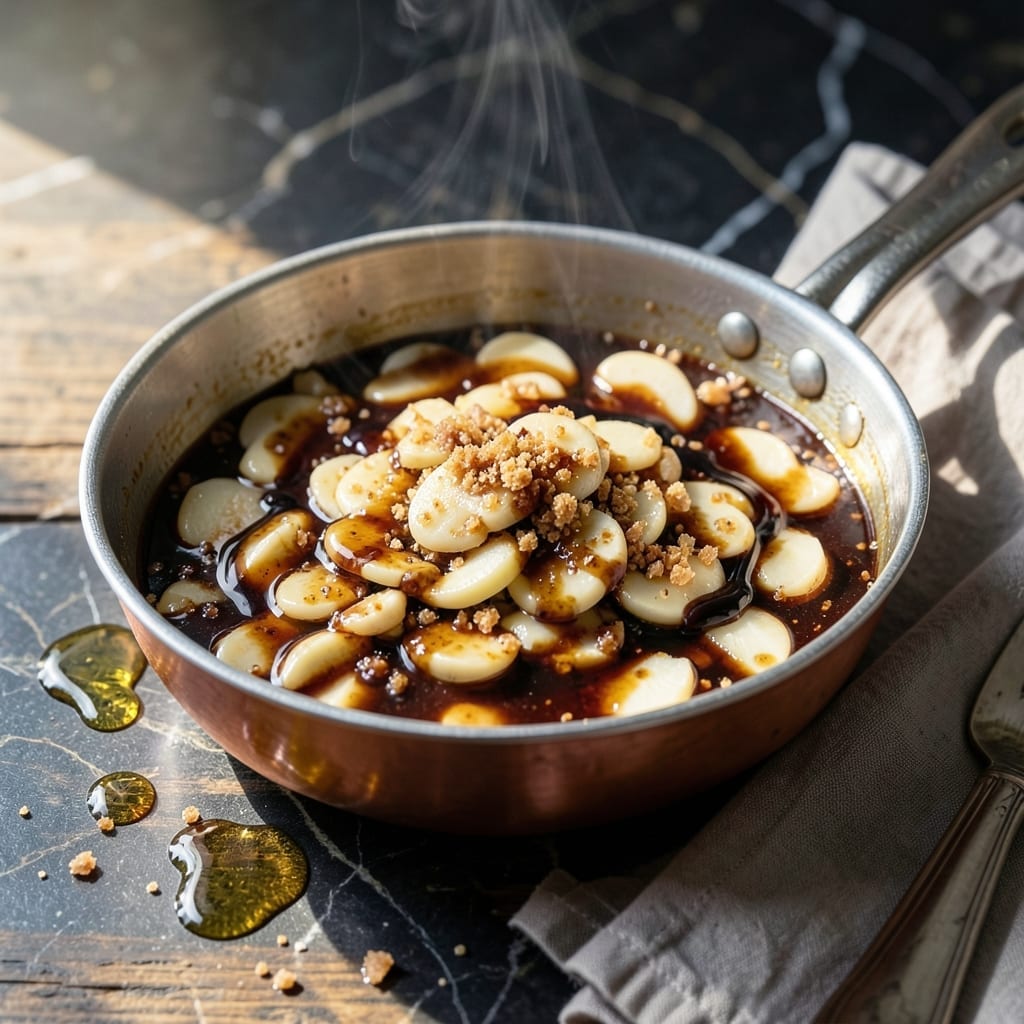
This teriyaki marinade transforms ordinary proteins into restaurant-quality dishes with its perfect balance of sweet and savory flavors. The combination of soy sauce, brown sugar, and fresh ginger creates a versatile glaze that works beautifully on chicken, beef, or tofu.
I developed this recipe to deliver consistent results every time, whether you’re grilling, broiling, or baking. The key is allowing the ingredients to meld together, which enhances the depth of flavor in the final dish.
What makes this marinade special is its ability to caramelize during cooking, creating a glossy, sticky coating that locks in moisture. It’s simple to prepare with pantry staples and requires no special equipment.
Use it for quick weeknight dinners or meal prep for the week ahead. This marinade stores well, so you can always have it on hand.
Ingredients for Recipe for Teriyaki Marinade
Nine pantry staples create this glossy, caramelized teriyaki glaze for any protein.
| Ingredient | Amount | Notes |
|---|---|---|
| Soy Sauce 🥢 | ¾ cup | Low-sodium for control |
| Brown Sugar 🍚 | ½ cup | Packed, light or dark |
| Fresh Ginger 🌿 | 2 tbsp | Peeled and grated |
| Garlic Cloves 🧄 | 4 cloves | Minced finely |
| Rice Vinegar 🍶 | ¼ cup | Unseasoned variety |
| Maple Syrup 🍁 | ¼ cup | Vegan sweetener alternative |
| Sesame Oil 🫒 | 1 tbsp | Toasted for depth |
| Water 💧 | ¼ cup | To thin consistency |
| Cornstarch 🌾 | 1 tbsp | Slurry for thickening |
| Red Pepper Flakes 🌶️ | ½ tsp | Optional for heat |
Soy sauce is the backbone here. Kikkoman or San-J are my go-tos—both have clean flavor without weird additives. The ginger needs to be fresh (those jars of minced ginger just don’t cut it). I grab mine from Whole Foods or any Asian market—looks for firm, smooth roots. Brown sugar adds molasses depth, but coconut sugar works if you want less processed sweetener.
Maple syrup swaps in for honey to keep it vegan (and honestly, one-third the amount of agave works too). No rice vinegar? Apple cider vinegar in a pinch. The sesame oil is non-negotiable though—it brings that toasty aroma. Trader Joe’s has great prices on the toasts variety. For the slurry, cornstarch is standard, but arrowroot works at the same ratio.
This keeps 1 week in the fridge, 3 months frozen. Let it cool completely before storing—hot marinade turns your fridge into a science experiment (don’t ask). Shake well before using since things settle.
Why You’ll Love This Recipe
- Five Minute Mix: I toss the soy sauce, brown sugar, ginger, garlic, and rice vinegar in a bowl and it’s ready before the grill heats up.
- Sweet-Savory Balance: The brown sugar caramelizes against the soy and garlic, giving that sticky, umami-packed glaze I crave on chicken or tofu.
- Meal Prep Hero: I batch it Sunday, marinate proteins overnight, and dinner’s half-done for the whole week.
- Pantry Stretch: All five ingredients live in my cupboard, so I never have to run to the store for last-minute flavor.
Step-by-Step Instructions for Teriyaki Marinade
Here’s how I make this glossy, flavor-packed marinade that transforms grilled meats and veggies.
Step 1: Bloom the Aromatics in Oil
Heat a small saucepan over medium heat and add the 1 tbsp Sesame Oil. Once it shimmers, stir in the 2 tbsp Fresh Ginger and 4 cloves Garlic Cloves. Cook for 1-2 minutes until the mixture becomes fragrant and the garlic turns light golden.
This step wakes up the flavors in the ginger and garlic, ensuring they infuse the marinade with their full potential. Watch closely to avoid burning—you want sizzling, not smoking. The sesame oil adds a nutty depth that defines teriyaki’s signature taste.
Step 2: Combine the Sweet and Tangy Liquids
Pour in the 0.75 cup Soy Sauce, 0.5 cup Brown Sugar, 0.25 cup Rice Vinegar, and 0.25 cup Maple Syrup. Stir well until the brown sugar fully dissolves—this should take 2-3 minutes over medium heat.
The soy sauce brings the umami base, while the brown sugar and maple syrup create that sticky sweetness teriyaki is known for. The rice vinegar adds a subtle tang that balances the richness. You’ll see the mixture start to bubble gently at the edges—this means it’s ready for the next step.
Step 3: Create and Add the Slurry
In a small bowl, whisk together the 0.25 cup Water and 1 tbsp Cornstarch until smooth. Slowly pour this slurry into the saucepan while stirring constantly. This prevents clumping and ensures a silky-smooth texture.
The cornstarch slurry will thicken the marinade into a glossy glaze that clings beautifully to your food. Keep stirring for 1-2 minutes until the mixture reaches a syrup-like consistency—thick enough to coat the back of a spoon but still pourable.
Step 4: Finish with Heat and Cool
Remove the saucepan from heat and stir in the 0.5 tsp Red Pepper Flakes if using. Let the marinade cool to room temperature—this takes about 15-20 minutes. The residual heat will mellow the flavors together perfectly.
As it cools, the marinade will thicken slightly more. Taste and adjust if needed, though the balance of sweet, salty, and tangy should be spot-on. Once cooled, use it immediately or store in an airtight container in the fridge for up to 1 week. The flavors deepen over time, making it even better the next day.
Pro Tips For Making Recipe For Teriyaki Marinade
- Simmer, Don’t Boil: Heat the marinade on medium-low until the brown sugar dissolves, but resist the urge to crank it up—boiling makes the sugar crystallize and the soy sauce turn bitter.
- Grate the Ginger: Fresh ginger is non-negotiable here, but grating it (instead of mincing) releases more juice and blends smoothly into the marinade without fibrous bits.
- Skip the Substitutes: I learned this the hard way—using powdered ginger or garlic just doesn’t cut it; the marinade tastes flat without the bright, sharp notes of fresh.
- Bloom the Aromatics: Sauté the garlic and ginger in a little oil for 30 seconds before adding liquids—it deepens their flavor and makes the marinade taste richer, even if it dirties one extra pan.
Flavor Customization for recipe for teriyaki marinade
Add More Heat
For a spicier kick, increase the red pepper flakes to 1 tsp or add 1 tsp sriracha to the finished marinade. I love this version with grilled chicken thighs—the extra heat balances the sweetness beautifully.
Citrus Twist
Stir in 1 tbsp orange zest and 2 tbsp fresh lime juice at the end for a bright, citrusy dimension. This works especially well with shrimp or salmon, adding a refreshing contrast to the rich teriyaki base. 🌟
Umami Boost
Deepens the savory profile by adding 1 tbsp fish sauce or 1 tbsp miso paste while simmering. Fish sauce enhances the soy without overpowering, while miso adds a velvety texture.
Smoky Depth
Replace 1 tbsp soy sauce with 1 tbsp liquid smoke for a barbecue-inspired flavor. This works wonderfully for beef skewers or tofu, giving it that smoky char without firing up the grill.
Herbal Notes
Add 1 tbsp fresh cilantro or 1 tbsp chopped scallions to the finished marinade for a fresh, green element. These herbs add a vibrant finish that pairs well with any protein. 💡
Reduced Sugar
Cut the brown sugar in half and add 2 tbsp honey or 2 tbsp agave syrup for a lighter sweetness. This adjustment keeps the caramelization but reduces the overall sugar content.
Nutrition Facts
Frequently Asked Questions
How long should I marinate meat?
For best results, marinate chicken or beef for 4-12 hours. Tofu absorbs flavors faster—2-4 hours is ideal. Never exceed 24 hours as the acidity can start breaking down the protein.
Can I use this as a sauce instead of a marinade?
Simmer the mixture for 3-4 minutes after adding the slurry to thicken it into a glaze. Brush it on during the last 5 minutes of cooking for a glossy finish.
What’s the best way to store leftovers?
Keep in an airtight container in the fridge for up to 1 week. For longer storage, freeze in ice cube trays for 3 months. Thaw overnight in the refrigerator before using.
Is there a substitute for rice vinegar?
Apple cider vinegar works in a pinch, but use slightly less as it’s stronger. Lemon juice can also work, though it adds a different brightness to the flavor.

- 6 Egg Cake Recipe with Oil: Light as Air With Buttery Moisture - October 4, 2026
- 4 Bean Casserole Recipe: One-Pan Heartiness With Smoky Paprika Depth - October 4, 2026
- 3-Ingredient Keto Mug Cake Recipe: Microwave Magic in 2 Minutes - October 4, 2026