
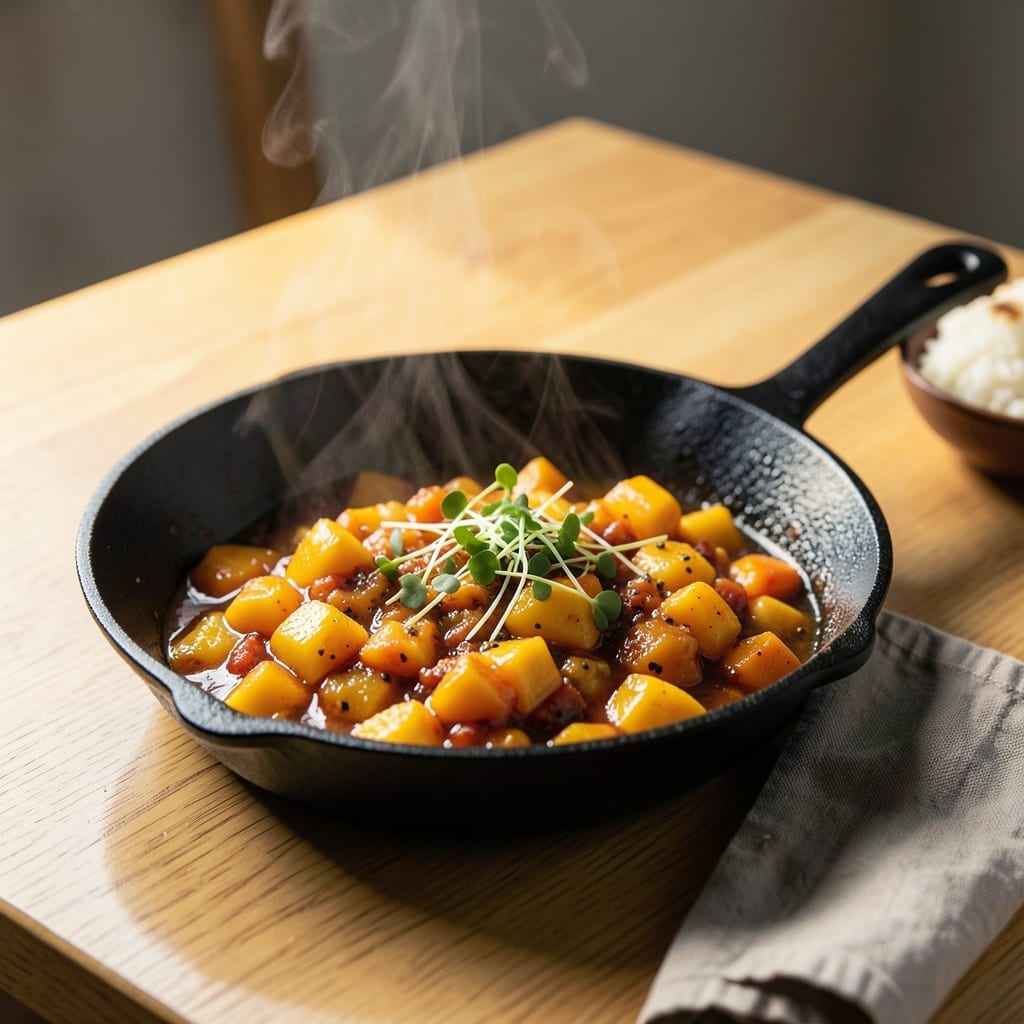
This tangy mango pickle delivers bold Indian flavors with a mustard oil base that preserves its vibrant taste. The balance of sweet, spicy, and sour makes it irresistible.
Perfect for elevating rice, curries, or sandwiches, this preserve keeps well for months in a cool, dark place. The process is straightforward but rewarding.
Ingredients for Recipe to Make Mango Pickle
Ten vibrant ingredients create this bold, tangy preserve with mustard oil richness and spice.
| Ingredient | Amount | Notes |
|---|---|---|
| Raw Green Mangoes 🥭 | 4 whole | Firm, unripe, peeled and cubed |
| Mustard Oil 🫒 | 1 cup | Cold-pressed for authentic flavor |
| Mustard Seeds 🌿 | 2 tbsp | Black or yellow variety |
| Fenugreek Seeds 🌿 | 1 tsp | Lightly crushed for aroma |
| Turmeric Powder 🌶️ | 1 ½ tbsp | For vibrant color and earthiness |
| Red Chili Powder 🌶️ | 2 tbsp | Adjust for heat preference |
| Asafoetida 🥄 | ¼ tsp | Hing, essential for depth |
| Salt 🧂 | 2 tbsp | Non-iodized preferred for pickling |
| Sugar 🍚 | ½ cup | Balances acidity and spice |
| Vinegar 🍶 | ¼ cup | White or apple cider variety |
The mustard oil is non-negotiable for authentic flavor—look for cold-pressed at Indian grocery stores like Patel Brothers or online at Bazaar of India. Green mangoes must be unripe and firm; Alphonso or Totapuri varieties work best. Asafoetida (hing) is the secret umami element—find it in the spice aisle of any South Asian market. Turmeric should be fresh and aromatic, not dull and old.
No green mangoes? Slightly underripe regular mangoes can work in a pinch (skip the sugar if using sweeter fruit). Swap mustard oil for coconut oil if unavailable, but the flavor profile changes. Red chili powder can be substituted with cayenne for more heat. For a milder version, reduce chili powder by half and add more turmeric for color.
Store in a sterilized glass jar in a cool, dark place for up to 6 months. The flavors deepen over time—wait at least 2 weeks before eating for best results. Always use a clean, dry spoon to prevent spoilage.
Why You’ll Love This Recipe
- No Cooking Needed: I just chop the raw mangoes, mix with mustard oil and spices, and let it sit. No stove time at all.
- Tangy Spice Burst: The fenugreek and mustard seeds give it that sharp, tangy kick that’s impossible to resist.
- Pantry Staple: Honestly, this lasts for weeks in the fridge, so I always have some ready for curries, sandwiches, or just a snack.
- Budget Friendly: A kilo of green mangoes costs pennies, and the spices stretch across multiple batches.
Step-by-Step Instructions for Mango Pickle
This traditional method ensures a perfect balance of tangy, spicy, and aromatic flavors in every bite.
Step 1: Prepare the Raw Green Mangoes
Begin by thoroughly washing the 4 whole raw green mangoes under running water to remove any dirt or residue. Pat them completely dry with a clean kitchen towel. Using a sharp knife, peel the mangoes carefully, ensuring all green skin is removed while preserving as much flesh as possible.
Cut the peeled mangoes into 1-inch cubes, discarding the central seed. The cubes should be uniform in size to ensure even pickling. Place the cubed mangoes in a large mixing bowl. This preparation step is crucial—firm, unripe mangoes provide the ideal texture and tartness for pickling.
Step 2: Heat and Temper the Mustard Oil
Pour the 1 cup mustard oil into a heavy-bottomed saucepan and heat over medium heat until it reaches its smoking point. This process removes the raw pungency of the oil, making it suitable for pickling. You’ll notice the oil becomes slightly thinner and develops a mild, nutty aroma.
Once smoking, remove the saucepan from heat and let the oil cool for 5-7 minutes until it is warm but not scalding. Hot oil can cook the spices instead of infusing them, so this cooling step is essential for achieving the right flavor profile.
Step 3: Toast the Whole Spices
In a dry skillet over medium-low heat, add the 2 tbsp mustard seeds and 1 tsp fenugreek seeds. Toast the seeds for 2-3 minutes, stirring frequently, until the mustard seeds begin to pop and the fenugreek seeds turn a shade darker. The aroma should be fragrant and warm.
Immediately transfer the toasted seeds to the bowl of cubed raw green mangoes. Add the 0.25 tsp asafoetida to the warm oil, swirling to dissolve. This step ensures the spices are evenly distributed and their flavors are fully activated before mixing.
Step 4: Combine All Ingredients
Pour the warm mustard oil (now infused with asafoetida) over the mangoes and toasted seeds. Add the 1.5 tbsp turmeric powder, 2 tbsp red chili powder, 2 tbsp salt, 0.5 cup sugar, and 0.25 cup vinegar to the bowl. The turmeric will lend a vibrant golden hue, while the vinegar provides the necessary acidity.
Mix everything thoroughly with a clean, dry spoon, ensuring the mango cubes are fully coated with the oil and spices. The mixture should look glossy and uniformly colored, with no dry patches remaining.
Step 5: Ferment and Store
Transfer the mixed ingredients into a clean, dry, airtight glass jar. Press down gently to remove any air pockets and ensure all mango cubes are submerged in the liquid. Seal the jar tightly.
Store the jar in a cool, dark place for at least 3-4 days before consuming to allow the flavors to meld. For best results, let it mature for 2 weeks. The pickle will develop a deeper, more complex flavor over time. Once opened, refrigerate and use within 3 months.
Pro Tips For Making Recipe To Make Mango Pickle
- Dry the Mangoes: Pat the raw green mango pieces completely dry before adding them to the oil—I learned this the hard way after my first batch turned out watery instead of crisp.
- Heat the Oil: Let the mustard oil reach smoking point, then cool it slightly before adding seeds. Sounds weird, but it works: this removes the raw bitterness without burning the spices.
- Crush the Seeds: Lightly crush the mustard and fenugreek seeds before tempering to release their full flavor—my grandmother swore by this, and she was right.
- Skip the Water: Resist the urge to add water for quick cooking; it dilutes the pickle and shortens its shelf life. The mangoes will soften in the oil over time.
Serving Suggestions for This recipe to make mango pickle
Plating Styles 🍽️
Mango pickle can be presented in various ways depending on the occasion. For a casual setting, serve it in a small ceramic bowl or earthen pot for a rustic feel. For formal gatherings, arrange it in a sleek glass dish with a silver spoon for an elegant touch. At a buffet, offer small portions in individual ramekins for easy serving.
Garnishing Techniques ✨
Enhance the visual appeal of your mango pickle with simple yet effective garnishes. Sprinkle fresh cilantro or curry leaves on top for a pop of green. A drizzle of mustard oil can add shine and depth. For a festive look, add thin lemon slices or a pinch of red chili powder for contrast.
Portion Sizes
Serve mango pickle in individual portions (about 1-2 tablespoons) as a condiment alongside meals like rice, roti, or curries. For family-style dining, place a larger bowl in the center of the table, allowing everyone to serve themselves. Adjust quantities based on the meal’s size and accompanying dishes.
Serving Temperature ⏰
Mango pickle is best enjoyed at room temperature, allowing the flavors to fully develop. If stored in the fridge, let it sit for 10-15 minutes before serving. For the best texture, avoid heating the pickle, as it may soften the mango pieces.
Nutrition Facts

- 6 Egg Cake Recipe with Oil: Light as Air With Buttery Moisture - October 4, 2026
- 4 Bean Casserole Recipe: One-Pan Heartiness With Smoky Paprika Depth - October 4, 2026
- 3-Ingredient Keto Mug Cake Recipe: Microwave Magic in 2 Minutes - October 4, 2026