
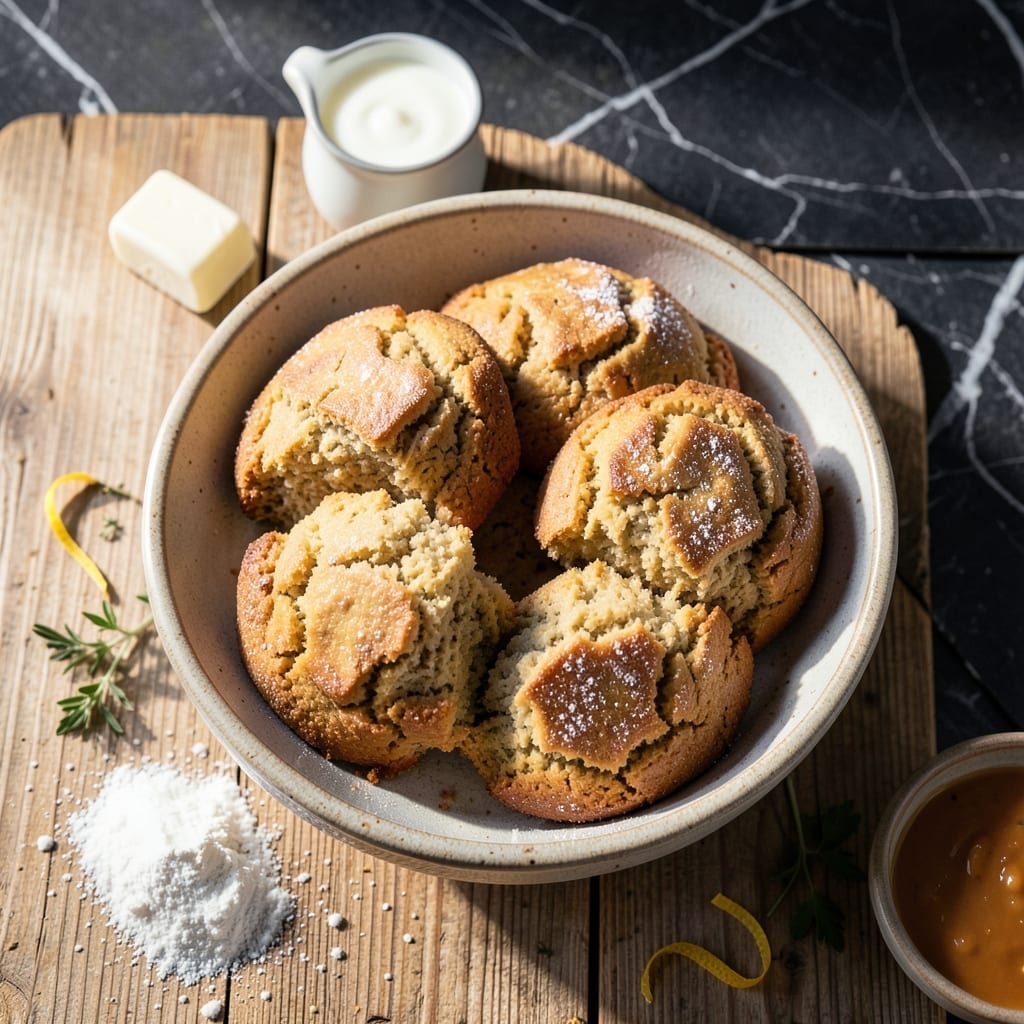
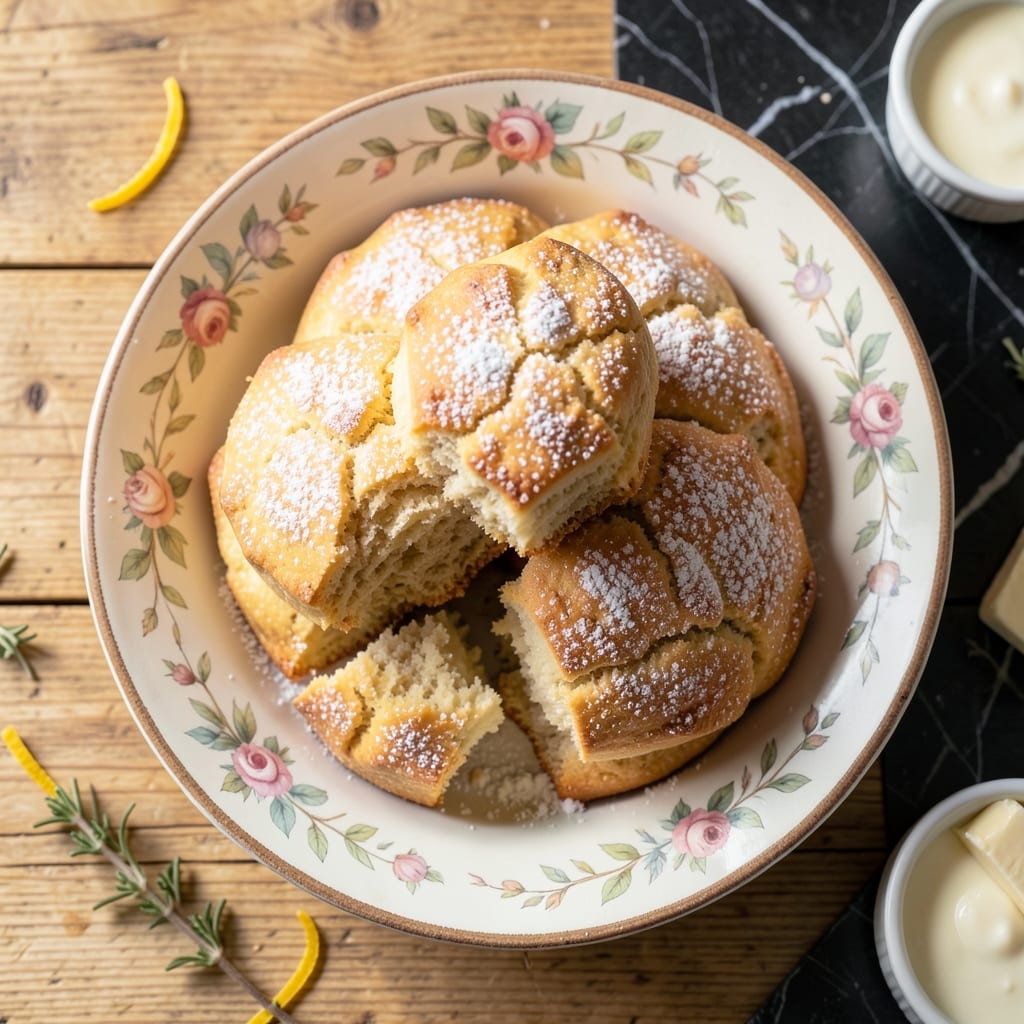
These scones prove that exceptional baking doesn’t require complicated recipes. With just 4 ingredients and minimal effort, you’ll achieve a buttery, crumbly texture that rivals any bakery.
The simplicity of this method ensures foolproof results every time. No fancy techniques—just mix, shape, and bake for a delightful treat that’s ready in under an hour.
Ingredients for Scones Recipe Easy 4 Ingredient
Four humble ingredients transform into bakery-style scones with minimal effort and maximum flavor.
| Ingredient | Amount | Notes |
|---|---|---|
| All-Purpose Flour 🌾 | 2 cups | Plus extra for dusting |
| Heavy Cream 🥛 | 1 cup | Cold, full-fat preferred |
| Granulated Sugar 🍚 | ¼ cup | Adjust to taste preference |
| Unsalted Butter 🧈 | ½ cup | Chilled, cubed for flaking |
The butter must be ice-cold for proper layering—cut it into small cubes and chill until ready to use. King Arthur Flour is my go-to for consistent results, but any all-purpose brand works. Heavy cream is non-negotiable here; its fat content creates that signature crumb. Organic Valley or local dairy brands often have the best texture. Measure your flour by spooning into the cup, not scooping directly from the bag.
No heavy cream? Whole milk with a splash of melted butter gets you close, but the texture won’t be as rich. For a slightly sweeter scone, increase sugar to one-third cup. The dough will seem dry at first—don’t overwork it. If you’re out of all-purpose flour, cake flour plus an extra tablespoon works in a pinch (though the structure will be slightly different).
Scones are best the day they’re made but keep 2-3 days in an airtight container. Reheat at 300°F for 5-10 minutes to restore freshness. The dough can be frozen for up to 1 month—just thaw before shaping. Always use parchment paper for baking to prevent sticking.
Why You’ll Love This Recipe
- No-Fuss Mixing: I just dump flour, sugar, cream, and butter together—no fancy steps or stand mixer required.
- Buttery Heaven: The heavy cream and butter make these scones rich and tender, with that perfect crumbly edge.
- Ready in 20: From mixing to baking, these are done faster than my coffee gets cold.
- Budget Baking: Four basic ingredients I always have on hand, so no last-minute grocery runs.
Step-by-Step Instructions for Easy 4-Ingredient Scones
This straightforward method guarantees tender, buttery scones with minimal effort and maximum flavor.
Step 1: Prep the Dry Ingredients
In a large mixing bowl, whisk together the 2 cups All-Purpose Flour and 0.25 cup Granulated Sugar until evenly combined. I always sift my flour first to prevent lumps and ensure a light texture in the final product.
Make a well in the center of the dry mixture—this creates a perfect space to incorporate the wet ingredients evenly. The sugar adds just enough sweetness to balance the richness of the other components without overpowering them.
Step 2: Cut in the Cold Butter
Add the 0.5 cup Unsalted Butter (chilled and cubed) to the flour mixture. Using a pastry cutter or two forks, work the butter into the flour until the mixture resembles coarse crumbs with pea-sized butter pieces visible throughout.
This step is crucial for creating those flaky layers scones are known for. The cold butter creates steam during baking, which lifts the dough and creates that coveted crumb structure. Don’t overwork it—visible butter flakes are what you want.
Step 3: Incorporate the Heavy Cream
Pour the 1 cup Heavy Cream (cold, full-fat preferred) into the well you created earlier. Using a wooden spoon or spatula, gently stir the mixture until it just comes together into a shaggy dough. The cream adds richness and moisture while keeping the process simple.
Be careful not to overmix. As soon as the dry ingredients are moistened and the dough begins to form, stop stirring. Overworking the dough will develop too much gluten, resulting in tough scones instead of tender ones.
Step 4: Shape and Cut the Dough
Turn the dough out onto a lightly floured surface and gently pat it into a 1-inch thick circle. Use a floured knife or bench scraper to cut the circle into 8 equal wedges—this is the easiest way to portion without extra tools.
For even baking, try to make all wedges roughly the same size. If the dough feels sticky, dust your hands and the surface with a bit more flour, but avoid adding too much as it can make the scones dry.
Step 5: Bake to Golden Perfection
Preheat your oven to 400°F. Transfer the scones to a parchment-lined baking sheet, spacing them about 2 inches apart. Bake for 15-18 minutes until the edges are light golden brown and the tops are just beginning to color.
Don’t wait for deep browning—scones continue to cook slightly as they cool. Remove them from the oven and let them rest on the baking sheet for 5 minutes before transferring to a wire rack. Serve warm for the best texture and flavor.
Pro Tips For Making Scones Recipe Easy 4 Ingredient
- Chill the Butter: Cut your unsalted butter into small cubes and freeze for 15 minutes before mixing—I learned this the hard way after my first few batches spread into flat, sad pancakes.
- Use Cold Heavy Cream: Straight from the fridge, about 35°F, keeps the dough from getting sticky and guarantees that flaky texture you’re after.
- Don’t Overwork Dough: Mix just until the flour is dampened, even if it looks shaggy—after burning three batches, I finally figured out that overmixing makes them tough.
- Bake Hot and Fast: Crank the oven to 425°F and bake for 12-15 minutes; the high heat makes the butter steam quickly for that perfect rise.
Troubleshooting scones recipe easy 4 ingredient
🔥 Too Dry or Tough?
Overworking the dough or using too much flour can make scones dense. Handling it too long develops gluten, leading to a tough texture.
Quick Fix: Mix just until combined, and avoid adding extra flour unless absolutely necessary.
🥘 Flat Scones?
If your scones spread instead of rising, your baking powder may be expired or the dough was too wet. Scones need lift to hold their shape.
Quick Fix: Use fresh baking powder and ensure the dough is firm enough to hold its form before baking.
⏰ Uneven Baking?
Uneven oven heat or improper spacing can cause some scones to brown too quickly while others stay pale. Hot spots are common in many ovens.
Quick Fix: Rotate the baking sheet halfway through and space scones evenly for consistent heat circulation.
🍳 Crumbly Texture?
Too much fat or not enough liquid can make scones fall apart. The dough needs just the right balance to hold together.
Quick Fix: Add a splash of milk or cream if the dough feels too dry, and avoid overmixing to maintain structure.
Nutrition Facts

- 6 Egg Cake Recipe with Oil: Light as Air With Buttery Moisture - October 4, 2026
- 4 Bean Casserole Recipe: One-Pan Heartiness With Smoky Paprika Depth - October 4, 2026
- 3-Ingredient Keto Mug Cake Recipe: Microwave Magic in 2 Minutes - October 4, 2026