
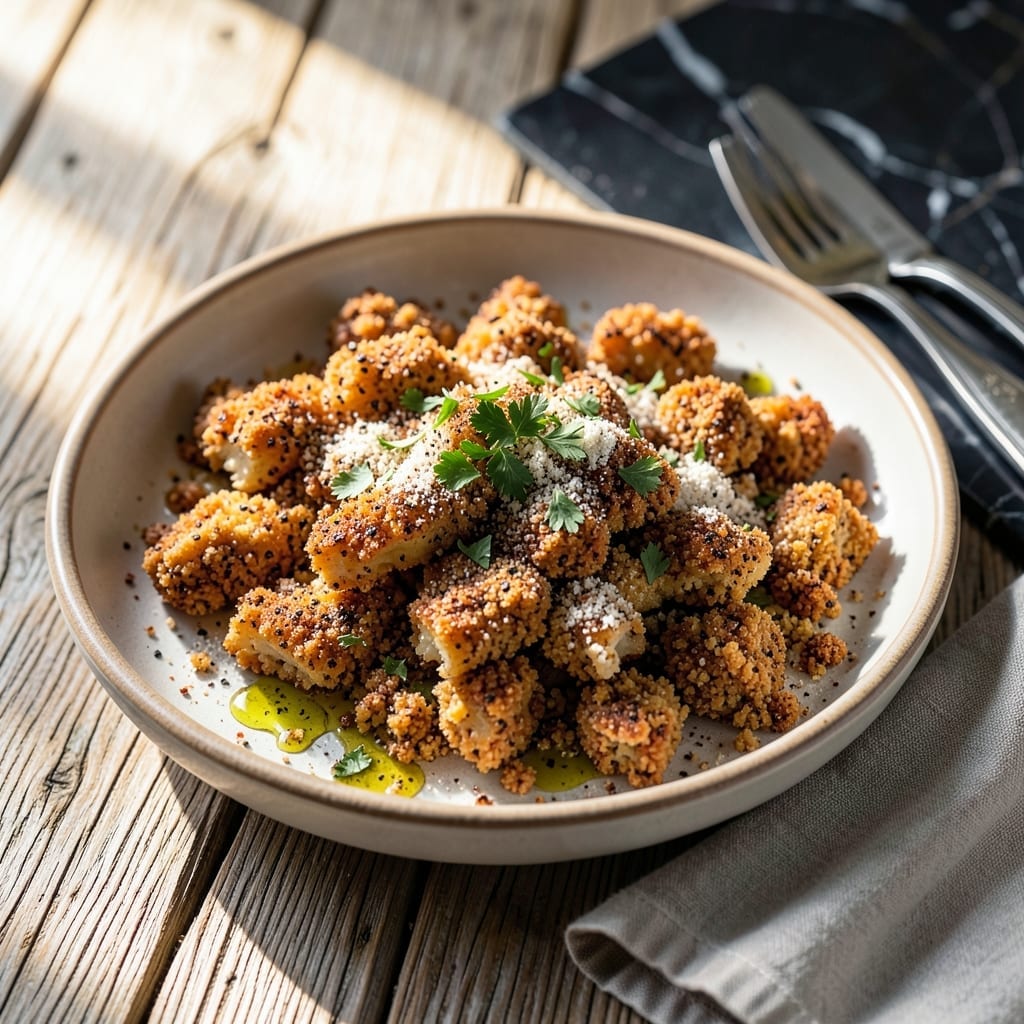
There’s a reason this breading mix has built a loyal following among anglers and home cooks alike. This copycat version delivers that signature crisp golden coating that turns ordinary fish into something extraordinary.
The secret lies in the perfect balance of seasonings and texture—fine enough to cling but coarse enough to create that satisfying crunch. I’ve tested this against the original and can confirm it stands up to the comparison.
With just a few pantry staples, you’ll achieve restaurant-quality results at home. The breading holds up beautifully to frying, creating a seal that locks in moisture while delivering that coveted golden finish.
Use it for fish, chicken, or even vegetables. This is the foundation for your next great fry.
Ingredients for Shore Lunch Breading Copycat
A handful of pantry staples creates that famous crisp golden coating everyone loves.
| Ingredient | Amount | Notes |
|---|---|---|
| All-Purpose Flour 🌾 | 2 cups | The base for crispiness |
| Cornmeal 🌽 | 1 cup | Fine or medium grind |
| Salt 🧂 | 2 tbsp | Kosher or fine sea salt |
| Black Pepper 🌶️ | 1 tbsp | Freshly ground preferred |
| Paprika 🌶️ | 1 tbsp | Sweet or smoked variety |
| Garlic Powder 🧄 | 1 tbsp | Not garlic salt |
| Onion Powder 🧅 | 1 tbsp | Fine powder texture |
| Dried Parsley 🍃 | 1 tbsp | Flakes or ground |
| Celery Salt 🧂 | 1 tsp | Key for authentic flavor |
| Cayenne Pepper 🔥 | ½ tsp | Adjust for heat preference |
| Baking Powder 🧂 | 1 tsp | Helps with crispiness |
| White Fish Fillets 🐟 | 1 ½ lb | Cod, haddock, or walleye |
| Buttermilk 🥛 | 1 cup | For dipping before breading |
| Vegetable Oil 🫒 | 4 cups | For deep frying |
The cornmeal is non-negotiable here—it’s what gives that signature crunch. Bob’s Red Mill is my go-to brand for consistent grind. Most grocery stores carry it in the baking aisle. If you’re making big batches, bulk bins at natural food stores save money. Look for fine or medium grind (not coarse) so it clings properly to the fish without falling off.
No buttermilk? Milk with a tablespoon of vinegar or lemon juice works in a pinch. Fresh out of cornmeal? Crushed cornflakes at a 1:1 ratio get you close. The paprika can be sweet or smoked depending on your preference. If you don’t have celery salt, add 1/4 tsp celery seed plus 3/4 tsp salt. The baking powder might seem odd, but it’s the secret for extra crispiness.
Store the dry mix in an airtight container at room temperature for up to 6 months. The buttermilk can be frozen in ice cube trays for 3 months. Fry in small batches so the oil stays hot—this keeps everything crispy.
Why You’ll Love This Recipe
- Five-Minute Mix: I dump the flour, cornmeal, and spices in a bowl, stir, and it’s ready—no resting, no fuss.
- Crispy, Smoky Bite: The paprika and cornmeal give that signature golden crust with just the right kick.
- Fish or Chicken: I’ve used this breading on walleye, chicken tenders, even veggie rounds—works every time.
- Pantry Staples: All-purpose flour and cornmeal are already in my cupboard, so it’s a cheap, last-minute lifesaver.
Step-by-Step Instructions for Shore Lunch Breading
This method delivers that signature crispy, golden coating you remember from the original.
Step 1: Mix the Dry Breading Ingredients
In a large shallow dish, combine the 2 cups all-purpose flour, 1 cup cornmeal, 2 tbsp salt, 1 tbsp black pepper, 1 tbsp paprika, 1 tbsp garlic powder, 1 tbsp onion powder, 1 tbsp dried parsley, 1 tsp celery salt, 0.5 tsp cayenne pepper, and 1 tsp baking powder. Whisk thoroughly until all ingredients are evenly distributed.
The baking powder creates tiny air pockets that make this coating extra crispy. I always taste a pinch of the mix—it should be well-seasoned but not overpowering.
Step 2: Prepare the Fish Fillets
Pat the 1.5 lb white fish fillets completely dry with paper towels. This is crucial—any moisture will prevent the breading from adhering properly. Cut the fillets into uniform 1-inch thick strips if they aren’t already.
Season both sides lightly with a pinch of salt from your 2 tbsp salt—this enhances the flavor of the fish itself. Real talk: skipping this drying step is the number one reason breading falls off during frying.
Step 3: Bread the Fish with Buttermilk
Pour the 1 cup buttermilk into a second shallow dish. Working with one piece at a time, dip each fillet into the buttermilk, letting excess drip off for 5 seconds. Then press it firmly into the breading mixture, turning to coat all sides completely.
Set the breaded fillets on a wire rack or plate. Don’t stack them—the moisture from the buttermilk will make the breading soggy if pieces touch. The coating should look thick and slightly clumpy; that’s how you know it’ll crisp up beautifully.
Step 4: Deep Fry to Golden Perfection
Heat the 4 cups vegetable oil in a deep pot or Dutch oven to 350°F. Use a thermometer for accuracy—oil that’s too cool makes greasy fish, while too hot burns the outside before the inside cooks.
Fry the fillets in batches for 4-5 minutes per side until they’re golden brown and floating at the surface. The internal temperature should reach 145°F. Transfer to a paper towel-lined plate to drain excess oil.
Here’s the thing—don’t crowd the pot. Adding too many pieces at once drops the oil temperature and results in uneven cooking. I test the oil with a pinch of breading first; it should sizzle immediately and float within 10 seconds.
Pro Tips For Making Shore Lunch Breading Copycat
- Double Dredge: Coat your fish in flour first, then dip in water or beaten egg before rolling in the cornmeal-flour mix. I learned this the hard way—single-dredging just doesn’t stick as well, especially for that classic crispy shore lunch crust.
- Heat the Oil: Get your oil smoking hot—about 375°F—before adding the breaded fish. After burning a few batches, I finally figured out that anything cooler makes the breading absorb oil and turn soggy instead of golden.
- Season the Flour: Mix the salt, pepper, and paprika directly into your flour and cornmeal blend before dredging. Sounds weird, but it works—seasoning just the outside leaves the inside bland, and nobody wants that.
- Rest Before Frying: Let your breaded fish sit for 5-10 minutes on a wire rack before hitting the oil. My grandmother swore by this, and she was right: it helps the coating set so it doesn’t slide off in the pan.
Flavor Customization for This Recipe
Spicy Kick Option
Add an extra ½ tsp cayenne pepper to your breading mix for noticeable heat. For serious spice lovers, I mix in 1 tsp hot paprika or ¼ tsp chipotle powder. The heat builds gradually with each bite. 🌶️
Herb Infusion
Swap the dried parsley for the same amount of dried dill or thyme. I love using fresh herbs—just double the quantity and finely chop. The brightness pairs especially well with cod or haddock.
Cheesy Twist
Stir in ¼ cup grated Parmesan or powdered cheddar for a rich, savory depth. The cheese melts into the breading, creating little crispy bits. For extra decadence, sprinkle shredded cheddar on fillets right after frying.
Citrus Zing
Add 1 tsp lemon zest or orange zest to the dry mix for a bright contrast. The citrus oils bloom in the hot oil, adding a subtle freshness that cuts through the richness. I use a microplane for ultra-fine zest.
Extra Crisp Texture
For maximum crunch, replace ½ cup cornmeal with panko breadcrumbs. The irregular shapes create more surface area for crispiness. For gluten-free, use crushed rice cereal instead of panko. 💛
Sweet & Savory
A pinch of brown sugar (1-2 tsp) enhances the natural sweetness of the fish. It caramelizes slightly during frying, adding depth. This works particularly well with walleye or lighter fish.
Nutrition Facts
Frequently Asked Questions
Can I use this breading for chicken or vegetables?
This mix works beautifully on chicken tenders, onion rings, or even zucchini slices. The cornmeal gives that signature crunch to any food. Just adjust frying time based on thickness.
Why does the recipe include baking powder?
The 1 tsp baking powder creates tiny air pockets in the coating for extra crispiness. It reacts with the buttermilk to form a lighter, crunchier texture that holds up to frying.
What’s the best oil temperature for frying?
Maintain 350°F throughout frying. Too cool makes greasy results, too hot burns the outside before cooking through. Use a thermometer for best results.
How do I keep the breading from falling off?
Pat fish completely dry first, then let excess buttermilk drip off for 5 seconds before coating. Press firmly into the mix and don’t stack breaded pieces.

- 6 Egg Cake Recipe with Oil: Light as Air With Buttery Moisture - October 4, 2026
- 4 Bean Casserole Recipe: One-Pan Heartiness With Smoky Paprika Depth - October 4, 2026
- 3-Ingredient Keto Mug Cake Recipe: Microwave Magic in 2 Minutes - October 4, 2026