
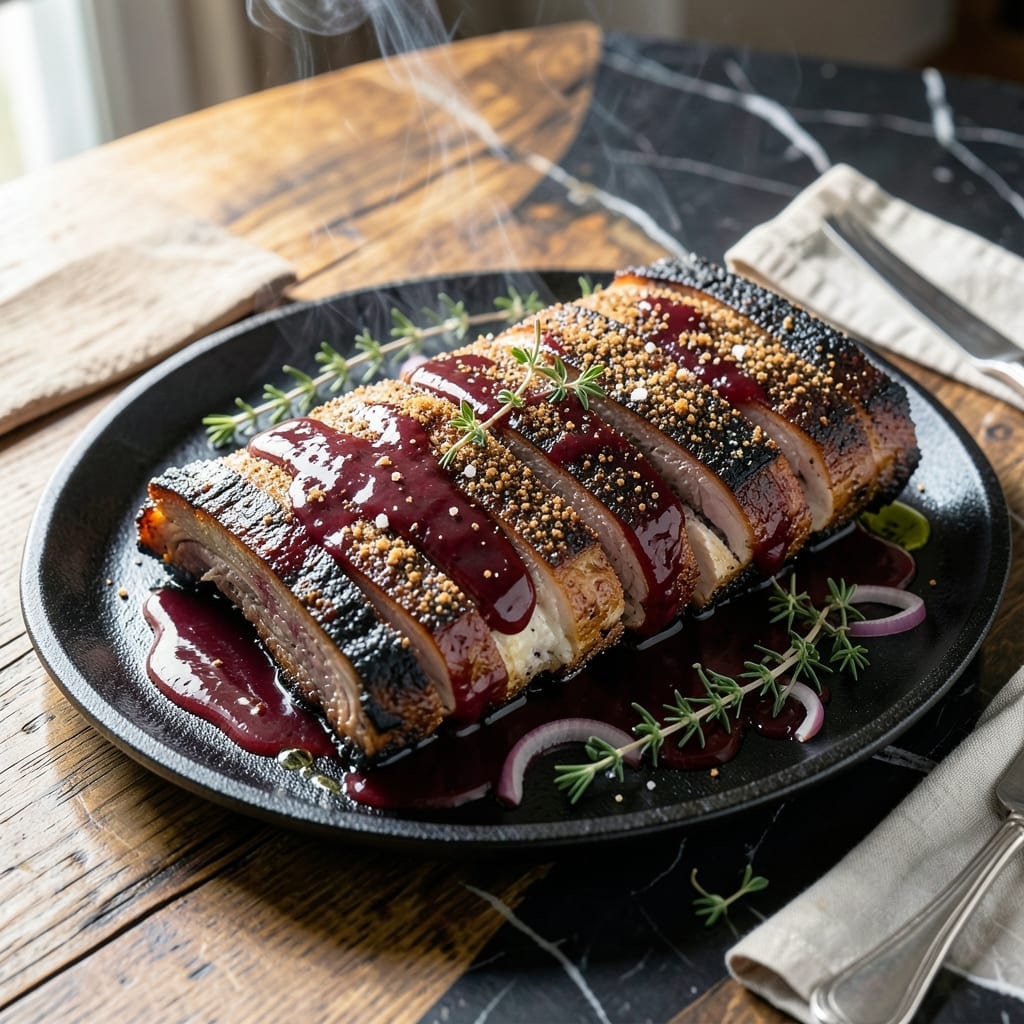
Achieving competition-worthy St. Louis ribs at home starts with proper preparation and a foolproof smoking method. This approach delivers tender meat with a perfect bark every time.
I’ve refined this technique over years of backyard BBQ sessions, focusing on the dry rub that defines Memphis-style ribs. The blend of spices creates a bold crust that complements the smoky depth from hours on the grill.
The key is maintaining a consistent 225°F temperature and giving the ribs enough time to break down. Patience here means the difference between good and unforgettable.
Serve these ribs with a tangy vinegar-based sauce or keep them dry for pure, unadulterated flavor. The result is always worth the wait.
Ingredients for St Louis Style Ribs Bbq Recipe Smoked
St. Louis ribs, bold dry rub, and hickory smoke create competition-level flavor at home.
| Ingredient | Amount | Notes |
|---|---|---|
| St. Louis Style Pork Spareribs 🥩 | 4 lb | Membrane removed, trimmed of excess fat |
| Brown Sugar 🍚 | ½ cup | Light or dark variety |
| Smoked Paprika 🌶️ | 2 tbsp | Sweet or hot variety |
| Garlic Powder 🧄 | 1 tbsp | Freshly ground preferred |
| Onion Powder 🧅 | 1 tbsp | Fine grain for even distribution |
| Coarse Kosher Salt 🧂 | 2 tbsp | Diamond Crystal preferred |
| Ground Black Pepper 🌶️ | 2 tbsp | Freshly cracked for best flavor |
| Cayenne Pepper 🔥 | 1 tsp | Adjust for heat preference |
| Dried Mustard 🌿 | 1 tsp | Powdered mustard works too |
| Dried Thyme 🍃 | 1 tsp | Rubbed between fingers to release oils |
| Apple Cider Vinegar 🍏 | ½ cup | For tangy mop sauce |
| Water 💧 | ½ cup | For spritzing during smoking |
| Hickory Wood Chunks 🪵 | 4 pieces | Soaked in water for 30 minutes |
| Yellow Mustard 🟡 | ¼ cup | Binder for dry rub adhesion |
The ribs are the foundation. St. Louis style spareribs are already trimmed for uniformity, but always check for excess fat or membrane—Costco or a quality butcher are reliable sources. The membrane must be removed completely (use a paper towel for grip). Look for ribs with good marbling—this translates to juicier meat after the long smoke. For the wood, hickory is traditional for pork, but apple or cherry wood can add a fruitier note if preferred.
No smoked paprika? Regular paprika plus a pinch of liquid smoke works in a bind, though the depth won’t be identical. Brown sugar can be swapped for turbino if you prefer a coarser texture on the bark. The vinegar in the mop can be white vinegar or cider vinegar—both add the necessary tang. If you’re out of dried mustard, Colman’s dry mustard is an excellent substitute. The yellow mustard binder is purely for rub adhesion—Dijon works but may darken the crust.
Dry rub keeps in an airtight container for up to 3 months. Ribs should be smoked the day they’re seasoned for maximum bark development. Leftovers? They’ll keep in the fridge for 4-5 days or can be frozen for 3 months—just reheat gently with a splash of water to prevent drying out.
Why You’ll Love This Recipe
- I’ll be real: the flavors deepen overnight, so tomorrow’s sandwich is a bonus win.
- Set and Forget: I rub those ribs with brown sugar and smoked paprika, then let the smoker do all the work for hours.
- Smoky Sweet Crust: The brown sugar caramelizes with the spices into this sticky, finger-licking bark that’s honestly my favorite part.
- Feeds a Hungry Crowd: Between us, these ribs disappear faster than any other dish at our backyard gatherings.
Step-by-Step Instructions for St Louis Style Ribs BBQ Smoked
Master the art of smoking ribs with this method that guarantees tender meat and perfect bark.
Step 1: Prepare the Ribs and Apply the Rub
Begin by removing the membrane from the bone side of the 4 lb St. Louis Style Pork Spareribs. Slide a butter knife under the membrane to loosen it, then grab with a paper towel for grip and pull it off in one piece. Trim any excess fat, leaving a thin layer for flavor and moisture.
In a bowl, combine 0.5 cup Brown Sugar, 2 tbsp Smoked Paprika, 1 tbsp Garlic Powder, 1 tbsp Onion Powder, 2 tbsp Coarse Kosher Salt, 2 tbsp Ground Black Pepper, 1 tsp Cayenne Pepper, 1 tsp Dried Mustard, and 1 tsp Dried Thyme. Spread 0.25 cup Yellow Mustard evenly over both sides of the ribs—this acts as a binder for the rub. Coat the ribs generously with the spice mixture, pressing it into the meat so it adheres well during the long cook.
Step 2: Set Up the Smoker for Low and Slow Cooking
Soak the 4 pieces Hickory Wood Chunks in water for at least 30 minutes before use. Preheat your smoker to 225-250°F using the soaked hickory for smoke. I prefer hickory for its strong, bacon-like flavor that complements pork beautifully.
Once the smoker reaches temperature and produces a steady stream of thin blue smoke, place the ribs bone-side down on the grates. Position them away from direct heat to ensure even cooking. Close the lid and maintain the temperature throughout the cook—fluctuations can lead to tough meat or uneven doneness.
Step 3: Smoke and Spritz for Moisture and Flavor
Smoke the ribs undisturbed for 3 hours. After this initial period, begin spritzing the ribs every 45-60 minutes with a mixture of 0.5 cup Apple Cider Vinegar and 0.5 cup Water. This keeps the surface moist, enhances bark formation, and adds a subtle tang to the meat.
Continue smoking for another 2-3 hours, or until the ribs develop a deep mahogany color and the meat shrinks back from the bones by about ¼ inch. This visual cue indicates the collagen is breaking down and the ribs are becoming tender. The total smoking time will typically be 5-6 hours, depending on your smoker’s consistency.
Step 4: Wrap and Finish for Maximum Tenderness
Once the ribs reach the desired color, remove them from the smoker and wrap tightly in heavy-duty aluminum foil. Add a splash of the apple cider vinegar and water mixture before sealing to create a steamy environment. Return the wrapped ribs to the smoker and cook for another 1-2 hours.
The ribs are done when an instant-read thermometer inserted into the thickest part of the meat (avoiding bones) reads 195-203°F. Alternatively, the meat should be probe-tender, with the probe sliding in like butter with minimal resistance. This step ensures the ribs are fall-off-the-bone tender while retaining moisture.
Pro Tips For Making St Louis Style Ribs Bbq Recipe Smoked
- Trim the Membrane: Peel that tough silver skin off the bone side before seasoning—it blocks rub penetration and makes the ribs chewy. I learned this the hard way after my first batch came out tough as leather.
- Low and Slow: Keep your smoker between 225-250°F and plan for 5-6 hours. After burning three racks at higher temps, I finally figured out patience is what makes the meat fall off the bone.
- Generous Dry Rub: Don’t skimp on the brown sugar, smoked paprika, and powder blend—pack it on thick so it forms a proper bark. Sounds weird, but the sugar caramelizes into the best crust you’ve ever tasted.
- Rest Before Serving: Pull the ribs off at 203°F internal, wrap in foil, and let them sit for 30 minutes. My grandmother swore by this, and she was right: it redistributes the juices so they don’t dry out when you slice them.
Regional Styles of This st louis style ribs bbq recipe smoked
Memphis Dry Rub
The heart of St. Louis ribs lies in that bold Memphis-style dry rub. I use a blend of brown sugar, smoked paprika, and coarse kosher salt as the base. The key is pressing it into the meat so it adheres during the long smoke.
Texas Twist
For a Lone Star approach, I’d swap the brown sugar for turbino sugar and add cumin and chili powder to the rub. Texas ribs often use a heavier hand with black pepper, creating a darker bark that’s packed with heat. 🔥
Kansas City Style
Here, the ribs get a sweeter treatment with more brown sugar and a touch of molasses in the rub. I also add a light coating of sauce during the last 30 minutes of smoking for that signature sticky, sweet finish.
Carolina Gold
This style leans on a mustard-based sauce, so I’d mix yellow mustard and apple cider vinegar for the mop. The rub stays simpler—just salt, pepper, and a hint of cayenne—to let the vinegary tang shine.
California Fusion
Out west, I’ve seen chefs add coffee grounds and cocoa powder to the rub for depth. The ribs are often finished with a glaze of orange juice and honey, balancing smoky and sweet notes. 💛
Competition Style
For contests, I’d use a finer grind on all spices for maximum surface coverage. The ribs get a light spritz every 45 minutes with apple juice instead of vinegar, and the wrap phase includes butter and honey for extra moisture and shine.
Nutrition Facts
Frequently Asked Questions
What’s the ideal smoking temperature?
Maintain a steady 225-250°F throughout the cook. This low-and-slow approach ensures tender meat without drying it out. Use a reliable thermometer to monitor.
How do I know when they’re done?
The ribs are ready when they reach 195-203°F internally or when a probe slides in like butter. Look for the meat to pull back from the bones by about ¼ inch.
Can I use a different wood for smoking?
While hickory is traditional, apple or cherry wood adds a sweeter, fruitier note. Avoid softwoods like pine, which can impart bitter flavors.
Do I need to wrap the ribs?
Wrapping in foil (the “Texas crutch”) speeds up cooking and adds moisture. For maximum bark, skip wrapping and smoke unwrapped the entire time.

- 6 Egg Cake Recipe with Oil: Light as Air With Buttery Moisture - October 4, 2026
- 4 Bean Casserole Recipe: One-Pan Heartiness With Smoky Paprika Depth - October 4, 2026
- 3-Ingredient Keto Mug Cake Recipe: Microwave Magic in 2 Minutes - October 4, 2026