
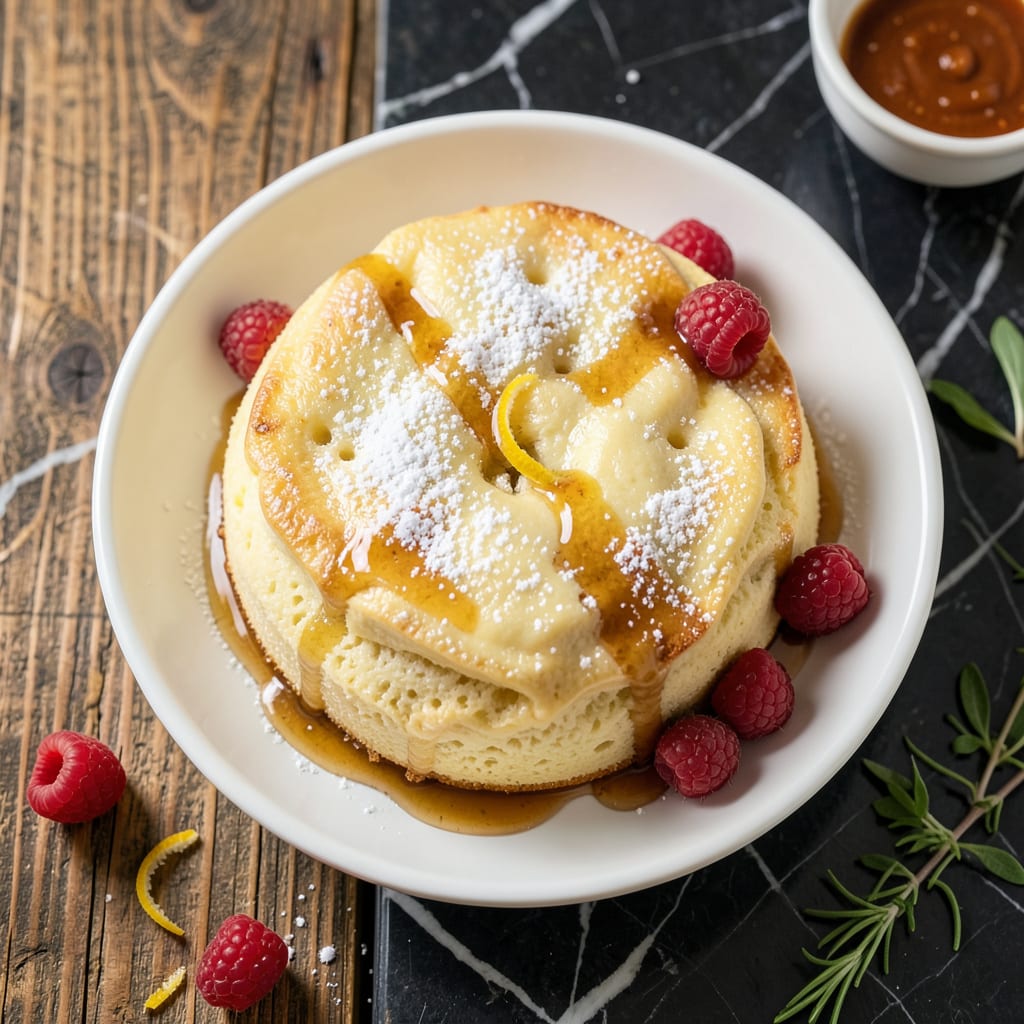
This traditional Cantonese steamed cake delivers a texture that’s impossibly light yet rich, with a delicate sweetness that defines authentic home baking.
Using just a handful of pantry staples and 20 minutes of steaming, you’ll achieve that signature jiggly, pillowy soft result every time.
Ingredients for Steam Egg Cake
Pantry staples and a few eggs create this light, jiggly Cantonese classic.
| Ingredient | Amount | Notes |
|---|---|---|
| Large Eggs 🥚 | 4 whole | Room temperature for best volume |
| All-Purpose Flour 🌾 | ¾ cup | Sifted for light texture |
| Granulated Sugar 🍚 | ½ cup | Fine white sugar preferred |
| Whole Milk 🥛 | ¼ cup | Warm to room temperature |
| Vegetable Oil 🫒 | 2 tbsp | Neutral flavor like canola |
| Vanilla Extract 🌿 | 1 tsp | Pure extract for best flavor |
| Baking Powder 🧂 | 1 tsp | Ensures light rise |
| Salt 🧂 | ¼ tsp | Fine sea salt preferred |
| Honey 🍯 | 1 tbsp | Optional for extra sweetness |
| Water 💧 | 2 tbsp | For steaming adjustment |
Eggs are everything here. Room temperature means they whip up fluffier—just set them in warm water for 5 minutes if you forgot to pull them out earlier. The flour should be all-purpose, nothing fancy. King Arthur or Gold Medal work great. Sift it if you’re feeling thorough (worth the extra minute), but honestly it’s fine straight from the bag.
No whole milk? Any milk works—even oat or almond in a pinch (the texture stays good). Vanilla can be skipped if you’re out, but it adds that subtle depth. Baking powder is the secret to the rise, so don’t swap it for baking soda. The honey is just for a touch of extra sweetness—maple syrup does the same thing if you prefer.
Batter keeps in the fridge for 24 hours if you want to prep ahead. The cake itself is best fresh, but leftovers stay soft for 2 days in an airtight container. Re-steam for 5 minutes to revive the texture (don’t microwave).
Why You’ll Love This Recipe
- One Bowl Magic: I just dump eggs, flour, sugar, milk, and oil into a single bowl, mix, and steam—no fancy steps or equipment.
- Breakfast or Dessert: Honestly, I serve it for breakfast with coffee or as a simple dessert after dinner.
Step-by-Step Instructions for Steam Egg Cake
Here’s my method for achieving that signature light, jiggly texture that makes this cake so special.
Step 1: Whisk Eggs and Sugar to Ribbon Stage
In a large mixing bowl, combine the 4 whole Large Eggs and 0.5 cup Granulated Sugar. Using a hand mixer or stand mixer, beat on high speed for 8-10 minutes until the mixture triples in volume and forms pale, thick ribbons when the whisk is lifted.
This step is crucial for incorporating air, which gives the cake its characteristic lightness. The eggs should be at room temperature for maximum volume. Don’t rush this process—under-whipped eggs will result in a dense cake instead of the desired fluffy texture.
Step 2: Fold in Dry and Wet Ingredients
Sift the 0.75 cup All-Purpose Flour and 1 tsp Baking Powder together, then gently fold into the egg mixture using a spatula. Make a well in the center and add the 0.25 cup Whole Milk, 2 tbsp Vegetable Oil, 1 tsp Vanilla Extract, and 0.25 tsp Salt.
Fold everything together with a gentle J-shaped motion until just combined—overmixing will deflate the batter. The finished mixture should be smooth with no visible flour streaks. For extra sweetness, stir in the 1 tbsp Honey at this stage.
Step 3: Prepare the Steamer and Cake Pan
Pour the 2 tbsp Water into the bottom of your steamer to create steam. Line an 8-inch round cake pan with parchment paper, leaving an overhang for easy removal. Pour the batter into the prepared pan and smooth the top with a spatula.
Tap the pan gently on the counter 2-3 times to remove any large air bubbles. This ensures an even texture throughout the cake. The batter should be about 1-inch deep in the pan, which is perfect for even steaming.
Step 4: Steam to Perfection
Bring the water in the steamer to a rolling boil, then reduce to medium heat. Place the cake pan in the steamer, cover tightly with a lid, and steam for 25-30 minutes. Check at 25 minutes—the cake is done when the top springs back when gently pressed and a toothpick inserted in the center comes out clean.
Be careful not to lift the lid during the first 20 minutes of steaming, as this can cause the cake to collapse. The steam should be consistent but not so vigorous that it causes condensation to drip onto the cake.
Step 5: Cool and Serve
Remove the cake from the steamer and let it cool in the pan for 5 minutes. Then, use the parchment overhang to lift it out onto a wire rack. Cool for another 10 minutes before slicing.
This cake is best served warm, with a light, slightly spongy texture that melts in your mouth. The top should be smooth with a subtle sheen, and the interior should be evenly moist. Store any leftovers in an airtight container at room temperature for up to 2 days.
Pro Tips For Making Steam Egg Cake
- Preheat the Steamer: I learned this the hard way—always bring your steamer to a rolling boil before adding the cake batter. Cold steam = dense, uneven texture.
- Whisk the Eggs Well: Beat your eggs for at least 3 minutes until pale and frothy. Sounds tedious, but it traps air for a lighter cake.
- Skip the Cold Milk: Use room-temperature milk to prevent the oil from clumping. I used to pull it straight from the fridge and wondered why my batter looked curdled.
- Cover with Cloth: Drape a thin cotton cloth over the steamer lid to catch condensation. After ruining two cakes with water droplets, I finally figured this out.
Best Sauces and Condiments for This Recipe
Sweet Drizzles
This delicate cake pairs beautifully with honey or maple syrup drizzled over warm slices. I use 1-2 tbsp per serving, just enough to add moisture without overwhelming the subtle egg flavor. A touch of condensed milk also creates a creamy topping. 💛
Fruity Companions
Fresh fruit elevates the experience. Try sliced strawberries or mango chunks for a bright contrast. A quick berry compote made with 1 cup frozen berries and 2 tbsp sugar simmered for 5 minutes adds a vibrant pop of flavor.
Creamy Toppings
Whipped cream or coconut cream adds a luxurious touch. I lighten mine with 1 tsp vanilla for extra depth. A dusting of powdered sugar on top of the cream finishes it elegantly.
Asian-Inspired Sauces
For an authentic twist, serve with sweet red bean paste or coconut jam. These traditional pairings complement the cake’s subtle sweetness. A drizzle of pandan syrup also works wonderfully.
Citrus Accents
A squeeze of fresh lime juice or a sprinkle of lemon zest brightens each bite. I often add 1 tsp orange blossom water to the batter for a floral note that pairs perfectly with citrus.
Nutrition Facts
Frequently Asked Questions
Why do my eggs need to be room temperature?
Room temperature eggs whip up fluffier and incorporate more air. Cold eggs can cause the batter to curdle. Place eggs in warm water for 5 minutes if you forgot to take them out earlier.
Can I use a different pan size?
An 8-inch round pan is ideal for even cooking. For a 9-inch pan, increase batter by 25% and check doneness at 20 minutes. Smaller pans may need longer steaming time.
How do I prevent the cake from collapsing?
Don’t open the steamer lid during the first 20 minutes. Sudden temperature changes cause collapse. Also, avoid overmixing the batter.
What can I substitute for baking powder?
Use 1/4 tsp baking soda plus 1/2 tsp cream of tartar as a substitute. Skip it entirely for a denser texture, but the cake won’t rise as much.

- 6 Egg Cake Recipe with Oil: Light as Air With Buttery Moisture - October 4, 2026
- 4 Bean Casserole Recipe: One-Pan Heartiness With Smoky Paprika Depth - October 4, 2026
- 3-Ingredient Keto Mug Cake Recipe: Microwave Magic in 2 Minutes - October 4, 2026