
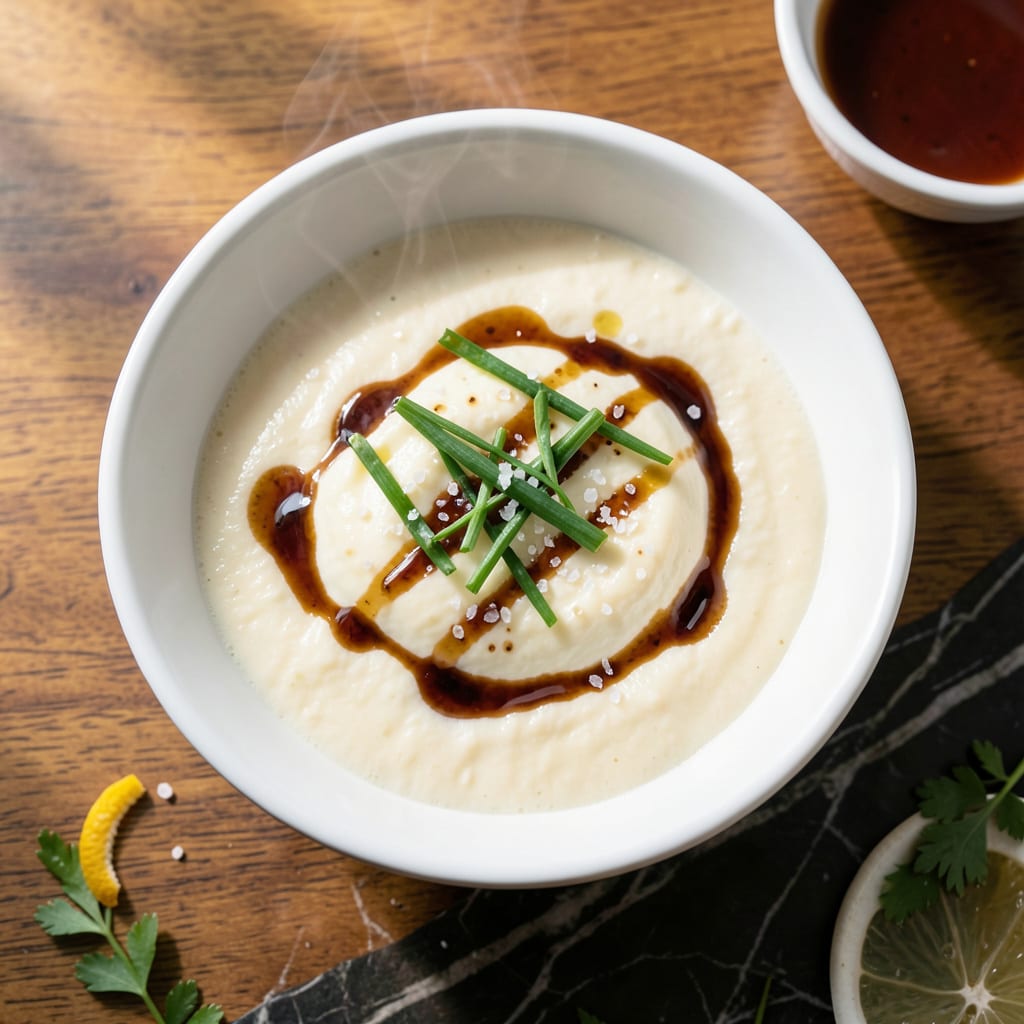
Mastering steamed eggs requires precision, especially with the water-to-egg ratio for that fluffy cloud texture. This method transforms simple ingredients into a delicate, custard-like dish.
With the right technique and 30 minutes of gentle steaming, you’ll achieve silky-smooth results every time. No special equipment needed—just patience and attention to detail.
Ingredients for Steam Egg Recipe Water Ratio
Simple ingredients transform into delicate custard with precise water-to-egg balance for cloud-like texture.
| Ingredient | Amount | Notes |
|---|---|---|
| Large Eggs 🥚 | 6 whole | Room temperature for even cooking |
| Water 💧 | 2 cups | Filtered for best flavor |
| Sea Salt 🧂 | ½ tsp | Fine grain for dissolution |
| Sesame Oil 🫒 | 1 tsp | For finishing drizzle |
| Green Onions 🧅 | 2 whole | Thinly sliced for garnish |
| Soy Sauce 🫕 | 1 tbsp | Light or regular variety |
| Ground White Pepper 🌶️ | ¼ tsp | For subtle heat |
| Dashi Stock 🍲 | ½ cup | Optional for depth |
| Neutral Oil 🫒 | ½ tsp | For greasing ramekins |
| Shaoxing Wine 🍷 | 1 tsp | Chinese cooking wine |
The eggs are non-negotiable—fresh, high-quality large eggs yield the best texture. Room temperature ensures even cooking (cold eggs can create uneven custard). For the water, filtered tap or spring water works best; avoid distilled as it lacks minerals that aid in coagulation. Dashi stock (available at Asian markets or H Mart) adds umami depth without overpowering.
No dashi? Chicken stock reduced by half works, but keep it light. Shaoxing wine can be swapped with dry sherry at 1:1 ratio. For a simpler version, omit both and add extra 1/4 tsp salt. The sesame oil is for finishing—toasted sesame oil (like Kadoya brand) has the best aroma. Green onions can be replaced with chives if preferred.
Steamed eggs are best served immediately but can hold at room temperature for 1 hour. Store leftovers in the fridge for up to 2 days—reheat gently in a steamer to maintain texture. Avoid microwaving as it can make the custard rubbery.
Why You’ll Love This Recipe
- One Bowl Wonder: I just crack eggs, add water, and steam—no fancy tools, no fuss.
- Silky & Savory: That perfect water ratio makes it custard-smooth, and the sesame oil adds a nutty depth I can’t get enough of.
- Breakfast or Dinner: Honestly, I make this for lazy mornings or pair it with rice for a quick dinner.
- Pennies Per Serving: Eggs and a splash of water stretch further than any takeout, and I always have these ingredients on hand.
Step-by-Step Instructions for Steam Egg
Master this precise technique to achieve that coveted silky, cloud-like texture every time.
Step 1: Prepare the Custard Base with Perfect Ratios
Crack all 6 whole Large Eggs into a large bowl, ensuring no shell fragments remain. I always use room temperature eggs for even cooking throughout the custard. Add the 2 cups Water—this is the critical ratio that creates the fluffy texture.
Whisk vigorously for 1-2 minutes until the mixture becomes completely homogeneous with no visible egg streaks. The water should be fully incorporated, creating a pale yellow liquid with the consistency of heavy cream. This thorough whisking prevents any eggy pockets in the finished dish.
Strain the mixture through a fine-mesh sieve into a large measuring cup. This step removes any remaining egg strands and ensures an ultra-smooth custard. You should have about 3 cups of liquid total.
Step 2: Season and Enhance the Custard
Stir in the 0.5 tsp Sea Salt, 0.25 tsp Ground White Pepper, 1 tbsp Soy Sauce, and 1 tsp Shaoxing Wine. The soy sauce adds umami depth while the Shaoxing wine contributes a subtle complexity that balances the richness.
For an extra layer of flavor, add the 0.5 cup Dashi Stock. This optional ingredient boosts the savory notes without overpowering the delicate egg flavor. Whisk all the seasonings thoroughly to distribute them evenly throughout the custard base.
Step 3: Prepare Ramekins and Steam
Lightly grease four heatproof ramekins with the 0.5 tsp Neutral Oil, ensuring you coat the bottoms and sides evenly. This prevents sticking and helps the eggs slide out cleanly after steaming. Divide the custard mixture evenly among the prepared ramekins.
Cover each ramekin with a small piece of aluminum foil, poking a few small holes in the center of each to allow steam to escape. This prevents condensation from dripping back into the custard while still protecting it from direct steam.
Step 4: Steam to Silky Perfection
Bring a large pot of water to a rolling boil. Place a steamer rack or inverted heatproof plate in the pot to create a stable platform. Carefully place the ramekins on the rack, ensuring they don’t touch the water. Cover the pot with a tight-fitting lid.
Steam over medium-low heat for 12-15 minutes. You’ll know it’s done when the custard is just set—it should jiggle slightly in the center when gently shaken, like soft gelatin. The surface should be smooth and glossy with no liquid visible.
Step 5: Finish and Garnish
Carefully remove the ramekins from the steamer using a kitchen towel (they’ll be hot). Let them rest for 1-2 minutes before serving. The custard will continue to set slightly as it cools, achieving the perfect consistency.
Drizzle each serving with the 1 tsp Sesame Oil and garnish with the thinly sliced 2 whole Green Onions. The sesame oil adds a fragrant finish while the green onions provide a fresh contrast in color and texture. Serve immediately while warm for the best experience.
Pro Tips For Making Steam Egg Recipe Water Ratio
- Use Warm Water: Always start with room temperature or slightly warm water—cold water straight from the tap makes the eggs seize up and turn lumpy.
- Whisk Gently: Beat the eggs just until the yolks and whites are combined, no more; over-whisking incorporates too much air and ruins the silky texture.
- Skip Boiling Water: Steaming over rolling boiling water cooks the eggs too fast and creates bubbles; keep it at a gentle simmer for that smooth, custardy finish.
- Add Oil Last: Stir in the sesame oil and green onions after steaming—adding them before can make the egg mixture separate or turn greasy.
Troubleshooting This Dish
Too Watery Texture
If your custard looks soupy after steaming, you likely used too much water. Stick to the 2 cups water to 6 eggs ratio exactly. Also, whisk for the full 1-2 minutes to fully emulsify the mixture. Under-whisking can prevent proper setting. 💡
Grainy or Lumpy Custard
This usually happens when eggs aren’t strained or whisked thoroughly. Always strain through a fine-mesh sieve after whisking. Using cold eggs straight from the fridge can also cause uneven cooking—let them sit at room temperature for 30 minutes first.
Overcooked and Rubbery
Steaming too long or at too high heat dries out the eggs. Pull them at 12-15 minutes when they still jiggle slightly. The residual heat will finish the cooking during the 1-2 minute rest. Keep the heat at medium-low for gentle, even steaming.
Uneven Cooking
Ramekins touching the water or uneven steam distribution can cause this. Ensure your steamer rack keeps ramekins 1-2 inches above water. Also, cover the pot with a tight lid and avoid peeking during the first 10 minutes of steaming.
Bland Flavor
If your dish tastes flat, boost the seasonings. Add an extra ¼ tsp salt or ½ tbsp soy sauce to the mixture. For depth, include dashi stock or a dash of Shaoxing wine—both elevate the flavor significantly. 🌟
Sticking to Ramekins
Proper greasing is key. Use neutral oil to coat every surface, including the sides. Let the ramekins cool slightly before attempting to remove the custard. If still stuck, run a thin knife around the edges to loosen gently.
Nutrition Facts
Frequently Asked Questions
What happens if I use less water than the recipe calls for?
The custard will turn out dense and rubbery. The 2 cups water to 6 eggs ratio is critical for that airy, cloud-like texture. Reducing water by even 1/4 cup can make a noticeable difference.
Can I use hot water from the tap?
Yes, but filtered or spring water tastes better. Tap water with strong chlorine or mineral flavors can affect the final dish. Always use room temperature water to prevent shocking the eggs.
Why does my custard sometimes separate during steaming?
This occurs when the mixture isn’t whisked enough or the heat is too high. Whisk for the full 1-2 minutes and steam at medium-low heat only.
Is there a way to make this without ramekins?
A heatproof shallow dish works too. Just ensure it’s 1-2 inches above water in your steamer and cover it with foil to prevent condensation drips.

- 6 Egg Cake Recipe with Oil: Light as Air With Buttery Moisture - October 4, 2026
- 4 Bean Casserole Recipe: One-Pan Heartiness With Smoky Paprika Depth - October 4, 2026
- 3-Ingredient Keto Mug Cake Recipe: Microwave Magic in 2 Minutes - October 4, 2026