
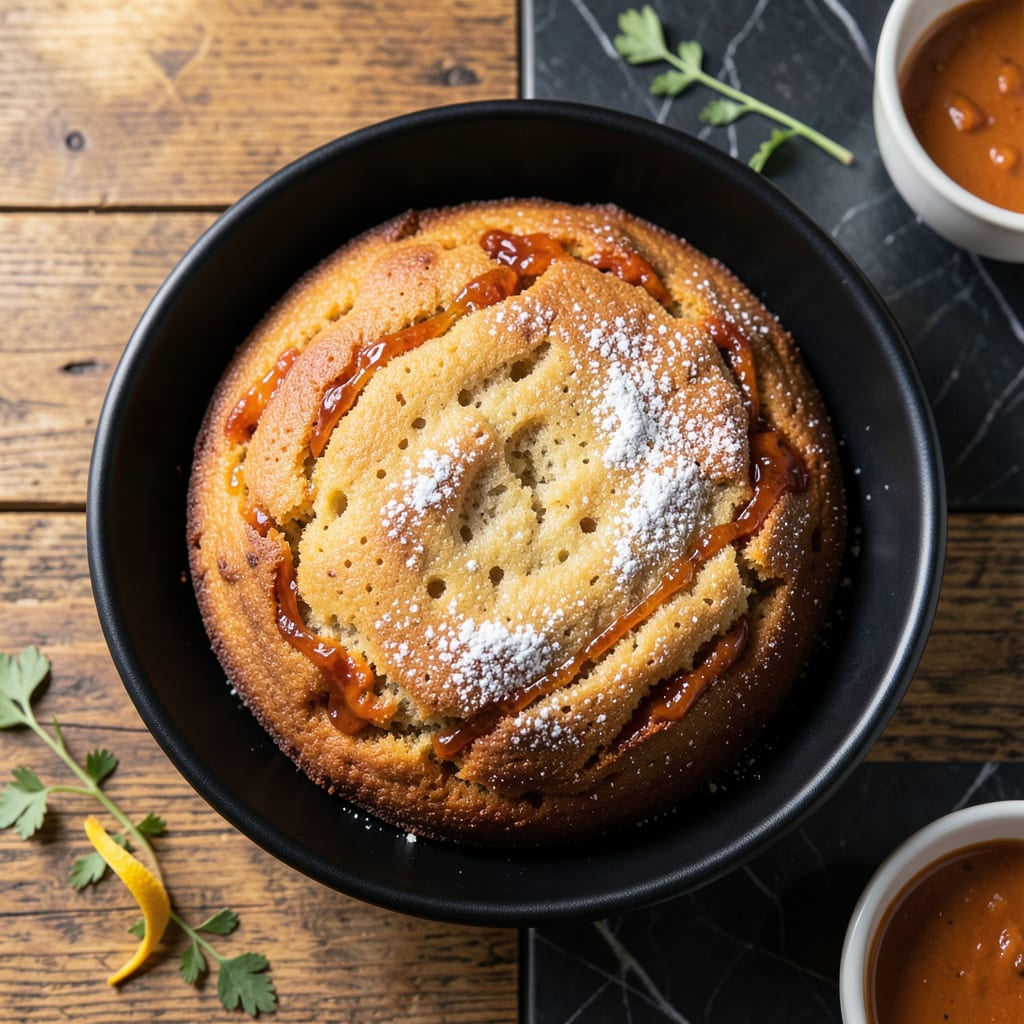
This steaming method produces a moist texture that’s impossible to achieve through baking alone. The gentle heat coaxes out natural sweetness while keeping the cake tender and delicate.
Spiced with cinnamon and nutmeg, each bite delivers warm caramel notes that complement the sweet potato base. The result is a dessert that’s rich yet light, perfect for any occasion.
Ingredients for Steam Sweet Potato Cake
Every ingredient here builds that signature moist, spiced sweetness. Nothing extra, just what works.
| Ingredient | Amount | Notes |
|---|---|---|
| Sweet Potatoes 🍠 | 2 cups | Mashed, cooked and peeled |
| All-Purpose Flour 🌾 | 2 cups | Sifted for light texture |
| Granulated Sugar 🍚 | 1 cup | Fine grain for even mixing |
| Brown Sugar 🟤 | ½ cup | Packed, for caramel notes |
| Large Eggs 🥚 | 3 whole | Room temperature for best rise |
| Vegetable Oil 🫒 | ¾ cup | Neutral flavor for moisture |
| Ground Cinnamon 🌿 | 1 ½ tsp | Freshly ground if possible |
| Ground Nutmeg 🌰 | ½ tsp | Freshly grated preferred |
| Baking Powder 🧂 | 1 tsp | For lift in steaming |
| Baking Soda 🧂 | ½ tsp | Balances acidity in batter |
| Salt 🧂 | ½ tsp | Fine sea salt preferred |
| Vanilla Extract 🌿 | 1 tsp | Pure for best flavor |
| Water 💧 | 1 cup | For steaming process |
[recipeingredientscaler]
The sweet potatoes are key—use orange-fleshed varieties like Beauregard or Jewel for natural sweetness and vibrant color. Roast or steam them until fork-tender (about 45 minutes at 400°F). For flour, King Arthur or Gold Medal give consistent results. The brown sugar is non-negotiable for those caramel notes mentioned in the intro—light or dark both work (I prefer dark for deeper flavor).
No sweet potatoes? Pumpkin puree at a 1:1 ratio works in a pinch but adds more moisture—reduce oil by 2 tbsp if using this swap. Out of brown sugar? White sugar plus 1 tbsp molasses per cup. The spices can be swapped: allspice or cloves at half the amount for nutmeg. For a richer texture, Greek yogurt at 0.5 cup can replace some oil.
Batter keeps 24 hours in the fridge before steaming. Store finished cake in an airtight container at room temperature for 3-4 days, or freeze slices for up to 3 months. The flavors deepen overnight, making leftovers taste even better.
Why You’ll Love This Recipe
- One Bowl Wonder: I just dump the sweet potatoes, flour, sugars, and eggs in a bowl—no mixer, no mess.
- Caramelized Magic: The brown sugar turns into this rich, almost-toffee flavor that clings to the moist crumb.
- Breakfast or Dessert: I’ll eat a slice cold for breakfast or warm it up with ice cream for a late-night treat.
- Stays Fresh: Honestly, it tastes even better the next day, and it keeps for four days on the counter.
Step-by-Step Instructions for Steam Sweet Potato Cake
This method guarantees a moist, evenly cooked cake with rich spiced flavor and caramel undertones.
Step 1: Prepare the Sweet Potato Base
Begin by ensuring your 2 cups Sweet Potatoes are fully cooked, peeled, and mashed until completely smooth. I use a potato ricer for the silkiest texture, but a fork works too. The mashed sweet potatoes should have no lumps—this ensures an even crumb in the finished cake.
Let the mashed sweet potatoes cool to room temperature before mixing. Warm potatoes can cause the vegetable oil to separate or the eggs to begin cooking prematurely. This cooling step prevents a dense or greasy texture in your final product.
Step 2: Combine Wet and Dry Ingredients Separately
In a large mixing bowl, whisk together the 3 whole Large Eggs, 0.75 cup Vegetable Oil, 1 cup Granulated Sugar, and 0.5 cup Brown Sugar until fully combined and slightly thickened. The mixture should be pale and ribbony—this incorporates air for a lighter texture.
Add the cooled mashed sweet potatoes and 1 tsp Vanilla Extract, then mix until uniform. In a separate bowl, sift together the 2 cups All-Purpose Flour, 1.5 tsp Ground Cinnamon, 0.5 tsp Ground Nutmeg, 1 tsp Baking Powder, 0.5 tsp Baking Soda, and 0.5 tsp Salt. Sifting prevents clumps and ensures even distribution of leavening agents.
Step 3: Fold and Prepare the Batter
Gradually add the dry ingredients to the wet mixture, folding gently with a spatula just until no flour streaks remain. Overmixing develops gluten, which would make the cake tough instead of tender. The batter should be thick but pourable—similar to pancake batter.
Here’s the thing—this batter will be denser than typical cake batters due to the sweet potatoes. That’s normal. The steam cooking process will give it a wonderfully moist, almost pudding-like crumb without the need for excess liquid.
Step 4: Steam the Cake to Perfection
Pour the batter into a greased 9-inch round cake pan or heatproof dish that fits inside your steamer. Cover the pan tightly with aluminum foil to prevent water from dripping onto the batter during steaming.
Place the pan in a large pot or wok with 1 cup Water brought to a rolling boil. Cover the pot with a lid and steam over medium heat for 45-50 minutes. Check for doneness by inserting a toothpick into the center—it should come out clean or with a few moist crumbs, not wet batter.
Steaming, rather than baking, keeps the cake incredibly moist and creates a fine, even crumb. This method also enhances the natural sweetness and spiced flavors, resulting in a tender, delicate texture.
Step 5: Cool and Serve
Once done, carefully remove the pan from the steamer and let the cake cool in the pan for 10 minutes. This allows it to set slightly before unmolding. Run a thin knife around the edges to loosen, then invert onto a wire rack to cool completely.
The cake will be at its best when served at room temperature. The flavors meld and deepen as it cools, with the caramel notes from the brown sugar becoming more pronounced. Slice with a serrated knife for clean cuts, and enjoy the moist, spiced layers with a dusting of powdered sugar if desired.
Pro Tips For Making Steam Sweet Potato Cake
- Steam Evenly: Place the cake mold on a rack or inverted plate inside the pot so it sits above the water—this prevents soggy bottoms and guarantees uniform heat circulation.
- Roast Sweet Potatoes: Roast the sweet potatoes whole at 400°F for 45 minutes instead of boiling; it intensifies their natural sweetness and reduces excess moisture in the batter.
- Skip Cold Eggs: Use room-temperature eggs—they blend more smoothly into the batter, creating a lighter, fluffier texture that steams perfectly every time.
- Check Water Level: I learned this the hard way—always use enough boiling water to reach halfway up the mold, or you’ll end up with a dense, undercooked center.
Troubleshooting Great steam sweet potato cake
Dense or Gummy Texture
If your cake turns out dense, it’s likely from overmixing the batter. Fold dry ingredients just until combined—20-25 strokes max. Also, ensure your baking powder is fresh; old leaveners lose potency. For gummy patches, check that your steamer has enough boiling water to maintain consistent heat.
Cake Doesn’t Rise
This usually means the baking powder or soda expired or the pan was too large. Use a 9-inch pan and verify your leavening agents are less than 6 months old. Also, ensure your eggs are room temperature—cold eggs can inhibit proper rise.
Uneven Cooking
If the center is underdone while edges are firm, your heat source may be uneven. Use a pot with a tight-fitting lid and maintain a rolling boil. Rotate the pan 180 degrees halfway through cooking. A bamboo steamer can help distribute heat more evenly.
Water in Batter
Condensation dripping onto the cake causes soggy spots. Always cover your pan with foil and secure it tightly. I also place a clean kitchen towel under the lid to catch excess moisture. This keeps the steam where it belongs—around, not in, your creation.
Cracked Top
Small cracks are normal for steamed cakes, but large ones suggest the batter was too thick. Add 1-2 tbsp extra water if your mixture seems stiff. Also, avoid opening the lid during the first 30 minutes of steaming—temperature fluctuations cause cracks. 💡
Nutrition Facts
Frequently Asked Questions
Can I use canned sweet potatoes instead of fresh?
Yes, but drain and rinse them well to remove excess syrup. Use the same 2 cups measurement. Fresh sweet potatoes give the best texture, but canned works in a pinch.
Why does my cake sink in the middle after steaming?
This usually happens if the cake isn’t fully cooked inside. Check doneness with a toothpick—it should come out clean. Also, ensure your baking powder is fresh and the pan size is correct.
How do I store leftover cake?
Keep it in an airtight container at room temperature for 3-4 days. For longer storage, freeze slices wrapped in plastic for up to 3 months. Thaw at room temperature before serving.

- 6 Egg Cake Recipe with Oil: Light as Air With Buttery Moisture - October 4, 2026
- 4 Bean Casserole Recipe: One-Pan Heartiness With Smoky Paprika Depth - October 4, 2026
- 3-Ingredient Keto Mug Cake Recipe: Microwave Magic in 2 Minutes - October 4, 2026