
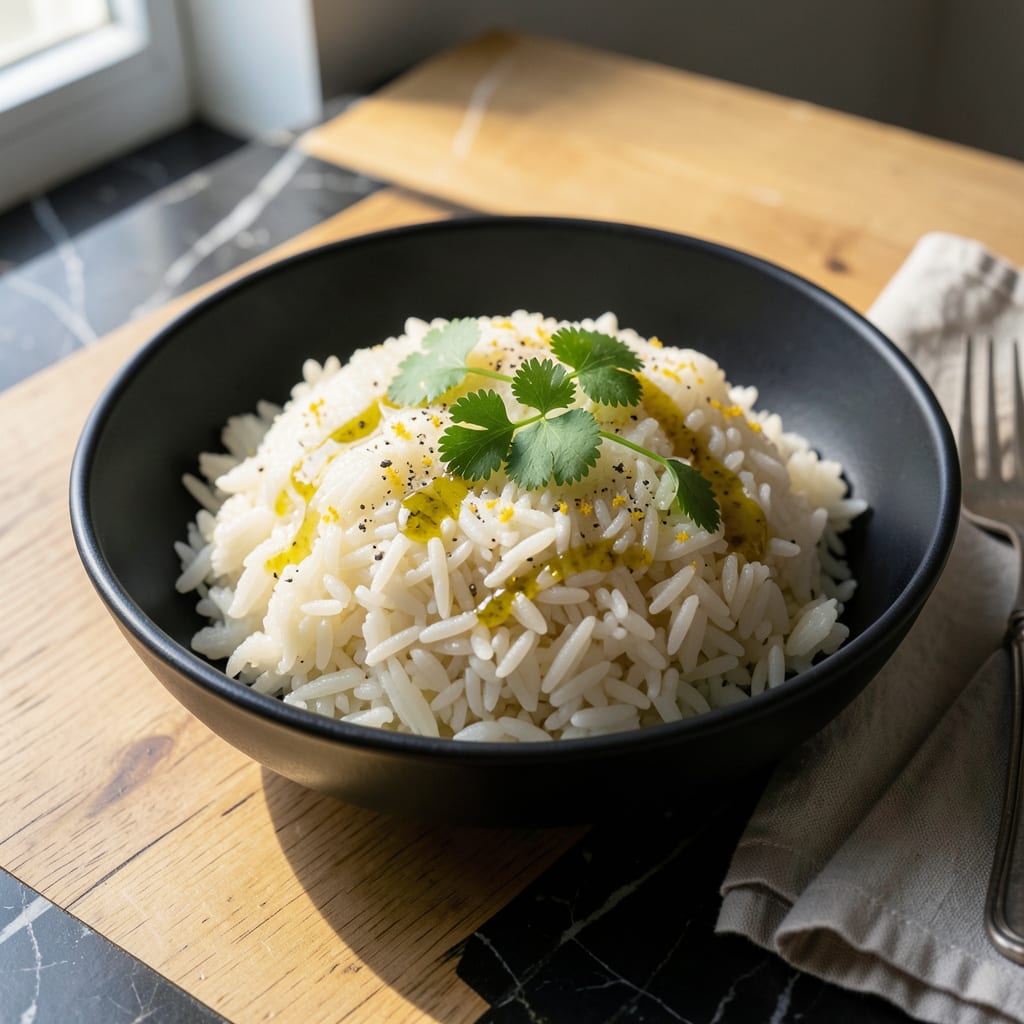
Achieving perfectly fluffy rice every time comes down to the right water ratio and gentle steaming. This method works for white, jasmine, or basmati varieties with consistent results.
With just two ingredients and 15 minutes of hands-off cooking, you’ll have light, separate grains that never stick. The secret is letting the rice rest after steaming to finish the process.
Ingredients for Steamed Rice
Minimal ingredients deliver maximum fluff. Rice, water, and optional flavor boosters create this foolproof dish.
| Ingredient | Amount | Notes |
|---|---|---|
| Long-Grain White Rice 🍚 | 2 cups | Rinsed until water runs clear |
| Water 💧 | 4 cups | Filtered or distilled preferred |
| Sea Salt 🧂 | ½ tsp | Fine grain, optional for flavor |
| Neutral Oil 🫒 | 1 tsp | For pot coating, optional |
| Lemon Zest 🍋 | 1 tsp | Finely grated, optional garnish |
| Fresh Cilantro 🌿 | 2 tbsp | Chopped, optional garnish |
| Sesame Seeds 🌾 | 1 tsp | Toasted, optional garnish |
| Rice Vinegar 💧 | 1 tsp | For subtle tang, optional |
[recipeingredientscaler]
The rice quality is paramount. For perfectly fluffy results, select long-grain white rice—jasmine or basmati work exceptionally well. These varieties maintain separate grains during steaming. Avoid instant rice, as it lacks the structure for ideal texture. Most grocery stores carry suitable options in their international aisle, often at better prices than specialty brands.
Water ratio is non-negotiable—2 cups rice to 4 cups water is the golden standard. For jasmine or basmati, reduce water by 1/4 cup per 2 cups rice. No long-grain white rice? Substitute with medium-grain Calrose, but expect slightly stickier results. The salt and oil are optional but recommended for enhanced flavor and grain separation.
Store uncooked rice in an airtight container in a cool, dark place for up to 1 year. Cooked rice keeps in the fridge for 4-5 days or freezes beautifully for 6 months. Always let rice rest 10 minutes after cooking for optimal texture.
Why You’ll Love This Recipe
- Hands-Off Cooking: I just rinse the rice, add water, and let the steam do all the work—no stirring, no fuss.
- Bright, Clean Taste: The lemon zest and pinch of sea salt wake up the rice in a way plain steam never could.
- Pairs With Anything: Honestly, I serve this with grilled veggies, curries, or even a fried egg on top for a quick lunch.
- Penny-Pincher Special: A two-pound bag of long-grain rice and a few pantry staples feed my family for days on a tiny budget.
Step-by-Step Instructions for Steamed Rice
Master the technique and you will achieve perfectly fluffy rice with distinct grains every time.
Step 1: Rinse and Prepare the Long-Grain White Rice
Place the 2 cups Long-Grain White Rice in a fine-mesh strainer and rinse under cold running water, agitating the grains with your hand. Continue until the water runs completely clear—this removes excess starch that would otherwise make the rice gummy.
Drain thoroughly, then let it sit in the strainer for 5 minutes to remove any residual moisture. Properly rinsed rice is the foundation of fluffy, separate grains. I always use a heavy-bottomed pot with a tight-fitting lid for even heat distribution.
Step 2: Measure Water and Add Optional Seasonings
Transfer the drained rice to your pot. Add the 4 cups Water—the precise 1:2 rice-to-water ratio is critical for perfect results. For enhanced flavor, stir in the 0.5 tsp Sea Salt and 1 tsp Neutral Oil at this stage.
The salt should dissolve completely before cooking begins. The oil creates a subtle barrier that prevents grains from sticking together. Never skip the exact water measurement; even small variations can lead to undercooked or mushy rice.
Step 3: Cook with Controlled Heat
Cover the pot with its lid and bring to a full boil over high heat. As soon as you see steam escaping and hear a vigorous boil, immediately reduce the heat to low—this transition is crucial to prevent burning.
Maintain this gentle simmer for 15 minutes without lifting the lid. Resist the urge to peek; releasing steam disrupts the cooking process and can result in unevenly cooked rice. The water should be fully absorbed by the end of this time.
Step 4: Rest and Fluff for Optimal Texture
Remove the pot from heat but keep the lid on. Let the rice rest undisturbed for 10 minutes—this allows residual steam to finish cooking the grains and ensures even texture throughout.
After resting, use a fork to gently fluff the rice from the bottom up, separating any grains that may have stuck together. The rice should be tender with no hard centers, and each grain should hold its shape without clumping.
Step 5: Garnish and Serve Immediately
Transfer the steamed rice to a serving bowl. For bright, fresh flavor, sprinkle with the 1 tsp Lemon Zest, 2 tbsp Fresh Cilantro, 1 tsp Sesame Seeds, and 1 tsp Rice Vinegar if using these optional garnishes.
Serve immediately while hot and fluffy. The garnishes add colorful contrast and subtle complexity that complements the rice’s natural sweetness. Each serving should display distinct, glossy grains that separate easily under a fork.
Pro Tips For Making Steamed Rice
- Rinse the Rice: I learned this the hard way—skipping the rinse leaves your rice gummy and starchy. Swirl long-grain white rice in a bowl of cold water until the water runs clear, then drain well before cooking.
- Use a 1:1.5 Ratio: After burning a few batches, I finally figured out that 1 part rice to 1.5 parts water is the sweet spot for steamed rice. Measure it precisely—no eyeballing.
- Let It Steam Off Heat: Once the water boils, drop to low heat, cover, and cook for 15 minutes, then turn off the heat and let it sit covered for 10 more. This guarantees fluffy, separate grains every time.
- Add Zest Last: Stir in the lemon zest after cooking, not before. I was skeptical until I tried it—adding it early can make the rice bitter, but finishing with it brightens the whole dish.
Flavor Customization for This steamed rice
Herb Infusions
I love adding fresh herbs to the water for subtle aroma. Try 2 sprigs of thyme or a bay leaf in the pot while cooking. Remove them before serving to avoid overpowering the dish. 🌿
Citrus Zest Boost
For bright, fresh flavor, stir in 1 tsp lemon or lime zest after cooking. The oils in the zest add a vibrant lift that pairs well with seafood or grilled meats. I often use Meyer lemons for their sweeter profile.
Asian-Inspired Twist
Transform your rice by adding 1 tbsp toasted sesame oil and 1 tsp soy sauce to the water before cooking. This works especially well with jasmine rice. Garnish with green onions for extra flair.
Spiced Variations
A pinch of turmeric or saffron in the water gives rice a golden hue and warm flavor. For turmeric, use ½ tsp; for saffron, ¼ tsp threads steeped in hot water first. These pair beautifully with Indian or Middle Eastern dishes.
Savory Broth Swap
Replace water with low-sodium chicken or vegetable broth for extra depth. Use the same 1:2 ratio as with water. This works particularly well for serving with roasted meats or hearty stews.
Sweet Options
For a dessert-style rice, add 1 cinnamon stick and 1 star anise pod to the cooking water. Remove before serving and drizzle with honey. This pairs wonderfully with fresh fruit or yogurt. 💛
Nutrition Facts
Frequently Asked Questions
Why rinse rice before cooking?
Rinsing removes excess starch that makes rice gummy. Stop when water runs clear for best texture. This simple step prevents clumping and ensures fluffy results every time.
Can I use a rice cooker instead?
Use the same 1:2 rice-to-water ratio. Most cookers automatically switch to warm mode when done. The hands-off approach yields identical results to stovetop methods.
How do I fix undercooked rice?
Add 2-3 tablespoons water, cover, and steam for 5 more minutes on low. Avoid stirring, as this breaks the grains. Check for doneness before adding more liquid.
What’s the best rice for this method?
Long-grain varieties like jasmine or basmati work best. They stay separate and fluffy. Avoid instant rice, which turns mushy with steaming.

- 6 Egg Cake Recipe with Oil: Light as Air With Buttery Moisture - October 4, 2026
- 4 Bean Casserole Recipe: One-Pan Heartiness With Smoky Paprika Depth - October 4, 2026
- 3-Ingredient Keto Mug Cake Recipe: Microwave Magic in 2 Minutes - October 4, 2026