
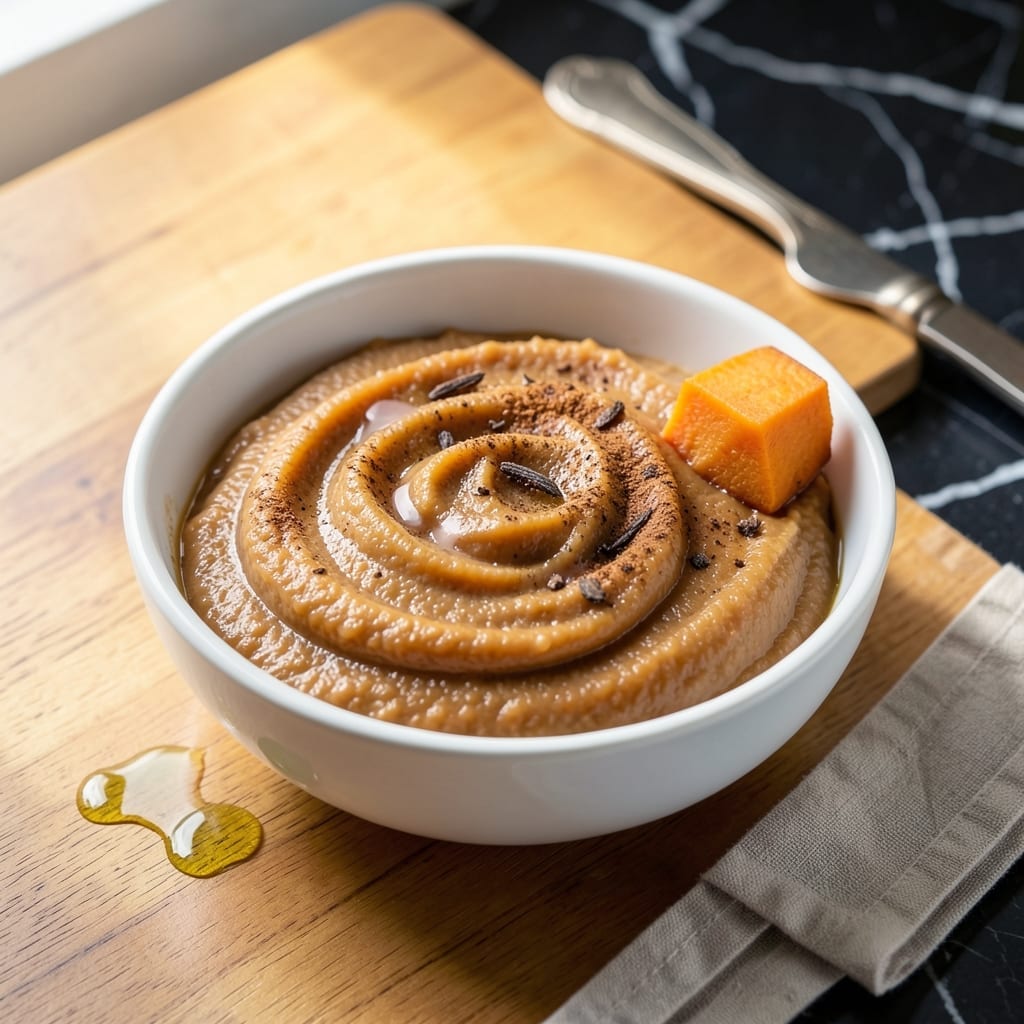
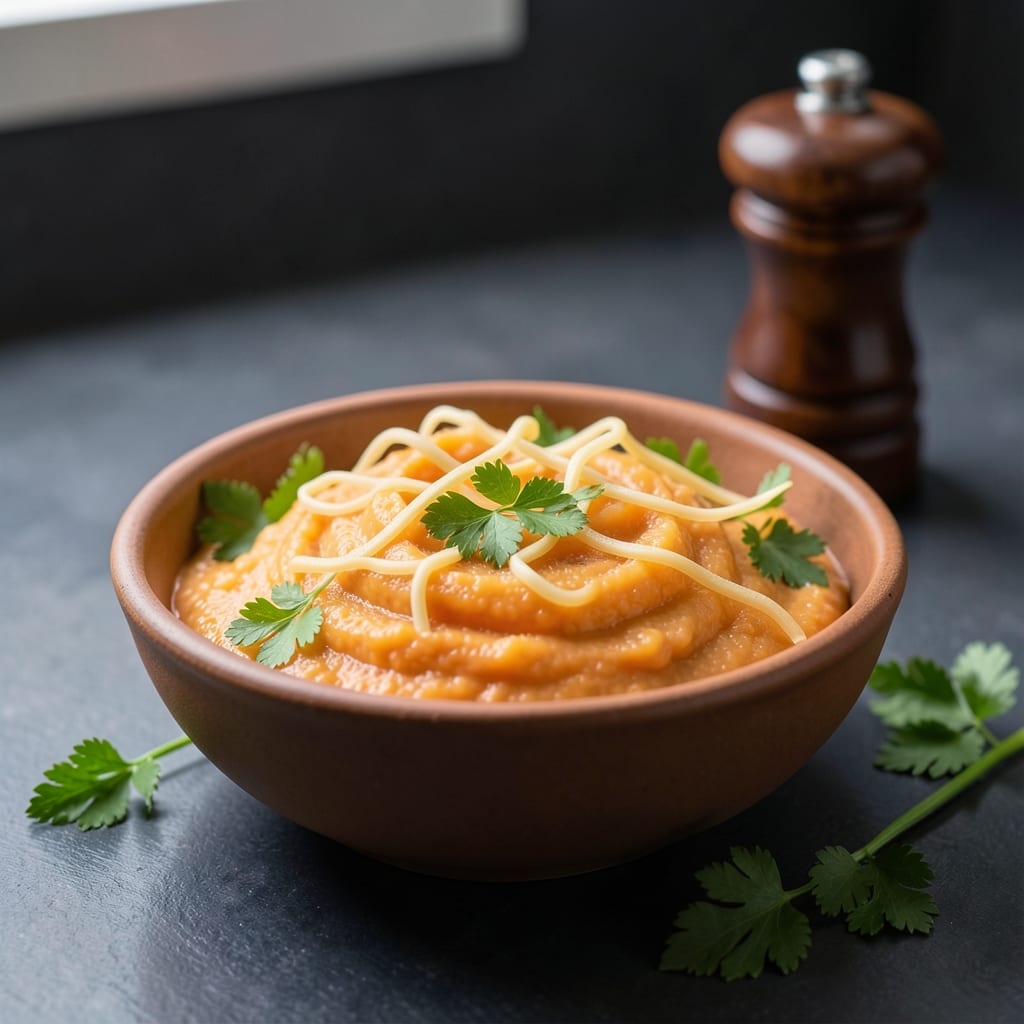
Introducing your baby to solid foods is an exciting milestone, and this puree makes it simple and nutritious.
With just one ingredient and minimal prep, you create a smooth, vitamin-rich first food that’s gentle on tiny tummies. The natural sweetness of sweet potatoes makes it a favorite for new eaters.
Ingredients for Sweet Potato Recipe for Infants
Just three simple ingredients for a nutrient-packed first food your baby will love.
| Ingredient | Amount | Notes |
|---|---|---|
| Sweet Potatoes 🍠 | 2 whole | Medium, organic preferred |
| Filtered Water 💧 | ¼ cup | For thinning puree |
| Breast Milk 🍼 | ¼ cup | Or formula, optional |
[recipeingredientscaler]
The sweet potatoes are the star here. Organic is ideal (fewer pesticides), but any fresh, firm sweet potatoes work—look for deep orange flesh (more beta-carotene). I grab mine from Whole Foods or the local farmers market when they’re in season. Avoid those pre-cut sweet potato fries in the produce section—they’re often treated with preservatives.
No breast milk or formula? Water works perfectly fine for thinning the puree. If you’re using formula, prepare it as you normally would. The amount of liquid can be eyeballed—start with less and add more until you reach your baby’s preferred texture. Fresh sweet potatoes only, no canned (too much sodium).
This keeps in the fridge for 3 days or can be frozen for 3 months. I portion into ice cube trays—once frozen, pop them out and store in a bag. Thaw in the fridge overnight or microwave for 20-30 seconds (stir well and test temperature before serving).
Why You’ll Love This Recipe
- One-Pot Wonder: I just cube the sweet potatoes, steam them in filtered water, and mash—no fancy gadgets needed.
- Naturally Sweet: The sweet potatoes bring their own caramel-like flavor, so no added sugar is ever required.
- Batch Friendly: I make a big pot on Sunday, portion it into ice cube trays, and freeze for the whole week.
- Budget Stretcher: A single sweet potato yields multiple meals, and it costs pennies compared to store-bought purees.
Step-by-Step Instructions for Sweet Potato Puree for Infants
This simple method ensures a smooth, nutrient-rich puree perfect for your little one’s first foods.
Step 1: Prepare and Cook the Sweet Potatoes
Begin by thoroughly washing the 2 whole Sweet Potatoes under cool running water to remove any dirt or residue. I always use organic when possible to minimize pesticide exposure for sensitive little tummies. Pierce each sweet potato several times with a fork to allow steam to escape during cooking.
Place the sweet potatoes on a microwave-safe plate and cook on high for 8-10 minutes, turning halfway through, until they’re completely soft when pierced with a fork. Alternatively, you can bake them at 400°F for 45-60 minutes until tender. The microwave method is faster, but baking can enhance the natural sweetness.
Let the sweet potatoes cool for 5-10 minutes before handling. This step is crucial—hot sweet potatoes can cause burns, and we want them at a safe temperature for the next steps. You’ll know they’re ready when you can easily slice through them with a butter knife.
Step 2: Peel and Scoop Out the Flesh
Once cool enough to handle, slice each sweet potato in half lengthwise. The skin should peel away effortlessly with your fingers or a spoon, but if it doesn’t, use a paring knife to help. I find that the skin separates easily when the sweet potatoes are fully cooked, so don’t force it if it’s resisting.
Scoop out the bright orange flesh with a spoon and transfer it to a clean bowl or directly into a food processor or blender. Discard the skins (or compost them if you’re eco-conscious). You should have about 1 to 1½ cups of cooked sweet potato flesh from 2 whole Sweet Potatoes.
Check for any remaining strings or tough bits—infants prefer a silky-smooth texture, so we want to remove anything that might be fibrous.
Step 3: Blend with Filtered Water
Add the scooped sweet potato flesh to a blender or food processor. Pour in the 0.25 cup Filtered Water and blend until completely smooth. Start on low speed and gradually increase to high, stopping occasionally to scrape down the sides with a spatula.
The filtered water helps create a thin, pourable consistency that’s ideal for beginners. If the puree seems too thick after blending, you can add a little more filtered water, 1 tablespoon at a time, until it reaches your desired texture. For first-time eaters, a thinner puree is often easier to manage.
Taste a tiny bit to ensure it’s not too hot and that the texture is perfect. It should be velvety with no lumps.
Step 4: Thin with Breast Milk (Optional)
If you’re using it, gradually add the 0.25 cup Breast Milk to the sweet potato puree while blending or stirring. The breast milk not only thins the puree but also adds familiar flavors and extra nutrition that your baby already enjoys.
Add the breast milk slowly—you may not need the full 0.25 cup depending on how thick your sweet potatoes were initially. The goal is a smooth, slightly runny consistency that drips easily off a spoon but isn’t watery. If you’re using formula instead, prepare it as directed and use it the same way.
Give it a final stir or pulse to incorporate everything evenly. The puree should look glossy and uniform in color.
Step 5: Serve and Store
Spoon a small portion of the puree into your baby’s bowl or directly onto a spoon for testing. Always test the temperature on your wrist before offering it to your baby—it should feel just warm or at room temperature, never hot.
This recipe makes about 2 servings, so you can serve one portion immediately and store the rest. Transfer any leftover puree to an airtight container and refrigerate for up to 3 days, or freeze in ice cube trays for up to 3 months. To reheat, warm gently in the microwave or on the stovetop with a splash of water or breast milk, stirring well to distribute the heat evenly.
Watch your baby’s reaction—the sweet flavor and smooth texture make this a favorite first food for many little ones!
Pro Tips For Making Sweet Potato Recipe For Infants
- Steam, Don’t Boil: I learned this the hard way—boiling sweet potatoes for infant puree leaches out nutrients. Steaming preserves more goodness and keeps the flavor sweeter.
- Peel After Cooking: Sounds weird, but it works: peeling sweet potatoes after steaming is easier and saves time, plus the skin helps hold in moisture during cooking.
- Skip Added Salt: Babies’ kidneys can’t handle excess sodium, so resist the urge to season—sweet potatoes are naturally sweet enough, and breast milk adds a mild creaminess.
- Thin with Breast Milk: If the puree is too thick, stir in breast milk instead of water—it adds familiar flavor and a nutritional boost, and I was skeptical until I tried it.
Common Mistakes When Making sweet potato recipe for infants
🔥 Overcooking the Sweet Potatoes
Overcooking sweet potatoes can turn them mushy and strip away essential nutrients, making the puree less beneficial for your baby. Soft, watery textures may also be harder for infants to eat.
Fix: Steam or boil the sweet potatoes until they’re just tender—about 10-12 minutes. Use a fork to check; it should pierce easily but not fall apart.
🍳 Skipping the Peeling Step
Sweet potato skins can be tough for infants to digest and may pose a choking hazard. Leaving them on also alters the smooth texture babies need when starting solids.
Fix: Always peel the sweet potatoes before cooking. Use a vegetable peeler for efficiency, and ensure no skin remains.
🌡️ Not Cooling the Puree Properly
Serving sweet potato puree too hot can burn your baby’s sensitive mouth. Infants can’t tolerate high temperatures, and testing with a spoon isn’t always reliable.
Fix: Let the puree cool to room temperature and stir well before serving. Test a small amount on your wrist to ensure it’s lukewarm.
✨ Adding Unnecessary Ingredients
Introducing salt, sugar, or spices can overwhelm your baby’s developing palate and isn’t recommended for infants under one year. Plain sweet potato is naturally sweet and nutritious.
Fix: Stick to plain, single-ingredient purees. If you want variety later, mix with other baby-friendly veggies like carrots or peas.
Nutrition Facts

- 6 Egg Cake Recipe with Oil: Light as Air With Buttery Moisture - October 4, 2026
- 4 Bean Casserole Recipe: One-Pan Heartiness With Smoky Paprika Depth - October 4, 2026
- 3-Ingredient Keto Mug Cake Recipe: Microwave Magic in 2 Minutes - October 4, 2026