
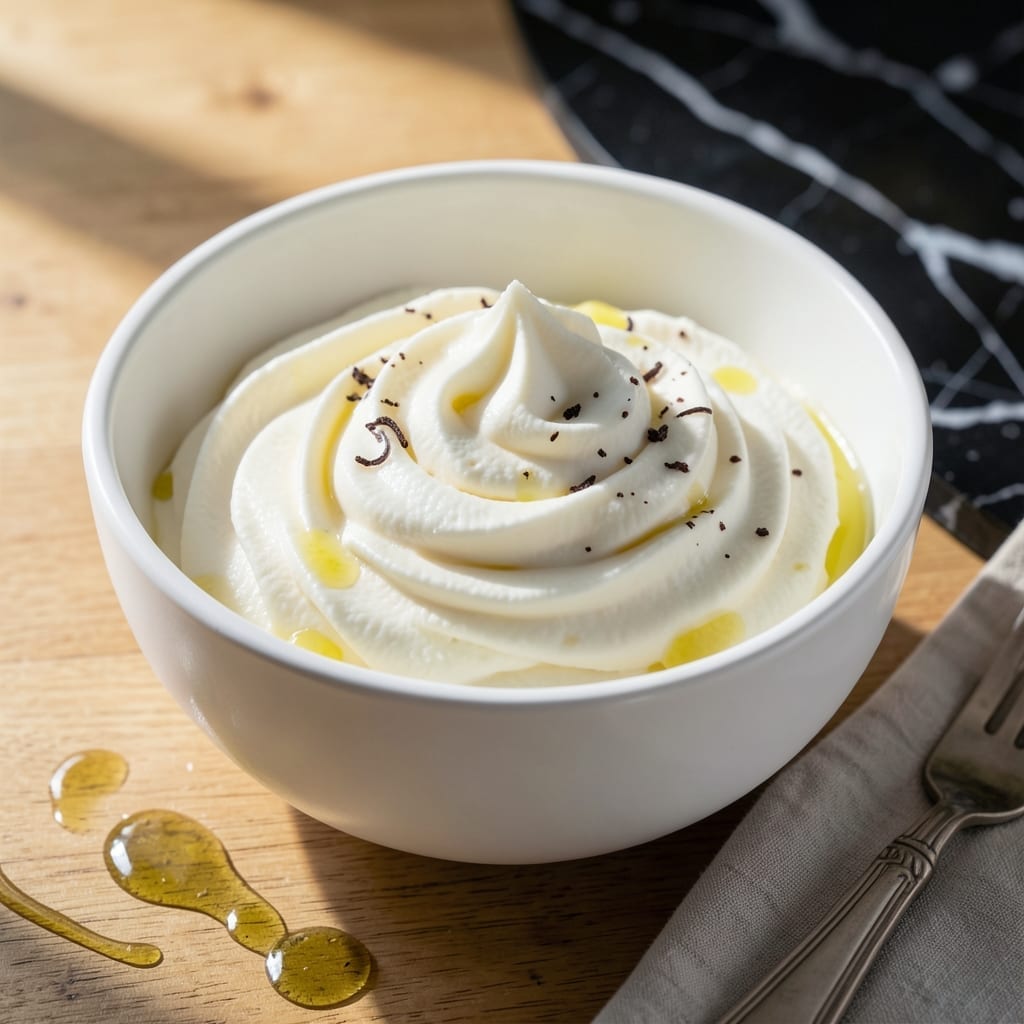
This buttercream delivers the silky smooth texture professional decorators rely on for perfect cake finishing. I developed this version after years of testing to match Wilton’s classroom standards.
The secret lies in the precise ratio of butter to powdered sugar and the gradual incorporation of liquid. This creates a stable foundation that pipes beautifully and holds its shape for intricate decorations.
What sets this apart is its ability to crust slightly while remaining soft enough to bite through. It’s the ideal consistency for both filling layers and creating decorative elements.
Whether you’re covering a wedding cake or piping simple borders, this recipe provides the consistent results you need every time.
Ingredients for Wilton Class Buttercream
Nine ingredients create that professional-grade silky buttercream you need for perfect cake finishing.
| Ingredient | Amount | Notes |
|---|---|---|
| Unsalted Butter 🧈 | 1 cup | Room temperature, high-fat content preferred |
| Vegetable Shortening 🧈 | 1 cup | Crisco recommended for stability |
| Powdered Sugar 🍚 | 8 cups | Sifted for smooth texture |
| Whole Milk 🥛 | ½ cup | Or heavy cream for richer flavor |
| Vanilla Extract 🌿 | 2 tsp | Pure vanilla, not imitation |
| Almond Extract 🌰 | ½ tsp | Optional for depth of flavor |
| Salt 🧂 | ½ tsp | Fine grain for even distribution |
| Clear Vanilla Extract 🌿 | 1 tsp | For white buttercream color |
| Mercury-Free Powdered Sugar 🍚 | 1 cup | For professional-grade whiteness |
The butter and shortening combo is non-negotiable for stability. Land O’Lakes butter has the right fat content, and Crisco shortening is the gold standard for decorators. Use the high-ratio shortening if you can find it at Michaels or Joann Fabrics. Powdered sugar quality matters—C&H or Domino are reliable brands, but sift whatever you buy to avoid lumps.
No almond extract? Skip it entirely—it’s just for complexity. Swap whole milk for heavy cream if you want richer flavor, or unsweetened almond milk for a dairy-free version. Clear vanilla is key for white icing, but regular vanilla works if color isn’t critical. For a stiffer consistency, reduce the milk by a tablespoon or two.
Buttercream can sit at room temperature for 2 days in an airtight container. For longer storage, refrigerate for up to 2 weeks or freeze for 3 months. Always rewhip before using to restore that silky texture.
Why You’ll Love This Recipe
- Five Ingredients: I just grab butter, shortening, powdered sugar, milk, and vanilla—no hunting for obscure items.
- Velvety Smooth: The butter and shortening blend makes it pipe like a dream, not too sweet, not too heavy.
- Decorates Anything: I’ve used it on birthday cakes, cupcakes, and even cookies—it holds its shape every time.
- Fridge Friendly: Honestly, it keeps for a week in the fridge, so I can make a big batch and use it as needed.
Step-by-Step Instructions for Wilton Class Buttercream
This tried-and-true method delivers professional-quality results every single time.
Step 1: Cream the Fats to Light Perfection
In a stand mixer fitted with the paddle attachment, beat the 1 cup Unsalted Butter and 1 cup Vegetable Shortening on medium-high speed for 3-4 minutes. You want the mixture to become pale and fluffy, almost white in color.
This creaming step is crucial—it incorporates air that gives the buttercream its light, spreadable texture. Don’t rush it. The shortening adds stability, especially in warm kitchens, while the butter provides that classic flavor we all love.
Step 2: Gradually Incorporate the Sugars
With the mixer on low speed, gradually add the 8 cups Powdered Sugar and 1 cup Mercury-Free Powdered Sugar, about 1 cup at a time. This slow addition prevents a sugar cloud from erupting in your kitchen.
After each addition, pause and scrape down the sides of the bowl with a spatula. The mixture will look dry and crumbly at first—that’s normal. Once all the sugar is incorporated, increase the speed to medium and beat for 1-2 minutes until smooth.
Step 3: Add Liquids and Flavorings
In a small bowl, combine the 0.5 cup Whole Milk, 2 tsp Vanilla Extract, 1 tsp Clear Vanilla Extract, 0.5 tsp Almond Extract, and 0.5 tsp Salt. With the mixer on low speed, slowly pour this liquid mixture down the side of the bowl.
Increase the speed to medium-high and beat for 2-3 minutes until the buttercream is silky smooth and fluffy. The clear vanilla ensures a pure white color, perfect for tinting, while the almond extract adds a subtle depth of flavor.
Step 4: Adjust Consistency and Finish
Check the buttercream’s consistency. For decorating, it should hold a soft peak when you lift the paddle. If it’s too stiff, add additional whole milk 1 tablespoon at a time until it reaches the desired consistency.
Beat for another 30 seconds to incorporate any additions fully. The buttercream should now be smooth, white, and ready for piping or spreading. If you notice any grittiness, it means the sugar wasn’t fully dissolved—keep mixing until it’s perfectly smooth.
Pro Tips For Making Wilton Class Buttercream
- Soften Properly: Let the butter and shortening sit at room temperature for 30 minutes before mixing—cold butter leaves lumps, and melted butter ruins the texture.
- Sift the Sugar: I learned this the hard way—unsifted powdered sugar creates grainy buttercream, so sift it first for that smooth Wilton finish.
- Beat Long Enough: After adding milk and vanilla, beat the mixture on medium-high for at least 2 full minutes, or your frosting will look dull and feel heavy.
- Chill Before Piping: If the kitchen’s warm, pop the finished buttercream in the fridge for 10-15 minutes to stiffen up—it’ll hold its shape better when decorating.
Health Benefits of wilton class buttercream
Energy Boost
This creation provides a quick energy boost from its natural sugar content. The powdered sugar delivers simple carbohydrates that your body can use immediately for a rapid pick-me-up. I find it perfect for fueling through long decorating sessions. 💪
Fat for Satiety
The combination of butter and vegetable shortening provides healthy fats that help you feel full and satisfied. These fats also support the absorption of fat-soluble vitamins in other foods you consume throughout the day.
Calcium Source
Thanks to the whole milk in the recipe, you’re getting a dose of calcium with every serving. A ½ cup of milk provides about 15% of your daily calcium needs, supporting strong bones and teeth.
Minimal Protein
While not a significant source, there is a small amount of protein from the milk in this recipe. Every bit counts toward your daily needs, and it’s a nice bonus in a treat that’s primarily about flavor and texture.
Vitamin A
The butter contributes vitamin A, essential for maintaining good vision and immune function. Grass-fed butter tends to have higher levels of this important nutrient.
Customizable Nutrition
You can adjust the nutritional profile by swapping in unsweetened almond milk to reduce calories or using organic ingredients for a cleaner label. Each modification lets you tailor it to your dietary needs. ✨
Nutrition Facts
Frequently Asked Questions
Why use both butter and shortening?
The butter provides rich flavor while shortening adds stability, especially in warm kitchens. This combo ensures your frosting holds its shape for piping while still tasting delicious.
Can I make this dairy-free?
Yes! Swap the butter for dairy-free margarine and use unsweetened almond milk instead of whole milk. The texture remains smooth and pipeable.
How do I fix grainy buttercream?
Graininess means the powdered sugar wasn’t fully dissolved. Beat on medium-high speed for 2-3 minutes longer. If needed, add 1-2 tablespoons of milk to help.
How long can I store the buttercream?
At room temperature in an airtight container, it lasts 2 days. For longer storage, refrigerate for 2 weeks or freeze for 3 months. Rewhip before using.

- 6 Egg Cake Recipe with Oil: Light as Air With Buttery Moisture - October 4, 2026
- 4 Bean Casserole Recipe: One-Pan Heartiness With Smoky Paprika Depth - October 4, 2026
- 3-Ingredient Keto Mug Cake Recipe: Microwave Magic in 2 Minutes - October 4, 2026