
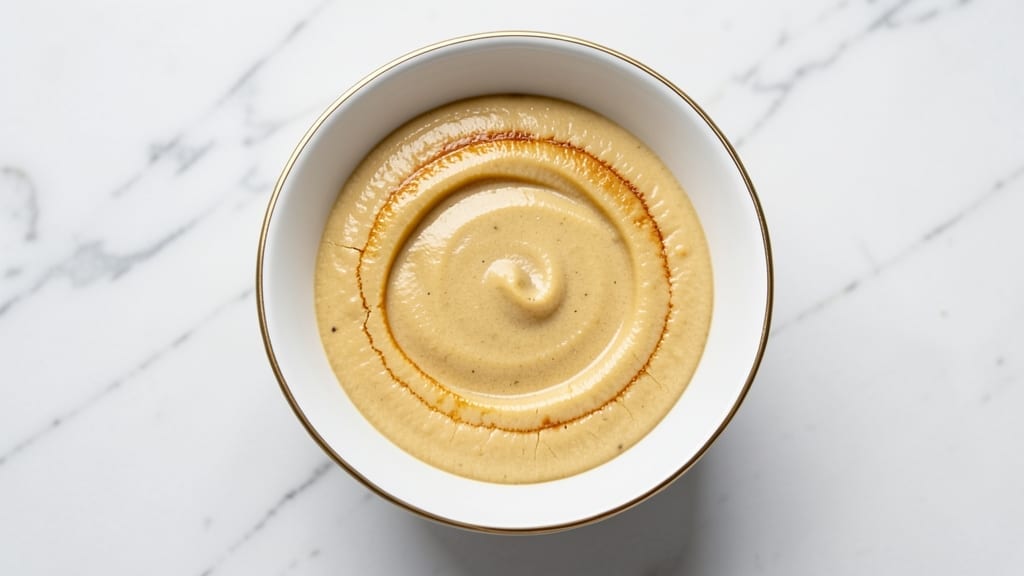
A 1 cup cheese sauce recipe that delivers ultra-smooth, velvety perfection in minutes is a game-changer for any kitchen. This foolproof method uses simple ingredients and precise technique to create a creamy, restaurant-quality sauce that’s ready in under 15 minutes.
The secret lies in proper melting and thickening—no lumps, no waiting, just rich, velvety cheese sauce every time.
This recipe works equally well on the stovetop or in the microwave, giving you flexibility for quick weeknight meals or last-minute cravings. The perfect balance of sharp cheddar and creamy milk creates a sauce that’s ideal for mac and cheese, baked potatoes, or dipping vegetables.
With just a few basic ingredients and a methodical approach, you’ll achieve professional results without any shortcuts.
The sauce develops a silky, ultra-smooth texture that coats perfectly, thanks to a simple cornstarch slurry that thickens it evenly. Seasoning is adjustable to suit your taste—whether you prefer mild, medium, or extra sharp flavors.
What you’ll end up with is a versatile sauce that elevates any dish it touches, ready to be used immediately or stored for later.
Perfect for meal prep or spontaneous cooking, this cheese sauce keeps well in the refrigerator for up to 5 days. For best results, reheat gently on the stovetop or microwave until fully melted and smooth.
Whether you’re a beginner or an experienced cook, this recipe delivers consistent, delicious results every time.
Ingredients for 1 cup cheese sauce
Nine ingredients transform into velvety perfection—this ultra-smooth sauce is restaurant-quality in minutes.
| Ingredient | Amount | Notes |
|---|---|---|
| Sharp White Cheddar Cheese 🧀 | ¾ cup | Shredded, block preferred |
| Extra-Sharp Cheddar Cheese 🧀 | ¼ cup | Shredded, for depth of flavor |
| Heavy Whipping Cream 🥛 | ½ cup | Full-fat for maximum creaminess |
| Whole Milk 🥛 | ½ cup | Warmed for smoother sauce |
| Cornstarch 🌾 | 1 tbsp | For ultra-smooth thickening |
| Cold Water 💧 | 1 tbsp | For cornstarch slurry |
| Unsalted Butter 🧈 | 2 tbsp | Cut into small pieces |
| Diamond Crystal Kosher Salt 🧂 | ¼ tsp | Adjust to taste |
| Ground Black Pepper 🌶️ | ⅛ tsp | Freshly cracked preferred |
| Fresh Lemon Juice 🍋 | ½ tsp | Brightens the sauce |
The cheddar makes all the difference here. Sharp white cheddar gives that clean, bright flavor while extra-sharp cheddar adds depth—don’t skimp on quality. Kraft or store-brand shredded works fine, but pre-shredded gets clumpy. For the creamiest results, block cheese grated fresh is ideal. The cream and milk should be full-fat—none of that skim nonsense. Trader Joe’s has the best prices for heavy cream, and their organic milk is my go-to for this recipe. If you’re using powdered milk, add an extra splash of water to compensate for the thinner consistency.
No sharp cheddar? Monterey Jack at half the amount softens the flavor, but you’ll lose that signature tang. Running out of heavy cream? Half-and-half works in a pinch, though it won’t be quite as rich. The cornstarch slurry is non-negotiable for that silky texture—arrowroot powder can substitute at the same ratio, but cornstarch gives the classic cheese sauce body. Lemon juice might seem odd, but it brightens the sauce and balances the richness. If you hate citrus, skip it entirely—it’s optional but recommended. For extra flavor, add a pinch of garlic powder or onion powder to the slurry.
This sauce reheats beautifully—just add a splash of milk or water to loosen it up. Keeps in the fridge for 5-6 days sealed tightly, but I always make extra to freeze. Portion into ice cube trays for single-use servings—just pop one in when you need it. For best texture, reheat gently on low heat or in the microwave at 50% power. If it gets too thick, stir in a teaspoon of milk. The sauce thickens as it cools, so don’t over-thicken it initially—you can always add more slurry if needed.
Why You’ll Love This Recipe
- Four-Ingredient Magic: I swear by this combo—just cheese, cream, milk, and cornstarch. No fancy gadgets, no waiting for roux to brown just right. The cornstarch thickens it instantly while keeping it silky, not grainy.
- Sharp Cheese Love: That tangy extra-sharp cheddar? It’s the star. The white cheddar smooths it out, but the sharp kind adds this je ne sais quoi—like a hug in sauce form. Honestly, I’ve tried other cheeses, and nothing compares.
- Dip or Drown: Mac and cheese? Check. Grilled cheese? Even better. But here’s the secret weapon: toss it with roasted broccoli or drizzle it over chili. It’s my go-to for lazy nights and fancy dinner parties—no one ever guesses how little effort it took.
- Leftovers That Last: Make a double batch—it reheats like a dream. I keep it in the fridge for a week, and it never gets sad or watery. Between us, I’ve even frozen it (thaw in the microwave, stir, and boom—creamy again). Budget-friendly and foolproof.
Step-by-step instructions for ultra-smooth velvety cheese sauce
Here’s how to make a perfectly balanced, ultra-smooth cheese sauce every time.
Create the Cornstarch Slurry
In a small bowl, whisk together the 1 tablespoon cornstarch with the 1 tablespoon cold water until completely dissolved and smooth. This creates your thickening agent. The cold water prevents lumps from forming when you add it to the hot liquid later—this is crucial for that silky texture we’re after.
Set this slurry aside while you prepare the other ingredients. I like to keep it handy because once the milk and cream start heating, you’ll want to add it quickly to prevent curdling. Think of it as your secret weapon for that restaurant-quality smoothness.
Heat the Dairy Base
In a medium saucepan, combine the 0.5 cup whole milk, 0.5 cup heavy whipping cream, and the 2 tablespoons unsalted butter over medium heat. Bring this mixture to a gentle simmer, stirring occasionally with a wooden spoon. You’re looking for tiny bubbles forming around the edges and steam rising steadily.
I recommend using medium heat here—too high and you risk scorching the dairy before it comes to temperature. Once it reaches a simmer, reduce the heat to medium-low and let it maintain that gentle bubble for about 3 minutes. This step builds the foundation for your sauce, warming the dairy so it’s ready to accept the cheese smoothly.
Add the Cheese Gradually
With the pan still on medium-low heat, begin adding the cheese in stages. First, sprinkle in about ⅓ of the 0.75 cup sharp white cheddar cheese, stirring constantly with the wooden spoon. Let it melt completely before adding another ⅓. This gradual approach prevents clumping and ensures each addition melts smoothly into the sauce.
Once all the sharp white cheddar is melted, add the 0.25 cup extra-sharp cheddar cheese in the same gradual manner. The extra-sharp adds that complex, tangy depth that makes this sauce truly special. You’ll know you’re on the right track when the sauce starts to thicken noticeably but still looks glossy and smooth—not grainy or stringy.
Thicken and Season
Now it’s time to incorporate that cornstarch slurry. Slowly pour it into the sauce while stirring continuously with the wooden spoon. The sauce will thicken dramatically within 1-2 minutes—this is where the magic happens. Keep stirring until it reaches your desired consistency, which should be smooth and coat the back of a spoon without being gluey.
Remove the pan from heat and stir in the 0.25 teaspoon diamond crystal kosher salt, 0.125 teaspoon ground black pepper, and 0.5 teaspoon fresh lemon juice. The lemon juice brightens the rich flavors and cuts through the fat for a more balanced taste. Let the sauce sit off the heat for 2-3 minutes to fully meld all the flavors together.
Adjust and Serve Immediately
Taste your sauce and adjust the seasoning if needed—you might want a touch more salt or a splash of lemon juice for brightness. If the sauce is too thick, thin it with 1 tablespoon warm milk at a time until it reaches the perfect pouring consistency. For a richer finish, you can stir in an additional 1 tablespoon unsalted butter at the end.
Serve your cheese sauce immediately over pasta, as a dipping sauce for veggies, or as a creamy topping for baked potatoes. The sauce should be velvety smooth with a perfect balance of sharp, creamy, and slightly tangy flavors. Each bite should deliver that luxurious mouthfeel without being heavy or greasy—this is what separates a good cheese sauce from an extraordinary one.
Pro Tips For Making 1 Cup Cheese Sauce
- Grate the Cheese Fine: I learned this the hard way—using big chunks of cheddar means you’re fighting lumps the whole time. Sharp white and extra-sharp cheddar should be shredded smaller than rice grains for a silky sauce. A box grater with the smallest holes works, or pulse in a food processor until it’s almost powdery.
- Heat Cream Slowly: Don’t just dump cold cream into the pot—warm it first over medium-low heat until it’s just steaming (about 110°F). This prevents curdling when the cheese hits it. I used to rush this, and the sauce would split like a bad argument.
- Whisk in Cornstarch Wet: Mix the cornstarch with a splash of cold milk first—this is the thing that matters most. Then, pour it into the hot cream while whisking like your life depends on it. Dry cornstarch clumps turn into gluey lumps; wet starch dissolves instantly.
- Strain for Smoothness: After melting, let the sauce sit for 2 minutes, then strain it through a fine-mesh sieve into a clean bowl. Yes, it’s an extra step, but it catches any stray cheese bits that survived the grating. The result? A sauce so smooth it’ll make you question why you ever ate lumpy versions.
Dietary considerations for 1 cup cheese sauce
Dairy-Free Options
For a dairy-free version, replace the cheddar with nutritional yeast (¼ cup) and cashew cream (½ cup, blended from soaked cashews). Use coconut milk (½ cup) instead of regular milk for creaminess.
The cornstarch slurry remains the same—this keeps the sauce thick and velvety without dairy. Add ½ teaspoon turmeric for color and a pinch of garlic powder for depth. 🌱
Gluten-Free Adaptations
This recipe is naturally gluten-free, but if you’re using pre-shredded cheese, check the label—some brands add anti-caking agents with gluten. For extra insurance, use arrowroot powder instead of cornstarch (same ratio) since it’s certified gluten-free.
The sauce’s silky texture stays intact, and no one will notice the swap. Always verify your cheese packaging for hidden gluten sources. ✨
Low-Fat Modifications
To cut fat while keeping richness, swap heavy cream for Greek yogurt (¼ cup) and use 2% milk instead of whole. Reduce butter to 1 tablespoon and add ½ teaspoon xanthan gum to the cornstarch slurry for better thickening.
The sauce will be lighter but still creamy—just expect a slightly tangier flavor. For extra creaminess, stir in 1 tablespoon cream cheese at the end. 🥛
Lactose-Free Considerations
For lactose-free cooking, use lactose-free milk and lactose-free butter (like Miyoko’s or Earth Balance). The cheese should be labeled lactose-free too—Parmigiano-Reggiano or Pecorino Romano work well as substitutes for cheddar.
The cornstarch slurry and other ingredients remain unchanged. Test small batches first, as lactose-free dairy can behave slightly differently when heated. 🧀
Vegan Cheese Sauce
Create a vegan version with ½ cup raw cashews (soaked 2 hours) blended with ½ cup water, ½ cup unsweetened almond milk, 1 tablespoon nutritional yeast, and 1 tablespoon lemon juice.
Simmer this base, then whisk in 1 tablespoon cornstarch mixed with 1 tablespoon water until thick. Add ½ teaspoon turmeric for color and ½ teaspoon onion powder for depth. The result is a creamy, tangy sauce that works perfectly over pasta or veggies. 🌿
Allergen-Friendly Tips
Watch for soy in cornstarch (some brands use soy lecithin)—opt for certified soy-free cornstarch if needed. For nut allergies, use sunflower seed butter blended with water instead of cashew cream.
Always check labels on cheese for milk additives or egg wash** (common in pre-shredded). When in doubt, buy block cheese and grate it fresh to avoid hidden allergens. Safety first! 🛡️
Nutrition facts
Frequently asked questions
Can I make this cheese sauce without cornstarch?
You can try using 1 tablespoon butter instead of cornstarch for thickening, but the texture won’t be as silky. For a smoother result, blend the cheese with the warm milk first, then strain through a fine-mesh sieve. The sauce will be thinner but still delicious—just add more cheese if needed.
Why did my cheese sauce get grainy?
Graininess usually happens when cheese melts too quickly or you add it all at once. Always stir constantly and add cheese in small batches. For pre-shredded cheese, use block cheese grated fresh—it melts more smoothly. If it’s too late, blend the sauce briefly for a velvety finish.
How can I make this sauce thicker or thinner?
For a thicker sauce, add ½ teaspoon more cornstarch slurry and simmer for 1-2 minutes. To thin it, stir in 1 tablespoon warm milk at a time. The sauce naturally thickens as it cools, so adjust while it’s still hot. For extra richness, stir in 1 tablespoon cream cheese at the end.
Can I use powdered milk instead of fresh?
Yes, but you’ll need to add 1 extra tablespoon water to compensate for the thinner consistency. Powdered milk works fine, but fresh milk creates a creamier sauce. For best results, use whole milk—the fat content helps prevent separation. If using skim, add 1 extra tablespoon butter for richness.
What’s the best way to reheat leftover cheese sauce?
Reheat gently on low heat with a splash of milk to loosen it. Microwave at 50% power in 30-second intervals, stirring between each. Avoid boiling—it can make the sauce separate. For extra creaminess, stir in 1 tablespoon butter while reheating. Never reheat to a full boil!

- 3lb Prime Rib Roast Recipe: Juicy Pink Center Guaranteed in 3 Hours - October 31, 2026
- 5 Spice Cake Recipe: Warmly Spiced Layers With Crunchy Top - October 31, 2026
- 1950’s Macaroni and Cheese Recipe: Nostalgic Creamy Cheese Sauce with Buttery Noodles - October 31, 2026