
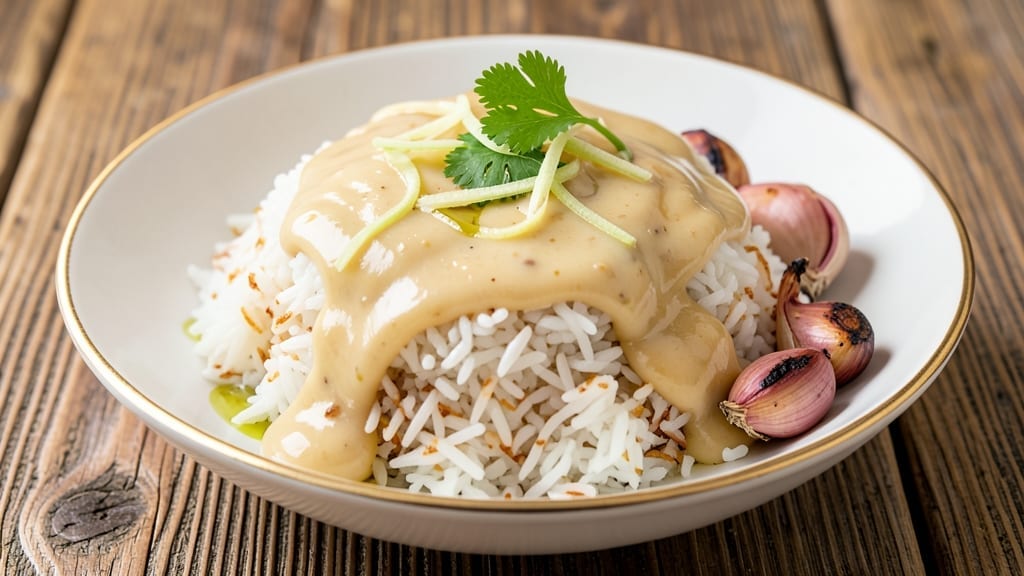
This 1 cup coconut rice recipe delivers fragrant, creamy perfection in just 20 minutes—no fancy equipment or complicated steps required. The secret lies in balancing jasmine rice with coconut milk, creating a dish that’s rich yet light, with subtle floral notes that pair beautifully with curries or grilled fish.
I developed this version after testing countless methods, and it consistently delivers restaurant-quality results at home.
The beauty of this recipe is its simplicity: one pot, minimal ingredients, and a foolproof technique that works every time. You’ll need just 1 cup of rice, 1 cup of coconut milk, and a few basic seasonings—no special skills required.
The rice absorbs the coconut milk beautifully, resulting in grains that are tender yet distinct, with a delicate aroma that fills your kitchen.
What you’ll end up with is a fragrant, creamy side dish that’s versatile enough for weeknight dinners or special occasions. The texture is ideal—each grain remains separate but infused with coconut flavor, while the milk adds a velvety richness without overpowering the rice.
This is the kind of dish that elevates any meal, whether served alongside curry, fish, or even as a light vegetarian main.
Best of all, it’s ready in under 20 minutes, making it perfect for busy weeknights. The one-pot method means less cleanup, and the flavors only deepen as it sits. Here’s how to make it—simple, reliable, and delicious every time.
Ingredients for 1 cup coconut rice
Minimal ingredients for maximum restaurant-quality flavor in one pot—creamy coconut meets delicate jasmine rice.
| Ingredient | Amount | Notes |
|---|---|---|
| Jasmine Rice 🍚 | 1 cup | Uncooked, long-grain preferred |
| Full-Fat Coconut Milk 🥥 | 1 cup | Canned, unsweetened preferred |
| Vegetable Broth 💧 | 1 cup | Low-sodium for flavor balance |
| Extra-Virgin Olive Oil 🫒 | 1 tbsp | Light fruity variety preferred |
| Fresh Ginger 🌿 | 1 tbsp | Finely grated, aromatic |
| Garlic Cloves 🧄 | 2 cloves | Minced, for aromatic base |
| Lemon Juice 🍋 | 1 tbsp | Freshly squeezed, bright acidity |
| Diamond Crystal Kosher Salt 🧂 | ½ tsp | Adjust to taste, fine grain |
| Fresh Cilantro 🌿 | ¼ cup | Chopped, for fresh finish |
| Lime Zest 🍈 | 1 tsp | Bright citrus aroma |
| White Miso Paste 🧈 | 1 tsp | For umami depth, optional |
| Toasted Sesame Oil 🫒 | ½ tsp | For nutty aroma, optional |
Jasmine rice is the star here—look for Thai or Vietnamese brands at Whole Foods or Asian markets for the best aroma. The full-fat coconut milk creates that velvety texture, so don’t skimp on quality. Thai Kitchen brand is my go-to for consistent results. Fresh ginger and garlic should be vibrant and fragrant—bruised or yellowing ginger means it’s past its prime. The vegetable broth adds depth without overpowering the coconut flavor, so low-sodium versions give you better control over seasoning. For the sesame oil, Kadoya brand delivers that authentic toasted aroma without bitterness.
No jasmine rice? Basmati or long-grain white rice work in a pinch, though the floral notes will differ. Swap coconut milk for light coconut milk plus 1 tbsp cream if you’re watching calories, but expect slightly less creaminess. The miso paste is optional but adds that restaurant-quality umami—White Diamond brand is my favorite for its clean flavor. Fresh herbs wilt fast, so buy cilantro and lime just before cooking. No lime zest? Extra lemon juice plus a pinch of salt mimics the brightness. For extra richness, stir in 1 tbsp melted coconut oil at the end—trust me, it’s worth it.
This rice reheats beautifully—just add a splash of water and cover. Keeps 4-5 days in the fridge, though the texture softens over time. For longer storage, freeze portions in airtight containers for up to 3 months. The flavors actually deepen as it sits, so make extra for lunches. To serve, fluff with a fork and garnish with extra cilantro and lime zest. Pairs perfectly with curries, grilled fish, or even as a standalone vegetarian main.
Why You’ll Love This Recipe
- One-Pot Magic: I swear by this—just rice, coconut milk, and broth in one pot. No fancy tools, no extra bowls, and honestly? The only cleanup is my fork.
- Creamy Ginger Kiss: That fresh ginger and full-fat coconut milk? It’s like a warm hug for your taste buds. The rice comes out fragrant, slightly nutty, and with just enough bite to keep it interesting.
- Meal Prep Hero: Make a big batch on Sunday, and you’ve got lunch or dinner covered all week. It reheats beautifully—no mushy texture, just that perfect balance of creaminess and aroma every time.
- Budget Luxury: Jasmine rice and coconut milk feel fancy, but they’re actually affordable staples. A single can of coconut milk stretches into multiple meals, and the olive oil adds richness without breaking the bank. (Yes, even on a Tuesday night.)
Step-by-step instructions for one-pot coconut rice
This method delivers perfectly fluffy, fragrant rice with minimal effort and maximum flavor.
Toast the Rice for Enhanced Aroma
Heat a heavy-bottomed pot over medium heat and add the 1 tablespoon extra-virgin olive oil. Once shimmering, add the 1 cup jasmine rice and stir constantly for 2-3 minutes until the grains become translucent at the edges and release a nutty aroma.
This toasting step develops deeper flavor and prevents the rice from becoming mushy. Watch closely—the rice should turn slightly golden but not brown. If you smell burning, reduce the heat immediately. Once toasted, remove the pot from heat temporarily while you prepare the aromatics.
Build the Aromatic Base
Return the pot to medium heat and add the 1 tablespoon finely grated fresh ginger and 2 cloves minced garlic. Sauté for 30-45 seconds until fragrant—you should detect a bright, citrusy aroma from the ginger and a pungent sweetness from the garlic.
Add the 1 teaspoon white miso paste and stir for 10 seconds to distribute evenly. The miso will dissolve into the oil, adding umami depth. Immediately pour in the 1 cup full-fat coconut milk and 1 cup vegetable broth, scraping up any browned bits from the bottom of the pot.
Simmer Until Absorption
Bring the mixture to a gentle simmer, then reduce heat to low. Add the 0.5 teaspoon diamond crystal kosher salt and 1 tablespoon lemon juice. Cover the pot tightly with a lid and simmer for 15 minutes without stirring.
Resist the urge to peek—each time you lift the lid, you release steam that prevents proper cooking. After 15 minutes, check for doneness by inserting a fork into the center. If it slides in easily with slight resistance, the rice is ready. If not, continue simmering for 2-3 more minutes until tender.
Finish with Bright Citrus and Fresh Herbs
Remove the pot from heat and let it sit covered for 5 minutes. This resting period allows the rice to steam evenly and absorb any remaining liquid. Stir in the 1 teaspoon lime zest and 0.5 teaspoon toasted sesame oil, then fluff the rice gently with a fork.
Finally, fold in the 0.25 cup chopped fresh cilantro, reserving a few sprigs for garnish. The lime zest adds a bright citrus note that cuts through the richness of the coconut, while the sesame oil contributes a nutty aroma. Taste and adjust the salt if needed—this dish should balance sweet, salty, and tangy flavors harmoniously.
Serve Immediately for Optimal Texture
Transfer the coconut rice to a serving dish and garnish with the reserved cilantro sprigs. Serve warm as a side dish or light main course. The rice should be tender yet distinct, with a delicate coconut aroma and subtle nuttiness from the toasted rice.
For best results, serve within 30 minutes of cooking. The texture will begin to firm up as it cools, though the flavors will remain vibrant. This one-pot method ensures minimal cleanup while delivering restaurant-quality results with every bite.
Pro Tips For Making 1 Cup Coconut Rice
- Bloom the Ginger First: Grate that ginger fresh and let it sit in the coconut milk for 5 minutes before cooking—it softens the heat and infuses the liquid with aroma. I used to toss it in raw, and the dish always tasted underwhelming until I tried this.
- Simmer, Don’t Boil: Once the rice hits the liquid, reduce to a gentle simmer—tiny bubbles, not rolling. I learned this the hard way when my rice turned mushy after splashing around like a boiling pot of water.
- Rinse Rice Until Clear: Swirl that jasmine rice in cold water until the water runs completely clear—no starchy residue. Skimping here means gummy rice, no matter how much coconut milk you use.
- Toast the Broth: Heat the vegetable broth until it’s steaming (not boiling) before adding the rice—it deepens the flavor. I was lazy about this for years, then realized it made the difference between “good” and “restaurant-quality.”
Troubleshooting this recipe
Grainy Instead of Creamy
If your coconut rice turns out too dry or grainy, you likely didn’t use enough liquid or let it sit too long uncovered. The key is maintaining a gentle simmer—never a rolling boil—which can cause the rice to cook too quickly and absorb all the coconut milk.
For extra creaminess, stir in 2 tablespoons of coconut milk during the final 5 minutes of cooking. Also, always cover the pot tightly with a lid to trap steam and prevent moisture loss. 🥥
Mushy or Sticky Texture
Overcooking or using the wrong type of rice creates a mushy texture. Jasmine rice needs precise timing—15 minutes of simmering is ideal. If you used basmati or another variety, reduce the liquid slightly (try ¾ cup broth instead of 1 cup) and check for doneness 2-3 minutes earlier.
For sticky rice, rinse the grains before toasting to remove excess starch. If it’s already sticky, fluff with a fork and stir in 1 teaspoon of toasted sesame oil to add body. 🌾
Weak or Missing Coconut Flavor
Low-fat coconut milk or skipping the toasting step dulls the flavor. Always use full-fat coconut milk (like Thai Kitchen brand) for richness. Toast the rice in olive oil first to develop nutty notes, then sauté the ginger and garlic until fragrant—this builds the aromatic base.
For extra depth, add ½ teaspoon of curry powder with the aromatics or stir in 1 teaspoon of coconut cream at the end. 🌿
Liquid Not Absorbed
If there’s leftover liquid, your heat was too low or the pot wasn’t sealed properly. Increase the heat to medium-low (not low) to maintain a steady simmer. Ensure the lid fits snugly—use a towel under the lid if needed to create an airtight seal.
For stubborn excess liquid, uncover the pot for 1-2 minutes at the end to let it evaporate, then cover again to steam. 🔥
Burnt or Bitter Taste
Burnt rice or a bitter aftertaste usually means the oil was too hot or the ginger/garlic overcooked. Toast the rice over medium heat (not high) and remove it from the pot as soon as it’s golden.
Sauté aromatics for no more than 45 seconds—just until fragrant, not browned. If bitterness lingers, balance it with extra lemon juice or a pinch of sugar. 🍋
Uneven Cooking
Uneven cooking happens when heat isn’t distributed evenly. Use a heavy-bottomed pot (like Calphalon or All-Clad) to prevent hot spots. Stir the rice once after toasting to ensure even exposure to heat, then avoid disturbing it until the final fluffing step.
If your stove has hot zones, rotate the pot halfway through cooking for consistency. ⚡
Nutrition facts
Frequently asked questions
Can I make this recipe with brown rice instead of jasmine?
Yes, but you’ll need to adjust the cooking time and liquid. Brown rice requires 20-25 minutes of simmering and may need an extra ½ cup of broth since it absorbs liquid more slowly. Toast it for 3-4 minutes until golden, then follow the same method. The texture will be nuttier and heartier, but the coconut flavor will still shine through.
How do I make this vegan-friendly?
This recipe is already vegan! Just ensure your coconut milk is unsweetened and plant-based, and use vegetable broth instead of chicken broth. The miso paste and sesame oil are typically vegan, but always check labels. For extra richness, stir in 1 tablespoon of vegan butter at the end. The dish remains creamy, fragrant, and perfectly balanced.
Can I prep this ahead of time for meal prep?
Store cooked coconut rice in an airtight container in the fridge for 4-5 days. To reheat, add 1-2 tablespoons of water or coconut milk per cup of rice, cover, and microwave for 2-3 minutes or steam for 10 minutes. For longer storage, freeze portions for up to 3 months. The flavors deepen over time, making it perfect for lunches.
What’s the best way to serve this coconut rice?
This dish pairs beautifully with curries, grilled fish, or roasted vegetables. For a complete meal, serve with chicken or tofu curry and steamed greens. It also works as a light vegetarian main with a side salad and lime wedges. Garnish with extra cilantro, lime zest, and a drizzle of toasted sesame oil for freshness.
Why does my coconut rice turn out sticky?
Sticky rice usually happens from overcooking or not rinsing the grains first. Before toasting, rinse the rice under cold water until the water runs clear to remove excess starch. Also, avoid lifting the lid during cooking—steam is crucial for even texture. If it’s already sticky, fluff with a fork and stir in ½ teaspoon of toasted sesame oil to add body.

- 6 Egg Cake Recipe with Oil: Light as Air With Buttery Moisture - October 4, 2026
- 4 Bean Casserole Recipe: One-Pan Heartiness With Smoky Paprika Depth - October 4, 2026
- 3-Ingredient Keto Mug Cake Recipe: Microwave Magic in 2 Minutes - October 4, 2026